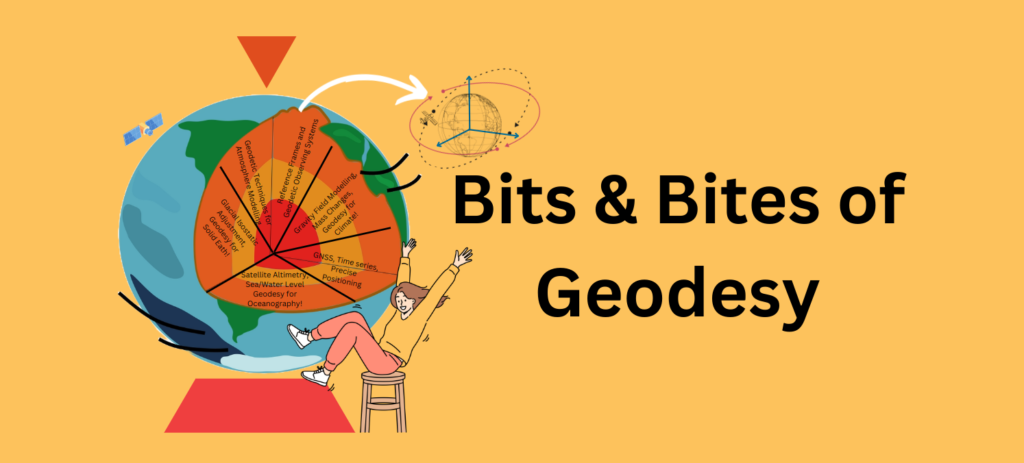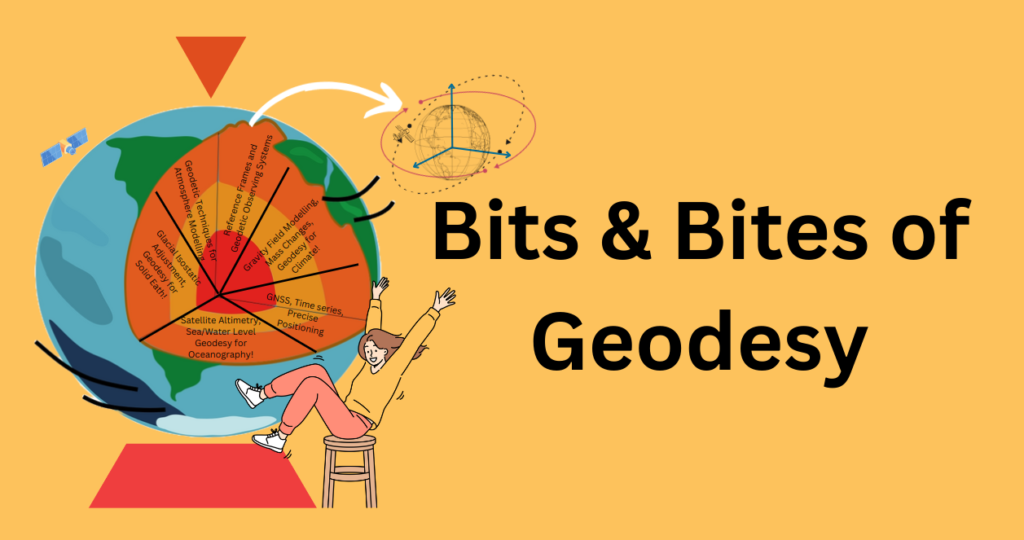
Imagine determining the position of a point on Earth with millimeter precision using radio signals from celestial objects billions of light-years away. This may sound like science fiction, but it is exactly what Very Long Baseline Interferometry (VLBI) allows scientists to do. What is VLBI? Long before satellites and digital maps, people looked to the sky and used celestial objects—most commonly t ...[Read More]
What’s up for geodesy during the upcoming EGU26?
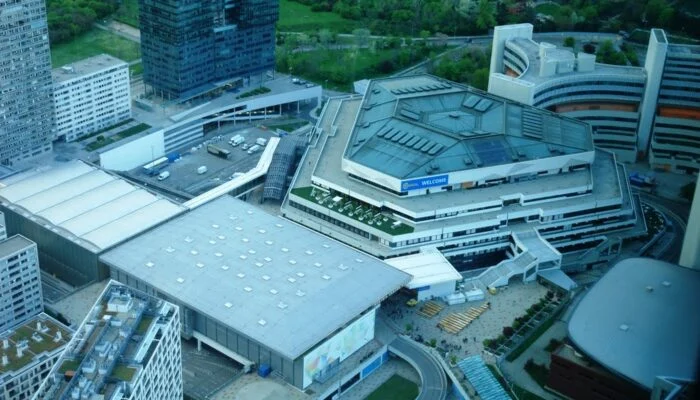
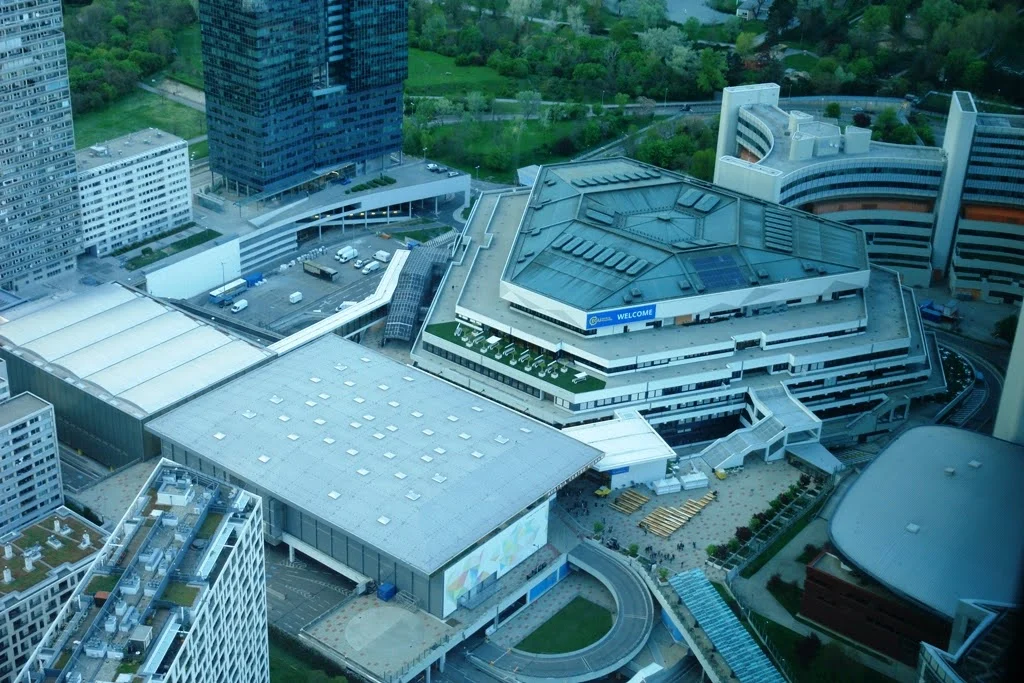
It’s this time of the year again when we all meet up in Vienna and talk about our latest scientific results and, more importantly, network with old and new colleagues. The EGU General Assembly (GA) EGU26 will take place again in a hybrid format. The scientific programme consists, as usual, of oral and poster presentations, Pico sessions, networking opportunities, and short courses. All scientific ...[Read More]
Bits and Bites of Geodesy – Satellite Gravimetry: Studying Earth’s water cycle from space
During winter, mountains gain mass because of snow covering the peaks. In spring, the snow melts and flows downstream until it reaches the ocean or evaporates into the atmosphere to reach back on the surface as rain or snow. The global water cycle is very complex and essential for life on our planet. Did you know we can measure how the water is distributed by measuring its mass from space? How can ...[Read More]
Climbing Through a PhD – Mental Health on the Way to the Summit
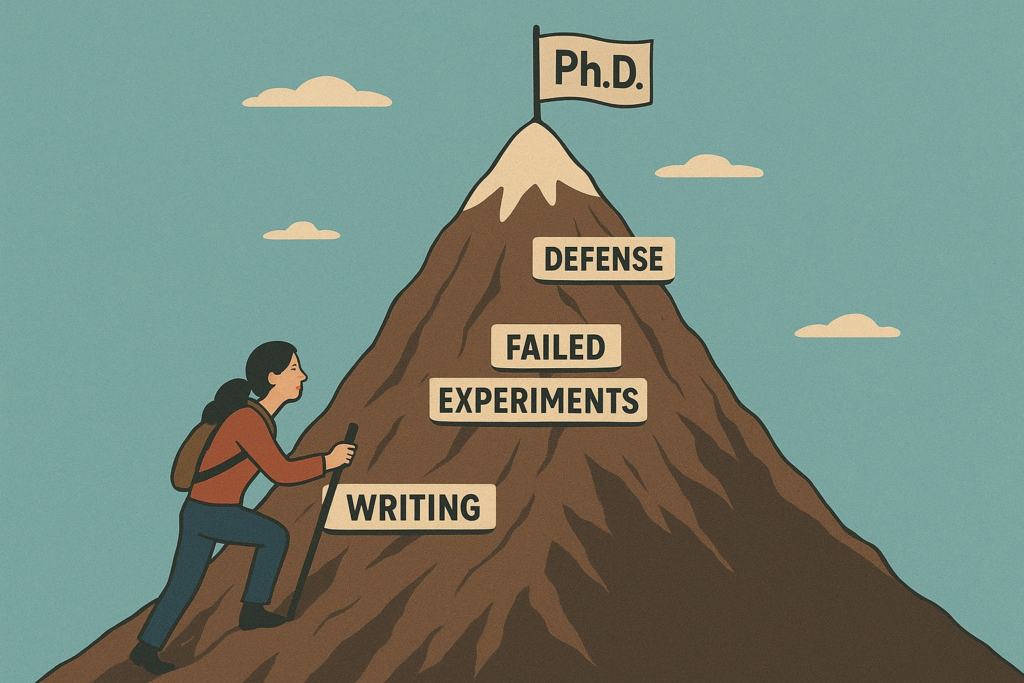
Imagine you are going on a long mountain tour. Your backpack is heavy, the path is steep, and although you have been walking for hours, all you can see ahead of you is the next climb. Doing a PhD is like climbing such a mountain. It can feel exhausting, there is always the next challenge ahead and the finish line seems to never get closer. Self-doubt and the feeling of not doing enough accompanies ...[Read More]