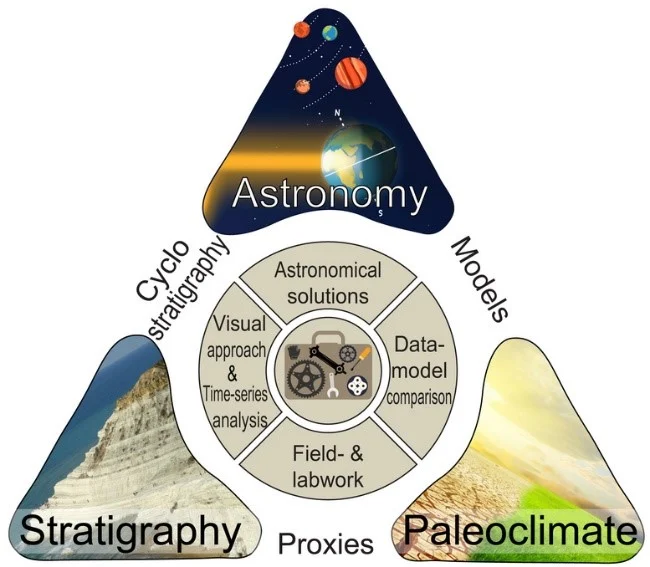
Cyclostratigraphers aim to read and understand the effect of climate-driven orbital changes in the geological record through time. In doing so, they start from an important prerequisite: An imprint of insolation variations caused by Earth’s orbital eccentricity, obliquity and/or precession (Milankovitch forcing) can be preserved in the geological rock record. The new www.cyclostratigraphy.org webs ...[Read More]
Bomb 14C – a tracer and time marker of the mid-20th century
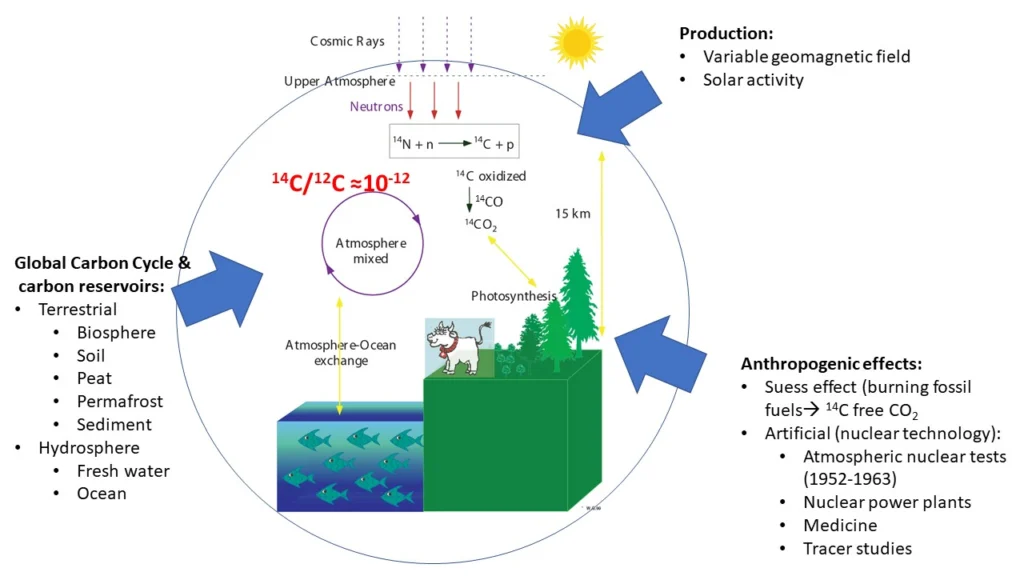
1950 CE is known as the year zero in the so-called ‘BP time scale.’ The BP stands for, “Before Present,” and has its roots in the development and conventions of radiocarbon dating [1]. The radioactive isotope of carbon (14C) with a half-life of 5700 years [2; 3] is a cosmogenic isotope produced in the atmosphere by secondary cosmic rays (SCR). Thermal neutrons, the SCR particle responsible for the ...[Read More]
Feeling the Heat: The Grilled Earth
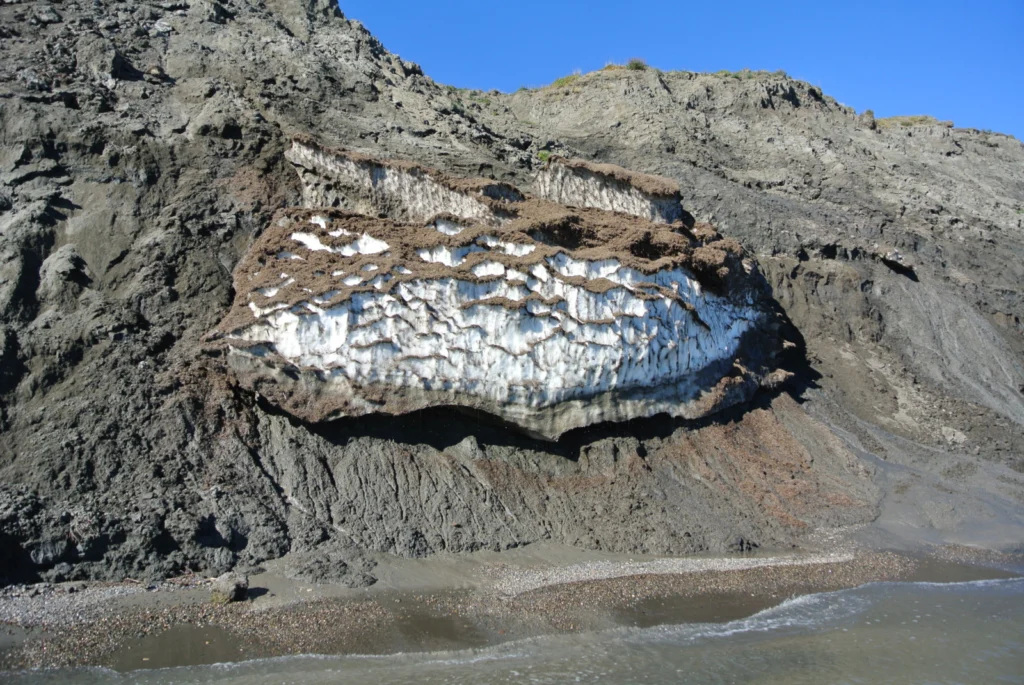
Nowadays, there are plenty of media reports about the impacts of climate change around the world. Glaciers are disappearing, gigantic craters form in Siberia as the previously frozen ground thaws, the sea is threatening to swallow entire islands, floods cause large damages to people and economy, heat waves periodically destroy crops and can reach dangerous levels for people’s health. And this is o ...[Read More]
Presenting the EGU Climate Division Team 2021
Every year at the General Assembly all EGU members have a chance to vote for their representatives during the different division meetings. In the Climate Division, we have a team of President and Deputy President, a Programme Group Chair, Science Officers, as well as Representatives for the Early Career Scientists and an Outreach Team. There is further the OSPP Coordinator and the chairs for the H ...[Read More]
Life of a Climate Scientist presents Venugopal (Venu) Reddy Thandlam
About the blog series: Life of a Climate scientist Life of a Climate Scientist is a new blog series started by the EGU Climate Division. The main focus of this series is to provide a platform for climate scientists to tell their stories of life in research. We will be covering a wide-range of subjects, from their scientific endeavors and maintaining work-life balance to challenges they have faced ...[Read More]
Detrital zircons: how the age of a resistant mineral can help to reconstruct the climate of the past
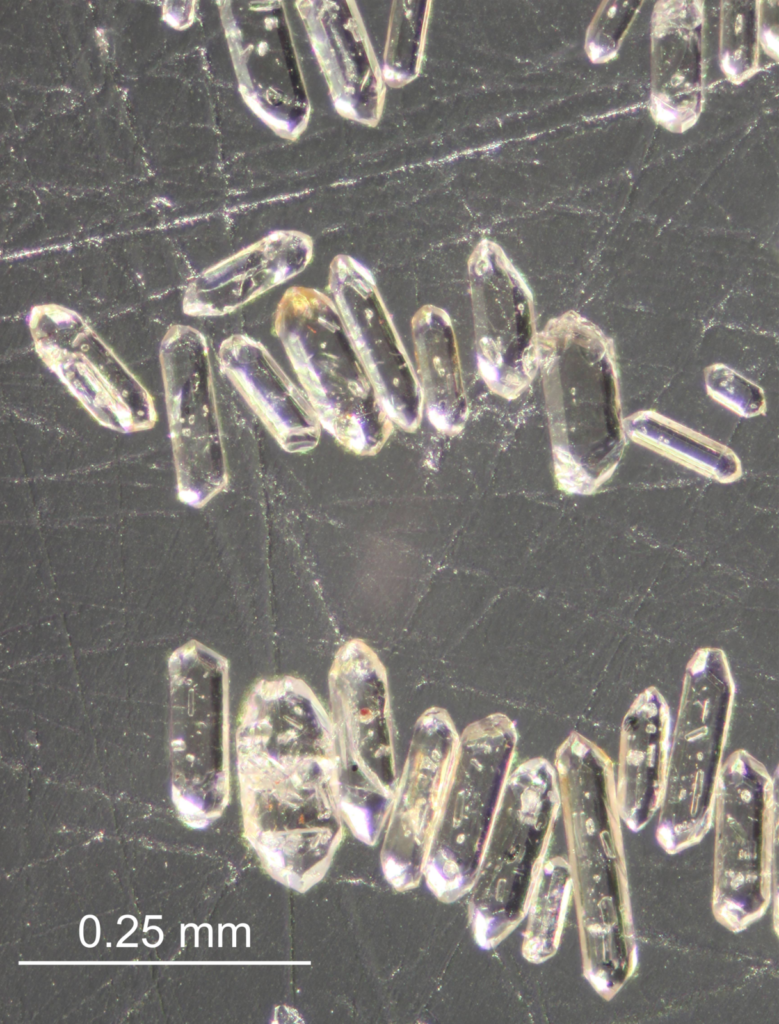
Name of proxy detrital zircon geochronology Type of record provenance proxy Paleoenvironment any sedimentary environment in a geologically diverse and diagnostic area Period of time investigated any Period of the geological timescale of the Earth, during which sedimentary deposits were formed How does it work? Igneous rocks form through assemblages of minerals crystallising from melt. While ...[Read More]
How humans are influencing climate change and its significance in defining a new geological epoch: the Anthropocene
The Anthropocene Working Group (AWG) is the body tasked to propose a formal definition for the Anthropocene as a geological time unit. Join us at the EGU2021 General Assembly on Wednesday 28th April at 14:15-15:00 CEST for a series of presentations on the Anthropocene in session SSP2.6. The Anthropocene concept Geologists cope with the enormity of 4.5 billion years of Earth history by divid ...[Read More]
Generation #polarprediction
More than 11 years ago, I joined the Université catholique de Louvain (UCLouvain) in Belgium as a teaching assistant. The 2007-2009 International Polar Year (IPY), a worldwide collaborative effort aiming at better understanding our polar regions, had just finished, and the scientific community was concerned about the sudden drop in the summer Arctic sea ice extent that had occurred two years befor ...[Read More]
Presenting a new European loess map
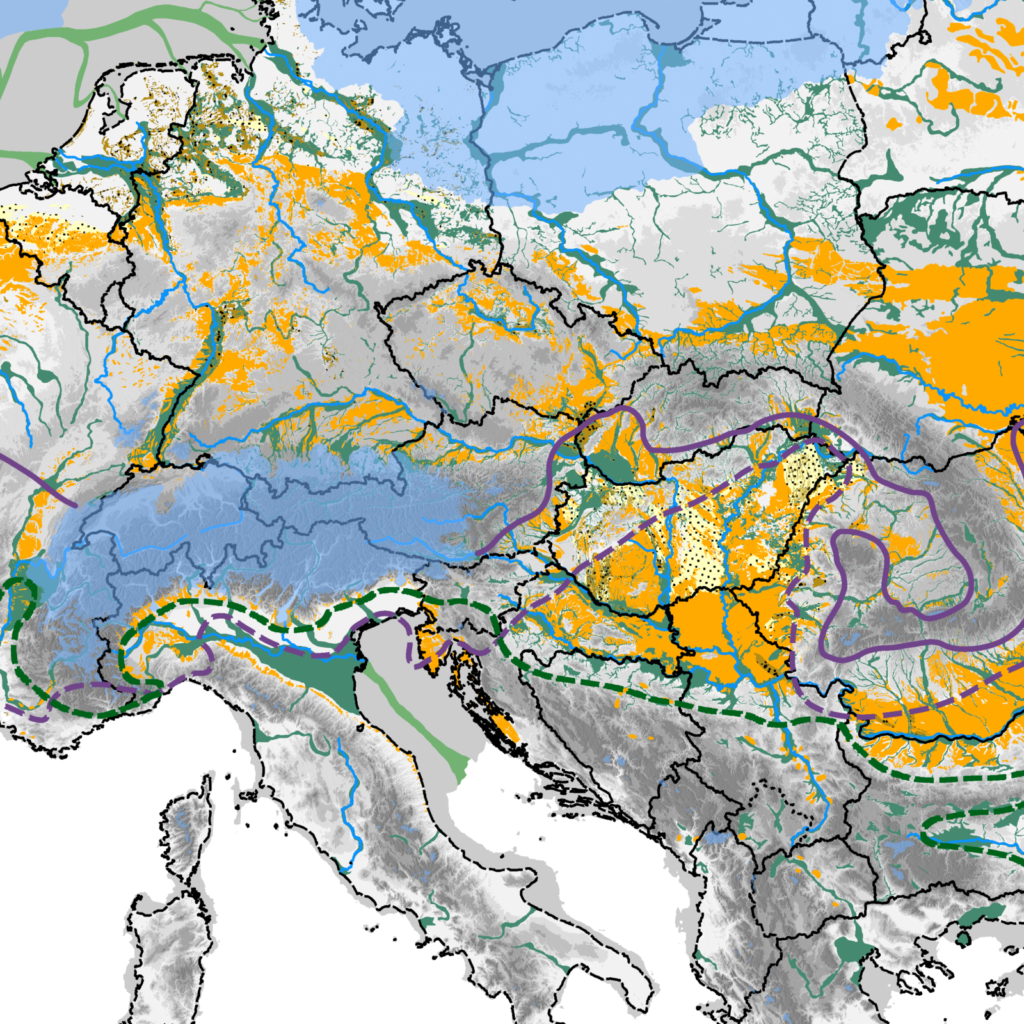
Loess is a silt-sized, aeolian sediment that was produced in large quantities in past geological eras of mid-latitude Europe and Asia, among others (Fig. 1). It is used in Quaternary science to infer about past climatic and environmental conditions. Generally, layers of loess formed during cold and dry periods, while soils formed within/on top the loess during warmer and wetter periods. These soil ...[Read More]
Reconstructing ice sheets and topography of the past
One of the most profound consequences of past climate changes are the geologically rapid (<100,000 year) changes in global topography. For thousands of years, large ice sheets, similar to what currently exists in Greenland and Antarctica, waxed and waned on North America and Europe. Only 20,000 years ago, if you were sitting in the middle of Canada or Sweden, you would be under thousands ...[Read More]