
Credit: Anna Kotova (distributed via imaggeo.egu.eu) [Imaggeo – Geoscience]. Dear EGU Planetary & Solar System Sciences (PS) Division, The Planetary & Solar System Sciences blog is back! In this post, we will examine how to participate in defining the PS Division, activities, procedures, and deadlines. We dedicate our comeback post to our readers, who …[Read More]
2110 search results for "researcher"
If you didn't find what you were looking for, try searching again.
Climate of the Past at 20: Celebrate Open and Collaborative Paleoclimate Science With Our Webinars!
In 2025, Climate of the Past celebrated its 20th anniversary. Over the past two decades, the journal has become a leading open-access publication in paleoclimatology. It provides a platform for research into how the Earth’s climate has changed over time, and how these changes can inform our understanding of the current climate system. To celebrate …[Read More]
Challenges in accessibility and code quality of the climate models that underpin our understanding of climate change
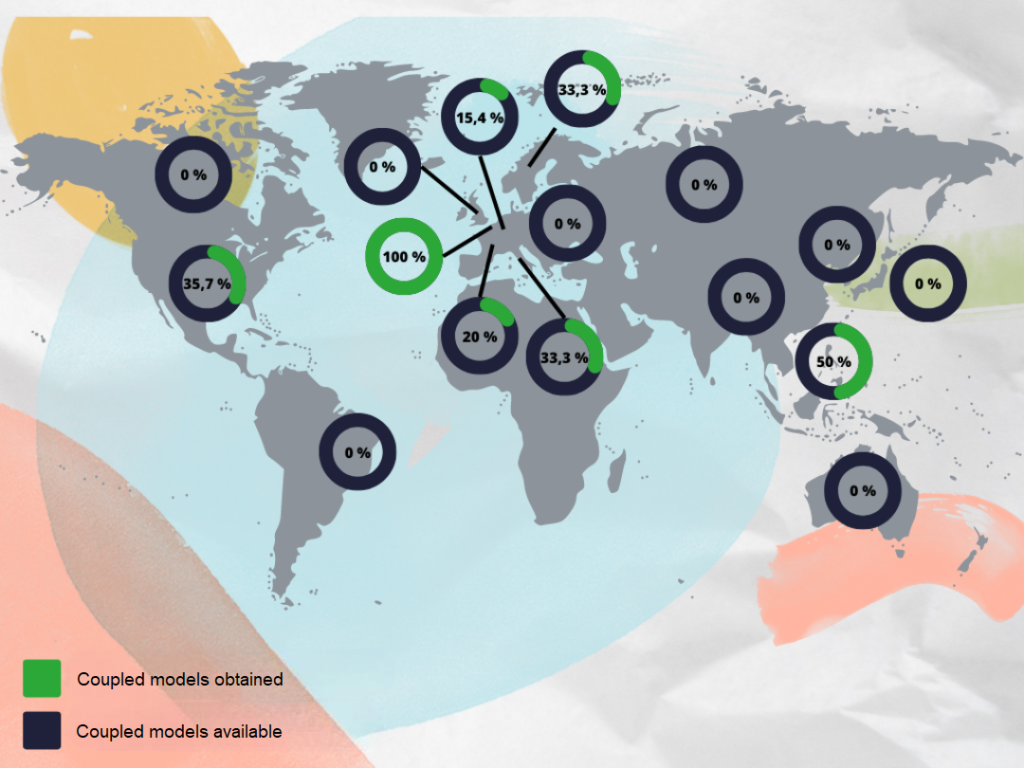
Climate models help us understand how the climate system works, project future climate change, and provide evidence that supports international assessments such as exposed on the IPCC. At this point, there is a fundamental question that is rarely discussed and solved: Can we access and reproduce the climate models used throughout the history of the …[Read More]
70 years of tech: Does it serve science or separate us from it? My take as an EGU media professional
When I joined the European Geosciences Union in 2024 as a media professional, my primary mandate felt straightforward: democratising scientific understanding and building durable, trustworthy bridges that connect scientists, researchers, journalists, and public communicators. Now, in my third year at EGU, I find myself looking out over our scientific community with a mixture of reverence …[Read More]
eDNA4Hydrology
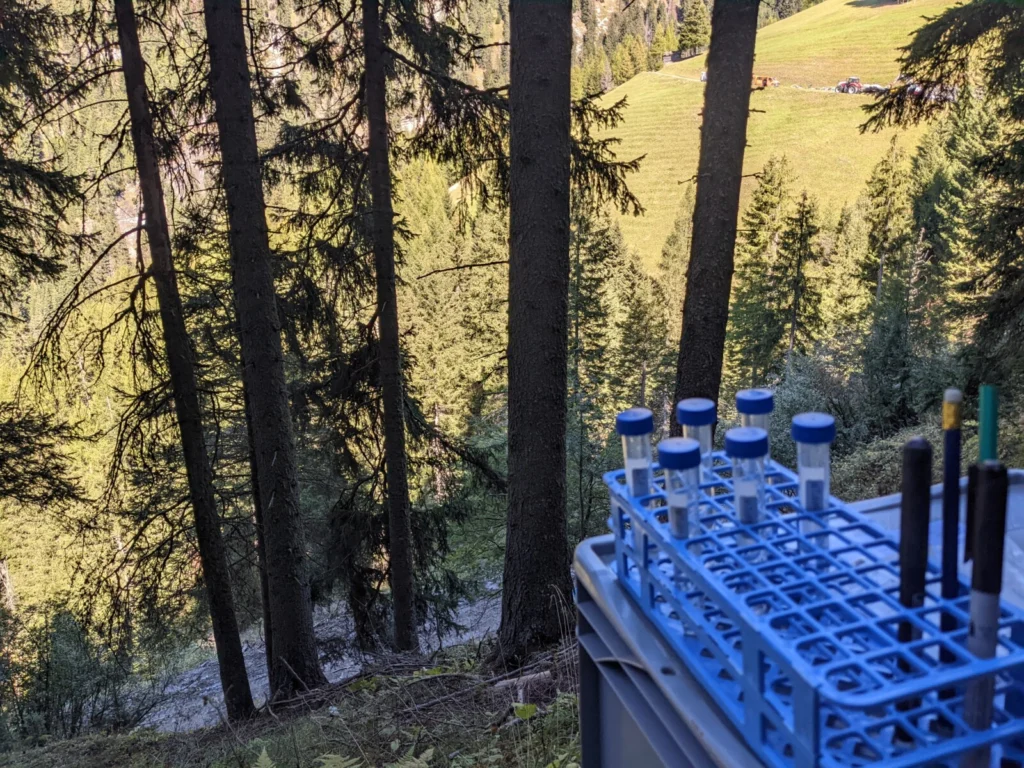
What flows around comes around For centuries, hydrologists have studied the flow of water through landscapes near and far. We measured flow rates, mapped aquifers and followed invisible paths of raindrops through soil and bedrock. Hydrology is a meticulous, beautiful science that has taught us much over the years. From the water cycle, surface water …[Read More]
GeoRoundup: the highlights of EGU Journals published during August!
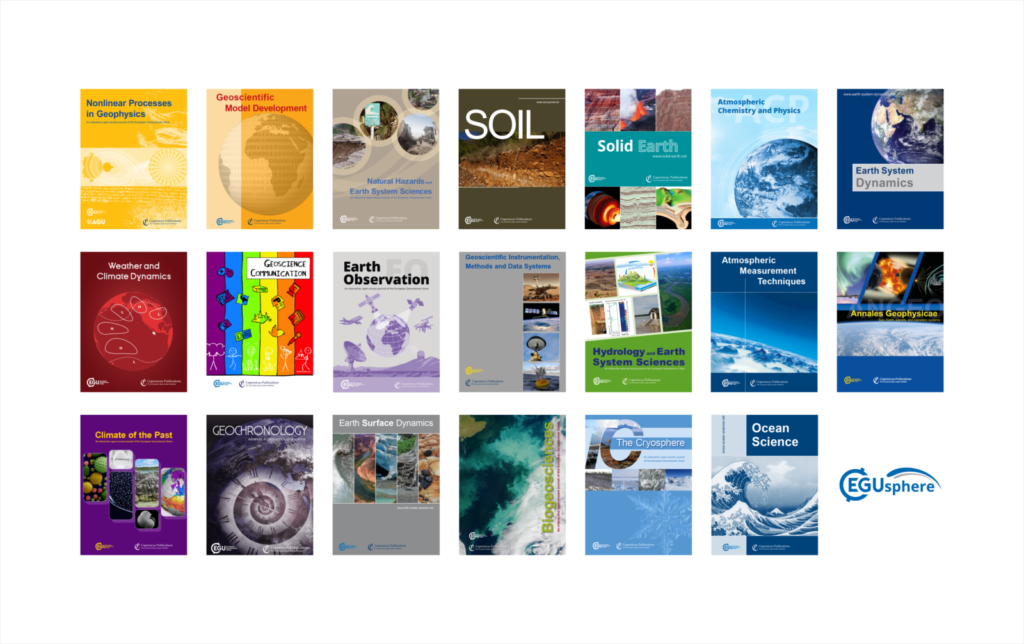
Each month we feature specific Divisions of EGU and during the monthly GeoRoundup we put the journals that publish science from those Divisions at the top of the Highlights section. For August, we are featuring the Natural Hazards (NH), Geochemistry, Mineralogy, Petrology & Volcanology (GMPV), and Geodesy (G). They are represented by the journals Solid Earth (SE), Geoscientific …[Read More]
Communicating uncertainty in science: Student perspectives from the University of Tübingen
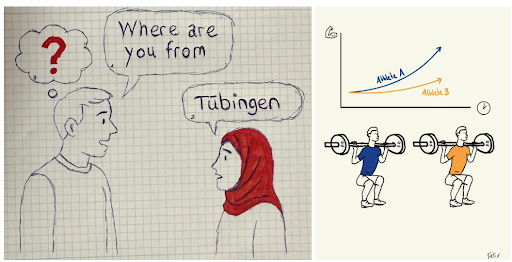
Welcome to a new series on GeoLog dedicated to one of the most critical yet frequently misunderstood aspects of research: Communicating uncertainty in science. Over the coming months, we will feature six guest posts written by students from a summer course at the University of Tübingen. Bringing together 13 students across diverse disciplines, the course …[Read More]
EGU Campfire Geodesy – Share Your Research – 22nd Edition
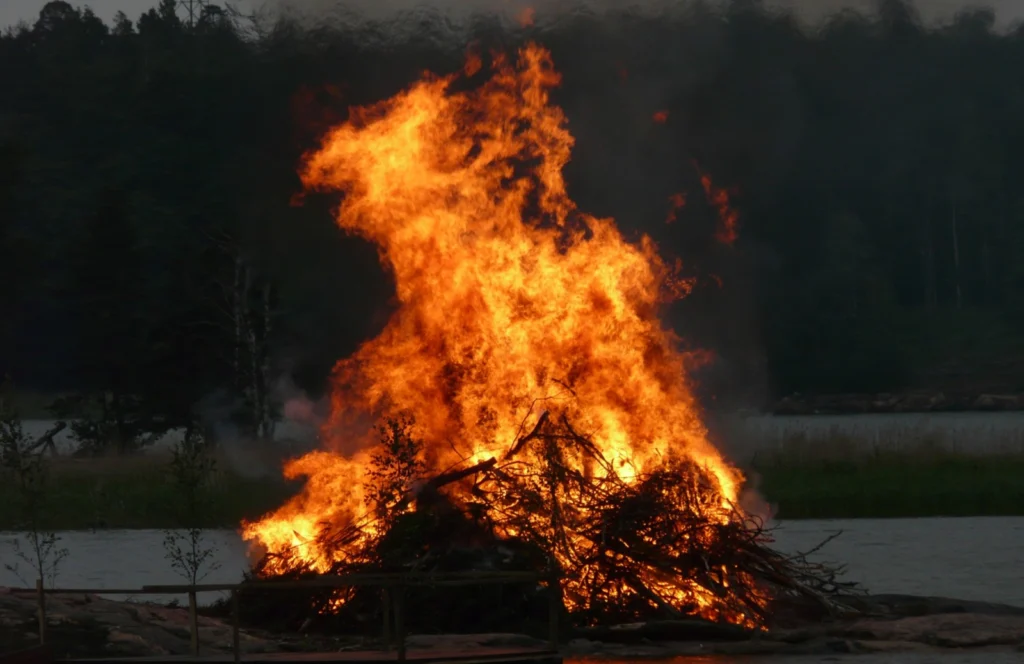
We are excited to announce the 22nd edition of Geodesy Campfire – Share Your Research in September. The Geodesy EGU Campfire Events “Share Your Research” give (early career) researchers the chance to talk about their work. We have two exciting talks by our guest speakers, Brian Bramanto and Arash Tayfehrostami. Below, you can find the …[Read More]
From under Lake Nyos: The geology, physics, and engineering of limnic eruptions
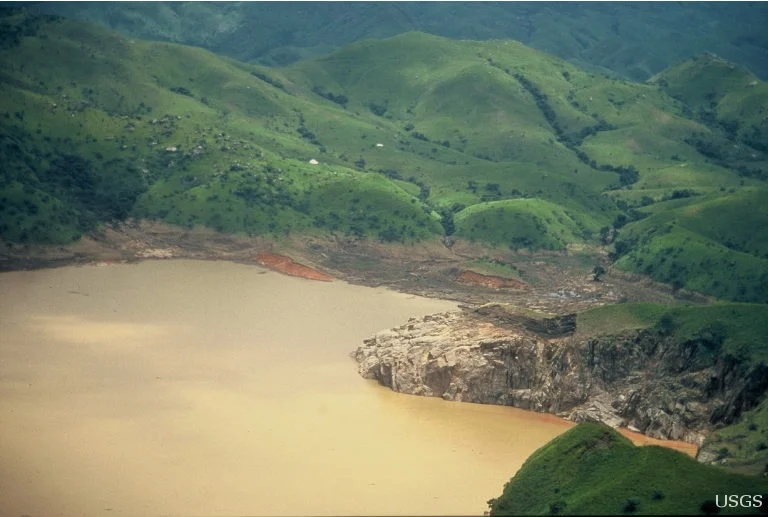
On the evening of August 21, 1986, an unusual stillness blanketed the green highlands of northwestern Cameroon. The local villagers in Nyos, Cha, and Subum were preparing for bed, totally unaware that the crater lake nearby had reached its breaking point. Without warning, a wave of gas burst from the lake and spilled over the …[Read More]
A paper that shaped my career – Tim Eglinton on Hayes et al., 1990
In this series, we ask senior researchers to reflect on how a paper or a series of contributions influenced their thinking and led to a change in their research direction and career. Our first reflection comes from Prof. Tim Eglinton, who was professor of Biogeoscience at the Department of Earth and Planetary Sciences of ETH …[Read More]