
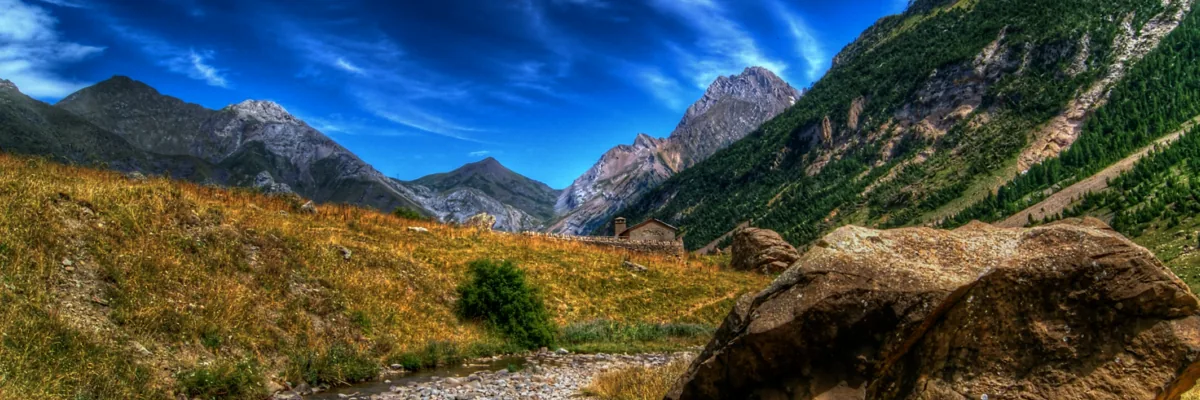
After the Nile, the Amazon River is the second longest river in the world and, by releasing up to 300,000 cubic metres per second into the Atlantic Ocean, accounts for approximately one-fifth of the planet’s total river flow. The river and its tributaries are characterised by extensive annual flooding of over 350,000 square kilometres of …[Read More]
6015 search results for "6"
If you didn't find what you were looking for, try searching again.
Guest Blog: Can Humans Make the Earth Shake?
Robin Wylie studied geophysics at the University of Edinburgh, and then spent some time working at a volcanic observatory in Hawaii before starting his Master’s in Earth and Atmospheric Physics at the University of Leeds. Robin is now doing a PhD at University College London, looking at magma chamber processes at Mt Etna, Sicily. This is …[Read More]
A story of Spitfires? Archaeological geophysics in Burma (Part 3)
Buried beneath the soils of Burma lies a mystery that has been almost 70 years in the making: were a shipment of Spitfire aircraft concealed beneath a British airbase at the end of the Second World War? Dr Adam Booth, a geophysicist at Imperial College London and regular GeoLog contributor, is part of an archaeological …[Read More]
Imaggeo on Mondays: Storm in Mount Waddington
This week’s Imaggeo on Mondays is brought to you by the photographer herself, Marion Bisiaux (now at Stendhal University, Grenoble, France), who tells us about her exciting field trip to the British Columbia’s Coast Range. This picture was taken during the Waddington Range Ice Core Project in which I participated during my PhD at the …[Read More]
Natural Resources: our Responsibility?
Last week I discussed the inherent problems associated with the extraction industry. Now I ask, do companies and governments play a role in exacerbating these problems? Although I manage the GfGD blog, in this instance I am blogging in a personal capacity, and the views expressed are my own, and not policy positions of GfGD as …[Read More]
Field report: Pumice
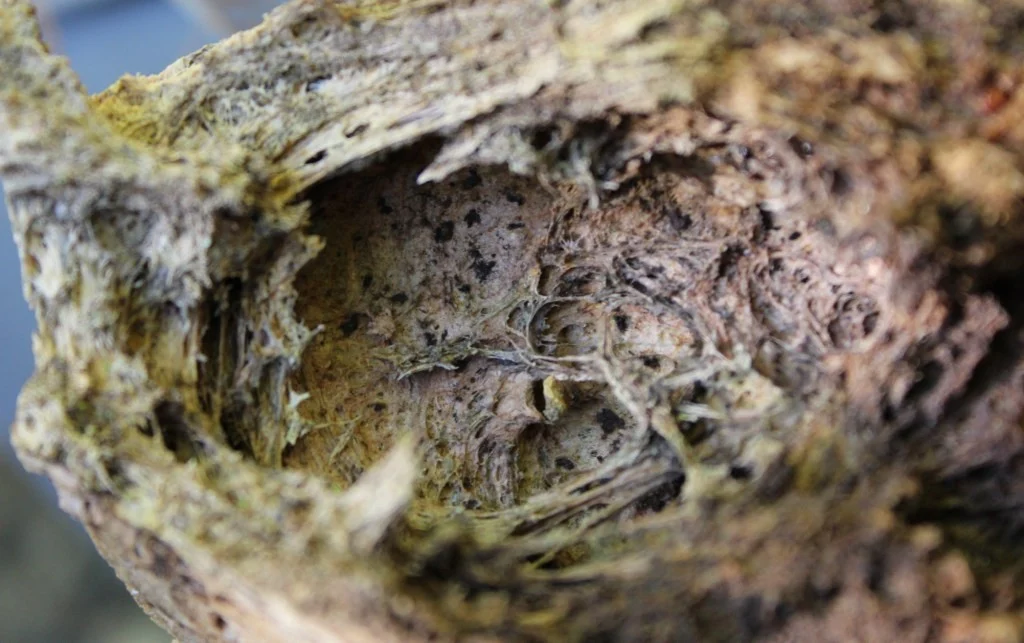
One of the most rewarding parts of fieldwork on volcanoes is when the parts start to fit together, and hunches turn into firmer ideas. When piecing together ancient volcanic eruptions, the process often starts with the discovery of the trace of a new deposit in a road cut section. This might be something as simple …[Read More]
Geosciences Column: Spotting signs of sea-quakes
A French and Algerian study team seeks markers of underwater earthquakes off the Algerian coast. The team also matched the site’s paleoseismic history to land-based historical reports. Wayne Deeker reports. The Mediterranean Sea represents the boundary between the African and Eurasian plates. Yet the fault segment off the Algerian coast is one of the most …[Read More]
Plan of action!
Crikey, it’s been 3 months already?! *panics* At Imperial College, new PhD students have to produce an initial plan of study within the first three months of setting off, and submit it for independent assessment. Having uploaded mine just now (not in the slightest bit late..), I figured I’d share it here! It’s a broad …[Read More]
Field report: beware of the sealions
Beware of the sealions (‘cuidado lobos marinos’) declares the sign at Valdivia fish market, which stretches along the docks in this southern Chilean city. And it’s no joke either, as a large clan of these creatures has set up stall in the estuary beneath the fish market, ready to feast on the daily pickings cast …[Read More]
Conference: Geophysics in Future Energy Challenges
The British Geophysical Association is hosting a two day conference on the 14th and 15th of February, 2013. The focus of the conference will be the use of geophysics in future energy challenges. Novel geophysical techniques will be needed to maximise output from conventional reserves and safely explore unconventional reserves. Once the deep reserves are …[Read More]