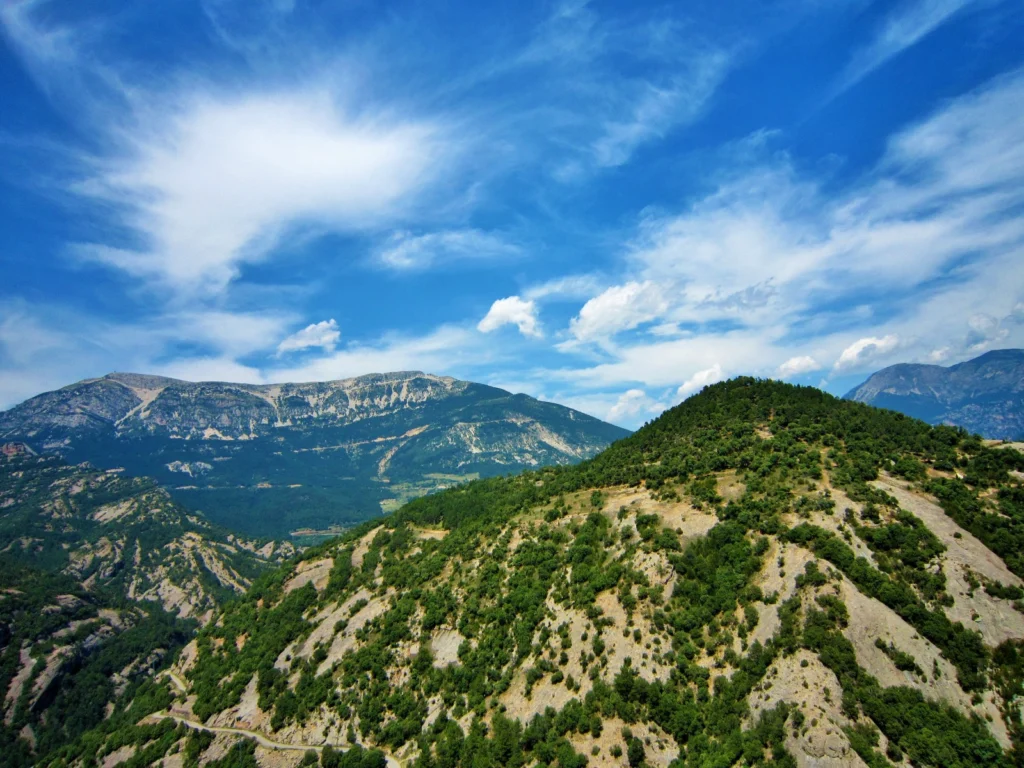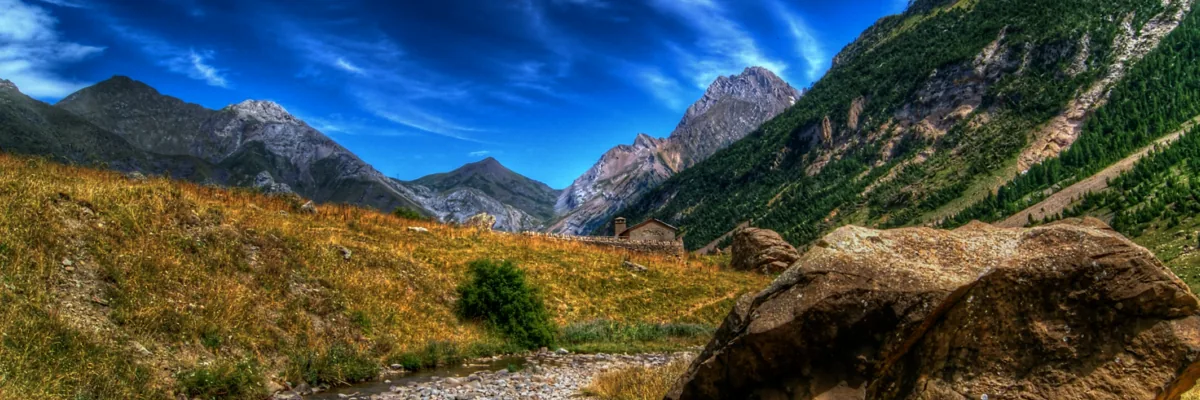
From the easterly Atlantic waters of the Bay of Biscay to the Catalan wild coast (Costa Brava) in the west, the Spanish Pyrenees stretch 430 km across the north of the country. At the foothills of the Catalan Pyrenees you’ll find the Pre-Pyrenees. Despite not reaching the soaring heights of the peaks of the Pyrenees, …[Read More]
6025 search results for "6"
If you didn't find what you were looking for, try searching again.
Dinosaur Britain airs tonight!
A fantastic new series on Dinosaurs of the British Isles airs tonight on ITV! It stars Dean Lomax, a professional palaeontologist based pretty much everywhere in the UK. It seems to be based off a book of his, published via Siri Press. I’ve seen a copy, and it’s pretty much the best illustrated guides to …[Read More]
Living with water: A closer look at deltas
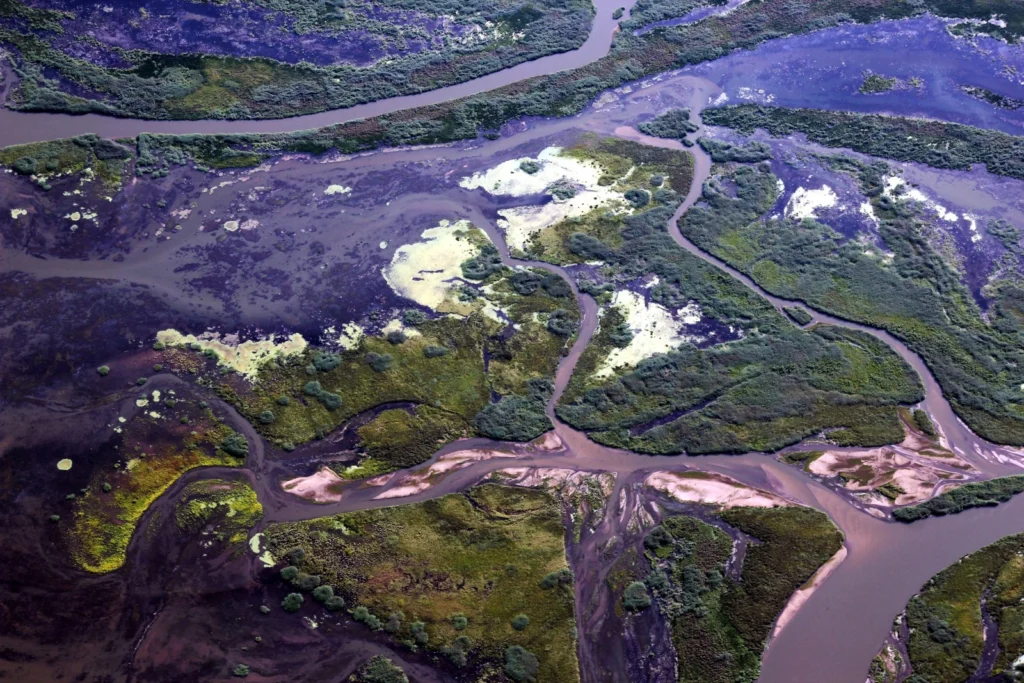
Costal deltas often host large cities due to their prime location of where rivers meet the sea. In many cases these areas have been protected from rising sea levels and flooding rivers by engineered ‘gray’ infrastructure. However, this infrastructure appears to only protect these cities on short timescales. Engineered deltas contribute to relative sea level …[Read More]
GeoEd: A Framework Too Far?
In this month’s edition of GeoEd, Sam Illingworth, former ECS PC representative and Lecturer of Science Communication at Manchester Metropolitan University, talks about a new framework introduced by the UK government to measure the quality of teaching at higher education institutions. Although Sam explores the issue from a UK perspective, there is no doubt cross …[Read More]
Living with water: Water management infrastructure
Keeping water out is only half of the battle. Making water available to communities is the other half of the battle. Engineered structures have the ability to do both, dams and dikes can keep flood waters out and they can also divert water to large metropolises and irrigate agricultural lands. But even countries like The …[Read More]
Welcome to guest blogger Dr. Sabine Lengger!
Hi readers of “Green tea and Velociraptors”, my name is Sabine Lengger, I am a scientist, and I am an avid reader of Jon’s blog too. I started out my scientific career as a chemist / biochemist, and became more and more fascinated by the fields of environmental chemistry and molecular palaeontology. Since Jon spends …[Read More]
Join the EGU Blog Network!
After announcing earlier this week that we are sadly saying goodbye to the EGU network blog Between a Rock and Hard Place, the time has come to find a new blog to take their place. If you are an Earth, planetary or space researcher (a PhD student, an early career scientist, or a more established …[Read More]
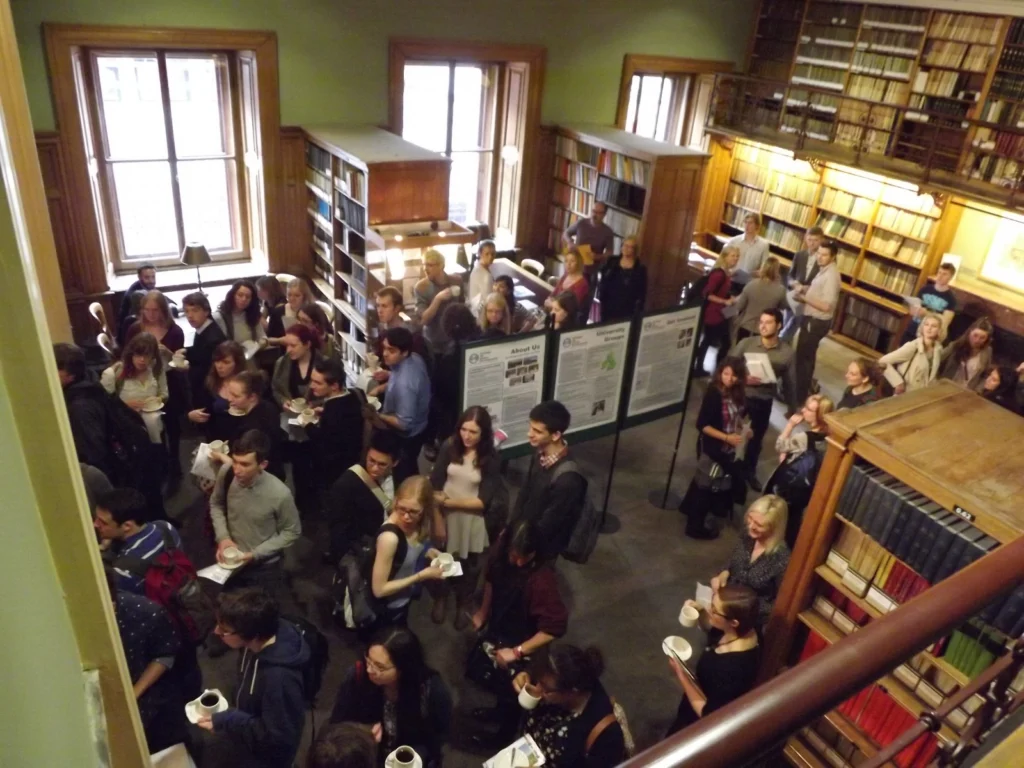
GfGD Annual Conference 2015 – Speaker Introductions (Session 1)
Our 3rd Annual Conference, with the theme Fighting Global Poverty – Geology and the Sustainable Development Goals (SDGs) takes place on Friday 30th October, hosted by the Geological Society of London. Here we will be introducing some of the speakers, starting with Session 1 (DFID, Science and the SDGs)… Professor Tim Wheeler (Deputy Chief Scientific Adviser, Department …[Read More]
Lizard lizard on the wall
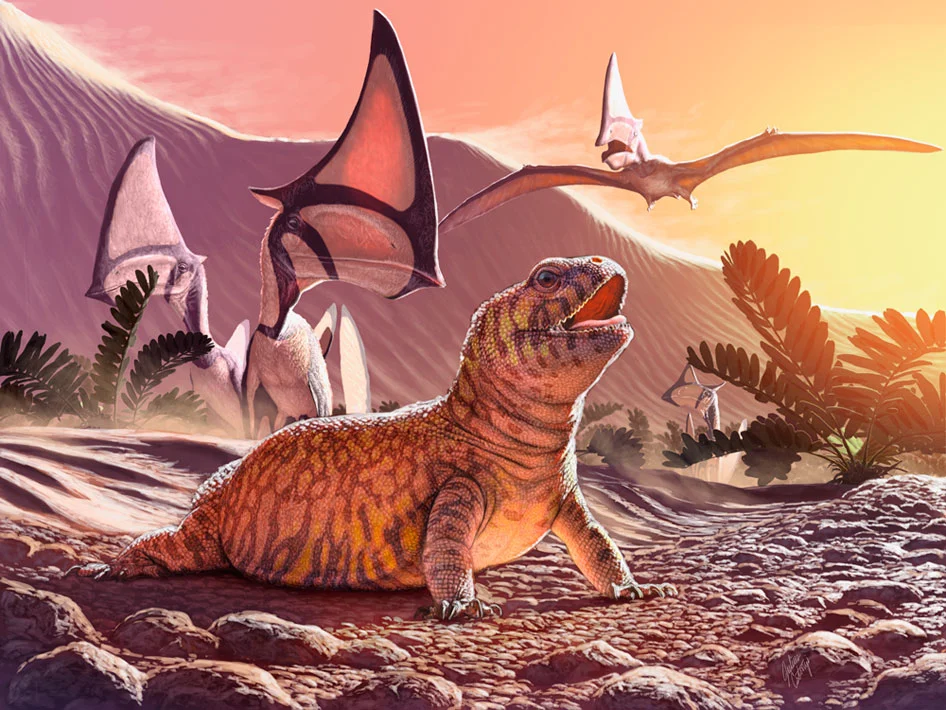
When you think about fossils, lizards might be not be one of the first groups that springs to mind. However, they do have a pretty neat fossil record, stretching back over 150 million years. One group of lizards, iguanians, are still around today and comprises about 1700 different species! One sub-group of these iguanians, acrodonts, …[Read More]
Words on Wednesday: Using historical hydrology to lengthen flood records of rare and extreme events
Words on Wednesday aims at promoting interesting/fun/exciting publications on topics related to Energy, Resources and the Environment. If you would like to be featured on WoW, please send us a link of the paper, or your own post, at ERE.Matters@gmail.com. *** Benito, G., Brázdil, R., Herget, J., and Machado, M. J.: Quantitative historical hydrology in Europe, Hydrol. Earth Syst. Sci., 19, 3517-3539, …[Read More]