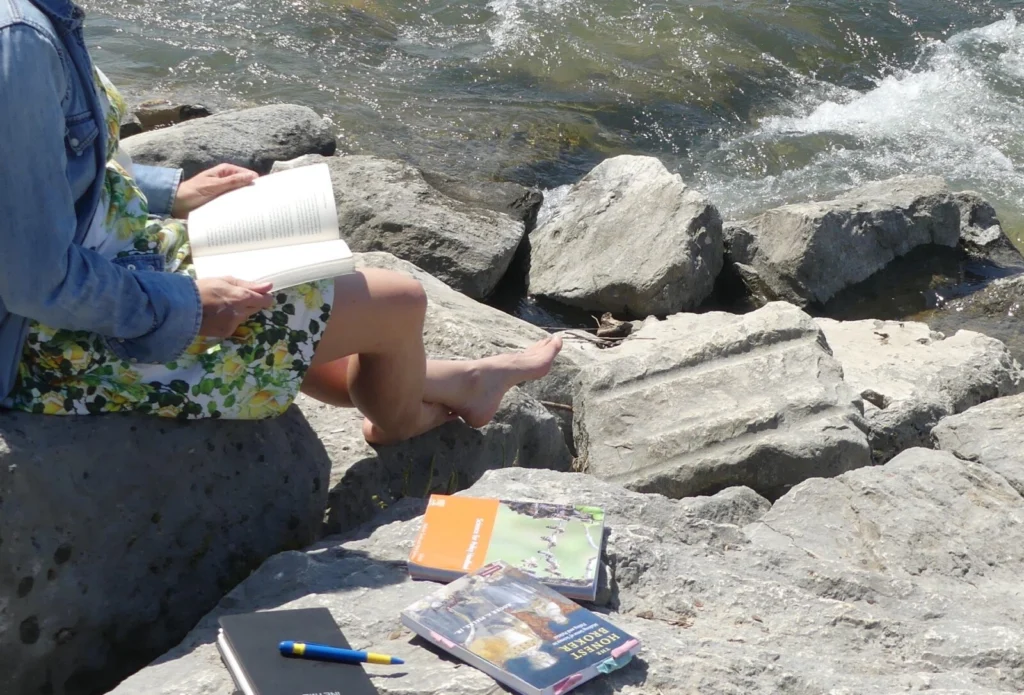
As the days grow warmer and you start to think about your summer holidays or field work, you might also be looking for a book or two to help you unwind! Whether you’re lounging by the pool, enjoying a picnic in the park, or resting after a long day in the field, summer is the …[Read More]
2110 search results for "researcher"
If you didn't find what you were looking for, try searching again.
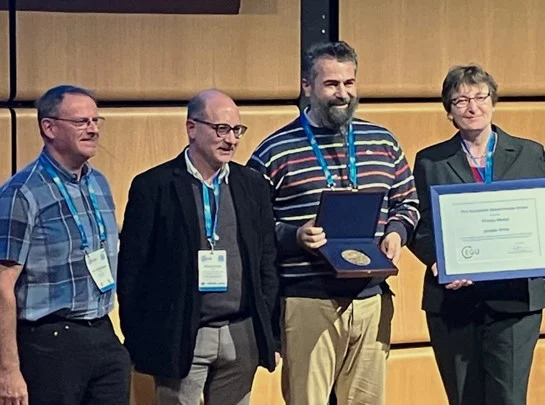
Modern Solutions for Ancient Hazards: Speaking with Jacopo Selva, the 2024 EGU Plinius Medalist
Jacopo Selva is an associate professor at the University of Naples Federico II, Italy, and a former researcher at the Istituto Nazionale di Geofisica e Vulcanologia (INGV), Italy. His research on seismic, volcanic, and tsunami hazards has been instrumental in advancing our understanding of these natural phenomena, particularly by developing probabilistic methods for hazard assessment …[Read More]
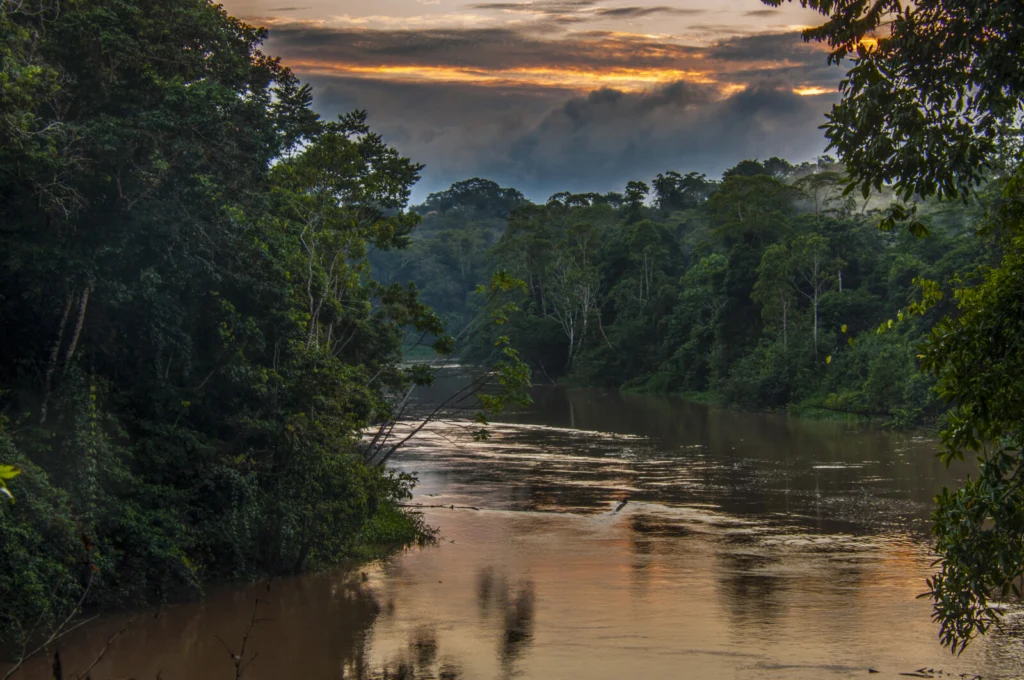
Tropical rainforest, the lungs of our planet, might be releasing more than just CO2!
When I was thirteen years old, my family and I almost lost our lives due to a carbon monoxide (CO) leak. I never stopped thinking about that incident even though it happened over twenty years ago. Not only because it was a premature realisation of my own mortality, but also because of how sneaky it …[Read More]
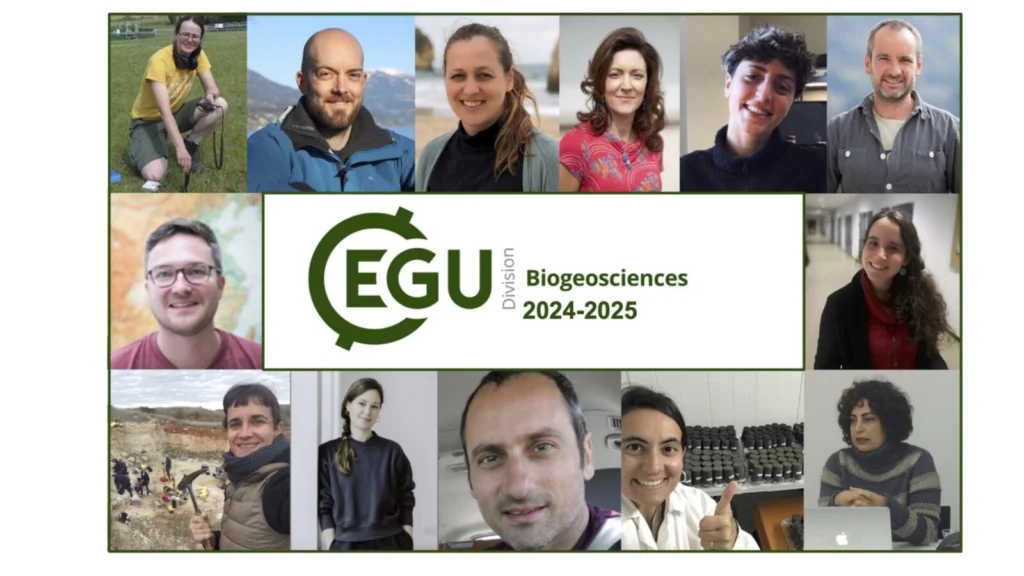
Meet your BG team 2024/2025
The Biogeoscience division team has changed over the last year, and in this blog post, we are delighted to introduce our new team of representatives and describe their roles and research interests so that you can get to know them better. Our division is led by a President and Deputy President, supported by two Early …[Read More]
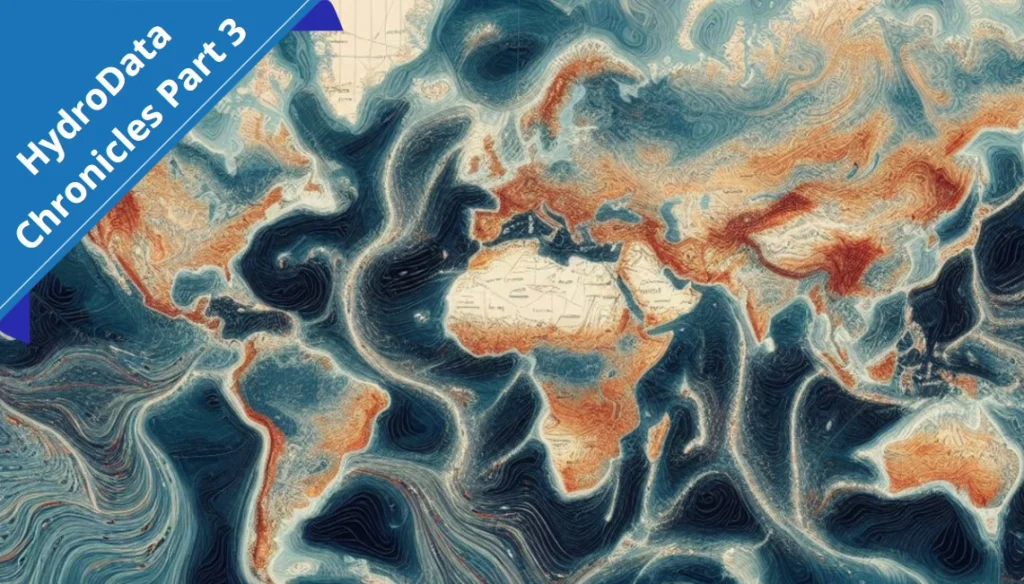
HydroData Chronicles: Piecing Together Italy’s Hydrological Puzzle with FOCA
Welcome back to the HydroData Chronicles! In our previous post, we explored the innovative pRecipe package developed by Mijael Rodrigo Vargas Godoy and Yannis Markonis in 2023 and its impact on precipitation research. Today, we shift our focus to Italy with the introduction of the Italian FlOod and Catchment Atlas (FOCA) database, introduced in 2023 …[Read More]
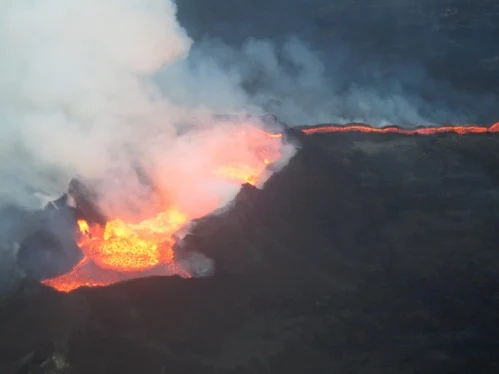
An Arctic enigma: Can a single plume explain a massive and long-lived ancient volcanic eruption?
Across the Arctic lies evidence for a massive past volcanic event, called the High Arctic Large Igneous Province (HALIP). This ancient volcanic event is particularly unusual in that it appears to have lasted for over 50 million years. Could a single deep-seated mantle plume cause such wide-spread and long-lived volcanism? In a recent study …[Read More]
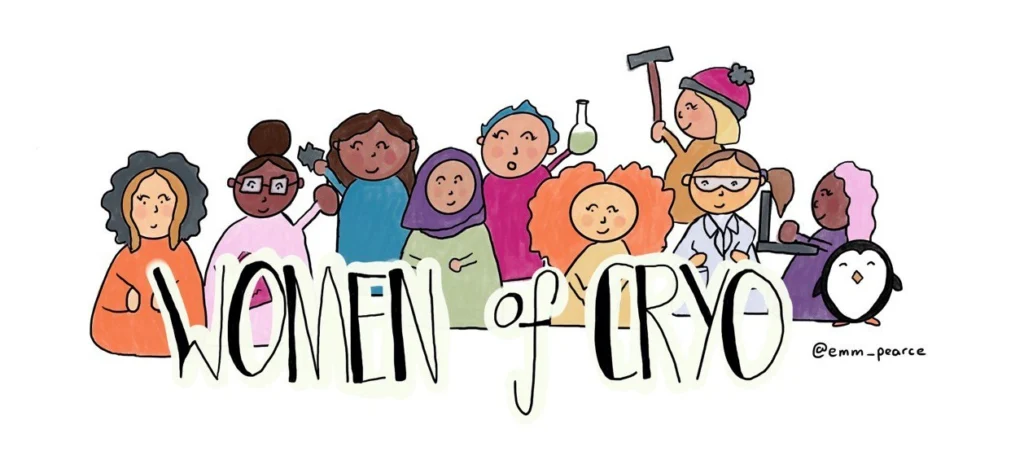
Women of Cryo VII: Making Fieldwork More Inclusive
Women make up 50.8% of the world’s population, yet fewer than 30% of the world’s researchers are women. Of this percentage, women of colour comprise around 5%, with less than 1% represented in geoscience faculty positions. Women are published less, paid less, and do not progress as far in their careers as men. Even within our EGU community, women account …[Read More]
Ocean hypoxia: what does the increase of dead zones mean for marine life?
When runoff from farmland and urban areas enters our streams and rivers, it carries a heavy load of fertilizers and nutrients. These substances accumulate and flow into our coastal oceans, triggering a series of reactions that can create hypoxic ‘dead zones’. Dead zones are low-oxygen, or hypoxic, areas in the world’s oceans and lakes. Because …[Read More]
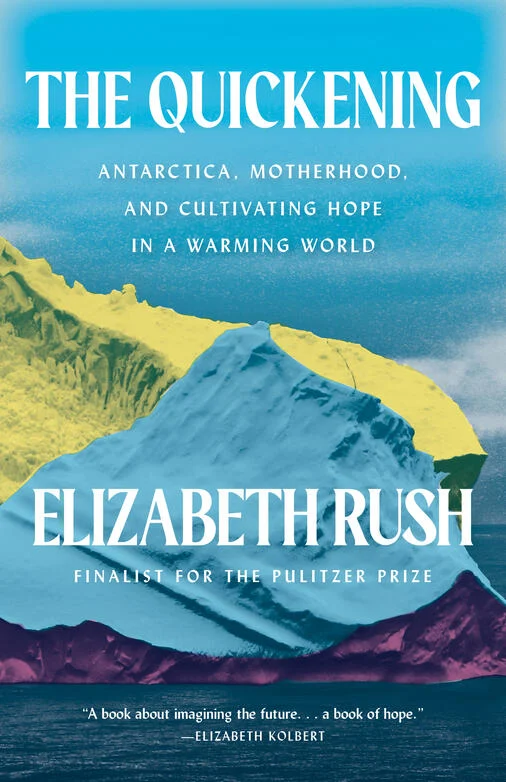
Cryobook review: The Quickening
Even before its publication, my partner stumbled over the book The Quickening by Elizabeth Rush on Twitter and send it to me. In this book, Rush describes her journey to Thwaites Glacier and – as I was very curious about it – I bought it immediately after its release. It is not only documentary work …[Read More]
Lights, Camera, Abstract!: Your guide to creating a top-notch video abstract
Have you ever considered creating a video abstract but didn’t know where to begin or felt you lacked the skills to produce something of the quality you envisioned? Join me today as I welcome EGU’s editorial manager, Eduardo Queiroz Alves, who will address common questions and guide you through the process. Hello, Eduardo! Thank you …[Read More]