Detail of a photo: Large angular boulder beside a shallow pebbly stream in a grassy mountain valley, below steep forested slopes and rocky peaks under a dramatic blue sky, in heavily processed colours.
EGU Blogs

282 search results for "women in science"

It’s more than just a date: Unpacking the importance of the International Day of LGBTQIA+ in STEM – Perspectives of a queer woman in science

It’s more than just a date: Unpacking the importance of the International Day of LGBTQIA+ in STEM – Perspectives of a queer woman in science
We cannot solve the world’s most complex problems, from climate change to curing disease, if scientists must leave parts of themselves at the laboratory door. This is a reality that we must acknowledge in Science, Technology, Engineering, and Mathematics (STEM). The demand for conformity, the fear of judgment, and the reality of discrimination act as …[Read More]

HS

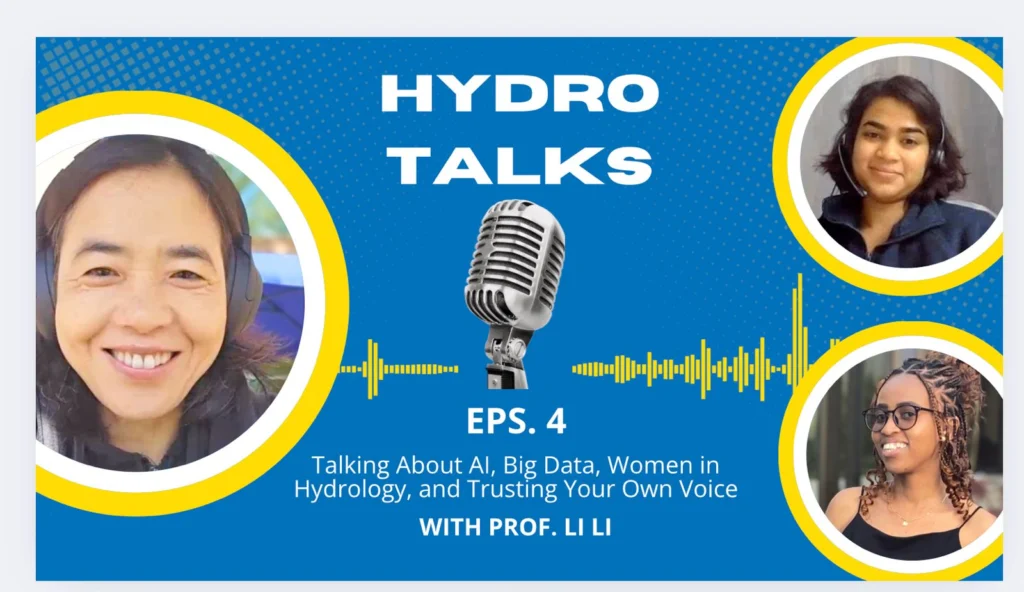
HydroTalks Podcast: Professor Li Li on data and models, water chemistry, climate change and science communication

HydroTalks Podcast: Professor Li Li on data and models, water chemistry, climate change and science communication

Welcome to HydroTalks, the EGU HS division’s podcast series. In this episode, we interviewed Prof. Li Li (Li Li – Penn State), leader of the Li Reactive Water group at Penn State University. We talked about her research on using data and models for hydro-biogeochemical processes, river water quality, climate change, and research communication. Her …[Read More]

HS

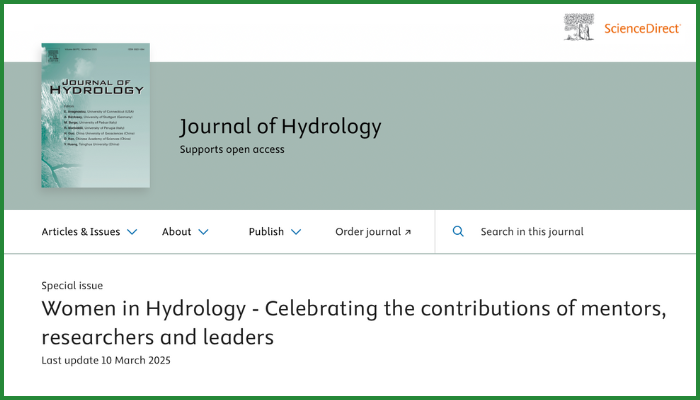
Women in Hydrology – The Story of a Special Issue

Women in Hydrology – The Story of a Special Issue

It was 2021, and we were not feeling good.  COVID-19 was in full force.  Personally we were experiencing lockdown conditions, disruptions to our work, schooling and childcare arrangements.  Our social media feeds were lighting up with stories about how women scientists were disproportionately exposed to the negative career impacts of the pandemic.  The US was …[Read More]

Pride Month: support your LGBTQ+ colleagues in science

Pride Month: support your LGBTQ+ colleagues in science

Imagine this: you are at work, casually discussing your weekend plans with colleagues. One is planning a hike with her husband. Another jokes about meeting his girlfriend’s parents for dinner, nerves barely concealed. Then you mention a date night with your partner. The conversation halts. The atmosphere becomes taut. One of your colleagues makes a …[Read More]

GD

Balancing pregnancy, family, and a scientific career: a look at the challenges faced by women in STEAM

Balancing pregnancy, family, and a scientific career: a look at the challenges faced by women in STEAM

In this week’s blog post, Dr. Katherine Villavicencio (University of Pisa) explores how women in STEAM navigate pregnancy and family life while advancing in their careers and examines the support (or lack thereof) provided by academic and research institutions. Science, Technology, Engineering, Arts, and Mathematics (STEAM) careers are undoubtedly demanding. For women in these fields, …[Read More]

GD

Into the world of Girls into Geoscience: inspiring the future generation of female geoscientists

Into the world of Girls into Geoscience: inspiring the future generation of female geoscientists

“Girls into Geoscience” is a UK-based outreach initiative aiming at encouraging female (and female identifying and non-binary) to pursue a career in Geosciences. I had the pleasure to interview the founders of this initiative, Prof. Sarah Boulton and Dr. Jodie Fisher, and discuss about their experiences, how the landscape of student recruitment has changed over …[Read More]

Holding it in (the learning, not the pee) – The gendered importance of toilet breaks for geoscience students during field-courses

Holding it in (the learning, not the pee) – The gendered importance of toilet  breaks for geoscience students during field-courses

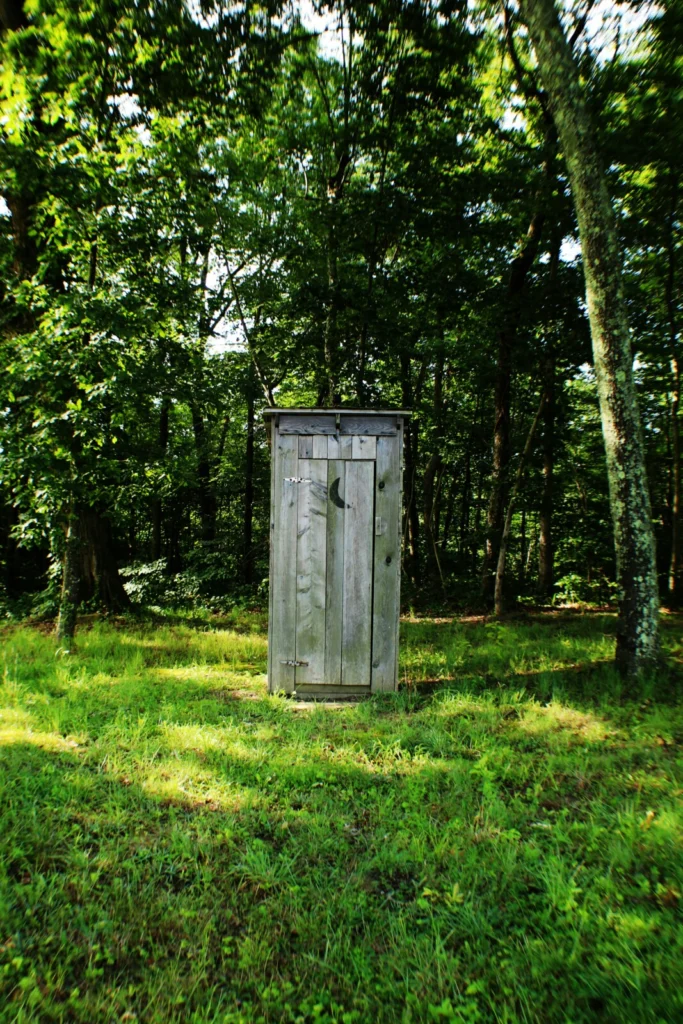
Field-based teaching is a cornerstone of geoscience education. Concepts such as scale, complexity, spatial awareness, 3D geometries, methods, skills, and techniques are inherently difficult to teach from a lecture theatre. However, achieving the benefits of field-based teaching might require a learning module not always considered as a prerequisite: planning and providing information about bathroom breaks. …[Read More]