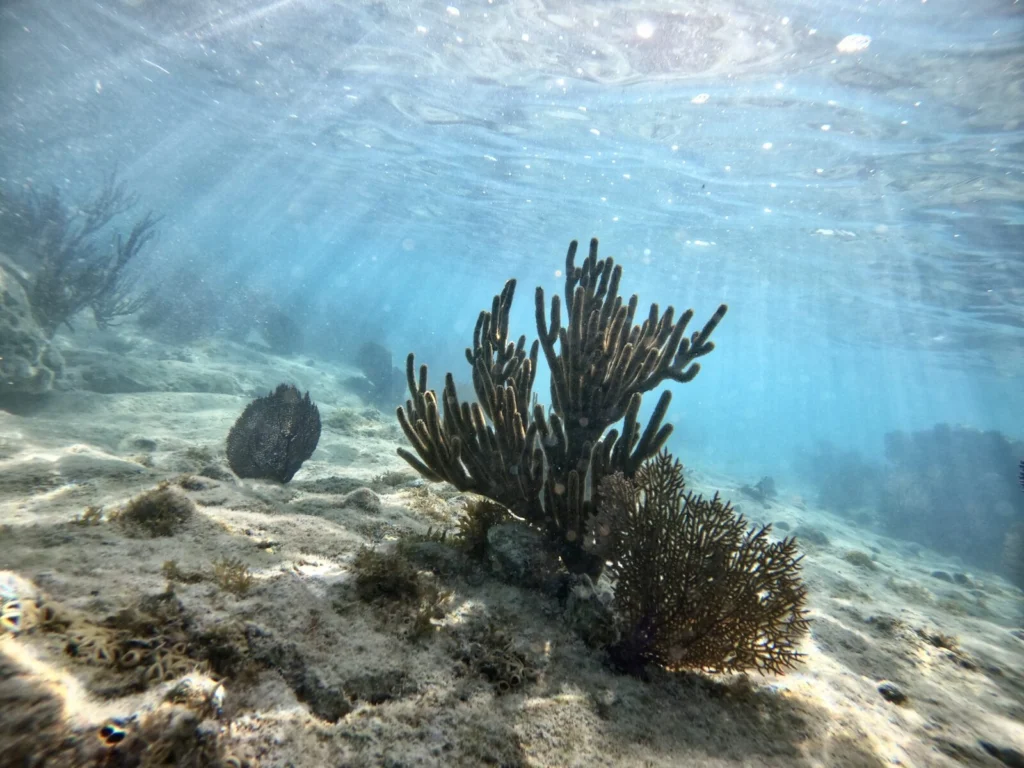
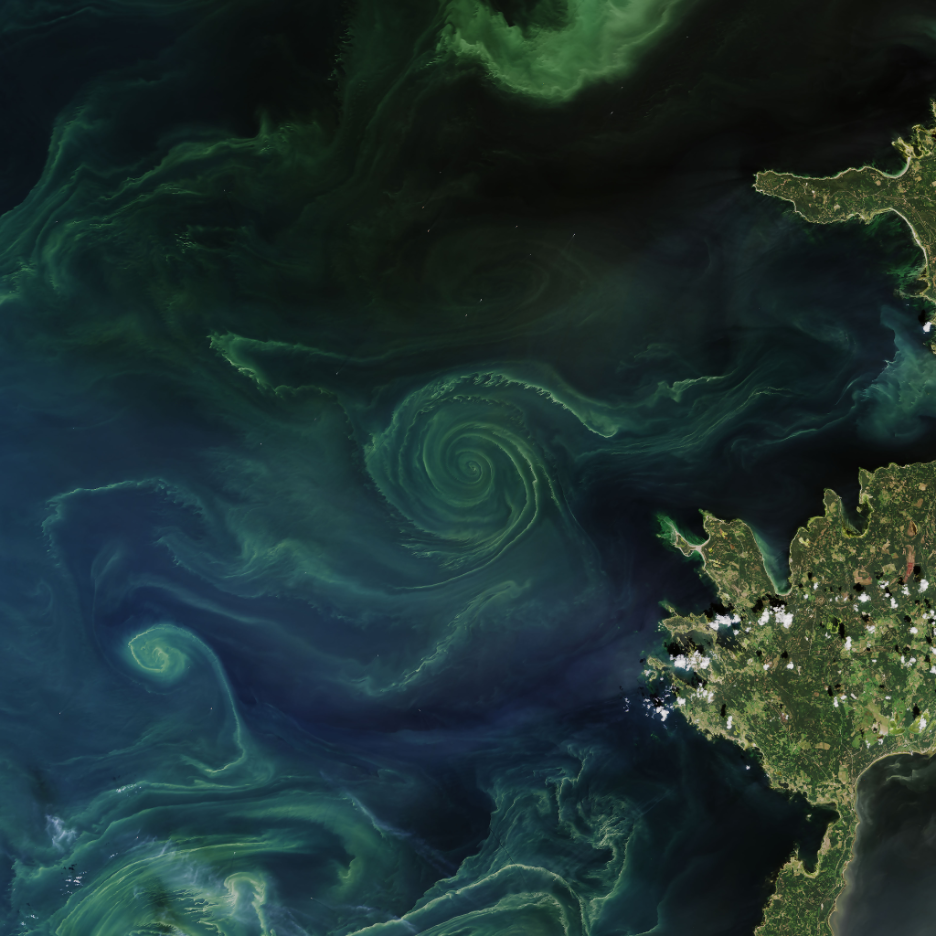
Some humans are racing to map the moon, Mars, and the stars, yet the very ground beneath our oceans remains largely unknown. What does it say about us, that we can chart the craters of distant planets before we bother to understand the seafloor that feeds us, cools us, and regulates our climate? In an …[Read More]
2110 search results for "researcher"
If you didn't find what you were looking for, try searching again.
Surf’s up and so are marine heatwaves! How AI is forewarning the Mediterranean’s ocean sizzle
Imagine you’re standing on a rocky Mediterranean shore, early morning sun warming the air, the sea is calm and glassy. But away from sight and beneath that serene surface, there is a silent storm brewing. Marine heatwaves are sweeping across the basin, warming the water in ways that disrupt ecosystems, hit fisheries, and threaten everything …[Read More]
Queer Quarterly: LGBTQIA+ Inclusion during fieldwork
It’s pride month and we are delighted to feature a post on queer inclusion in fieldwork written by members of EGU’s pride group. Queer Quarterly is the blog series of the EGU pride group, an LGBTQIA+ team of geoscientists engaged to uphold and improve the rights of the community at EGU. This quarterly post is …[Read More]
Pride Month: support your LGBTQ+ colleagues in science
Imagine this: you are at work, casually discussing your weekend plans with colleagues. One is planning a hike with her husband. Another jokes about meeting his girlfriend’s parents for dinner, nerves barely concealed. Then you mention a date night with your partner. The conversation halts. The atmosphere becomes taut. One of your colleagues makes a …[Read More]
Monitoring the Ocean’s Green Pulse: A New Global Dataset for Phytoplankton Phenology
Phytoplankton are tiny, single-celled organisms mainly found in the ocean’s sunlit surface, where they grow through photosynthesis, forming the marine food web’s base and regulating Earth’s climate by absorbing carbon dioxide. Their seasonal growth cycles—known as “blooms”—drive marine productivity and influence everything from carbon uptake to food security. But how can we track these blooms …[Read More]
A Week to Remember: My EGU 2025 Experience
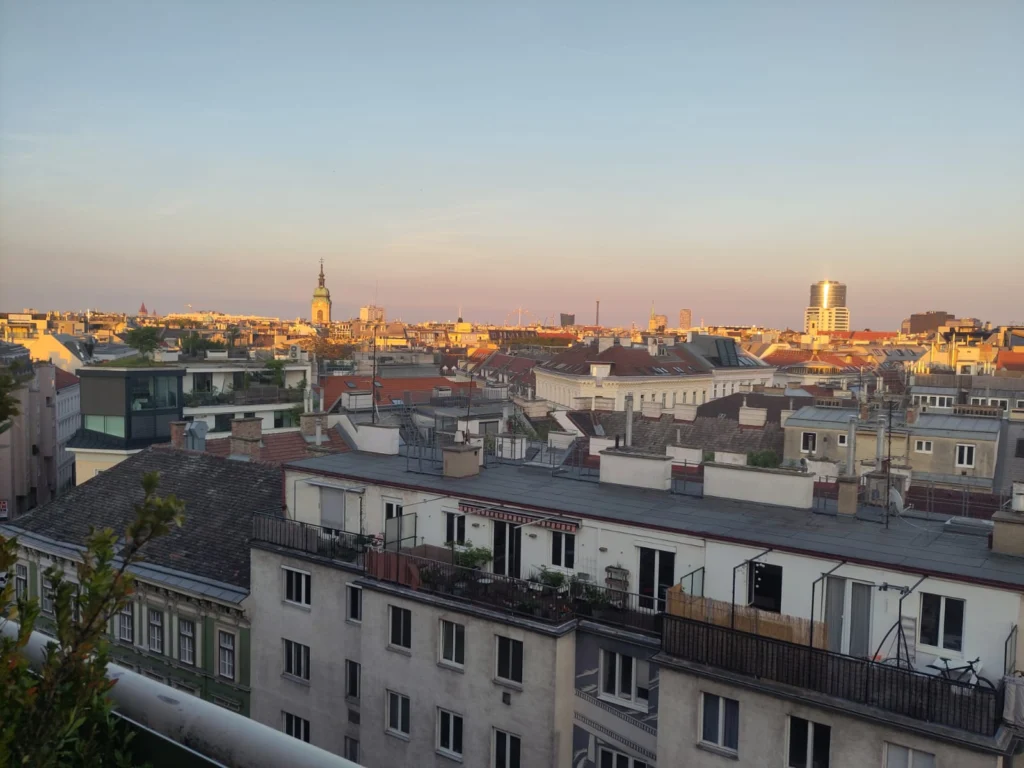
Vienna transformed into a buzzing hub of scientific exchange as the European Geosciences Union (EGU) General Assembly (GA) 2025 took place from 27 April to 2 May. Over 20,000 scientists from 120 countries gathered to share groundbreaking research across the Earth, planetary, and space sciences. Attending the GA for the first time as part of …[Read More]
Shaping the Future of EGU Geodynamics: A Conversation with the Incoming President
Every leadership transition marks the beginning of a new chapter, bringing fresh perspectives, new priorities and opportunities for growth. This year, the EGU Geodynamics Division warmly welcomes Professor Laetitia Le Pourhiet as its new president. A renowned researcher at the Institut Universitaire de France and Sorbonne Université, Prof. Le Pourhiet steps into the role with …[Read More]
Seismology Job & Career Portal
On this page, we regularly update open positions in Seismology for early career scientists. Do you have a job on offer? Contact us at ecs-sm@egu.eu Since now, we also occasionally share information about schools and workshops. Please, note that other available research positions are displayed on the EGU Jobs Portal. We invite you to explore …[Read More]
A Brief Recap of EGU GA25
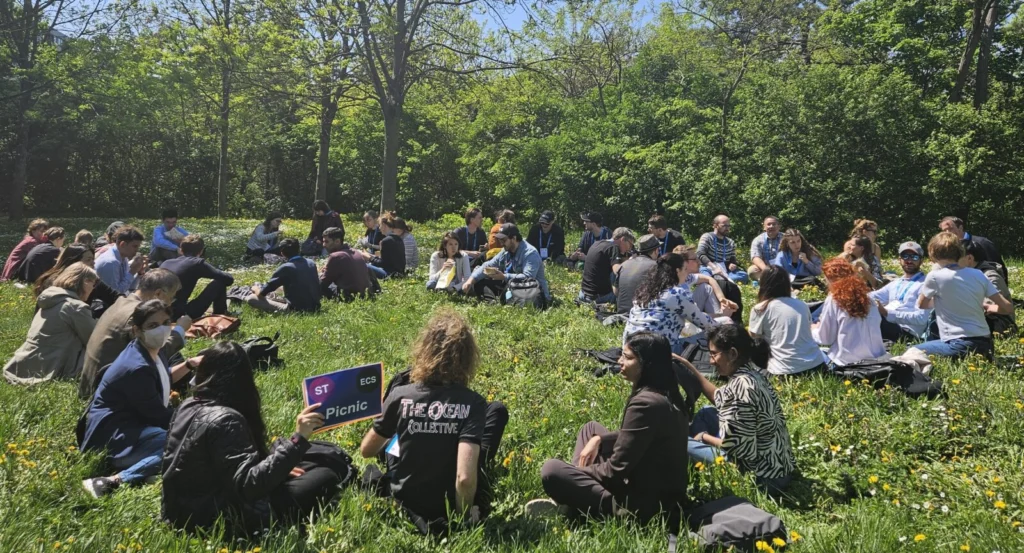
Thank you all for an amazing EGU General Assembly (GA) this year! If you missed EGU25 or some of the events we organised, here’s a recap so you can stop wondering how it went and get an idea of what to expect next year. We started our week with the online division meeting on Wednesday …[Read More]
A Scientific Quest from Australia to Antarctica
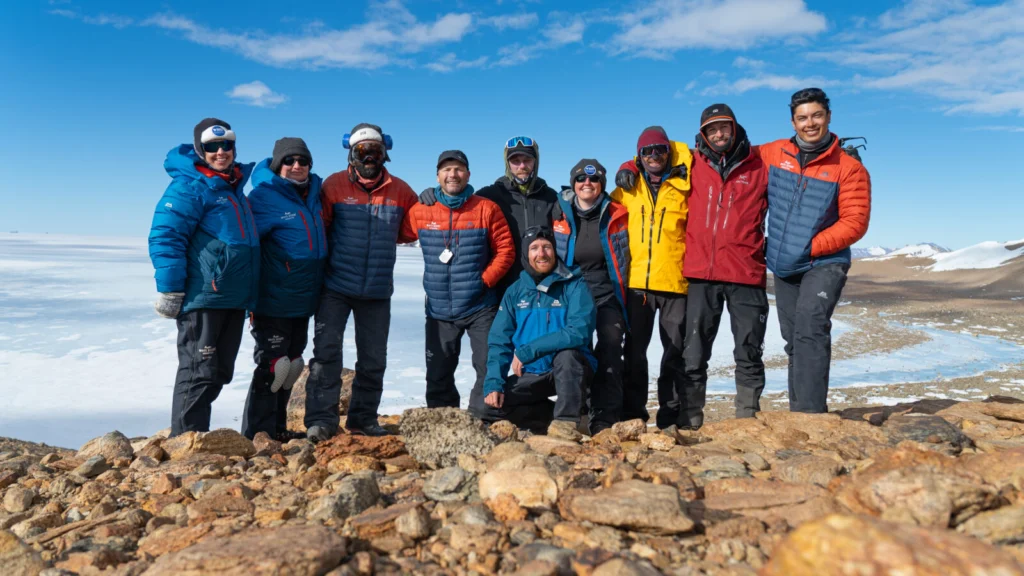
In this week’s blog, Levan Tielidze tells us about his participation in a scientific expedition to Dronning Maud Land, Antarctica, during the 2024–2025 field season. The journey, commencing in Australia and passing through South Africa, led him to the “surreal” and “awe-inspiring” Antarctic landscape. The team, a collaborative effort from Monash University, and the University …[Read More]