
The Seismic Analysis Code (SAC) is one of the most widely used analysis packages for regional and teleseismic seismic data. For the first time, this book provides users at introductory and advanced levels with a complete guide to SAC. It leads new users of SAC through the steps of learning basic commands, describes the SAC …[Read More]
2110 search results for "researcher"
If you didn't find what you were looking for, try searching again.
Seismologists must leave their comfort zone: A Guest post by Steve Hicks
Scientists studying earthquakes should be prepared to put themselves forward to reduce the risk of earthquake damage. This was one conclusion from a meeting of scientists and engineers in London last week. Picture yourself here. You are an earthquake scientist. Years of research conclude that a capital city lies close to active fault that has …[Read More]
Alumnus profile #5 – Dr. Duncan Muir
Dr Duncan Muir Post-doctoral research assistant, Uppsala University PhD title “Investigating Magma Storage Conditions at Uturuncu Volcano, Bolivia”
10 Minute Interview – Finding the right path
It turns out, I’m not so great at keep the promises I make our blog readers… I AM working on the next post for the Making the most of your PhD series. In the mean time, this 10 minute interview actually fits the theme of the Making the most of your PhD series quite well. …[Read More]
Field Research in Guatemala (3) – Environmental Hazards at Lake Atitlan
Today Joel Gill (GfGD Founding Director) continues his live reporting from Guatemala, whilst undertaking interdisciplinary field research relating to natural hazards and disaster risk reduction. This fieldwork forms part of a NERC/ESRC funded PhD, supervised by staff in the Department of Geography at King’s College London. Lake Atitlan is a beautiful location, created by a significant volcanic eruption around 85,000 …[Read More]
Climate and Policy Roundup – January 2014
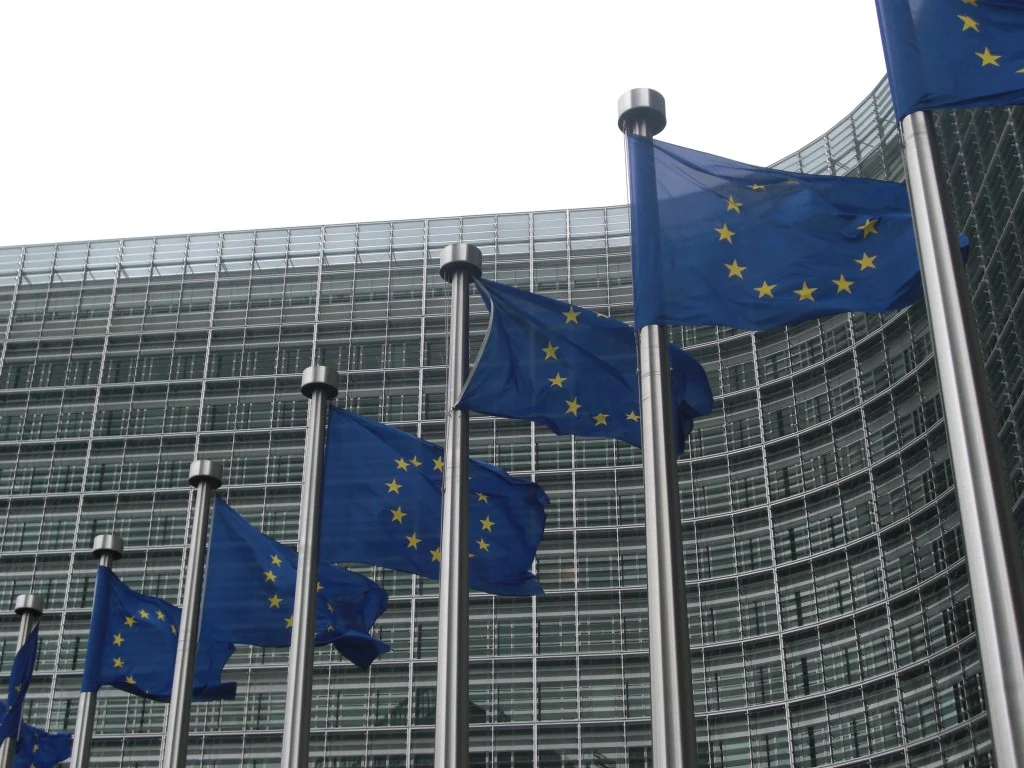
News EU announces climate and energy goals for 2030 The European commission has announced a target to reduce its emissions by 40% by 2030 compared to 1990 levels. It also stated that 27% of total energy production should come from renewable sources. The announcement came on 22 January following intense negotiations between its member states. …[Read More]
Do we need to suffer to succeed?
KT Cooper is a PhD student in the School of Earth Sciences at the University of Bristol. A carbonate geochemist by training, she has just returned from a three-month secondment to Houston, Texas, USA working with Exxon Mobil. Last week the newly formed Bristol Doctoral College hosted a postgraduate seminar entitled “Surviving the stress of a …[Read More]
Making the Most of your PhD – Engage & communicate
As promised, here is the next post in the series I started towards the end of last year: Making the Most of you PhD. This is the third post in the series and I want to cover a subject very close to my heart. (For the previous posts in the series, have a look here …[Read More]
A volcanic retrospective: eruptions of the Soufrière, St Vincent
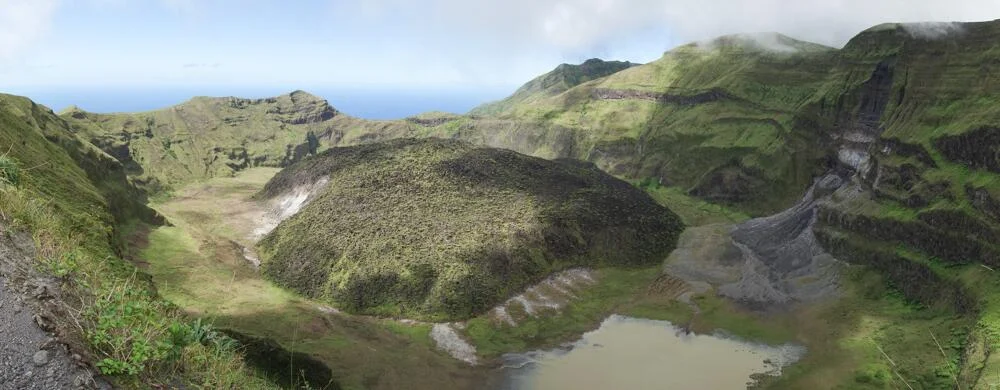
The records, reports and testimonies of past volcanic eruptions and their consequences contain a wealth of information from which we can learn valuable lessons. This, in a nutshell, is the starting point of one strand of the STREVA project, ‘Strengthening Resilience in Volcanic Areas‘, which is a large programme funded by two British funding agencies …[Read More]
10 Minute Interview – Earth Science Communicator
Dan and I are both advocates for the communication of science,via all possible means, and that is why this week’s interview is close to our hearts. Sarah Day’s role at the Geological Society of London focuses on conveying the importance of the study of the science behind how our planet works. I met Sarah about …[Read More]