Our EGU blogging team has had a fantastic 2025 posting across our official blog, GeoLog and the division blogs. Most of our readers appreciate EGU’s blogs for their informative yet accessible style, and for our bloggers’ ability to take complex geoscience content and make it fun and relevant to the reader. If this sounds like …[Read More]
1727 search results for "network"
If you didn't find what you were looking for, try searching again.
Studying societal climate impacts: why is it hard and what can we do about it
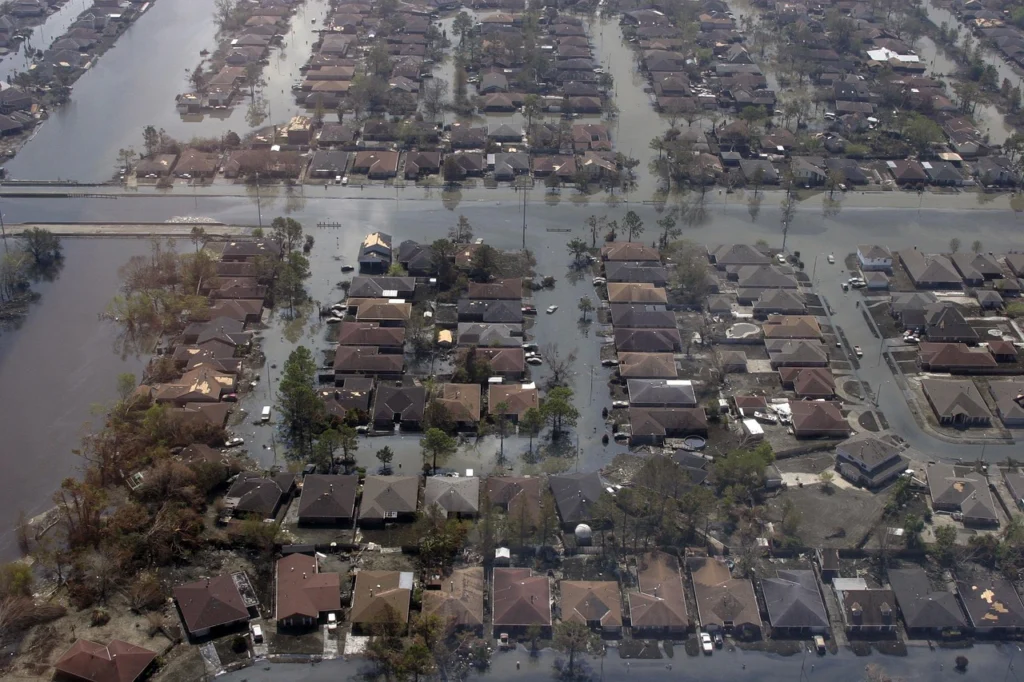
Due to the rapid rise in temperatures, it started raining on the snow and ice-covered roads, prompting the regional public transport operator to suspend all bus services. The rain also resulted in icing on the overhead lines of the main railway line coming into town. Rail traffic was also temporarily suspended. Before the adjacent highway …[Read More]
A synergy of observations: Filling the gaps in an ocean colour chlorophyll-a record
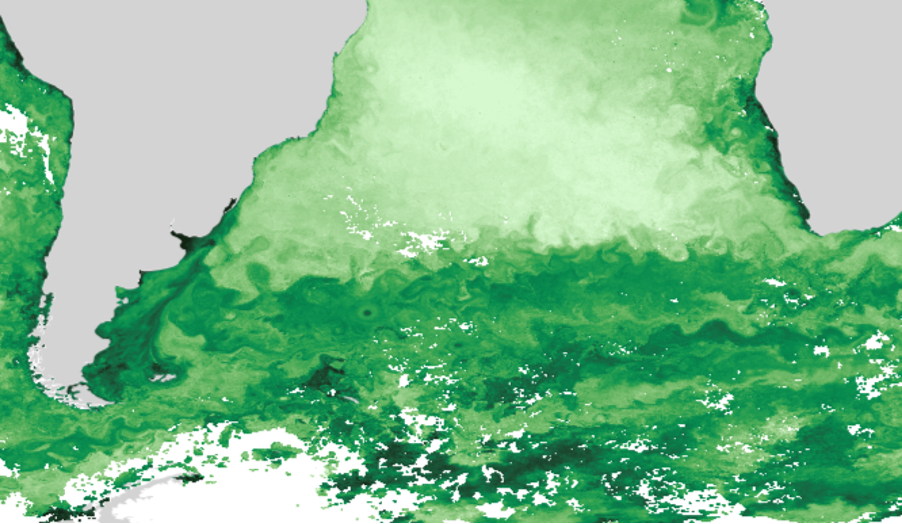
Chlorophyll-a (chl-a), as the dominant photosynthetic pigment within phytoplankton, provides an indication of the phytoplankton biomass and are essential for understanding global and regional changes in primary production in the oceans. Multiple ocean colour satellites have unlocked routine synoptical scale observations of chl-a which now extends from 1997 to the present day. Differing numbers of …[Read More]
Finding Geothermal Energy with Structural Geologists!
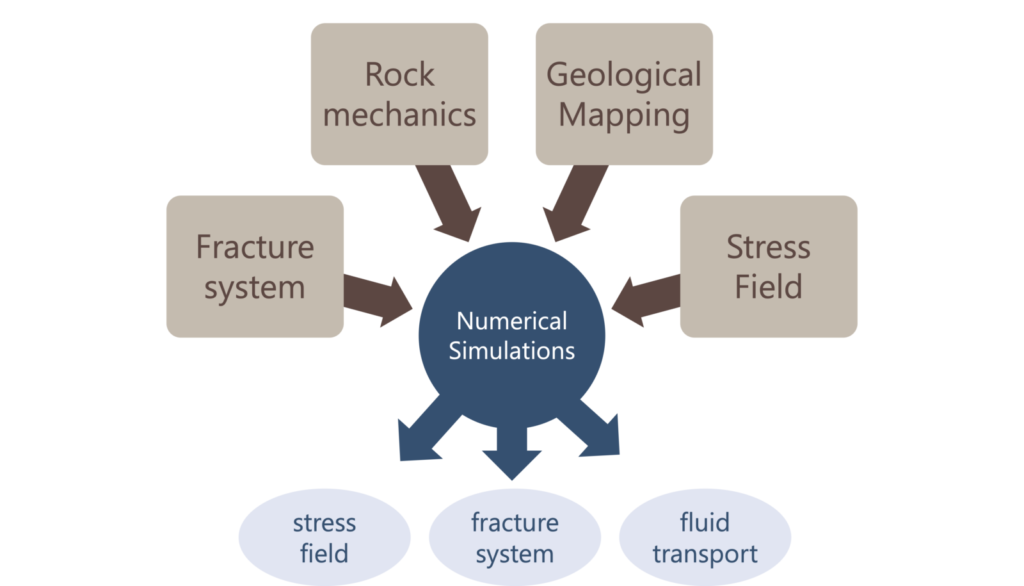
Imagine harnessing the Earth’s natural warmth to heat our homes and generate clean electricity. That is the promise of geothermal energy. It taps into the heat from beneath the Earth’s surface, providing a consistent and low-carbon power source. Geothermal energy plays a crucial role in reducing carbon emissions because it produces very little greenhouse gas …[Read More]
GeoTalk: Meet Marie Cavitte, policy officer for the Cryosphere Division, member of the EGU Climate Hazards Task Force, former Blue Book trainee
Welcome, Marie! Could you please introduce yourself to our readers? Hi, my name is Marie Cavitte. I’m a glaciologist and climatologist with a passion for the polar regions. I spent 10 years studying Antarctica. I started off during my Masters, then PhD, looking at the oldest ice on Earth, hunting for THE region of the …[Read More]
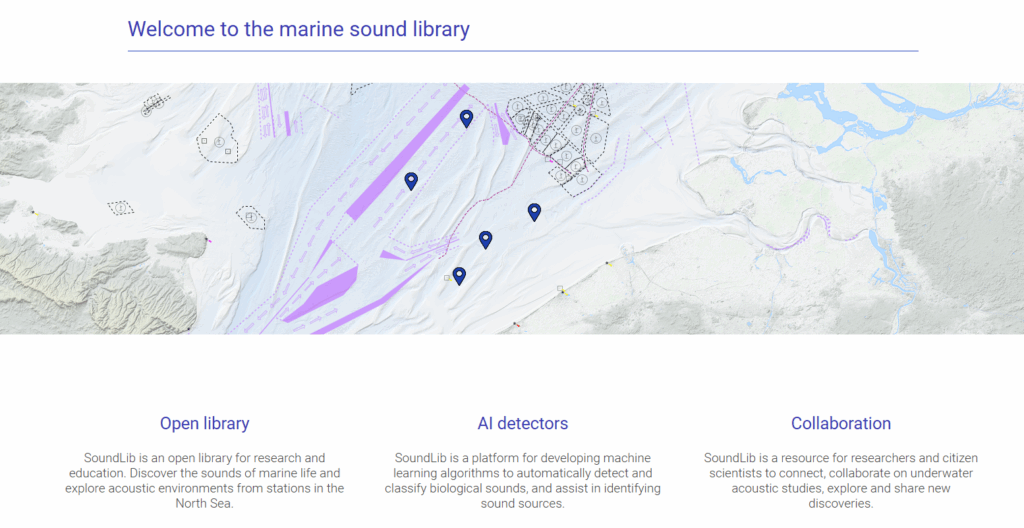
From Signals to the Sea: Building an AI Sound Library for the Ocean
We chatted with Bram Cuyx, an underwater acoustics AI research engineer at the Flanders Marine Institute (VLIZ) in Belgium, about his unique path from engineering into marine science. In this interview, he shares how he made the leap from signal processing in electronics to listening to the soundscape of the North Sea, what it’s like …[Read More]
Can Machine Learning Help Us Monitor Streams?
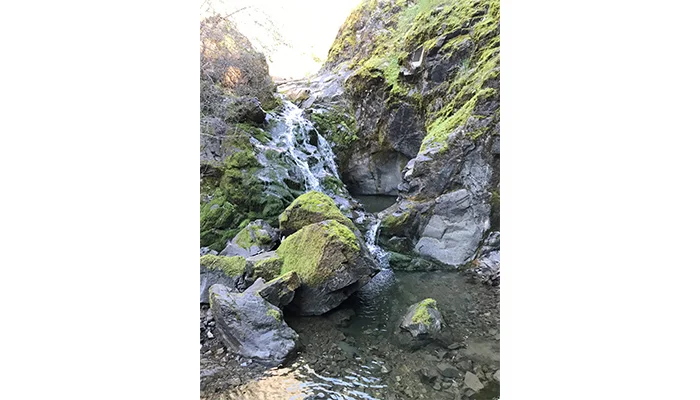
Picture this: you’re hiking through a dry landscape when suddenly you hear it—the serene sound of a babbling brook. You round a corner and discover a small waterfall cascading into crystal-clear pools, surrounded by lush green ferns and wildflowers attracting buzzing bees. It feels like stumbling upon a secret oasis. These magical streams that appear …[Read More]
GeoTalk: Meet Soil Microbiologist and Early Career Scientist Biogeosceinces Representative, Elsa Abs!
Hello Elsa & welcome to GeoTalk! Before we dig deeper, could you introduce yourself to our readers? Hi! I’m Elsa (they/them). I’m a microbiologist/biogeochemist, and I just started a permanent position at the French National Centre for Scientific Research (CNRS) one month ago. I work with one PhD student, Elisa Richard, and two postdocs, Mathilde …[Read More]
Highlighting: Fluvial Biogeomorphology! (Interview with Florian Betz)
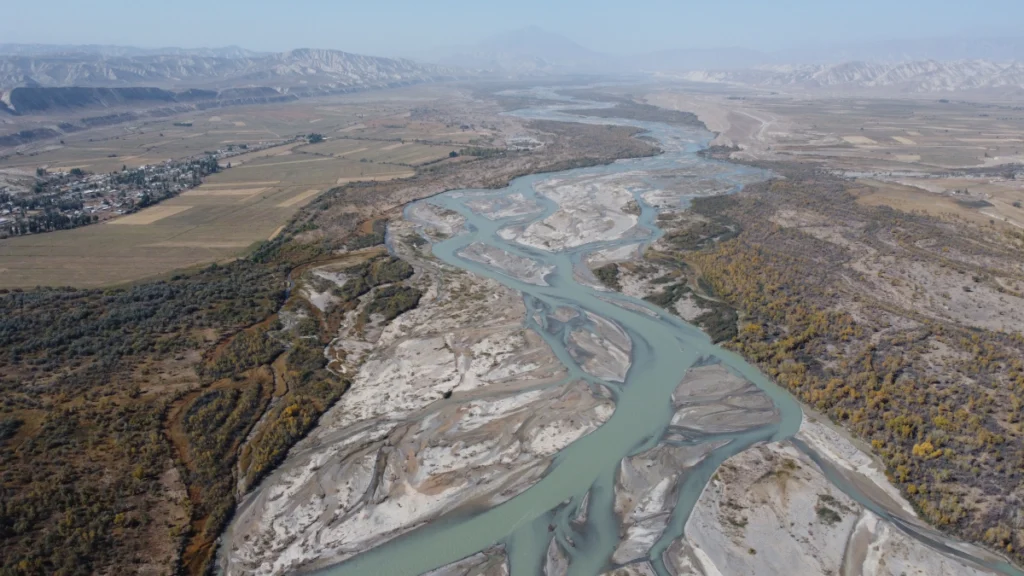
This blog post is part of our series: “Highlights” for which we’re accepting contributions! Please contact Emma Lodes and Anna van den Broek (GM blog editor, elodes@asu.edu, a.j.vandenbroek@uu.nl), if you’d like to contribute on this topic or others. by Florian Betz, Principal Investigator at the Earth Observation Research Cluster at University of Würzburg. Email: florian.betz@uni-wuerzburg.de …[Read More]
Geoscientific perspectives on global wetland systems: Between traditional knowledge and cultural heritage
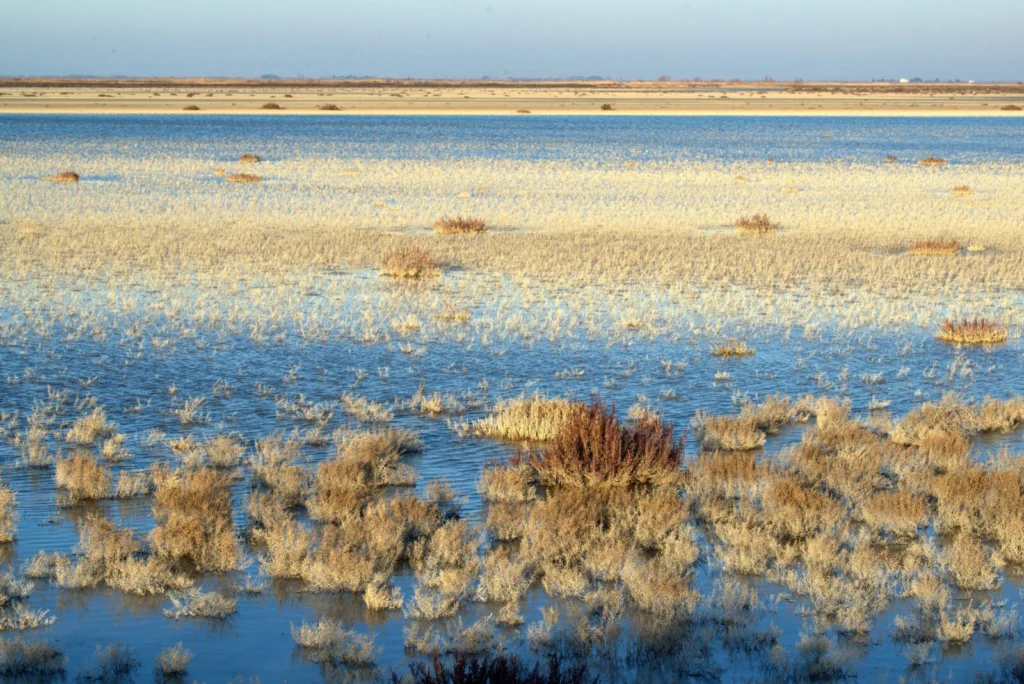
Today marks World Wetlands Day, and this year, the theme is Wetlands and traditional knowledge: Celebrating cultural heritage. Each year, February 2 is a day dedicated to recognising wetlands as places that store carbon, protect water, and hold complex cultural meaning. Wetlands such as mangroves, salt marshes, seagrass beds, peatlands, and floodplains are extremely good …[Read More]