
Smoke from a number of agricultural fires is currently blanketing Thailand and Cambodia. This is shown below in the satellite image from the MODIS instrument on the TERRA satellite. The red dots are classed as ‘thermal anomalies’ by the satellite instrument and are usually indicative of fires burning in these locations. The majority of the …[Read More]
1727 search results for "network"
If you didn't find what you were looking for, try searching again.
Counterintuitive solutions improve public transportation and urban design in Seattle
The Emerging Leaders in Environmental and Energy Policy (ELEEP) Network brings together young professionals from Europe and North America with the aim of fostering transatlantic relations. Former EGU Science Communications Fellow and ELEEP member Edvard Glücksman reports back from a study tour of the US Pacific Northwest. After describing urban planning strategies in Oregon in …[Read More]
The Most Epic Unboxing Ever
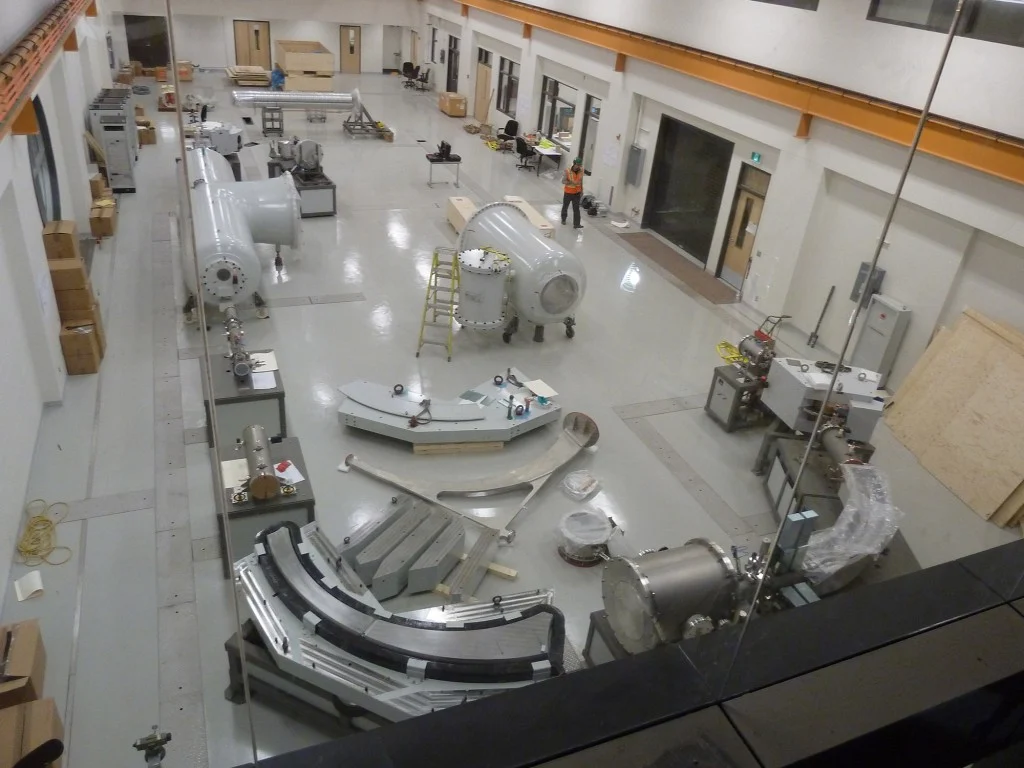
There is a strange phenomenon on the internet called unboxing. Unboxing is when a person receives a new package of something and takes a video or pictures of the process of opening it for the first time and posts it online. Mostly, from what I can see, people “unbox” electronics or hockey cards or things …[Read More]
Seismologists must leave their comfort zone: A Guest post by Steve Hicks
Scientists studying earthquakes should be prepared to put themselves forward to reduce the risk of earthquake damage. This was one conclusion from a meeting of scientists and engineers in London last week. Picture yourself here. You are an earthquake scientist. Years of research conclude that a capital city lies close to active fault that has …[Read More]
The eruption of Kelut, Java, February 2014
I have used storify.com to put together a synopsis of the February eruption of Kelut, Java, Indonesia. There are some additional links to more detailed posts and related information below. Related posts Fascinating technical analysis of the satellite data from Nicarnica Aviation Erik Klemetti on Wired Volcano Discovery updates on Kelud Satellite imagery collated by …[Read More]
Diving too deep?
A new initiative has just been announced that could help to revolutionise palaeontology. PaleoDeepDive is essentially an automated version of the Paleobiology Database, which is an online, professionally crowd-sourced and curated database of fossil occurrences pulled from the literature. They have a launch video here: I have a couple of reservations about this. Firstly, how …[Read More]
Science Snap (#19): Angkor Wat, Cambodia
Sorcha McMahon is a third year PhD student in the School of Earth Sciences at the University of Bristol. Sorcha is investigating how strange igneous rocks called carbonatites may have formed, using both natural samples and high-pressure experiments. The word Angkor is derived from the Sanskrit term Nagara meaning “Holy City”, and was the capital …[Read More]
Improving quality of life through urban growth boundaries, 20-minute neighbourhoods, and public transportation in Oregon
The Emerging Leaders in Environmental and Energy Policy (ELEEP) Network brings together young professionals from Europe and North America with the aim of fostering transatlantic relations. Former EGU Science Communications Fellow and ELEEP member Edvard Glücksman reports back from a study tour of the US Pacific Northwest. In this first of two posts, he describes …[Read More]
Hazards Education Booklet: Call for Contributions
GfGD are involved in an international project on Sustainable Resource Development of the Himalaya (see www.gfgd.org/projects/himalayas2014), which will cumulate in the delivery of a students’ programme in Ladakh, India, in June 2014. We are inviting students from across our network to submit material to be included in a booklet that will be used during teaching, and …[Read More]
What did the IPCC say about aerosols?
Aerosols dominate the uncertainty in the total anthropogenic radiative forcing. A complete understanding of past and future climate change requires a thorough assessment of aerosol-cloud-radiation interactions. This is one of the conclusions about aerosols and their impact on our climate from the the final report from the Intergovernmental Panel on Climate Change (IPCC) on the …[Read More]