WaterUnderground

research

Why so salty? Coastal groundwater quality under threat
Why so salty? Coastal groundwater quality under threat
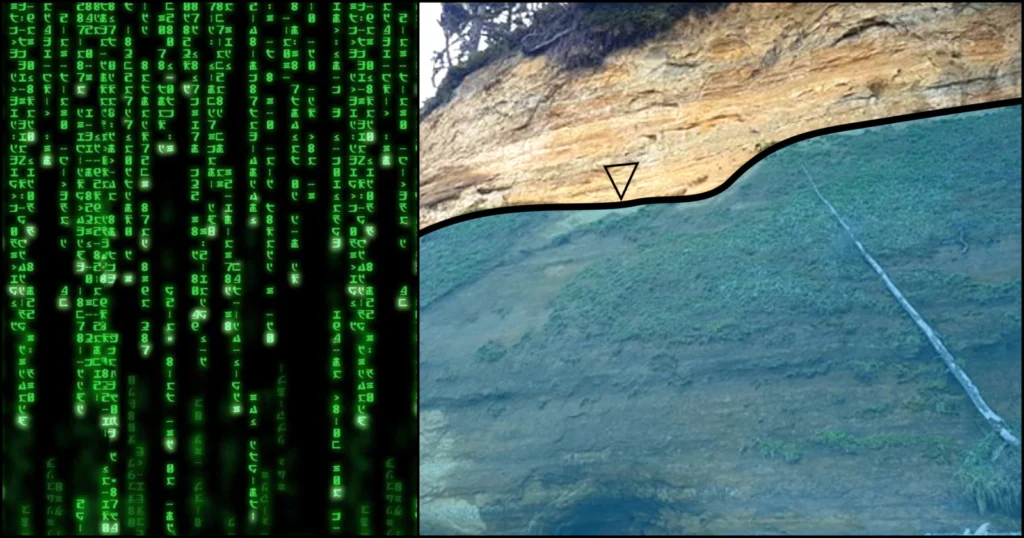
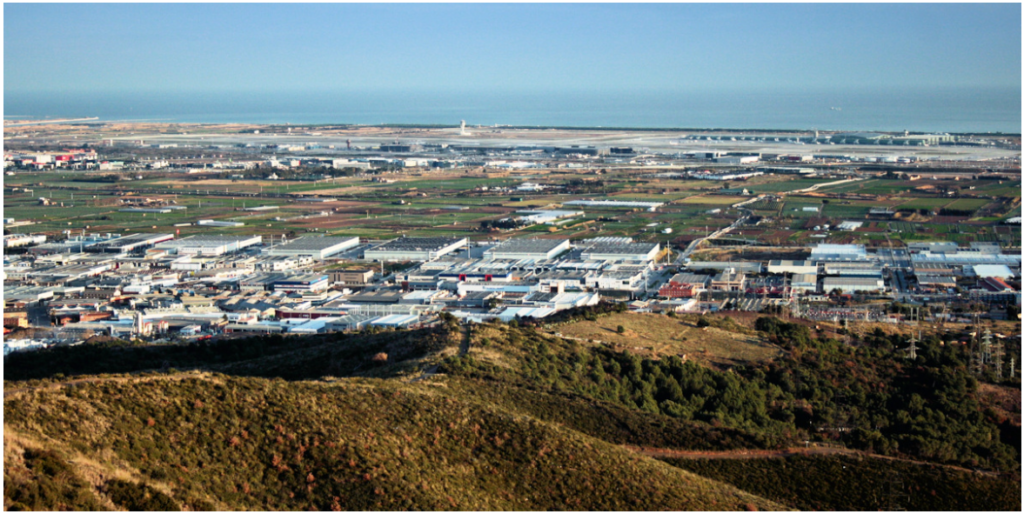
Guest contribution from Daniel Kretschmer, University of Potsdam European groundwater quality is deteriorated by seawater intrusion, the displacement of freshwater by a landward movement of seawater (Custodio, 2010). Just south of Barcelona, the deep confined aquifer at the Llobregat river delta has experienced SWI of several kilometers due to intensive groundwater abstraction in the 20th …[Read More]

Our enduring fascination with groundwater springs

Our enduring fascination with groundwater springs

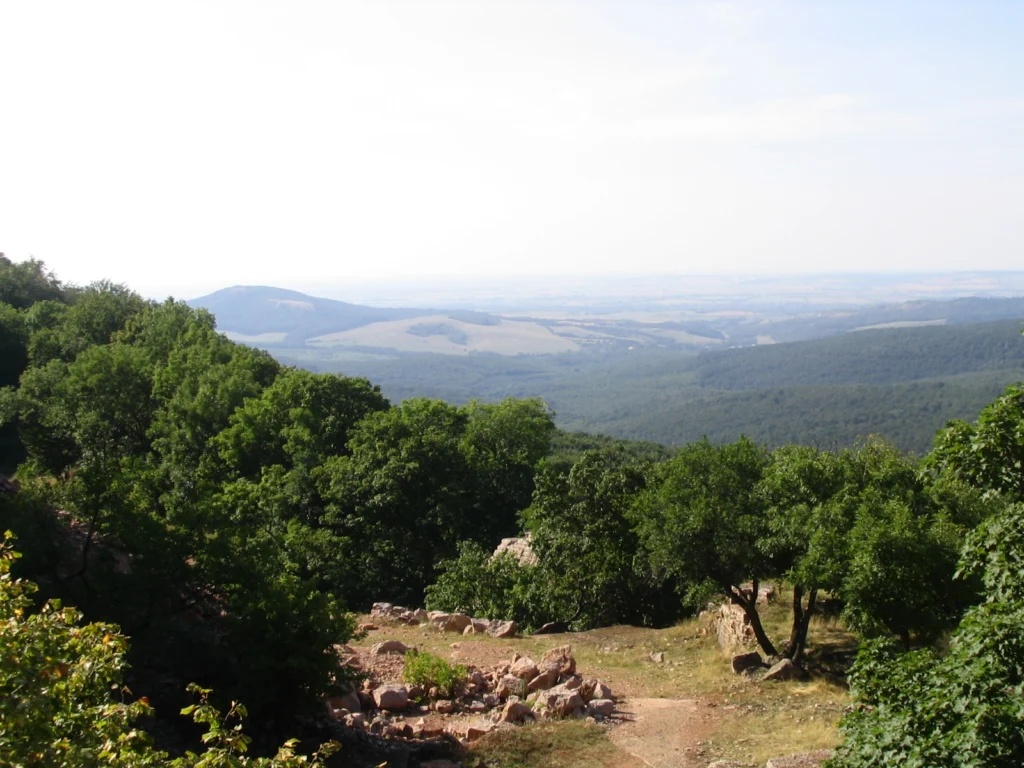
by David Litwin, licensed under a Creative Commons Attribution-ShareAlike 4.0 International License. Article: Springs regarded as hydraulic features and interpreted in the context of basin-scale groundwater flow Authors: Tóth, Á., Kovács, S., Kovács, J., & Mádl-Szőnyi, J. O Fount Bandusia, brighter than crystal, worthy of sweet wine and flowers, tomorrow shalt thou be honoured with a …[Read More]

Groundwater and a ‘green drought’

Groundwater and a ‘green drought’

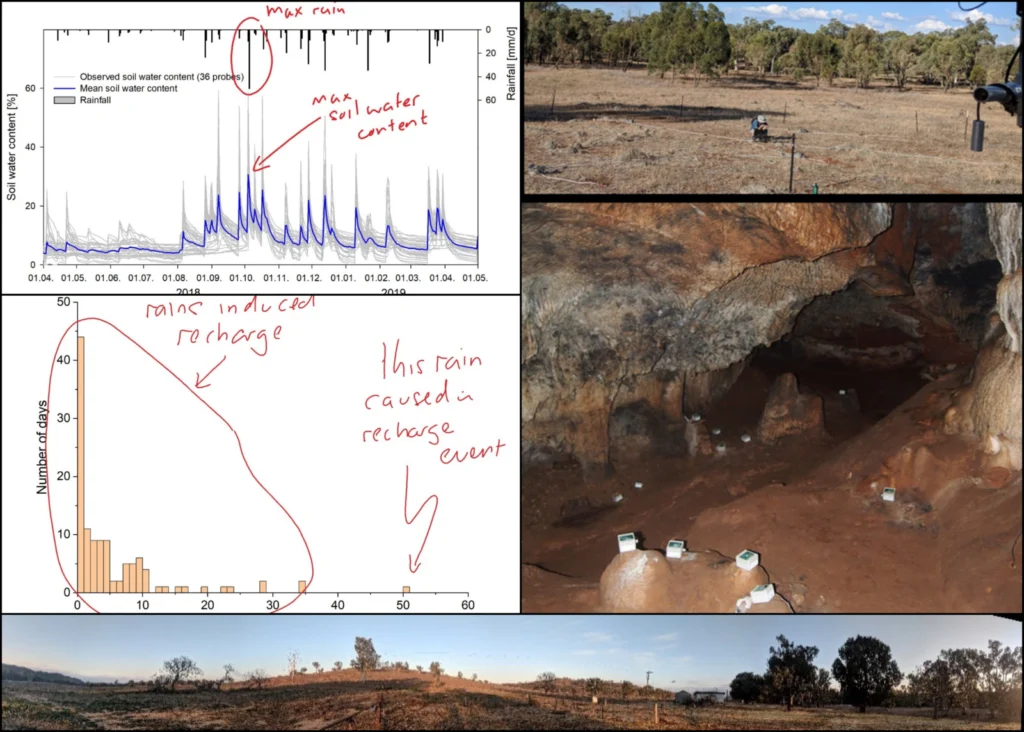
Post by Andy Baker, professor in the Connected Waters Initiative Centre at UNSW Sydney, Andreas Hartmann, assistant professor in Hydrological Modeling and Water Resources at the University of Freiburg, and Romane Berthelin, PhD student in Hydrological Modeling and Water Resources at the University of Freiburg. Here in New South Wales (NSW) in southeastern Australia, a long-running drought continues. …[Read More]

Shedding light on the invisible: addressing potential groundwater contamination by plastic microfibers

Shedding light on the invisible: addressing potential groundwater contamination by plastic microfibers

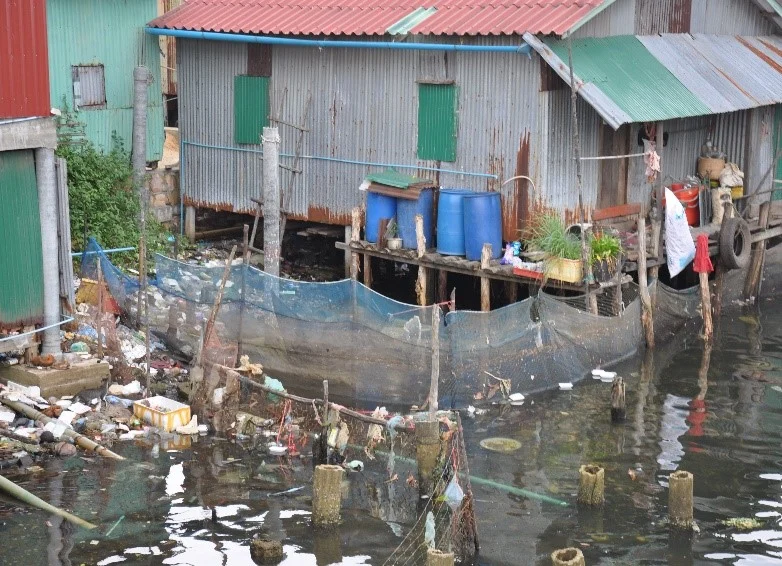
Post by Viviana Re, researcher at the University of Pisa in Italy. You can follow Viviana on Twitter at @biralnas. Until recently, the topic of plastic pollution was relatively unknown to the general public, although the problem was already under everyone’s very eyes. Indeed, plastic pollution has become one of the most debated issues over the …[Read More]

Doing Hydrogeology in R

Doing Hydrogeology in R

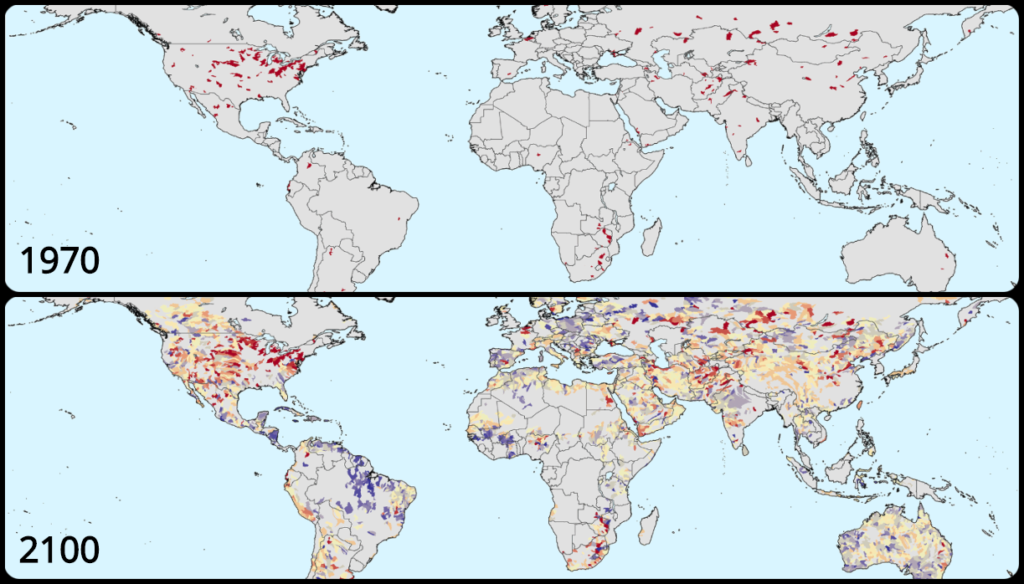
Post by Sam Zipper (@ZipperSam), current Postdoctoral Fellow at the University of Victoria and soon-to-be research scientist with the Kansas Geological Survey at the University of Kansas. Using programming languages to interact with, analyze, and visualize data is an increasingly important skill for hydrogeologists to have. Coding-based science makes it easier to process and visualize …[Read More]

Data sharing: an update on new and existing initiatives

Data sharing: an update on new and existing initiatives

Post by Anne Van Loon, Gemma Coxon, and Bentje Brauns. Last year, Anne Van Loon wrote about data sharing initiatives in hydrology (“Data drought or data flood?” 28 May 2018). This post gives an update on existing and new initiatives. CAMELS (Catchment Attributes and MEteorology for Large-sample Studies)  The CAMELS datasets are expanding: from the …[Read More]

Have you ever wondered if groundwater is connected to climate?

Have you ever wondered if groundwater is connected to climate?

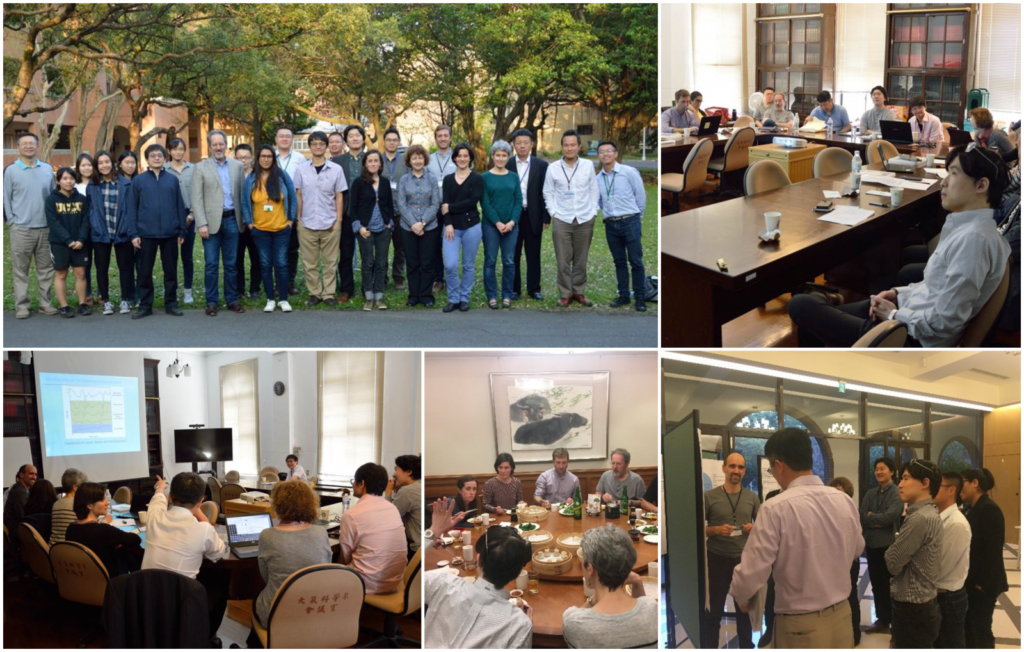
Post by Tom Gleeson,  Assistant Professor in Civil Engineering at the University of Victoria. ‘Groundwater-surface water interactions’ has become standard hydrologic lexicon and a perennial favorite session title at various conferences… but how often do you hear the phrase ‘groundwater-climate interactions’? A group of hydrologists, hydrogeologists, atmospheric scientists and geodesists that met in Taiwan this …[Read More]