Post by Sam Zipper (@ZipperSam), current Postdoctoral Fellow at the University of Victoria and soon-to-be research scientist with the Kansas Geological Survey at the University of Kansas. Using programming languages to interact with, analyze, and visualize data is an increasingly important skill for hydrogeologists to have. Coding-based science makes it easier to process and visualize …[Read More]
Retired blogs
Update on the groundwater situation in Cape Town
Post by Jared van Rooyen, PhD student in Earth Science at Stellenbosch University, in South Africa. When the Cape Town water crisis first emerged it took almost a year before active contingencies were put in place. Four major ideas were proposed: (1) Intense water restrictions for municipal water users, (2) greywater recycling facilities, (3) groundwater …[Read More]
A mining state in Brazil, without geological knowledge? On the value of science communication
As the theme of this month is science communication, I’d like to share some of my own experiences with geoscience communication and public perception of geosciences. I was born and raised in Minas Gerais – the most traditional mining state of Brazil. Nowadays it is internationally recognized for recent environmental disasters such as the failure …[Read More]
‘Pompeii’ by Robert Harris – A book review
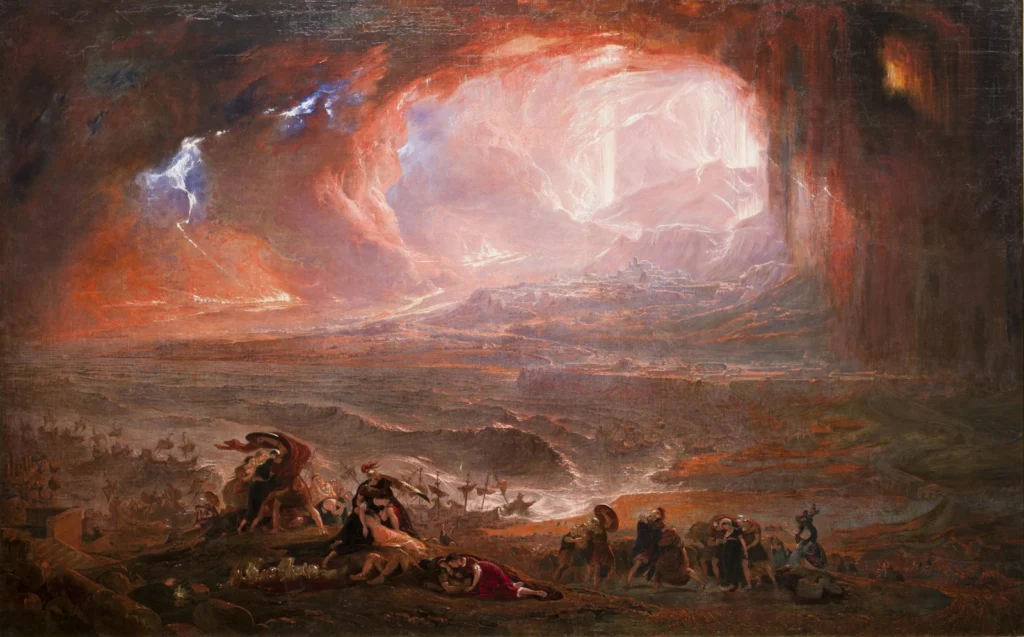
The GfGD blog theme this month is science communication, and so regular blog contributor Heather Britton reviews a book which she believes contains some useful geological and human experience, in the form of a gripping novel. The Geology for Global Development blog is not a site renowned for book reviews, but when a fiction book …[Read More]
Climate change: to mitigate or to adapt? Managing disaster: Cyclone Fani in India, a stronger Atlantic hurricane season. That and more in Jesse Zondervan’s May 2019 #GfGDpicks #SciComm
Each month, Jesse Zondervan picks his favourite posts from geoscience and development blogs/news which cover the geology for global development interest. Here’s a round-up of Jesse’s selections for the last month: This month Cyclone Fani hit India with full force. An effective mass evacuation resulting in the loss of no human lives is an impressive …[Read More]
Data sharing: an update on new and existing initiatives
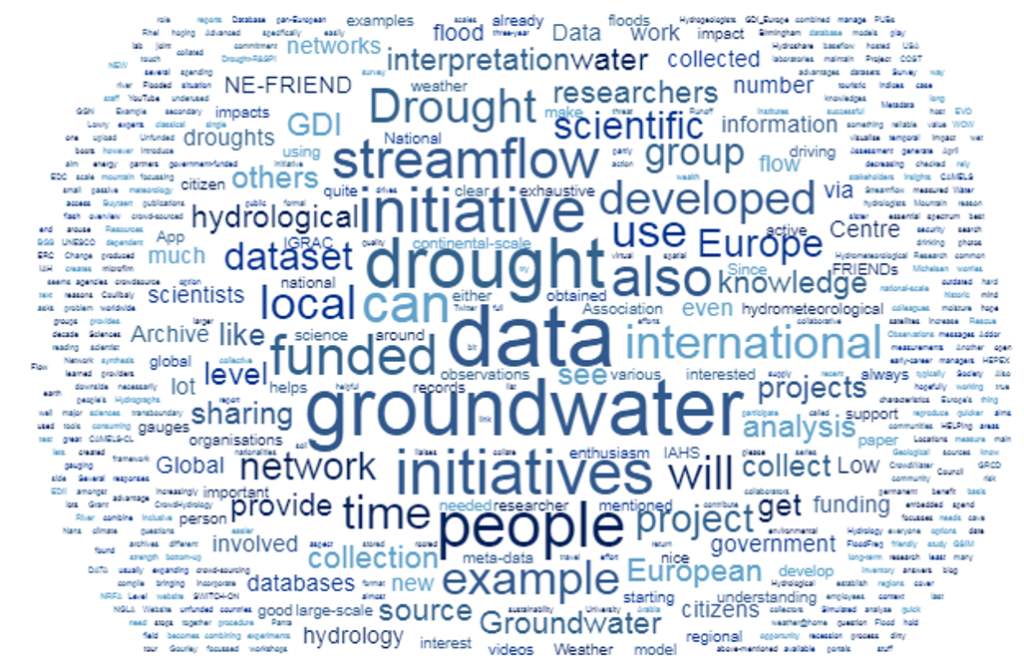
Post by Anne Van Loon, Gemma Coxon, and Bentje Brauns. Last year, Anne Van Loon wrote about data sharing initiatives in hydrology (“Data drought or data flood?” 28 May 2018). This post gives an update on existing and new initiatives. CAMELS (Catchment Attributes and MEteorology for Large-sample Studies) The CAMELS datasets are expanding: from the …[Read More]
Video: Linking water planetary boundaries and UN Sustainable Development Goals
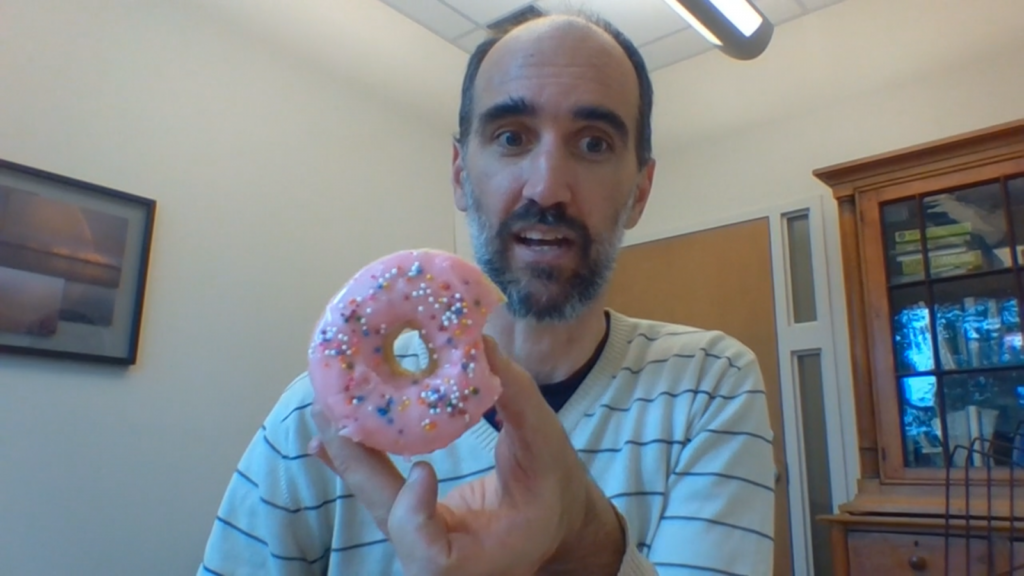
Water Underground creator Tom Gleeson prepared this quick research video (with no more than a toothbrush, a file holder, and a doughnut, in one take!) for the Ripples project meeting at the Stockholm Resilience Centre, that was held in April. In this video, he talks about using doughnut economics for linking water planetary boundaries and UN Sustainable …[Read More]
When are Californian earthquakes coming back with vengeance? How does climate-change-induced flooding increase inequality? Lessons from Cyclone Idai; that and more in Jesse Zondervan’s April 2019 #GfGDpicks #SciComm
Each month, Jesse Zondervan picks his favourite posts from geoscience and development blogs/news which cover the geology for global development interest. Here’s a round-up of Jesse’s selections for the last month: California seems to be overdue for earthquakes, meaning there has been a so-called earthquake ‘drought’ in the last century. Paleoseismic studies show that this …[Read More]
Dowsing for interesting water science – what’s exciting at EGU 2019?
Joint post by Sam Zipper (an EGU first-timer) and Anne Van Loon (an EGU veteran). Every April, the European Geophysical Union (EGU) holds an annual meeting in Vienna. With thousands of presentations spread out over a full week, it can feel like you’re surrounded by a deluge of water-related options – particularly since the conference …[Read More]
Anthropocene: Are we in the recent age of man?
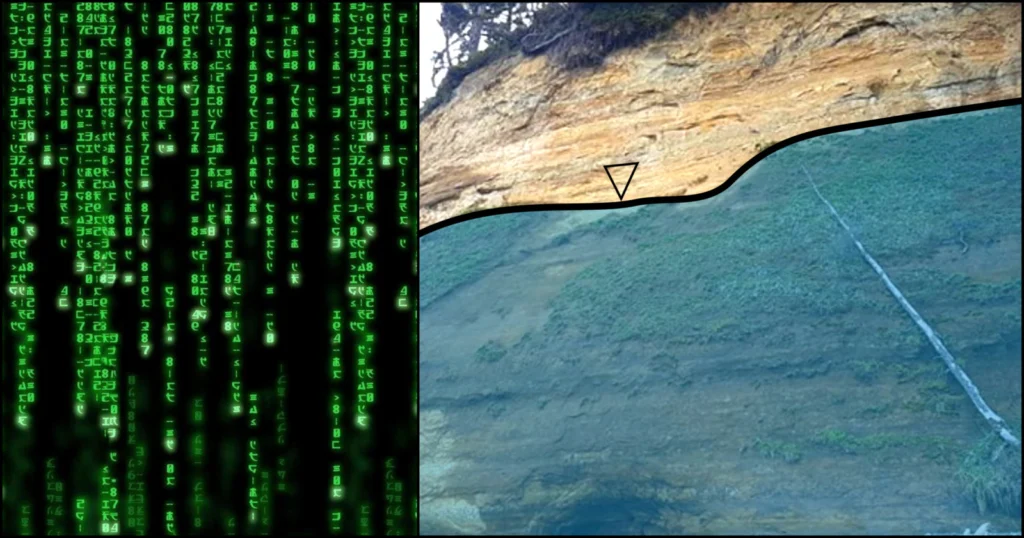
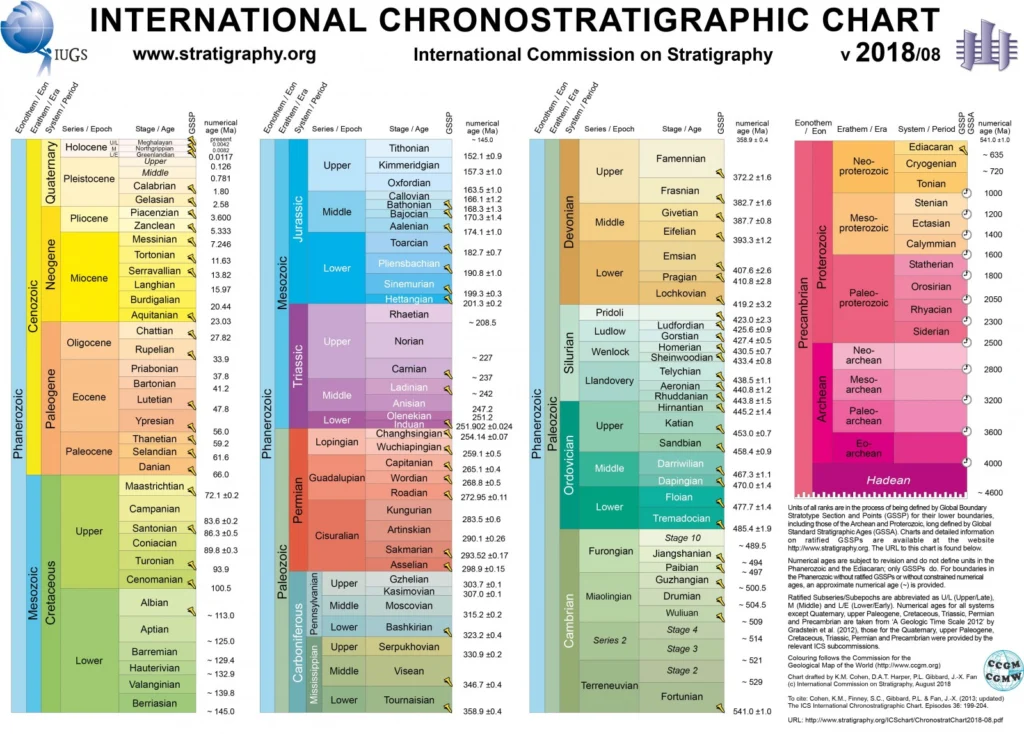
Regular GfGD Blog contributor Heather Britton pen’s this weeks post, where she discusses the heated topic of whether we are, or not, living in the Anthropocene. [Editor’s note: This post reflects Heather’s personal opinion. This opinions may not reflect official policy positions of Geology for Global Development.] Naming a geological epoch the Anthropocene, literally meaning …[Read More]