Polluting the Internet

Aerosols

Night flight

Night flight

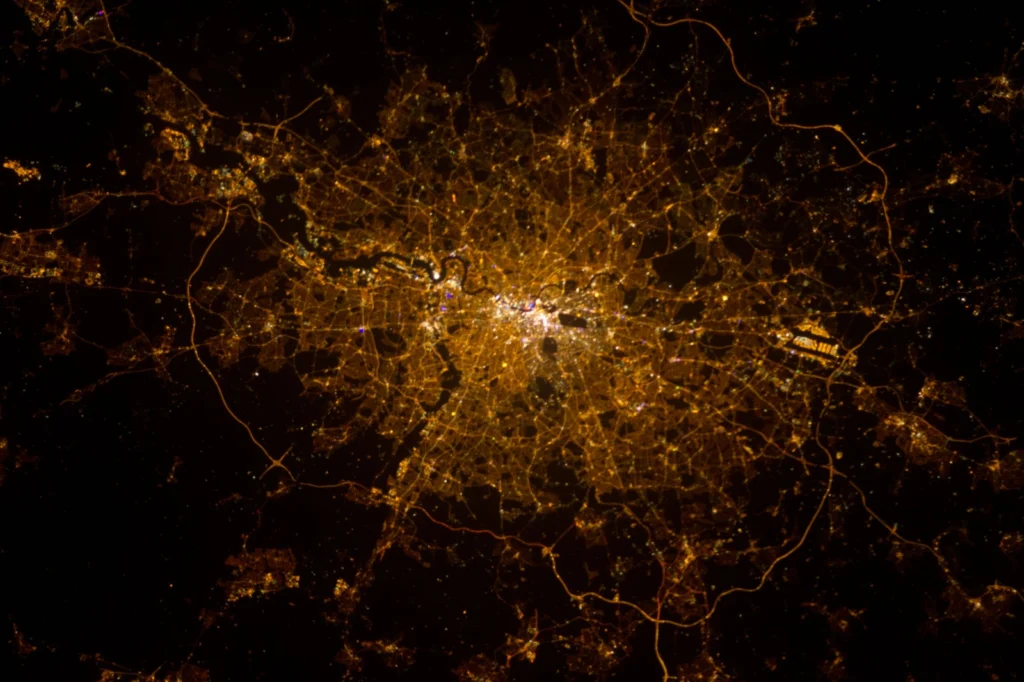
After what has seemed like an eternity (or more than one post-doc post, which is essentially the same thing), I’ve got a new paper published. To commemorate this auspicious occasion, I’m going to write about it. The paper is published in Atmospheric Chemistry and Physics and is available open access here. The study investigated how aerosol particles can alter atmospheric chemistry duri ...[Read More]

Around the world

Around the world

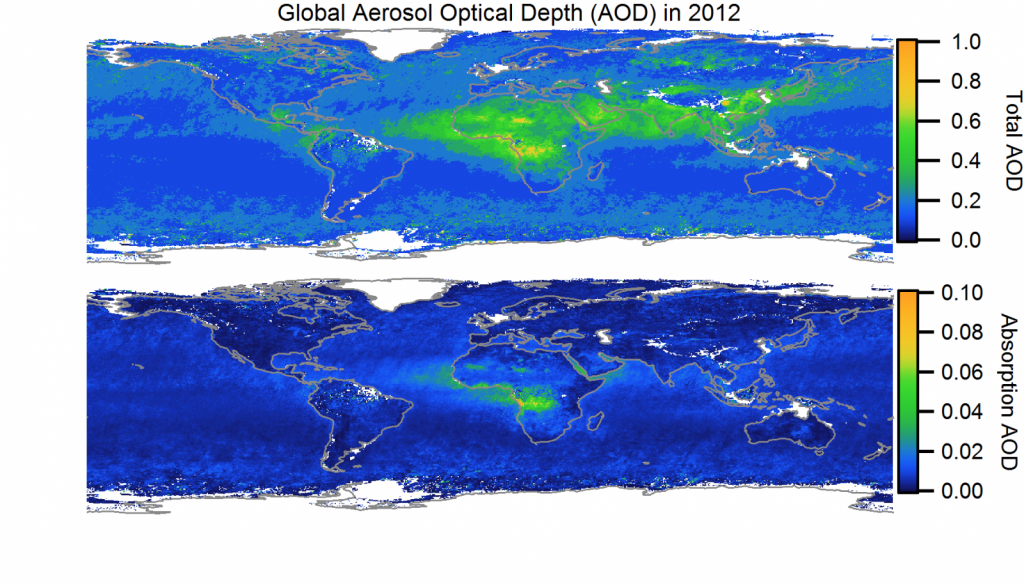
The short lifetime of aerosol particles in the atmosphere means that they tend to be found concentrated in regions close to where they were formed. As they only last for days to weeks in the atmosphere, they don’t travel too far as the Earth’s winds aren’t able to fully mix the air over such a short period. This short lifetime should also mean that any changes in the emissions of ...[Read More]

Wuthering heights

Wuthering heights

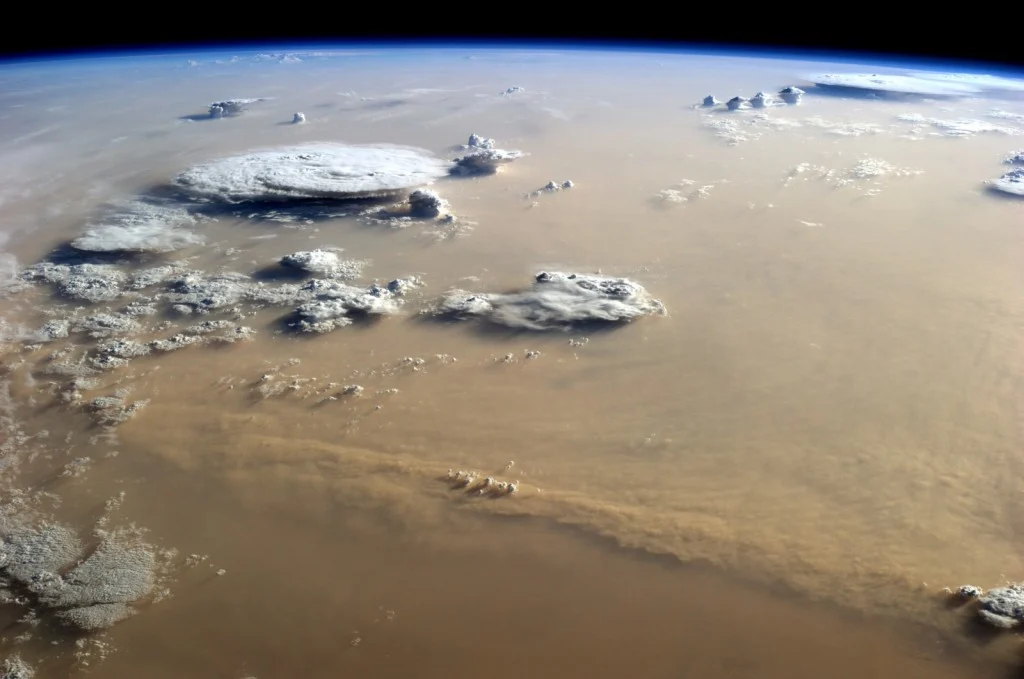
Aerosol particles typically have short life spans in the atmosphere (days to weeks) but they can travel far and wide in that time. They can be lifted up to new horizons, higher and higher in the atmosphere. This is important for their impact on our climate, for example, at least 20% of the uncertainty in the climate impact of black carbon aerosol is due to differences in its vertical distribution. ...[Read More]

The dark side of the atmosphere: the blog awakens

The dark side of the atmosphere: the blog awakens

Aerosol particles come in lots of different flavours and one of their most important properties is how they deal with incoming sunlight. Some are rather unwelcoming and send sunlight back to whence it came (space), which leads to a cooling of the atmosphere as the sunlight doesn’t reach the surface of the Earth. Others offer sunlight a warm(ing) embrace and absorb it, which heats up the atmo ...[Read More]

EGU 2014: Measuring aerosol climate impacts from Space

In order to understand past climate change and to better project future changes, we need to understand how humans disturbed the radiative balance of our planet. Aerosols are one component of this disruption. The final report from the Intergovernmental Panel on Climate Change (IPCC) physical science basis concluded that aerosols dominate the uncertainty in the total anthropogenic radiative forcing. ...[Read More]

EGU 2014: Air pollution in the Anthropocene

One of the key strands of the EGU so far this year has been discussion of the proposed new geological time period known as the Anthropocene. This concept was first proposed by the ecologist Eugene Stoemer in the 1980’s, with Nobel Prize Winner and atmospheric chemist Paul Crutzen bringing renewed attention to the term in the early 21st Century. It refers to the concept that the impact of hum ...[Read More]

EGU 2014 Day 1: A day in the life of an aerosol particle

My first day at EGU 2014 in Vienna was principally spent listening to various speakers describe the life and death of tiny particles in the atmosphere, known as aerosols. These aerosol particles come from a variety of sources – one of the major sources is through burning of fossil fuels, which produces a cocktail of pollutants that form these particles. They can also arise from natural sourc ...[Read More]

What is the Daily Air Quality Index?

The recent air pollution episode in the UK brought a previously obscure air quality metric into the public consciousness, with the Daily Air Quality Index (DAQI) appearing in weather forecasts and the media. The index describes the severity of pollution in different areas using a ten-point scale, with a score of ten being the worst score. The question is what is the index based on? The scale itsel ...[Read More]

UK Air Pollution: March/April 2014

Air pollution over the UK has been high on the agenda today with the media covering the widespread build up of aerosol pollution since the end of last week. This has led to health concerns, particularly for vulnerable groups such as children, the elderly and people with pre-existing heart and lung conditions. This follows the recent event in mid-March, which I covered here and saw Paris take measu ...[Read More]

UK Air Pollution: March 2014

After the UK’s wettest winter since 1910, spring has sprung with several warm and clear days in March so far. High pressure has been the dominant meteorological situation, which has seen clear skies during the day and cold nights, with fog settling overnight and continuing into the morning. While the high pressure and much reduced rainfall has brought much needed respite to those affected by ...[Read More]