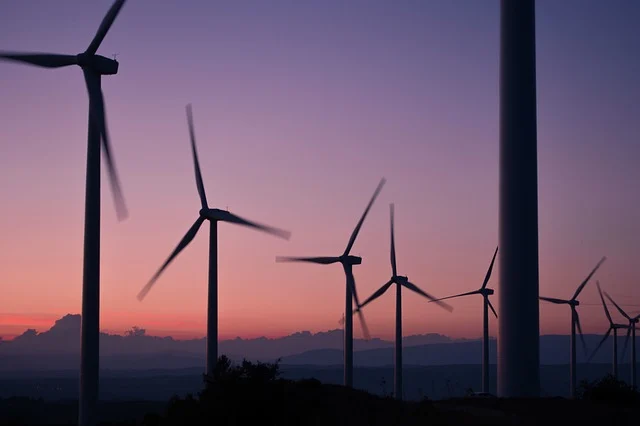
Robert Emberson can’t help but wondering how geoscience, whilst having great potential for helping sustainable development, has been fueling polluting industries for centuries. Should geoscientists shy away completely from engaging with traditional industries? What are their roles and geoscientists’ roles in transitioning to a more sustainable world? [Editor’s note: This post reflects ...[Read More]
Robert Emberson
Private solutions, public science: how to bridge the gap?
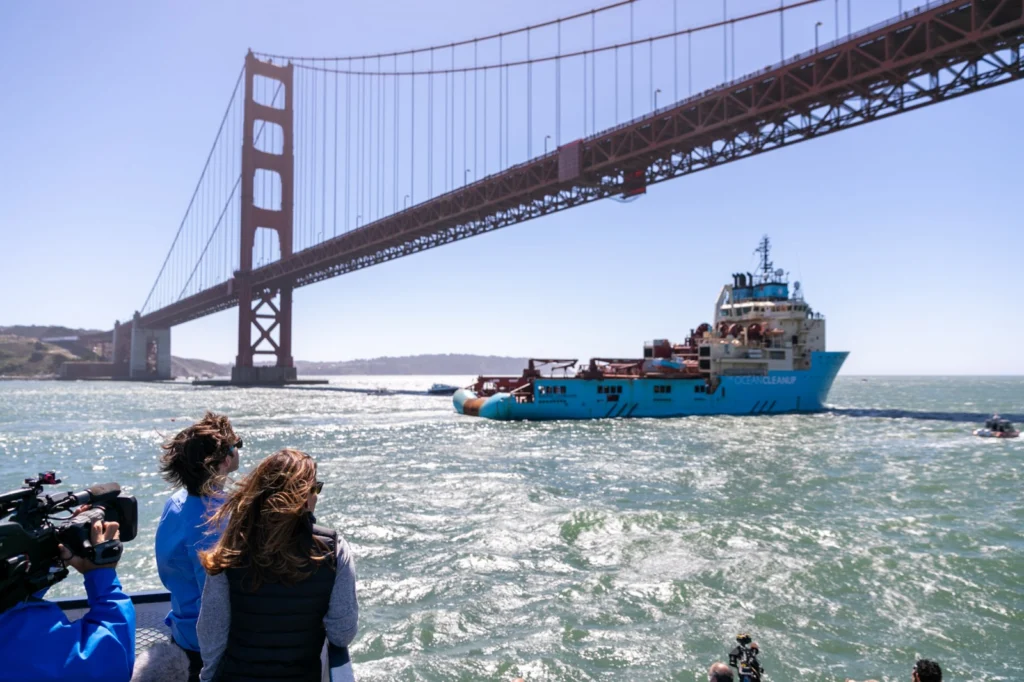
The urgency around many sustainability issues leads some billionaire investors to throw caution in the wind, frustrated with the pace of academic research. Robert Emberson sympathises with private projects like the Ocean Cleanup, even when things go wrong. ‘How’, he asks, ‘might we build a constructive bridge between ambitious entrepreneurs and scientific sceptics? ‘ Reading and writing about sust ...[Read More]
The Sustainability Argument for Open Access Publishing
Those who follow the work of GfGD, either via posts on this blog or more direct engagement, will know that there are a multitude of connections between geoscience and the Sustainable Development Goals. The SDGs are almost impossible to disentangle from resource use and environmental pressures, subjects which are themselves cornerstones of modern geoscience. While this may be the case, a key questi ...[Read More]
The Case Against Fieldwork – How can we internalise the carbon cost of fieldwork, as scientists who investigate the earth system?
There are few, if any, fields of human study for which fieldwork is more fundamental than geology. For many geologists, the solid earth itself is their subject, and this means observations can be made at any given location on the planet. Moreover, the local quirks of different environments almost necessitate a diverse range of study sites for us to fully comprehend the differing processes that gov ...[Read More]
Robert Emberson: Microplastic – Too Important to Ignore
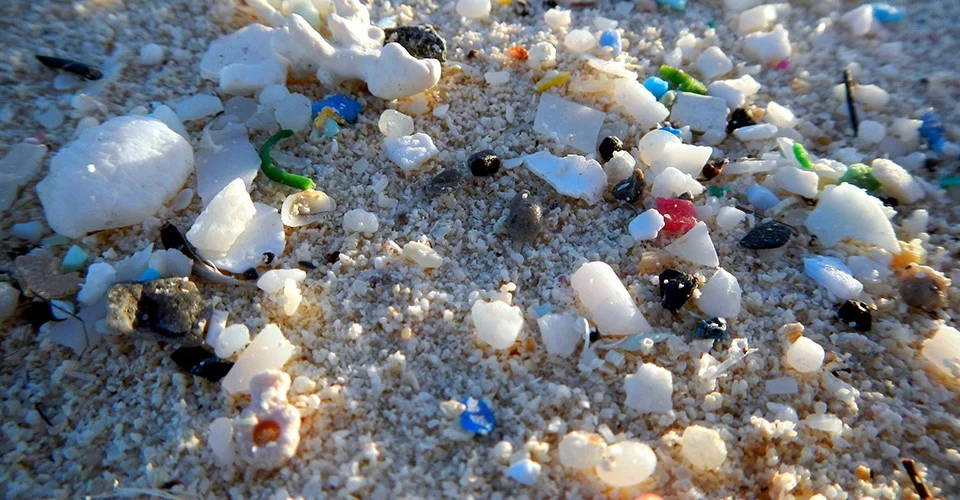
Anyone lucky enough to catch any of the BBC’s recent new series Blue Planet II will have noticed that each episode devotes a portion of the time to the impact humans have on the oceans. A breathtaking series of shots from a recent episode detailed the heart-wrenching demise of a baby whale, possibly poisoned by its mother’s milk due to toxins from plastic pollution. Vast quantities of plastic now ...[Read More]
Robert Emberson: Geomythology – Why understanding cultural traditions of landscape are important for sustainable development
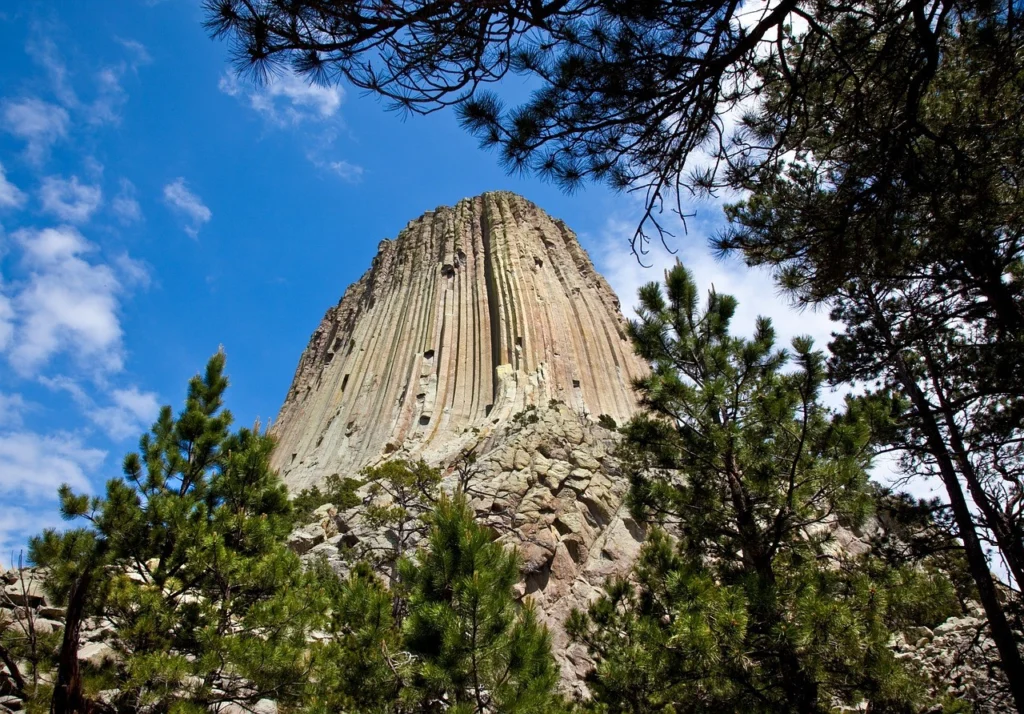
Every culture has myths and legends about their native lands. Before we understood the geological forces that forced up great ranges of mountains or sculpted barren deserts, humans needed an explanation for the scale and majesty of natural phenomena. Stories of deities inhabiting volcanoes, or angry gods shaking the very ground upon which people lived, helped people make sense of disasters when te ...[Read More]
Robert Emberson: Soil Erosion and Sustainable Development
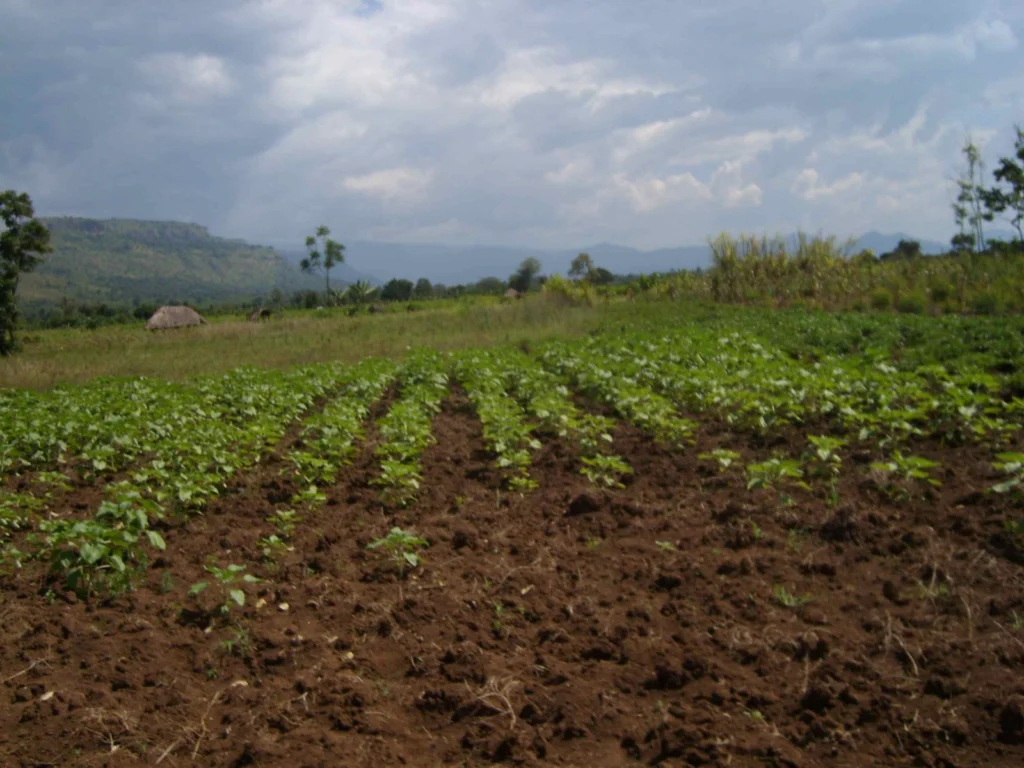
Over the last few weeks we’ve introduced you to some new faces on the GfGD blog, including Robert Emberson, Heather Britton and Jesse Zondervan. Today, Robert (based in Victoria, Canada) writes on the connections between soil erosion and sustainable development, and poses the question – is soil one of our most threatened resources? When we talk about sustainable energy sources, most of the ...[Read More]
Introducing Our New Authors (1) – Robert Emberson
Over the next few weeks we’d like to introduce you to some new faces on the GfGD blog, bringing fresh ideas and perspectives on topics relating to geoscience and sustainable development. We’re delighted to have their input, and look forward to their posts. Today we interview Robert Emberson – based in Victoria, Canada. Hi there! Who are you? I’m Robert Emberson, and I’m delighte ...[Read More]