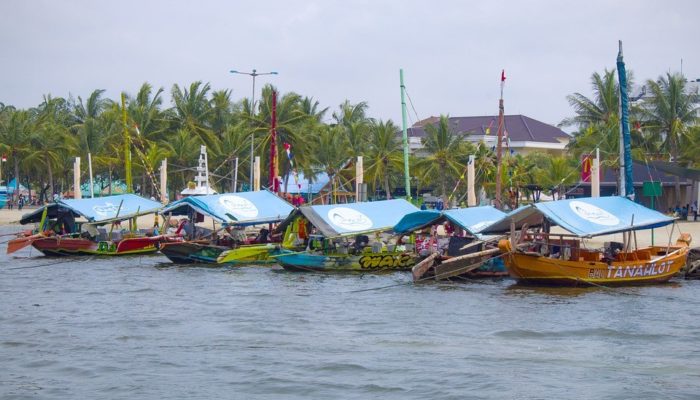
What are cities doing to mitigate rising sea-levels? What are the numbers behind the related challenges? In our August ‘Coast’ month, Heather Britton focuses on sea-level rise in the coastal cities of Jakarta, Lagos and London, where barriers and new islands are likely proposed solutions, even if they seem inadequate. [Editor’s note: This post reflects Heather’s personal opinions. These opin ...[Read More]
Private solutions, public science: how to bridge the gap?
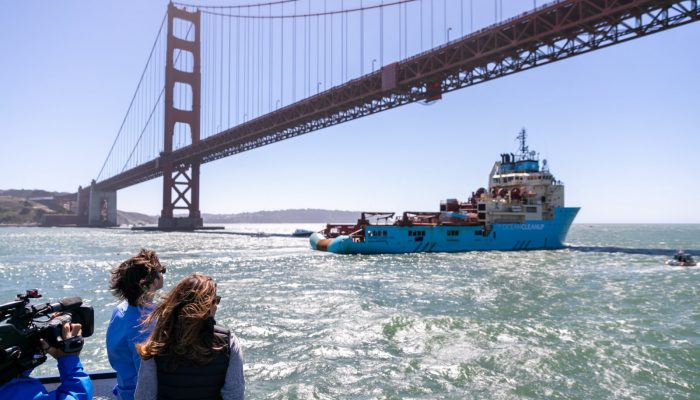
The urgency around many sustainability issues leads some billionaire investors to throw caution in the wind, frustrated with the pace of academic research. Robert Emberson sympathises with private projects like the Ocean Cleanup, even when things go wrong. ‘How’, he asks, ‘might we build a constructive bridge between ambitious entrepreneurs and scientific sceptics? ‘ Reading and writing about sust ...[Read More]
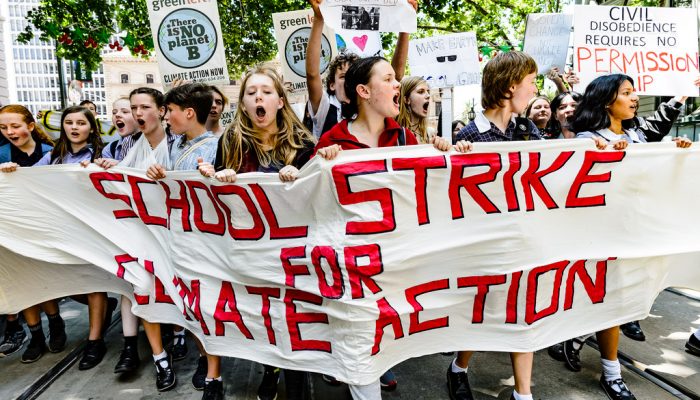
The ethical questions behind the school climate strike. Do we have a place in earth’s ecosystems? Jesse Zondervan’s February 2019 #GfGDpicks #SciComm
Each month, Jesse Zondervan picks his favourite posts from geoscience and development blogs/news which cover the geology for global development interest. This month’s picks include: The ethical questions behind the school climate strike; Military worries about the fight against sea-level rise – how will you help? Do we have a place in earth’s ecosystems? School climate strikes As school clim ...[Read More]
The importance of wetlands
World Wetlands day is celebrated on 2nd February, marking the adoption of the Convention on Wetlands, also known as Ramsar Convention, in the Iranian city of Ramsar on 2nd February 1971. It “provides the framework for national action and international cooperation for the conservation and wise use of wetlands and their resources.” Today 170 countries have adopted it and 2,341 Ramsar sites covering ...[Read More]
Jesse Zondervan’s January 2019 #GfGDpicks: which climate adaptation methods are on the rise in 2019?
Each month, Jesse Zondervan picks his favourite posts from geoscience and development blogs/news which cover the geology for global development interest. This past month’s picks include: Why it’s so hard to predict tsunamis, which climate adaptation methods are on the rise in 2019 & opportunities for scientists to solve local challenges with Thriving Earth Exchange. Plastic waste in t ...[Read More]
Weighing up the pros and cons of artificial coral reefs
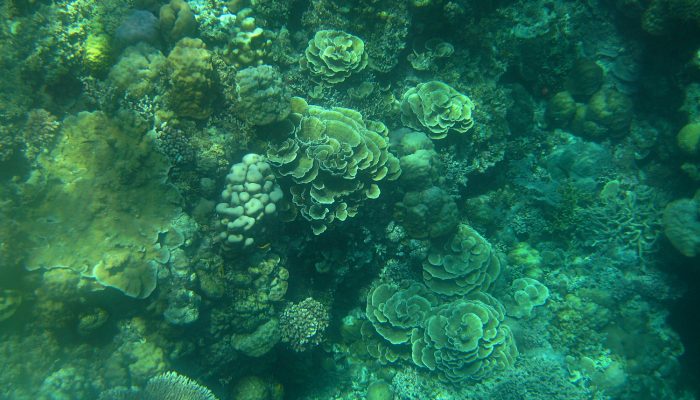
The world’s oceans cover 71% of the Earth’s surface and contain 97% of Earth’s water. They play a key role in the climate cycle and, though perhaps not always visibly, are suffering significantly under our changing climate. An place where we can see the alarming effects of rising temperatures and increasingly acidic waters is coral reefs, which experienced the longest, most widespread, and possibl ...[Read More]
Robert Emberson: Microplastic – Too Important to Ignore
Anyone lucky enough to catch any of the BBC’s recent new series Blue Planet II will have noticed that each episode devotes a portion of the time to the impact humans have on the oceans. A breathtaking series of shots from a recent episode detailed the heart-wrenching demise of a baby whale, possibly poisoned by its mother’s milk due to toxins from plastic pollution. Vast quantities of plastic now ...[Read More]