Each month, Jesse Zondervan picks his favourite posts from geoscience and development blogs/news which cover the geology for global development interest. Here’s a round-up of Jesse’s selections for the last four weeks: If we want to solve the world’s problems, we need all the world’s scientists. Social Entrepreneur Nina Dudnik speaks out against prejudice towards …[Read More]
Geohazards
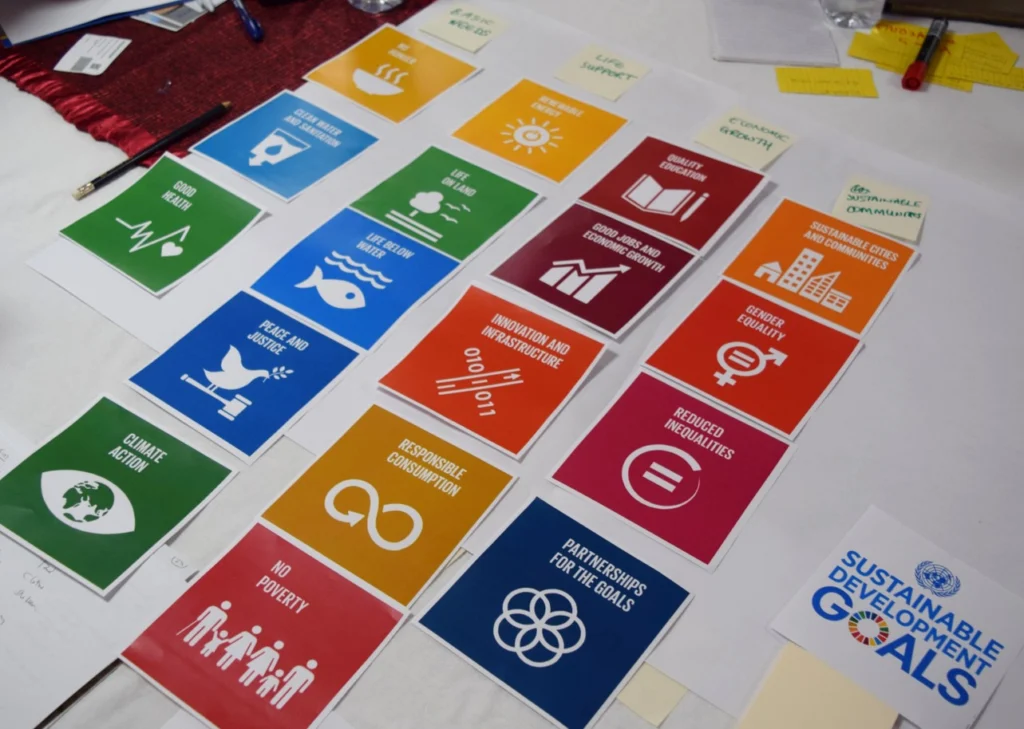
How do you monitor an internationally disruptive volcanic eruption? How can you communicate SDGs in an Earth Science class? Jesse Zondervan’s Nov 13 – Dec 13 2017 #GfGDpicks #SciComm
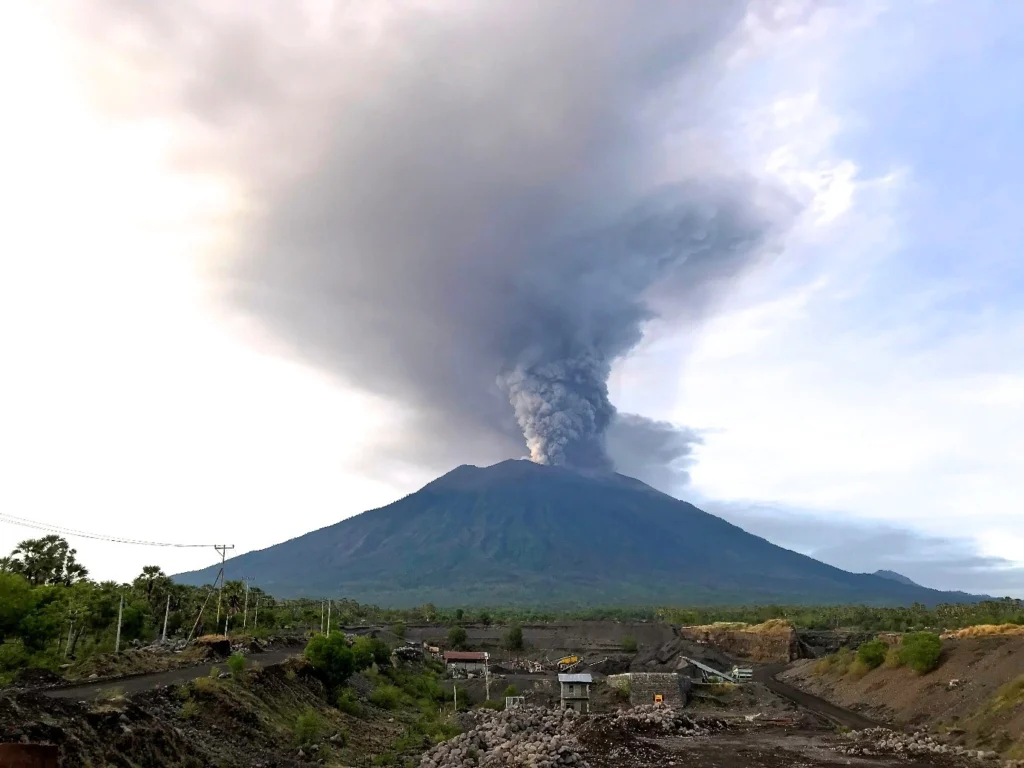
Each month, Jesse Zondervan picks his favourite posts from geoscience and development blogs/news, relevant to the work and interests of Geology for Global Development . Here’s a round-up of Jesse’s selections for the past four weeks: Bali’s Mount Angung started erupting ash this month, and a post on the Pacific Disaster Center’s website gives you an insight into the …[Read More]
Heather Britton: Can Animals be Used to Predict Earthquakes?
One of the most common questions faced by the disaster risk reduction community relates to earthquake prediction (see this Geological Society briefing on prediction vs. forecasting). The disaster risk reduction community, however, would perhaps argue that improved buildings, reduction in poverty, and improved governance are a greater priority than predicting earthquakes. Even so, there are …[Read More]
Jesse Zondervan’s #GfGDPicks (Nov 2017): How did people in ancient times fare during climate changes? Should we use geoengineering? #SciComm
Each month, Jesse Zondervan picks his favourite posts from geoscience and development blogs/news, relevant to the work and interests of Geology for Global Development . Here’s a round-up of Jesse’s selections for the past month: How successful were people in the Neolithic and ancient times in adapting to climate change? Two contrasting stories emerged this month: A new study …[Read More]
Heather Britton: Sinkhole Occurrence and Mitigation
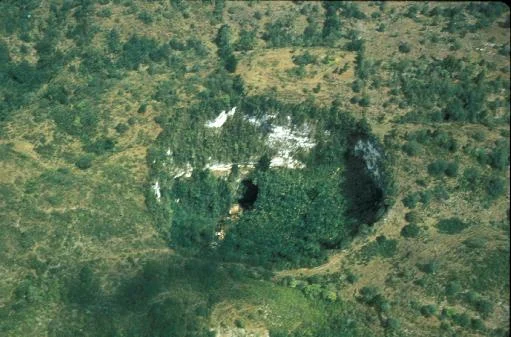
Sinkholes are often overlooked geohazards which, although far less destructive in the short-term than earthquakes and landslides, can be catastrophic to life and severely impact the built environment. This post will explore how these features form and the strategies that have been adopted to predict their appearance. It will also consider how urbanisation in karstic …[Read More]
Jesse Zondervan’s #GfGDPicks (Oct 2017): Tsunami risk in Geneva, storms in Mumbai, floating runways in Fiji, a river with legal rights, #SciComm
Each month, Jesse Zondervan picks his favourite posts from geoscience and development blogs/news, relevant to the work and interests of Geology for Global Development . Here’s a round-up of Jesse’s selections for the past two weeks: If you thought we were safe from Tsunamis in Europe, think again. I was surprised to find out Geneva …[Read More]
New Paper: Geoscience Engagement in Global Development Frameworks
We have recently contributed to a new open access article included in a special volume coordinated by the International Association for Promoting Geoethics (IAPG). This article, synthesises the role of geoscientists in the delivery of the UN Sustainable Development Goals, the Sendai Framework for Disaster Risk Reduction, and the Paris Climate Change Agreement, and discusses ways in …[Read More]
Guest Blog: Could agroforestry do more to protect Rwandans from hazardous landslides?
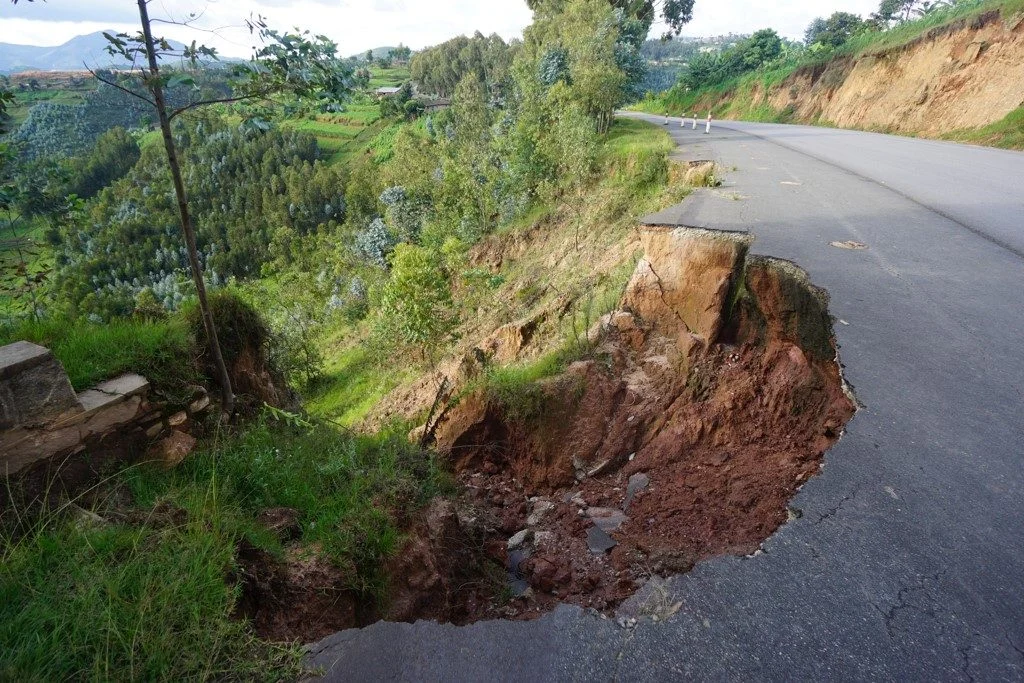
Megan Jamer is a geoscientist from Canada, and an avid cyclist and explorer. Megan is currently travelling around East Africa on bicycle, taking in some remarkable sites and observing first hand the relationship between geoscience and sustainable development. Today Megan makes her debut on the GfGD blog site, writing on the relationship between agroforestry, landslides, …[Read More]
GfGD Annual Conference 2017
Since 2013, Geology for Global Development (GfGD) has organised an annual conference exploring the role of geologists in fighting poverty and sustainable development. Each event has gathered 100-150 participants (with >80% being students and early-career geoscientists) to engage with experts from academia, the private sector, the public sector and civil society. Our annual conference is a highlight …[Read More]
Friday Photo: Pressure ridges from the Kaikoura earthquake
This photo was taken by Jack Williams from the University of Otago during mapping of the surface rupture from the recent Kaikoura earthquake. It shows pressure ridges in road from subsidiary strand of Hundalee Fault. You can read more about his field work on yesterday’s blog.