Geology for Global Development

Earthquakes

Using Geoscience Skills to Improve Global Health; Integrating Indigenous Knowledge and Science. That and more in Jesse Zondervan’s Apr-Jul #GfGDpicks #SciComm
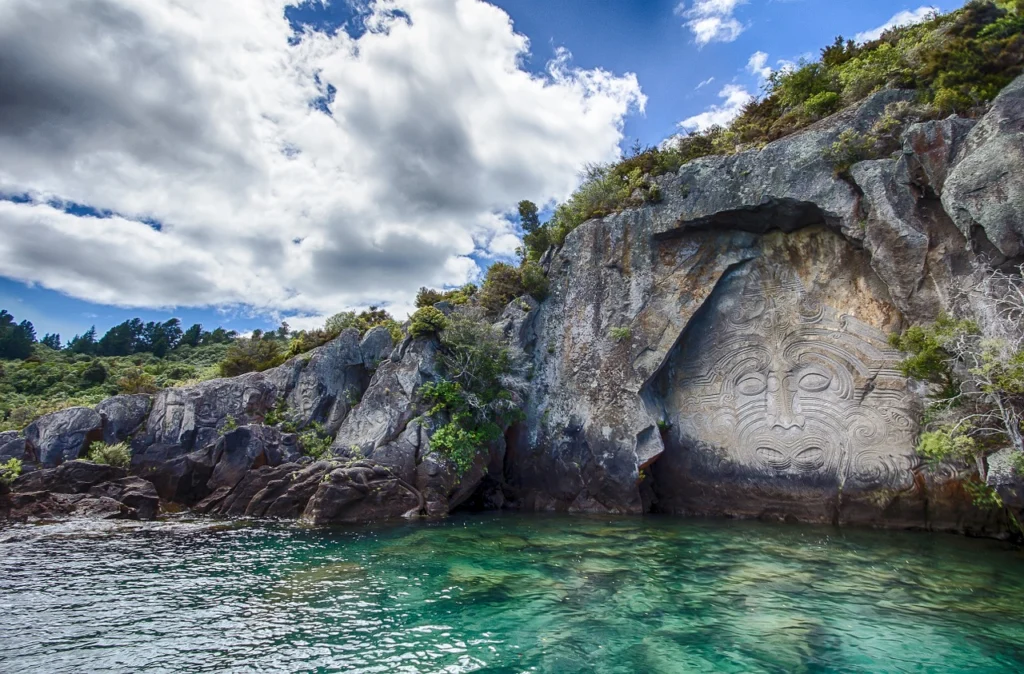
Using Geoscience Skills to Improve Global Health; Integrating Indigenous Knowledge and Science. That and more in Jesse Zondervan’s Apr-Jul #GfGDpicks #SciComm
Jesse Zondervan picks his favourite posts from geoscience and development news which cover the geology for global development interest. Here’s a round-up of Jesse’s favourite selections for the last four months of 2020: In the words of Sarah Derouin at AGU’s Eos “some geoscientists have seen their productivity grind down to plate tectonics speeds while …[Read More]

Why California is least prepared for earthquakes. Increasing pressure on geoengineering. Tackling the challenge of groundwater. Jesse Zondervan’s July 2019 #GfGDpicks #SciComm

Why California is least prepared for earthquakes. Increasing pressure on geoengineering. Tackling the challenge of groundwater. Jesse Zondervan’s July 2019 #GfGDpicks #SciComm

Each month, Jesse Zondervan picks his favourite posts from geoscience and development blogs/news which cover the geology for global development interest. Here’s a round-up of Jesse’s selections for the last month: Earthquake preparedness in the US Last month has seen two strong earthquakes in California, and in an interview with CNN seismologist Dr Lucy Jones …[Read More]

Are we ready for water stress? The potential locations for undiscovered water sources. Investment in earthquake resilience in Tokyo and China. That and more in Jesse Zondervan’s June 2019 #GfGDpicks #SciComm

Are we ready for water stress? The potential locations for undiscovered water sources. Investment in earthquake resilience in Tokyo and China. That and more in Jesse Zondervan’s June 2019 #GfGDpicks #SciComm

Each month, Jesse Zondervan picks his favourite posts from geoscience and development blogs/news which cover the geology for global development interest. Here’s a round-up of Jesse’s selections for the last month: As temperatures in Europe surge, one may not find it difficult to imagine water will be in demand. However, nearly one-fifth of the world’s …[Read More]

When are Californian earthquakes coming back with vengeance? How does climate-change-induced flooding increase inequality? Lessons from Cyclone Idai; that and more in Jesse Zondervan’s April 2019 #GfGDpicks #SciComm

Aftermath damage of the San Francisco earthquake of 1906

Each month, Jesse Zondervan picks his favourite posts from geoscience and development blogs/news which cover the geology for global development interest. Here’s a round-up of Jesse’s selections for the last month: California seems to be overdue for earthquakes, meaning there has been a so-called earthquake ‘drought’ in the last century. Paleoseismic studies show that this …[Read More]

Climate migration needs to be predicted and planned now. Geoengineering can slow down sea level rise but could also lead to international conflicts. CO2 as a natural resource. All in Jesse Zondervan’s Mar 8 – Apr 4 2018

Climate migration needs to be predicted and planned now. Geoengineering can slow down sea level rise but could also lead to international conflicts. CO2 as a natural resource. All in Jesse Zondervan’s Mar 8  – Apr 4 2018

Each month, Jesse Zondervan picks his favourite posts from geoscience and development blogs/news which cover the geology for global development interest. Here’s a round-up of Jesse’s selections for the last month: Imagine 140 million people across sub-Saharan Africa, south Asia and Latin America migrating in response to climate change effect, by 2050. This is what …[Read More]

Heather Britton: Can Animals be Used to Predict Earthquakes?

Heather Britton: Can Animals be Used to Predict Earthquakes?

One of the most common questions faced by the disaster risk reduction community relates to earthquake prediction (see this Geological Society briefing on prediction vs. forecasting). The disaster risk reduction community, however, would perhaps argue that improved buildings, reduction in poverty, and improved governance are a greater priority than predicting earthquakes. Even so, there are …[Read More]

Jesse Zondervan’s #GfGDPicks (Nov 2017): How did people in ancient times fare during climate changes? Should we use geoengineering? #SciComm

Jesse Zondervan’s #GfGDPicks (Nov 2017): How did people in ancient times fare during climate changes? Should we use geoengineering? #SciComm

Each month, Jesse Zondervan picks his favourite posts from geoscience and development blogs/news, relevant to the work and interests of  Geology for Global Development . Here’s a round-up of Jesse’s selections for the past month: How successful were people in the Neolithic and ancient times in adapting to climate change? Two contrasting stories emerged this month: A new study …[Read More]

Friday Photo: Pressure ridges from the Kaikoura earthquake

This photo was taken by Jack Williams from the University of Otago during mapping of the surface rupture from the recent Kaikoura earthquake. It shows pressure ridges in road from subsidiary strand of Hundalee Fault. You can read more about his field work on yesterday’s blog.

Earthquake Education in Central Asia

Join us on Thursday 29th October at King’s College London, for a special documentary viewing and discussion with Solmaz Mohadjer, founder of earthquake-education charity ‘Parsquake’. Parsquake is an organisation working to develop, implement, improve and distribute earthquake education packages all around Central Asia, particularly Tajikistan, Afghanistan, and Iran. Solmaz Mohadjer, a seismic hazards researcher at …[Read More]

Nepal Earthquakes – Latest Reading

Whilst geologists are often trained in the technical aspects of natural hazards, our courses are often devoid of information on what causes disasters, how we can better avoid them and effective disaster management. Recent events in Nepal highlight that hazard does not simply equal disaster, but that we must understand what drives exposure and vulnerability to be so …[Read More]