After 3 years of blogging, (can you believe Jenga has been going for 3 years already?!), the time has come to wave goodbye to the EGU Blog network. Dan and I have very much enjoyed being part of this active, fun and engaging community of geoscience bloggers. However, our circumstances have changed signifiantly since we embarked on this journey. We no longer work at the same Univeristy, nor are we ...[Read More]
Geoscience outreach- why it matters and how to get involved
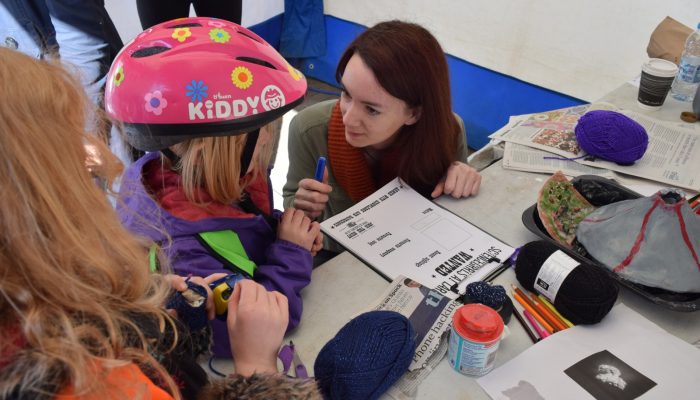
This post is brought to you by Natasha Dowey, a dear friend and a volcanologist turned petroleum geologist. Just like us, Natasha has a passion for outreach. In this post she explains why it matters and a number of ways you can get involved. The importance of communication in geoscience is becoming ever more widely recognised. Researchers are being encouraged to step out of their comfort zones, lo ...[Read More]
Media skills for scientists – how to get them!
I certainly don’t need to write at any length about the fact I think it is crucial that scientists communicate their research with the public. Over the summer we’ll be sharing a few posts on this very subject. To get the ball rolling I thought I’d focus on one aspect of science communication (#scicomm): how to get your research out there to the media, be it written press, radio o ...[Read More]
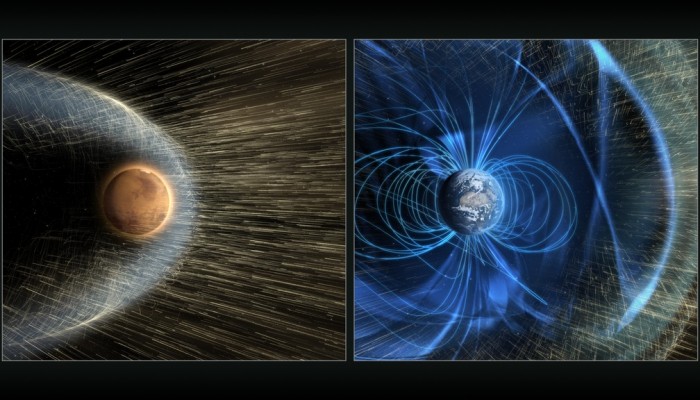
The coolest way to visualise how planets work
It’s not always easy visualising the complex processes which operate on planet Earth. Even more difficult, at least for me, is explaining them to others. That’s why I’m always on the look out for tools that might just help me with that and which I can share with others too. Enter the NASA Visualisation Explorer, and the Scientific Visualization Studio (SVS), which I came across r ...[Read More]
How to survive your PhD – A free online course
“The Ph.D. is an emotional roller coaster, and how well students react to these emotional pressures is crucial to their success, ” says Inger Mewburn, of The Thesis Whisperer fame and Director of research training at the Australian National University. With the emotional and personal strain a PhD can cause, I couldn’t agree with Inger more. During my PhD journey, this was an aspect that I fe ...[Read More]
Help! I’m appearing as a scientific expert on TV
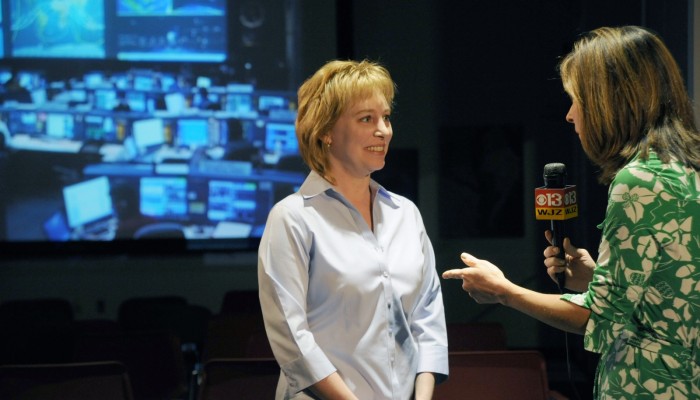
At the beginning of the year, the small village of Rutland, in the heart of the UK, was hit by a 3.8 Magnitude earthquake. The quake didn’t cause any significant damage or injuries, but hit the headlines as seismic activity is a bit of a novelty in the UK! In the wake of the quake, the UK press and media picked up the story and sought the opinions of experts to take part in interviews and give the ...[Read More]
A new initiative for Communicating Geomorphology
It has been too long since my last post as the full impact of Post-doc life took hold: it’s been fascinating, fulfilling and fatiguing in equal measure. One recent development I’m delighted to compose a post about is a new initiative I’m helping to launch. It’s a Working Group aimed at evaluating how we, the geomorphology community, have communicated our science in the past ...[Read More]
A real-world example of ‘networking’ success
One piece of advice that Early Career Researchers (certainly including PhD students) encounter repeatedly is this concept of ‘developing academic networks’ that may potentially lead to collaborative research and ideally a job in the future. I often wondered what on earth that actually meant when I started my PhD. Attending conferences and speaking to colleagues is certainly fun, interesting and in ...[Read More]
Outreach on the slopes.
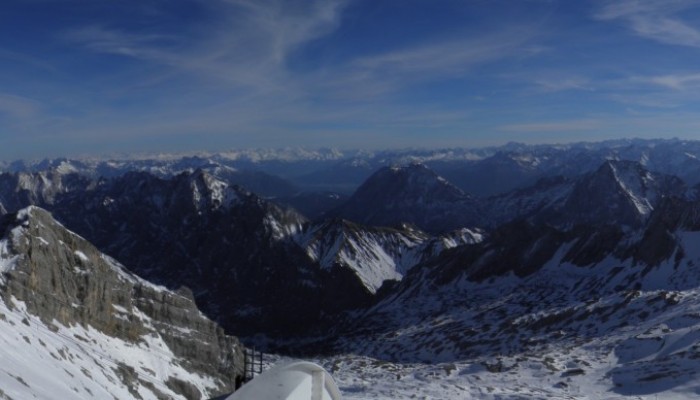
One of the beauties of living in Munich is that the Alps are, practically, on your door step. As I mentioned in one of our more recent posts, now that I am here, I’m looking forward to exploring the city, its surroundings and further afield! Making it to the top That is exactly what I did a few weekends ago. After a little research, I chose to visit the town of Garmisch-Partenkirchen, at the footh ...[Read More]
Some handy tips towards stress-free PhD completion…
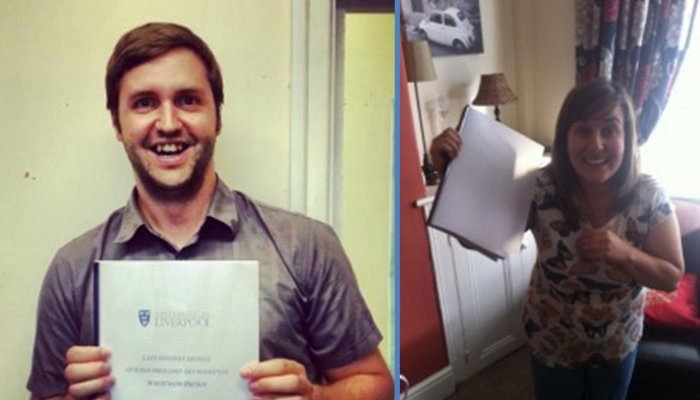
Laura and I both submitted our theses at the end of September after four years of intense work. We felt there’d be some value (nostalgic to ourselves, hopefully useful to others) in putting together some tips of our own now that we can look back on our achievements. There are loads of brilliantly-written and extremely useful posts providing advice on the pastoral side of undertaking a PhD, such as ...[Read More]