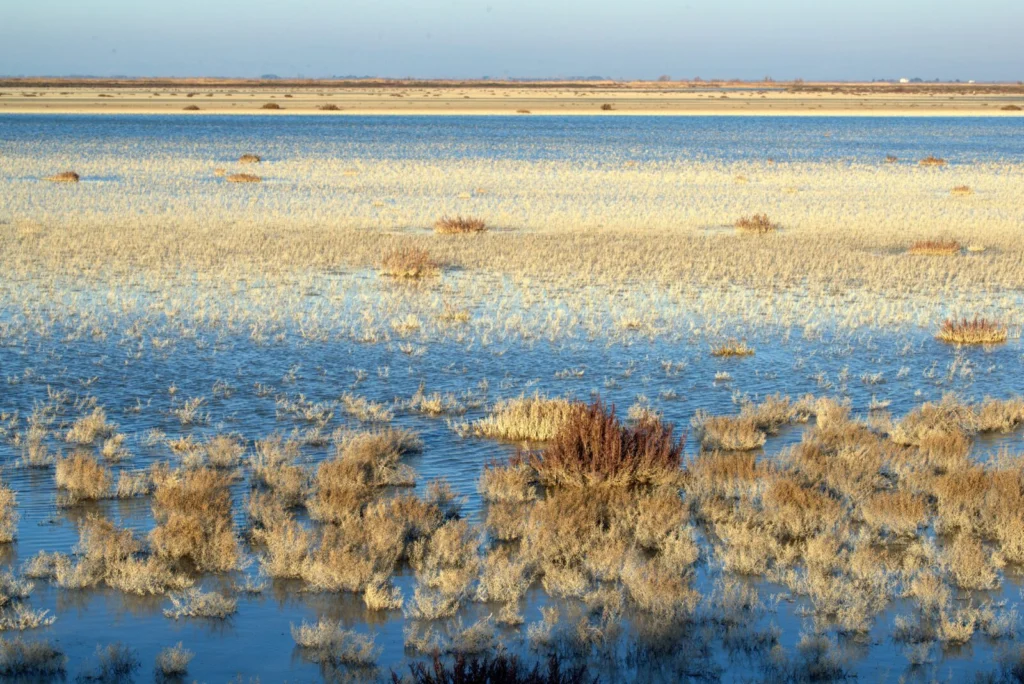
Today marks World Wetlands Day, and this year, the theme is Wetlands and traditional knowledge: Celebrating cultural heritage. Each year, February 2 is a day dedicated to recognising wetlands as places that store carbon, protect water, and hold complex cultural meaning. Wetlands such as mangroves, salt marshes, seagrass beds, peatlands, and floodplains are extremely good …[Read More]
wetlands
GeoTalk: Rita Carrasco: Researcher in wetlands biogeormorphology and EGU Biodiversity Task Force member
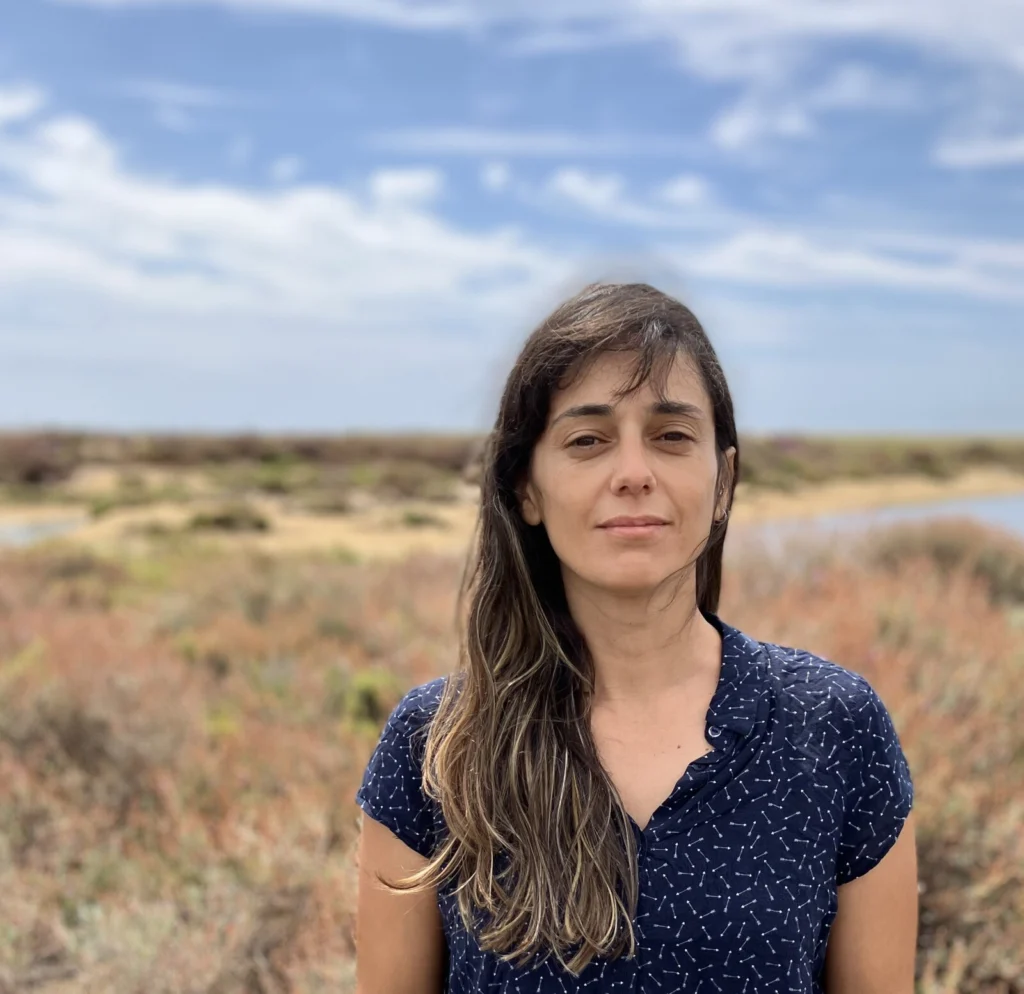
Rita, welcome to GeoTalk! Can you tell us a bit about what initially drew you to the field of coastal geomorphology and wetland ecosystems? Thanks for inviting me! My academic background is in environmental engineering, with a lifelong passion for coastal areas and geomorphology. The real inspiration comes from a constant desire to contribute to …[Read More]
Swamps may be considered spooky, but is there more than meets the eye?
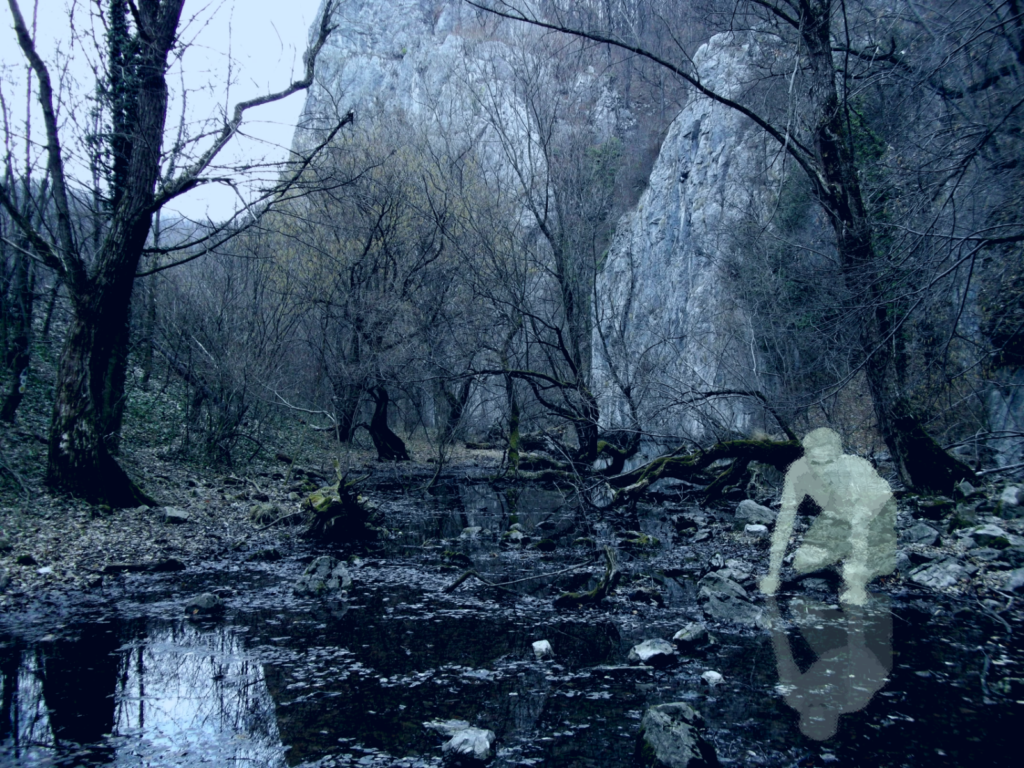
Swamps are spooky. This is the prevailing notion from the depiction of wetlands – the saturated lands of swamps, bogs, and fens – in the media. From the folktales of Will-o’-the-Wisps guiding travellers astray to the many, many swamp monsters of Scooby Doo, the sign is clear: a scrawled “stay away from here” thrust deep …[Read More]
When nature isn’t “natural”: Reflections on World Wetlands Day
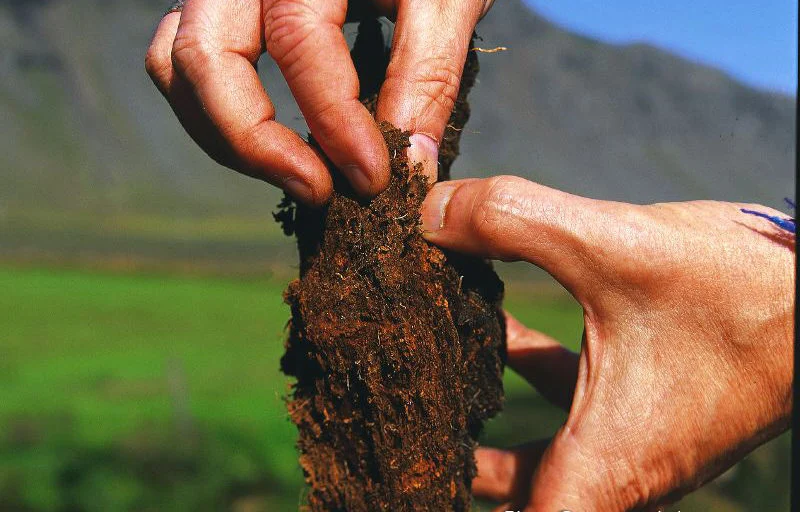
In 1821, peat cutters discovered a body similar to a mummy, pinned down by two wooden stakes deep in the mud. The body’s face still held red hair and a beard, their teeth were well preserved, and a hoop of willow was wrapped around their throat. But this wasn’t the dry, hot climate of Egypt …[Read More]
Imaggeo On Monday: A steady silent witness
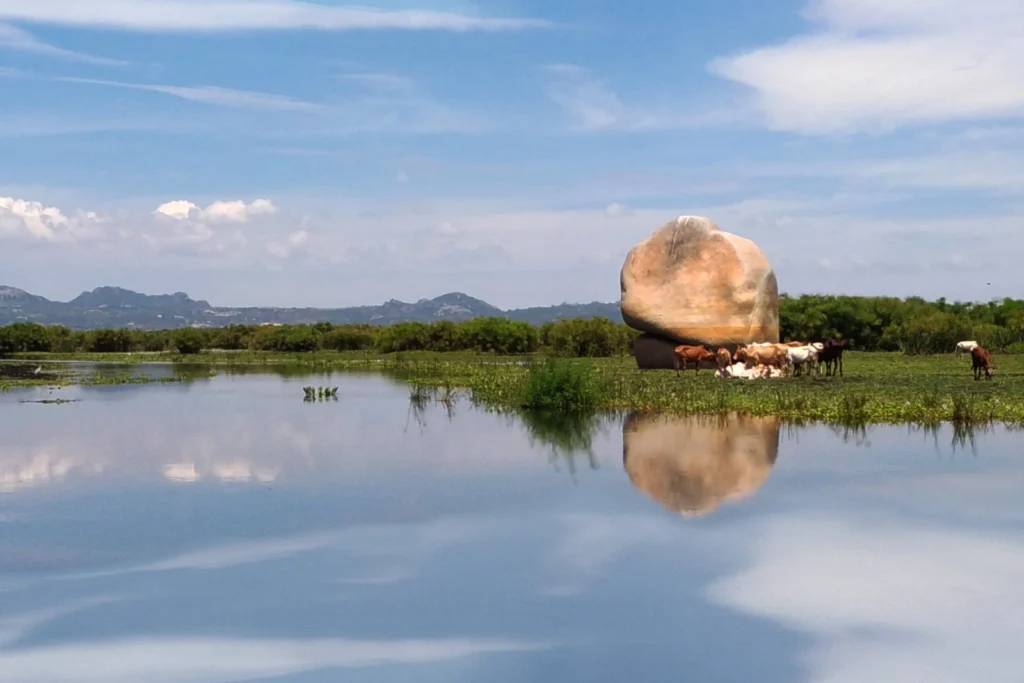
I took this picture during a sunny field work day in the Mara Wetland, Tanzania. The granitic inselberg appeared to me as a huge silent witness not only of siltation and inundation of the wetland but also of the human actions. Slash-and-burn is widely used to deforest lands and riparian vegetation for new crops and …[Read More]
Imaggeo On Monday: The kidneys of the Planet
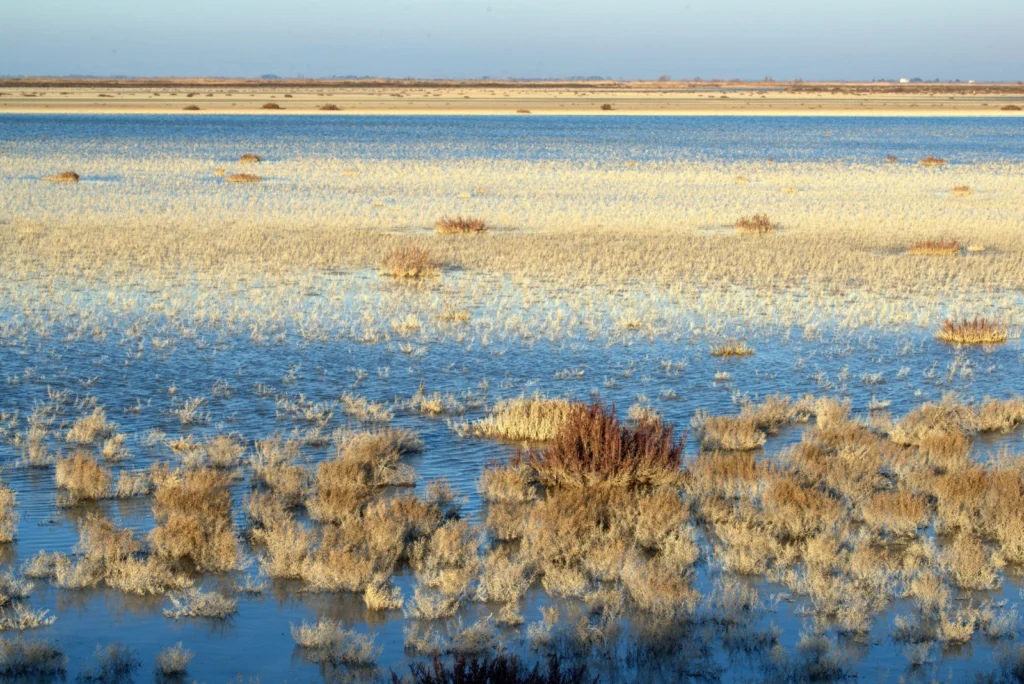
In the past, humans considered wetlands as morbid environments where it was difficult, if not impossible, to live. Wetlands, instead, are vital to the health of wildlife and humans, as the Ramsar convention stated in 1971. Wetlands regulate the water flow, buffering droughts as well as floods, and also contribute to the provision of clean …[Read More]
Imaggeo on Mondays: Ice forming on Chesapeake Bay
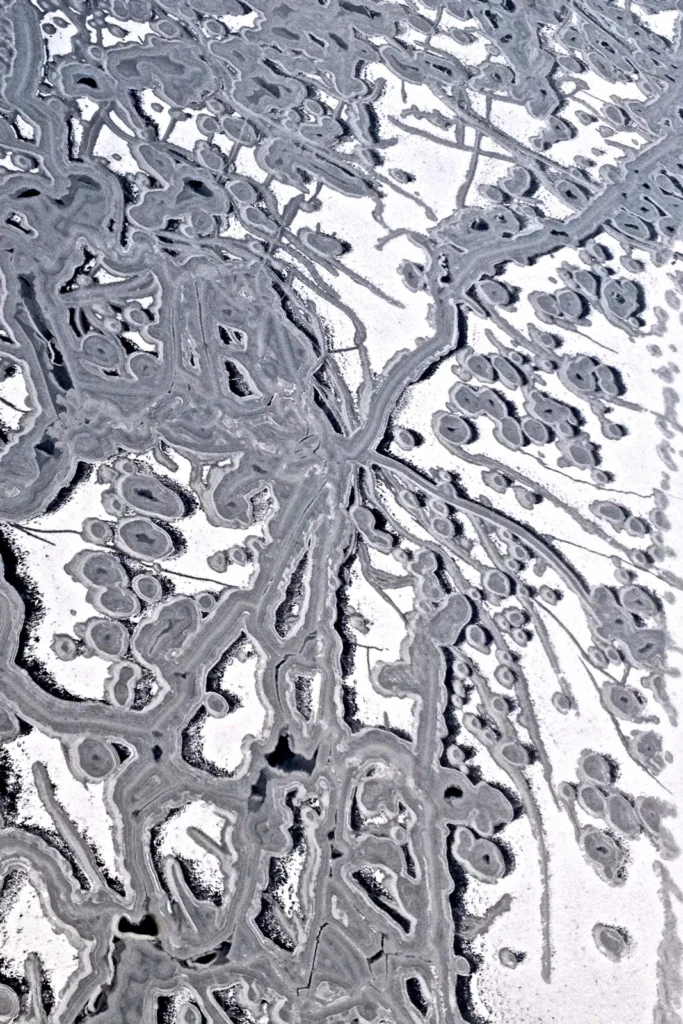
Sandwiched between the U.S states of Mayland, Delaware, Pennsylvania, New York State, the District of Columbia and Virginia, lies Chesapeake Bay, the largest estuary in North America. It is of huge ecological importance: “the bay, its rivers, wetlands and forests provide homes, food and protection for countless animals and plants”, says the Chesapeake Bay Program. …[Read More]