GeoLog

united nations

The world of hydrography calls for more hands on deck
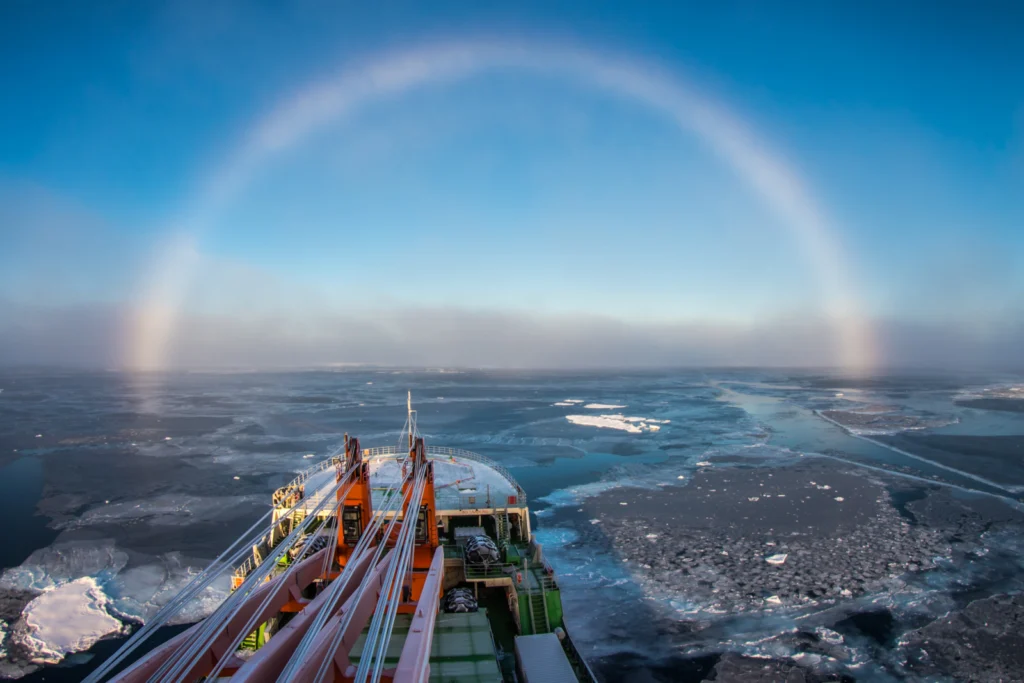
The world of hydrography calls for more hands on deck
This week on 21st June, governments around the world observed World Hydrography Day to celebrate the role of hydrography in understanding the seas. Though initially thought to be a field limited to the navigation of ships, hydrography is being increasingly recognized for its knowledge contribution to the oceans, seas, coastal areas, lakes and rivers, as well as with predicting their change over ti ...[Read More]

Why single solution strategies cannot solve the plastic pollution problem

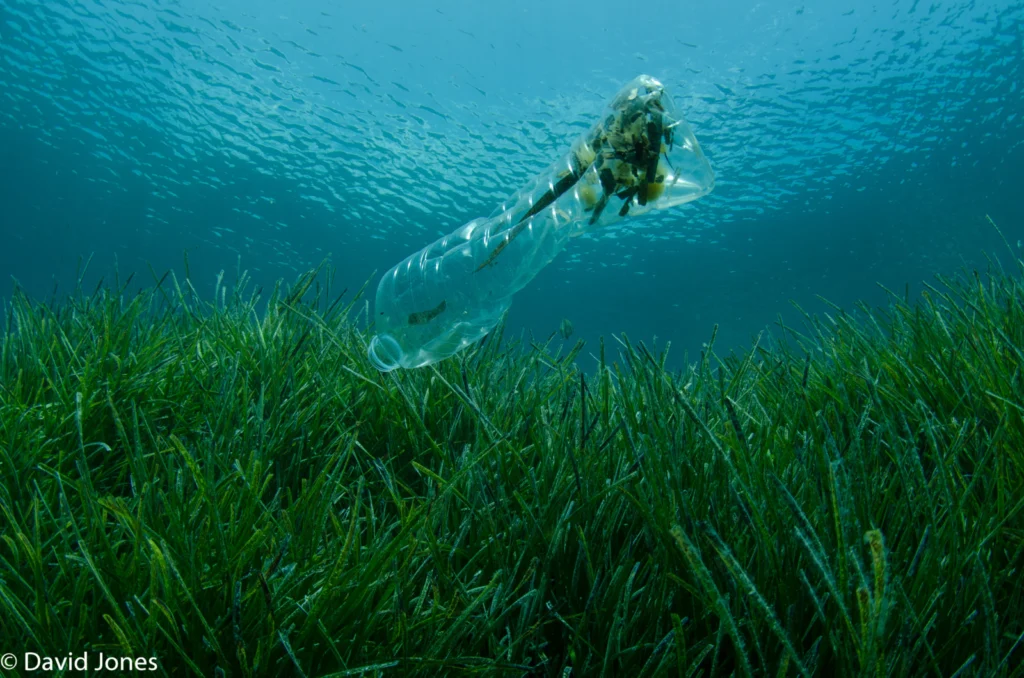
Why single solution strategies cannot solve the plastic pollution problem

It appears that plastics have well and truly invaded even our most inaccessible environments: the deepest point in the ocean (the Mariana trench) and the highest mountain peak in the world (Mt. Everest) both contain pieces of plastic from human activities miles away. With plastic waste flowing into aquatic ecosystems expected to nearly triple by 2040, it is safe to say that nature is in “emergency ...[Read More]

Sustainable Energy Geoscientist reflects on UN’s COP27

Sustainable Energy Geoscientist reflects on UN’s COP27

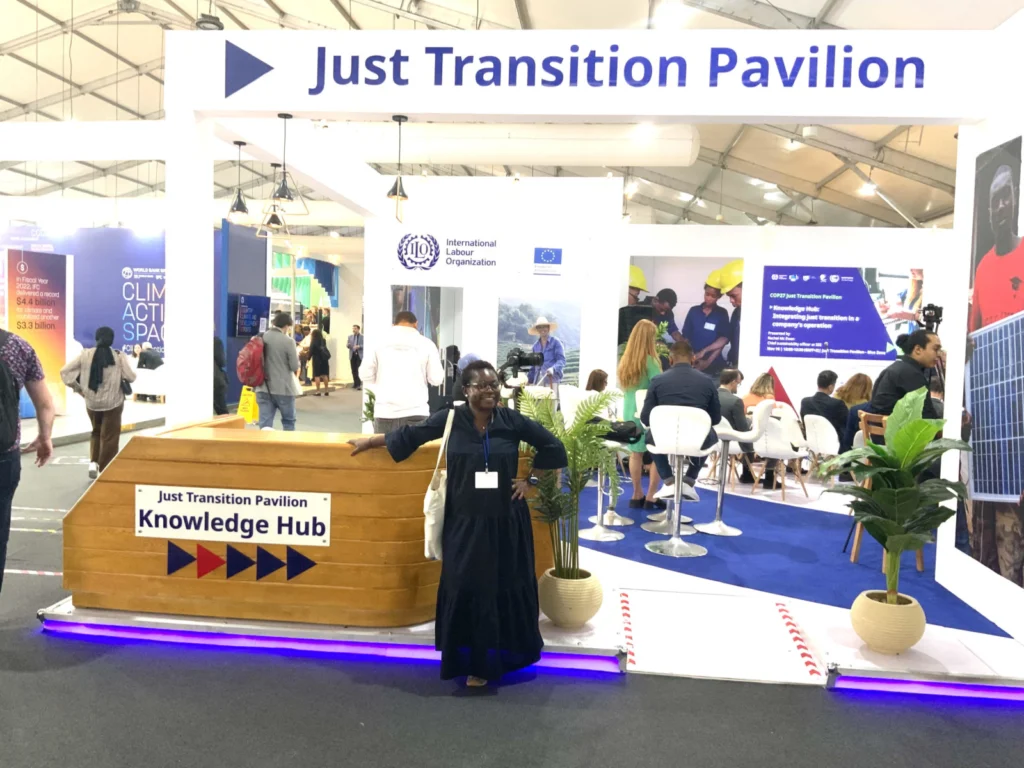
This year, from 6 to 20 November, the United Nation’s COP27 took place in Sharm el-Sheikh in Egypt. The conference hosted several high-level and side events, key negotiations and press conferences, attended by more than 100 Heads of State and Governments and over 35,000 participants who deliberated climate action strategies around the world. I had the chance to speak with Dr Munira Raji about her ...[Read More]

An ocean emergency is upon us. Can the world reverse ocean decline?

An ocean emergency is upon us. Can the world reverse ocean decline?

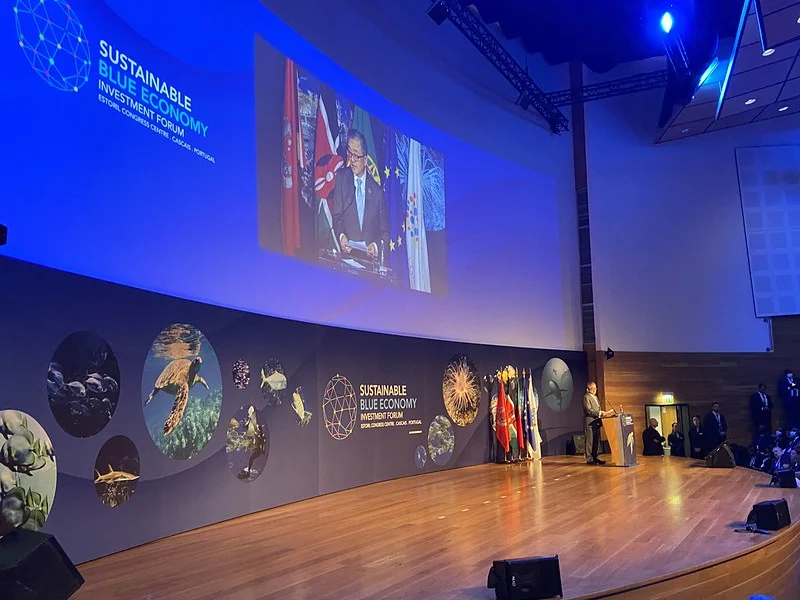
“The ocean is not too big to fail, nor is it too big to fix, but it is too important to ignore.” Last week, Dr Jane Lubchenco voiced a thought we’ve all had at some point: that the ocean is so vast and bountiful, it is almost inconceivable that people could impact it. And yet… Speaking to more than 20 Heads of State and Government, and an audience of thousands of policymakers, ocean scientists, bu ...[Read More]

The Sendai Framework – a five year review

The Sendai Framework – a five year review

The Sendai Framework for Disaster Risk Reduction 2015-2030 is a set of agreed commitments for member states of the United Nations to act on the prevention of ‘new’ disasters and reduce existing disaster risk through the implementation of integrated and inclusive economic, structural, legal, social, health, cultural, educational, environmental, technological, political and institutional measures. T ...[Read More]

GeoTalk: Joel Gill discusses the UN’s Sustainable Development Goals and the ‘Decade of Action’

GeoTalk: Joel Gill discusses the UN’s Sustainable Development Goals and the ‘Decade of Action’

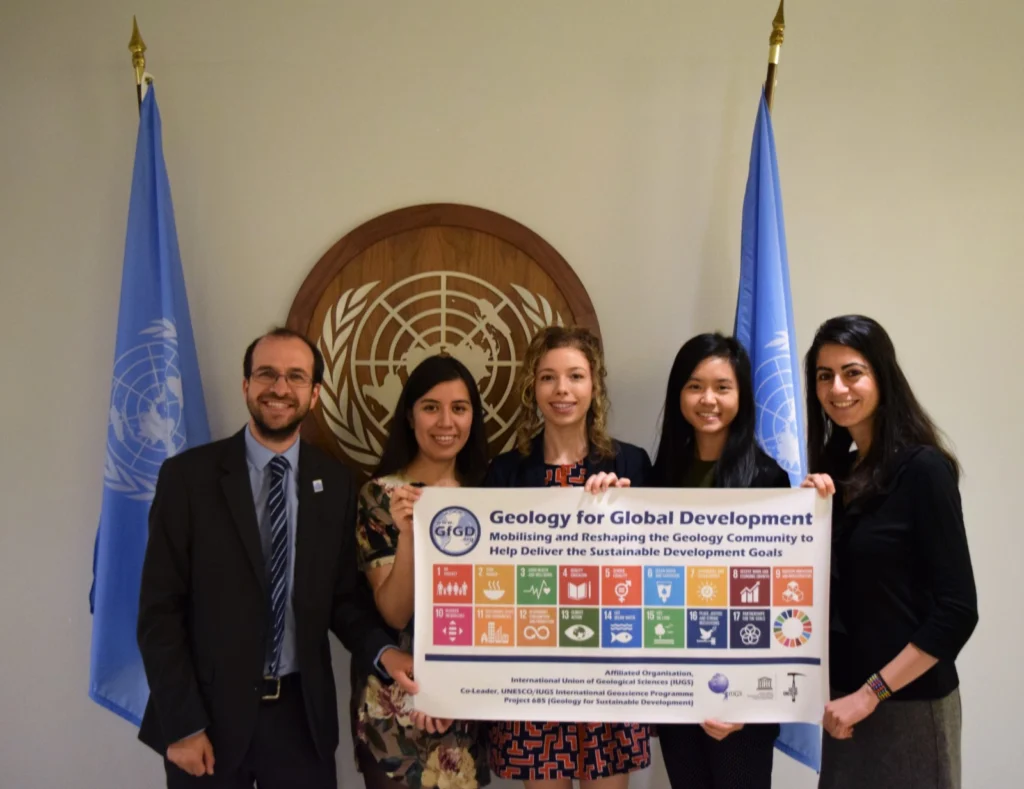
Geotalk is a regular feature highlighting early career researchers and their work. In this interview we speak with Joel Gill who a geoscientist, based in the UK, who works at the British Geological Survey, supporting their international development programmes, whilst also researching multi-hazards and disaster risk reduction. In addition he leads a not-for-profit organisation, Geology for Global D ...[Read More]

October GeoRoundUp: the best of the Earth sciences from around the web

October GeoRoundUp: the best of the Earth sciences from around the web

Drawing inspiration from popular stories on our social media channels, major geoscience headlines, as well as unique and quirky research, this monthly column aims to bring you the latest Earth and planetary science news from around the web. Major story In October, the UN Intergovernmental Panel on Climate Change (IPCC) released a landmark report and summary statement that detailed the severe conse ...[Read More]

GeoPolicy: Making a case for science at the United Nations

GeoPolicy: Making a case for science at the United Nations

This month’s GeoPolicy is a guest post by the International Council for Science (ICSU). Based in Paris, the organisation works at the science-policy interface on the international scale. Here, Heide Hackmann, Executive Director at ICSU, highlights key initiatives ensuring science is present within the United Nations (UN) and explains how ICSU and the scientific community can support these pr ...[Read More]