GeoLog

sea level rise

Cultural heritage: an overlooked yet critical aspect of climate change

Cultural heritage: an overlooked yet critical aspect of climate change

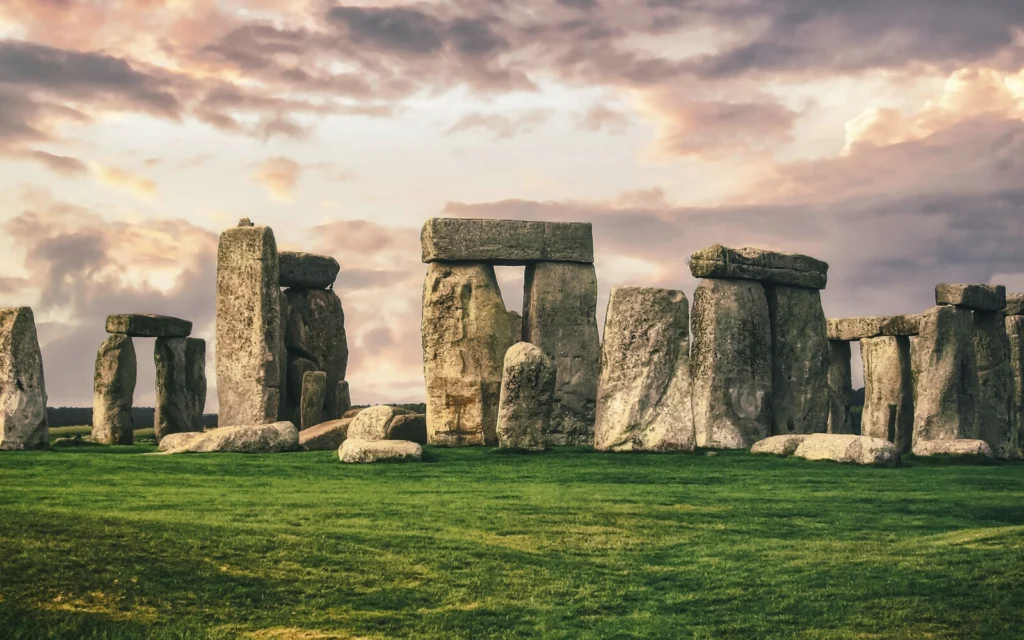
In June 2024, climate activists sprayed Stonehenge orange, demanding urgent action from the British government to phase out fossil fuel. This divisive act evoked a destructive yet often overlooked impact of climate change: the damage and destruction of cultural heritage. We are losing our cultural heritage at an unprecedented speed and scale to climate change, …[Read More]

GeoTalk: meet Andreas Kvas, researcher of Earth’s gravity affected by climate change!

Andreas Kvas

Hello Andreas. Welcome to GeoTalk! You’re a specialist in Geodesy, and your research surveys the Earth’s spatial and gravitational properties as they relate to climate change. Could you tell us more about how Geodesy can help us understand climate change? Geodesy studies Earth’s geometric shape, orientation in space, and gravity field. Each of these components …[Read More]

A chunk of ice the size of Amsterdam: how the calving of Greenland’s glaciers has changed since the 2010 Petermann Glacier event

A chunk of ice the size of Amsterdam: how the calving of Greenland’s glaciers has changed since the 2010 Petermann Glacier event

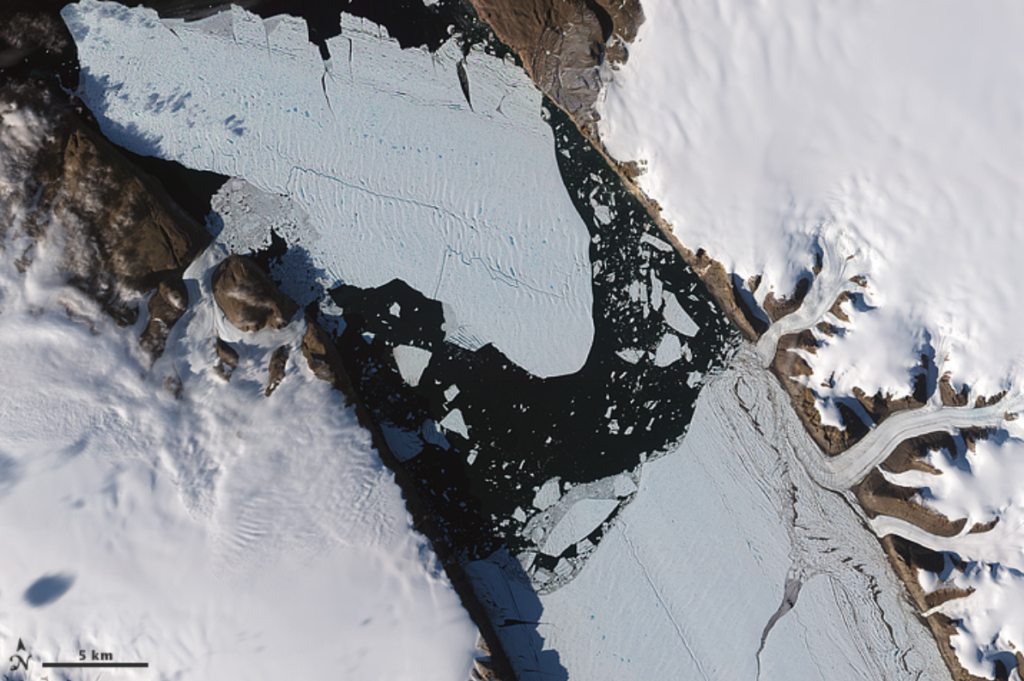
Thirteen years ago, a roughly 251 km2 chunk of ice (or 97 miles2) broke off Greenland’s Petermann Glacier. This Amsterdam-sized piece of ice was the largest to calve in the Arctic since 1962. The massive iceberg traversed the Nares Strait, which lies between Canada’s Ellesmere Island and Greenland, and into the northern part of Baffin …[Read More]

Imaggeo on Mondays: Ice forming on Chesapeake Bay

Imaggeo on Mondays: Ice forming on Chesapeake Bay

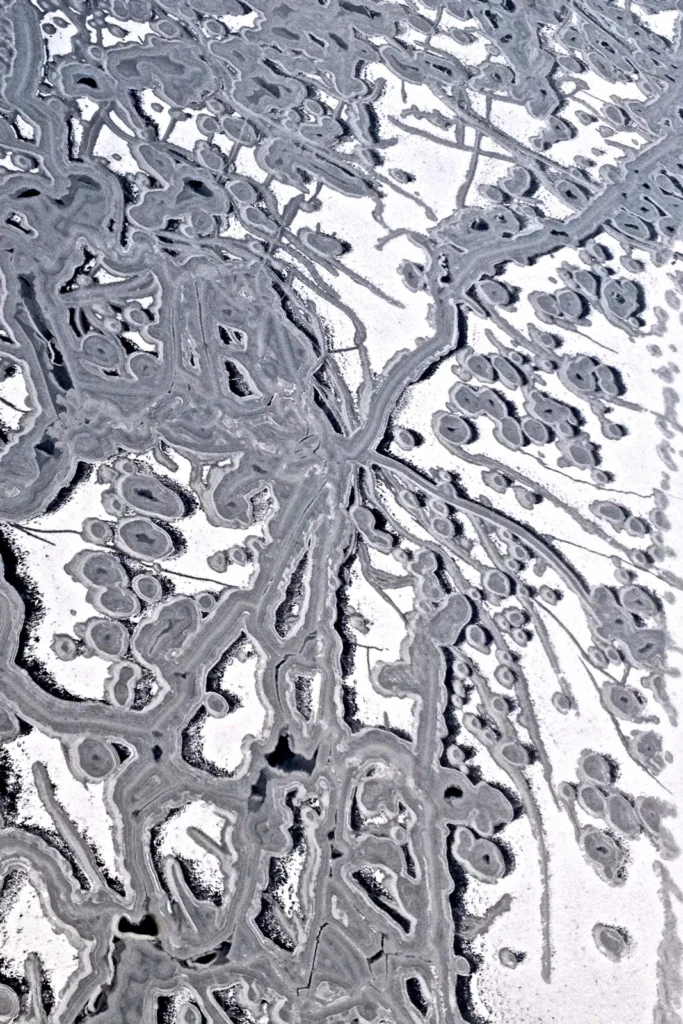
Sandwiched between the U.S states of Mayland, Delaware, Pennsylvania, New York State, the District of Columbia and Virginia, lies Chesapeake Bay, the largest estuary in North America. It is of huge ecological importance: “the bay, its rivers, wetlands and forests provide homes, food and protection for countless animals and plants”, says the Chesapeake Bay Program. …[Read More]

Sussing out sea level rise

Ocean thermal expansion, that is, the increase in water volume due to temperature alone, is relatively well understood – as is the retreat of both mountain glaciers and ice caps. While most models simulate these effectively, there is little understanding of how both the Greenland and Antarctic ice sheets will respond to climate change. This …[Read More]