GeoLog

scipol

GeoPolicy: Jump into Science for Policy at EGU26!

GeoPolicy: Jump into Science for Policy at EGU26!
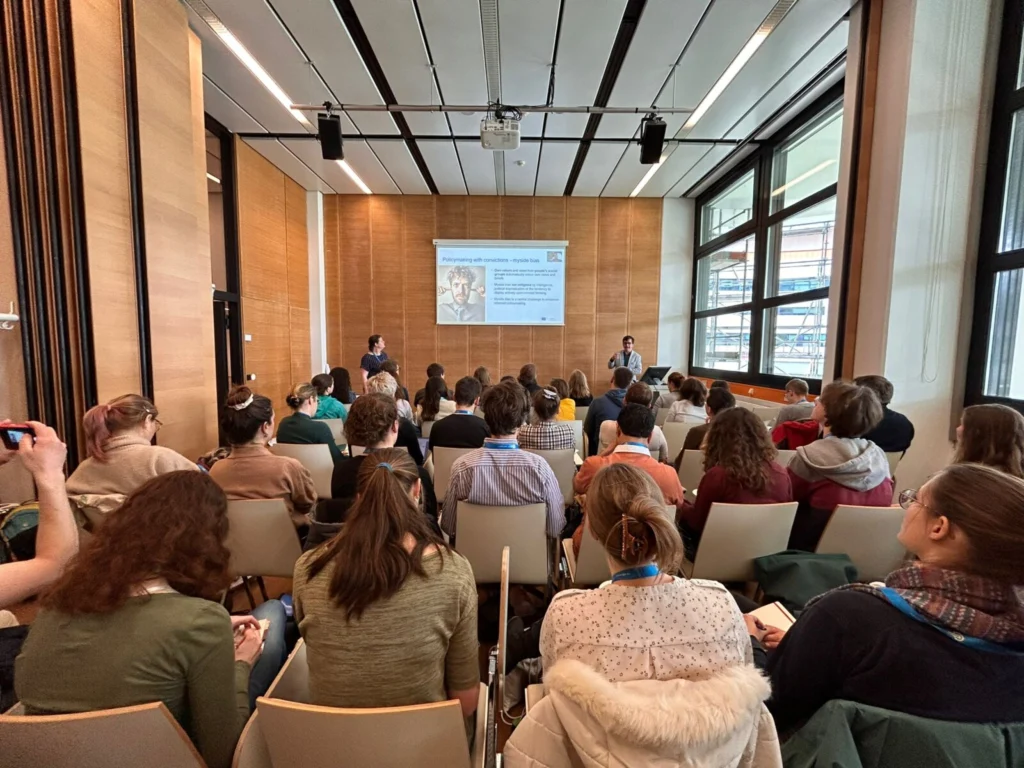
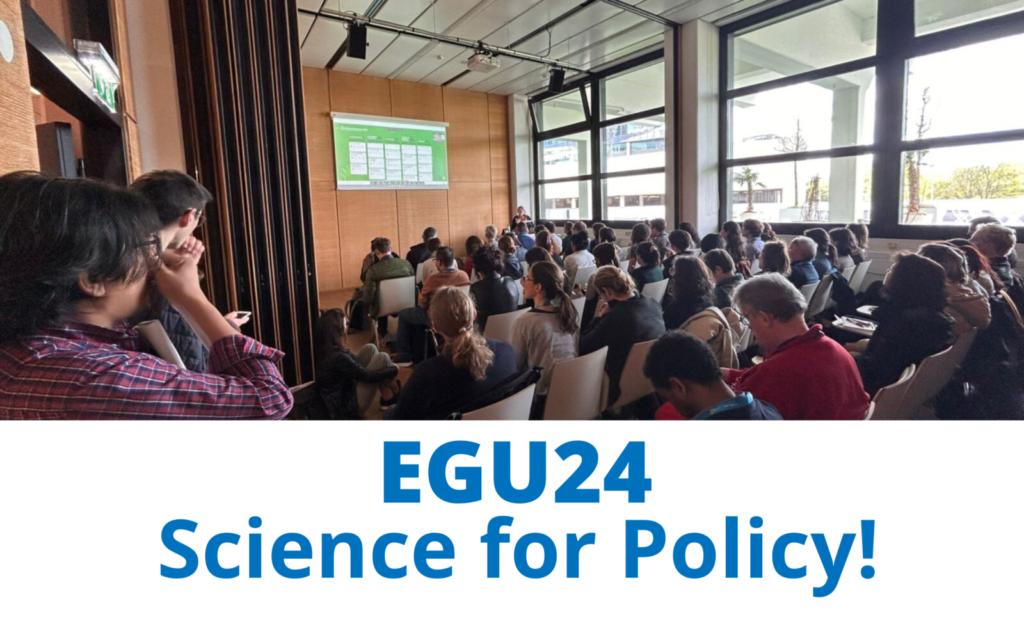
Each year, the EGU General Assembly offers a diverse programme of scientific and skills-focused sessions where participants can explore new research, grow their network, broaden their expertise, and build new skills. Among these are sessions that focus on science for policy, showcasing how researchers can start engaging in policymaking, connect with decision-makers, and create policy impact. This ...[Read More]

GeoPolicy: Your guide to engaging with science for policy at EGU25

GeoPolicy: Your guide to engaging with science for policy at EGU25

Each year, the EGU’s Science for Policy Programme at the EGU General Assembly provides participants with insights on how their research and expertise can be integrated into the policymaking process and the opportunities that exist for them to engage. This month’s GeoPolicy Blog post highlights some of the exciting #Sci4Pol sessions and initiatives that you can engage with! While this blog post hig ...[Read More]

GeoPolicy: Your guide to EGU’s 2025 science for policy activities

GeoPolicy: Your guide to EGU’s 2025 science for policy activities

The EGU’s Science for Policy Programme is continually developing and expanding to help provide EGU members with opportunities to engage with policymaking processes and to support European policymakers in making evidence-informed decisions. This GeoPolicy blog post kicks-off the New Year by outlining a few of the key science for policy activities that you can look forward to and engage with in the ...[Read More]

GeoPolicy: 10 steps for creating a knowledge synthesis for policy impact

GeoPolicy: 10 steps for creating a knowledge synthesis for policy impact

When working on legislation, policymakers often require scientific evidence or expertise to support their decision-making. Scientific information can help policymakers to identify any unintended consequences of a policy decision and access solutions that they may not have otherwise considered. In many cases, the information that researchers give to policymakers is a summary of a single study that ...[Read More]