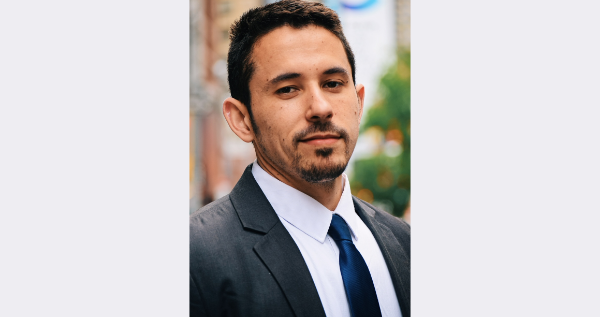
Hello Lorne – welcome to GeoTalk! Could you introduce yourself and your background to our readers? I’m Dr. Lorne Farovitch, a deaf transdisciplinary biomedical researcher and multilingual signer, fluent in more than five sign languages. I’m passionate about advancing health equity for deaf communities worldwide through community-driven research! As the founder and Executive Director of the Global ...[Read More]
risk
How to make a personal change this year: part 1 – the approach
Developing a new skill. Building a routine. At the turn of the new year, the resolution to make such changes burns strong in many. Yet good intentions often recede under the draw of familiar habits and with the waning of motivation. It’s a common sight: gyms flourish with new members in January, only for their numbers to thin as the months progress. This fatigue is common not just for exercise, bu ...[Read More]
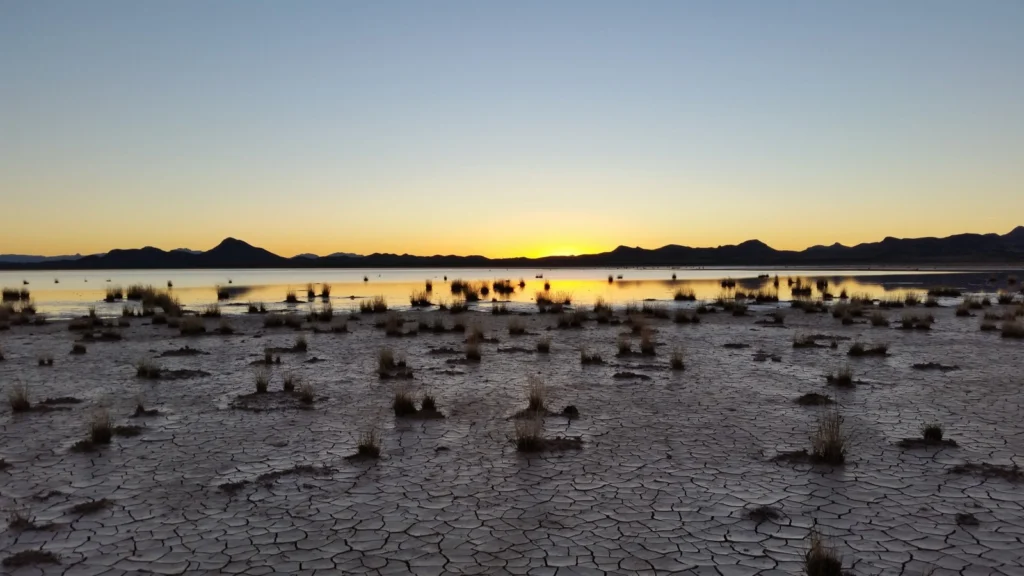
Why do we keep dismissing drought?
“If you see me, then weep” Like the foreboding inscription witnessed by Dante as he passed through the gates of Hell, the inscription chiselled into the so-called “hunger stone” marks the passing of a threshold into suffering. As the hunger stone emerges from the dwindling waters of the Elbe River, Czechia, it reveals a history of desiccation. Where spiritual torment is pro ...[Read More]
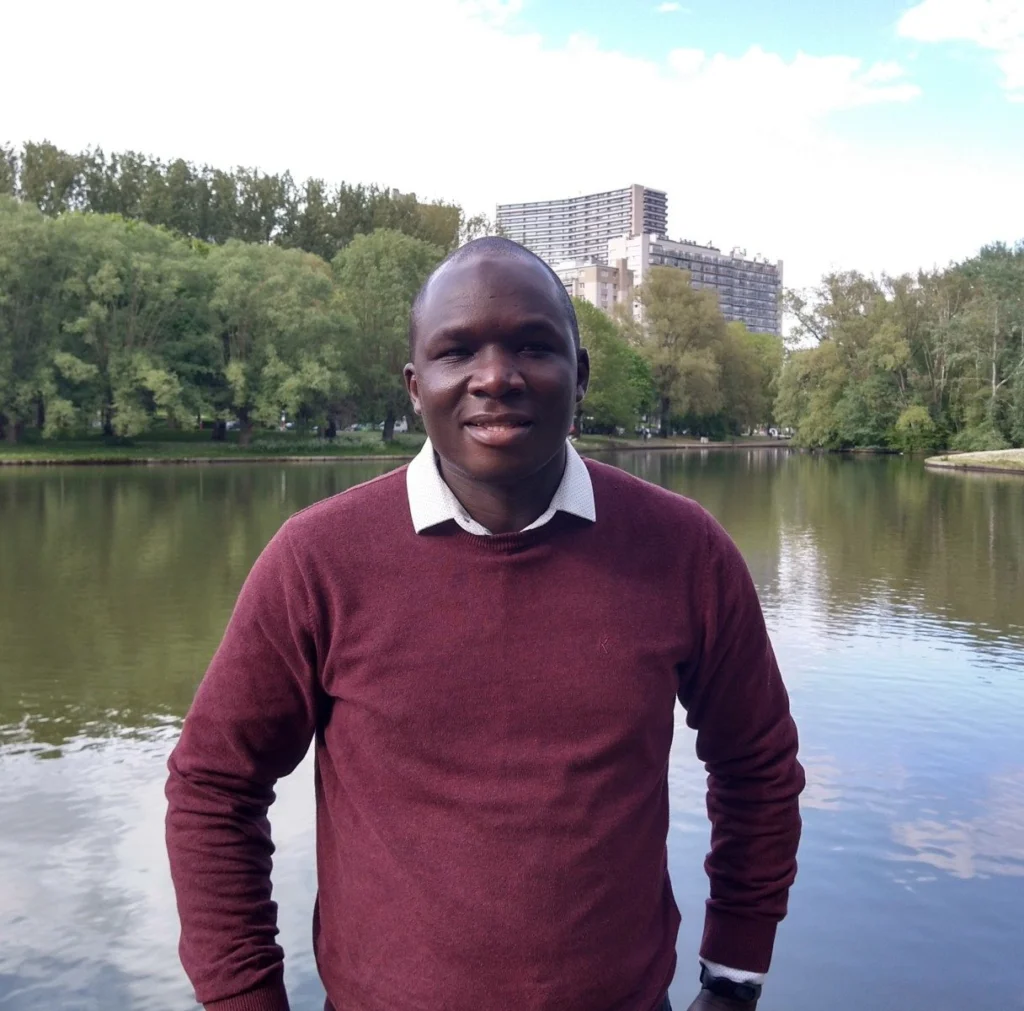
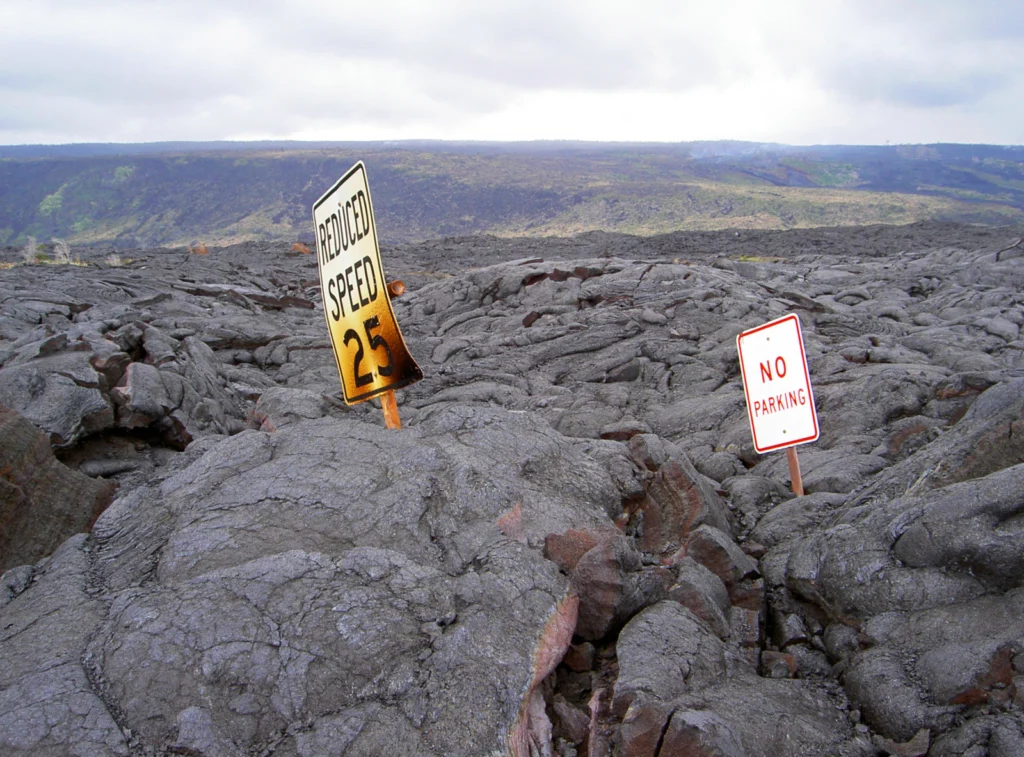
GeoTalk: meet Blaise Nyandwi, researcher in public perceptions of volcanic hazards!
Thanks for joining us today Blaise! To begin, could you talk about your background and why you pursued research on people’s perceptions of natural hazards? I have a background in geology and environmental sciences. Goma is my hometown and I work as a lecturer at the University of Goma. Living and working in a city built on lava flows and permanently threatened by several hazards from Nyiragongo vo ...[Read More]
The Sendai Framework – a five year review
The Sendai Framework for Disaster Risk Reduction 2015-2030 is a set of agreed commitments for member states of the United Nations to act on the prevention of ‘new’ disasters and reduce existing disaster risk through the implementation of integrated and inclusive economic, structural, legal, social, health, cultural, educational, environmental, technological, political and institutional measures. T ...[Read More]
LGBTQIA+ in the field
As a part of any field-based science work, whether it be as an individual scientist, research team or with students, we must first conduct a risk assessment. This often focuses on the physical dangers that you, your colleagues or students may encounter whilst working in stressful and sometimes unfamiliar environments. More recently, field-based risk assessments for physical/environmental scientist ...[Read More]
GeoPolicy: Bridging the gap between science and decision makers – a new tool for nuclear emergencies affecting food and agriculture
The International Atomic Energy Agency (IAEA) has developed an online system to assist in improving the response capabilities of authorities in the event of an emergency caused by natural hazards. The Decision Support System for Nuclear Emergencies Affecting Food and Agriculture (DSS4NAFA), provides a clear overview of radioactive contamination of crops and agricultural lands through improved data ...[Read More]
GeoPolicy: Assessing environmental and social impact – applying policy in big industry
Former EGU Science Communications Fellow Edvard Glücksman is our second guest blogger for the newly established EGUPolicy column. Edvard is a Senior Environmental & Social Specialist at the UK-based consultancy Wardell Armstrong and an External Stakeholder Affiliate at the University of Exeter. He describes his work along the research-policy-industry interface. The collapse of a wastewater dam ...[Read More]
GeoTalk: Matthew Agius on how online communication can help identify earthquake impact
In this edition of GeoTalk, we’re talking to Matthew Agius, a seismologist from the University of Malta and the Young Scientist Representative for the EGU’s Seismology Division. Matthew gave an enlightening talk during the EGU General Assembly on how communication on online platforms such as Facebook can help scientists assess the effect of earthquakes. Here he shares his findings and what wonders ...[Read More]
Geosciences column: Shelter island – building a barrier to protect the coast
The latest Geosciences Column features recent research into tsunami hazards and explains how island building out to sea can help protect buildings on the shore… Barrier reefs are well known for holding off the wrath of the ocean and sheltering the serene lagoons that stretch between them and the mainland. Barrier islands possess the same protective power, taking the impact of waves that have built ...[Read More]