The latest NASA Juno briefing was presented at EGU26 yesterday. Speakers introduced unprecedented results that not only deepened our understanding of Jupiter but also invited us to reflect on the future of scientific methodology. Whether you’re a space geek or a tech enthusiast, hop in, as we’re about to take you on an exploratory journey to learn about how neural networks, serendipitous cameras, ...[Read More]
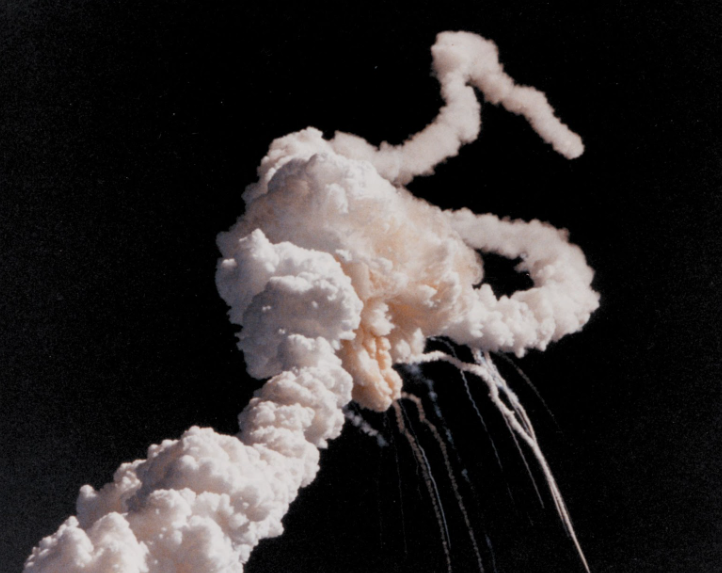
Challenger: the lessons of a teacher who never reached space
Humankind’s development is often associated with facing challenges. The original ideas required to solve new problems keep pushing the power of human creation towards more sophisticated and practical solutions. However, part of the excitement of any challenge comes from the dangers of trying something that nobody has accomplished before. An example of technological advances driven by human a ...[Read More]
Discovery to recovery: how international collaboration solved the ozone crisis
38 years ago, representatives from 46 countries around the globe came together to find a solution to the climate crisis. Alerted to an issue discovered by scientists 13 years previously, the representatives of these nations worked together swiftly and with purpose to create an international treaty to combat a major environmental issue. The treaty was signed by all 46 participant nations and would ...[Read More]
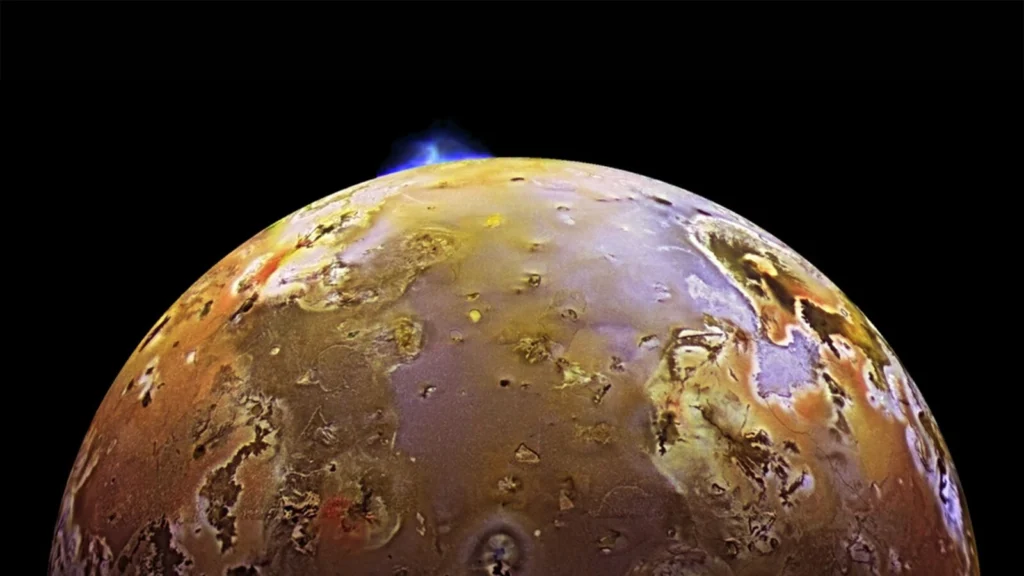
Io: a spongy world consumed by molten rock
Jupiter’s moon Io is the most volcanically active world in our solar system, with hundreds of volcanoes that constantly erupt on its ever renewing surface. Although Io always points the same side toward Jupiter in its orbit around the gas giant, two other Galilean moons, Europa and Ganymede, pull Io’s orbit into an irregularly elliptical one. Thus, in its widely varying distances from ...[Read More]
Hera: A journey to Mars kicks off Earth’s latest defence plan
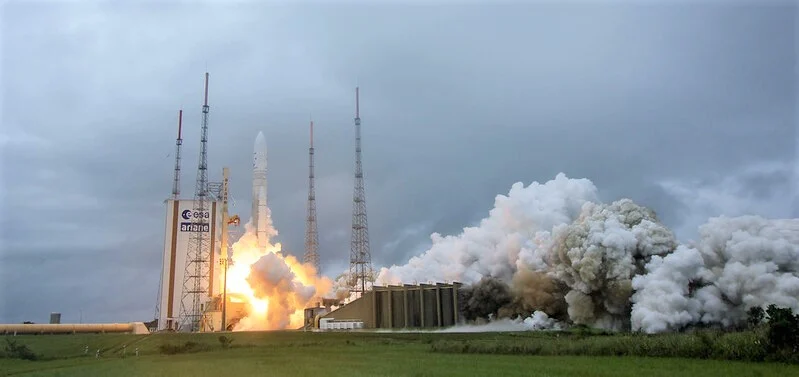
And what if we could prevent a catastrophe as old as the dinosaurs?… As Hera’s mission launched last month, this blog post aims to give you insights into this mission and why it matters. Continue reading and find out! One of humans’ biggest rebellious acts against insignificance is staring at the sky and wondering what else is out there, then thinking “We can definitely fin ...[Read More]
GeoTalk: meet Martin Archer, Space Physicist and Outreach expert!
Hi Martin. Thank you for joining me for this interview! To start, could you please tell our readers a bit about yourself and your research interests? I’m a space plasma physicist at Imperial College London, studying how the interaction between the solar wind and our magnetosphere leads to a huge amount of dynamics and waves that play a role in space weather. I’m also the Chair of EGU’s Outreach Co ...[Read More]
The James Webb Telescope may forever alter our view of the universe
Where is Webb? This seemingly simple question is quickly making its way into everyday conversation, and not just in scientific and astronomy circles. After a long 32-year wait, NASA officially launched the James Webb Telescope a couple of weeks ago on 25 December 2021. More recently, the telescope deployed its final primary mirror segment on 8 January this year, a crucial milestone in its mission ...[Read More]
July GeoRoundUp: the best of the Earth sciences from around the web
Drawing inspiration from popular stories on our social media channels, major geoscience headlines, as well as unique and quirky research, this monthly column aims to bring you the latest Earth and planetary science news from around the web. Major story The world soaks up the sun This summer our planet experienced the hottest June in recorded history, with the average global temperature reaching 16 ...[Read More]
November GeoRoundUp: the best of the Earth sciences from around the web
Drawing inspiration from popular stories on our social media channels, major geoscience headlines, as well as unique and quirky research, this monthly column aims to bring you the latest Earth and planetary science news from around the web. Major stories Earth’s red and rocky neighbor has been grabbing a significant amount of attention from the geoscience media this month. We’ll give you the rundo ...[Read More]
NASA’s InSight mission: detecting ‘earthquakes*’ on the surface of Mars
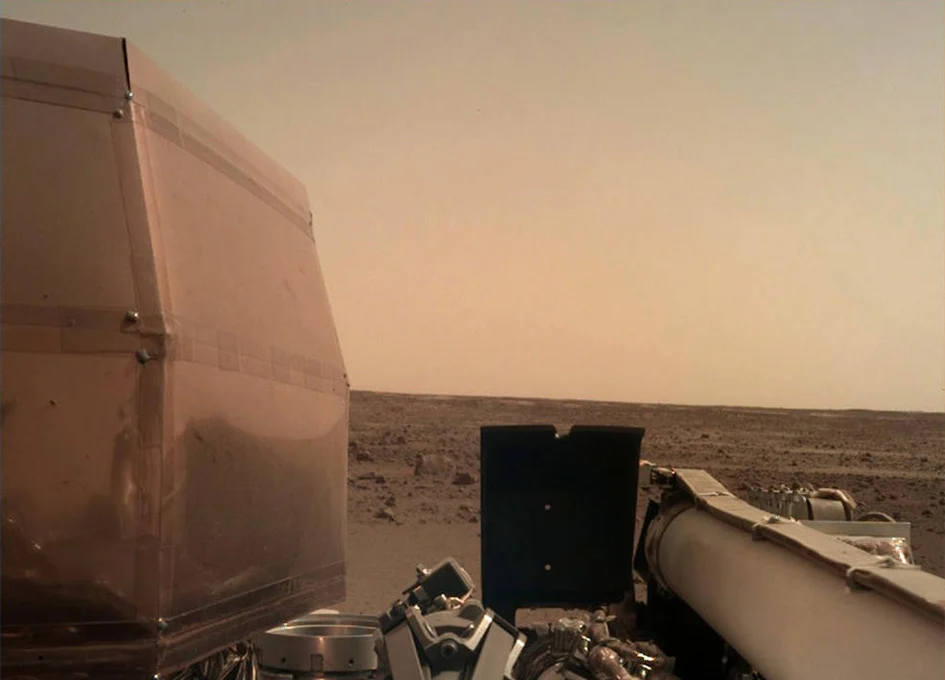
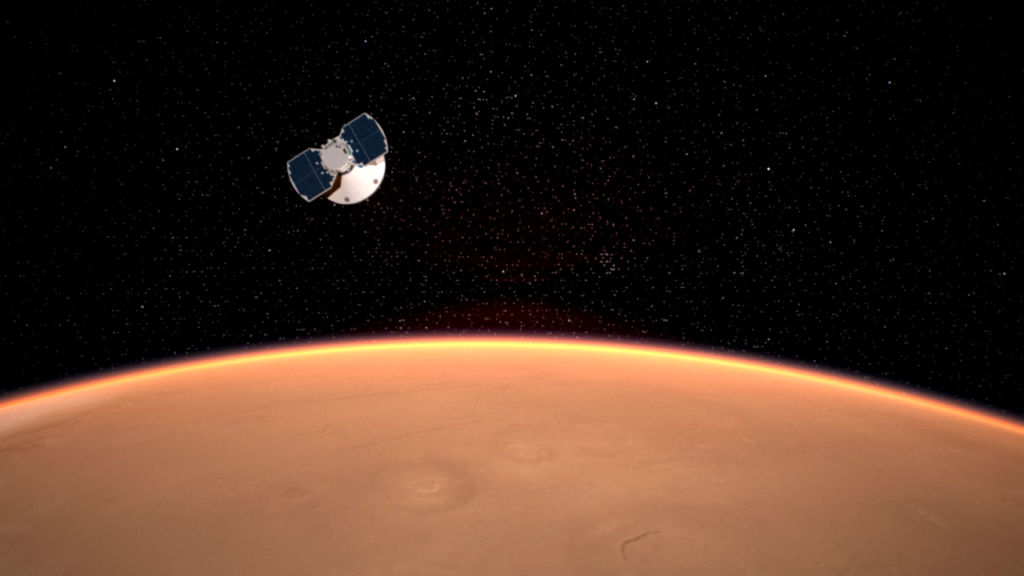
In three days’ time, NASA’s InSight Lander is expected to plunge through Mars’ atmosphere before parachuting down to a controlled landing on the flat plains of the Elysium Planitia. Once the dust has settled, a solar powered robotic arm will painstakingly unload the precious instruments stored onboard onto the planet’s surface, carefully guided by scientists back on Earth. These instruments are de ...[Read More]