GeoLog

hydrology

Climate vs. landscape? A new breakthrough in continental water modeling!

Climate vs. landscape? A new breakthrough in continental water modeling!

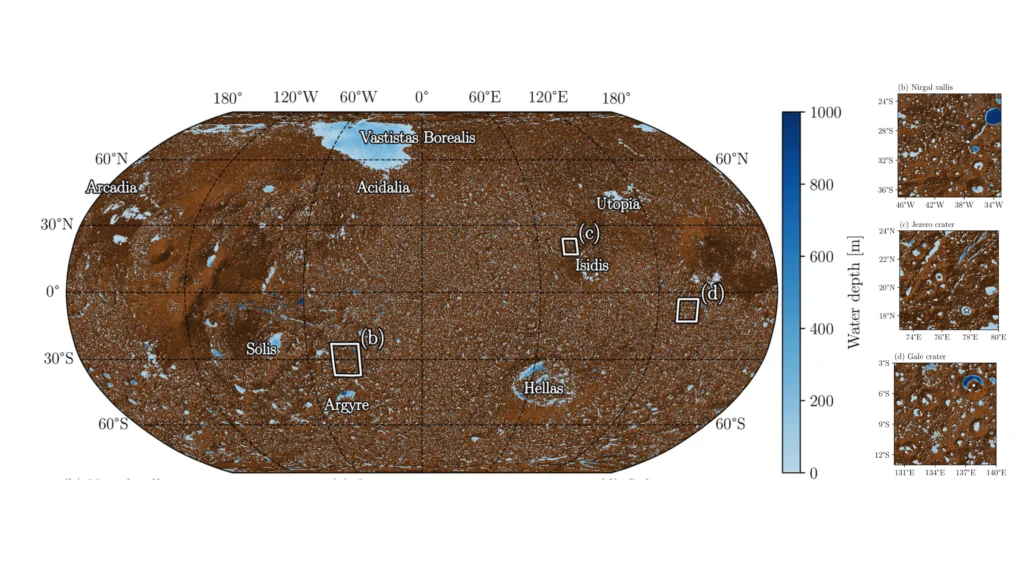
Every year on 21 June, the global scientific community celebrates World Hydrology Day to highlight the importance of water sciences play in sustainable resource management and natural hazard mitigation. Historically, human efforts to protect and manage freshwater have suffered from a blind spot. While we can easily measure a river’s flow at a specific gauging station, predicting how an untou ...[Read More]

Which pixel represents my gauging station? Tackling an essential issue in gridded hydrology

Which pixel represents my gauging station? Tackling an essential issue in gridded hydrology

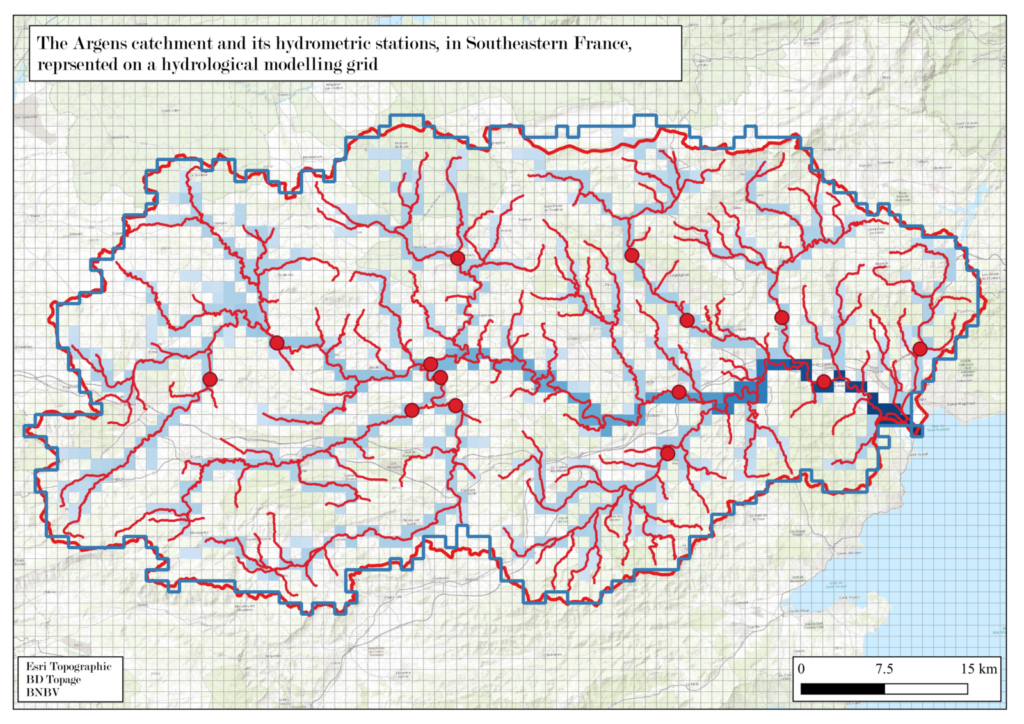
Do you know how scientists predict and analyse river flows using computer models? In this blog, Juliette Godet explores the tricky task of matching real-world river measurement points to grid cells in these models. Picture a giant digital map of a river basin, divided into grid squares, and a real-life gauge that measures river flow at a specific point. The job is to figure out which grid cell bes ...[Read More]

GeoTalk: meet Francesco Avanzi, researcher in meltwater security!

Francesco Avanzi

Hi Francesco. Thanks for agreeing to this interview! To break the ice, could you tell our readers a bit about yourself and your research? Hey Simon! I’m an Italian hydrologist and earned a PhD at Politecnico di Milano with a dissertation on how snowmelt contributes to seasonal runoff. I then did a postdoc at UC Berkeley, California, where I collaborated with a major US hydropower company to improv ...[Read More]

The most-read EGU journal articles in 2021!

The most-read EGU journal articles in 2021!

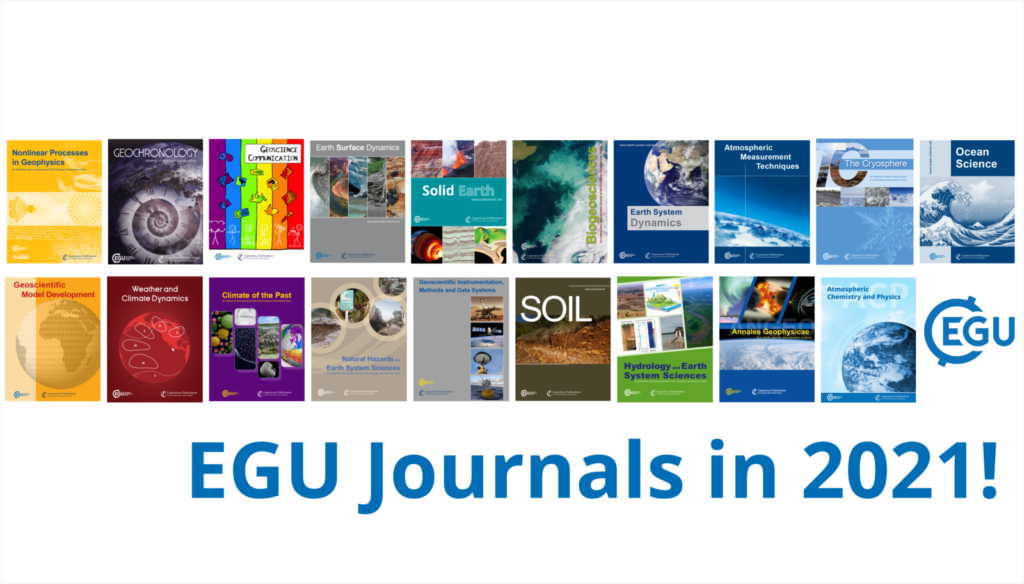
This year EGU published more than 3,375 peer-reviewed articles in our 19 Open Access journals. Upon learning about this impressive number of articles, we wondered: which of these were the most popular? You can find out in the following list of the most-read article for each EGU journal. From rainfall-runoff prediction, tipping points and open source hazard mapping, to the use of language around fr ...[Read More]

The most-read EGU journal articles in 2020!

The most-read EGU journal articles in 2020!

This year EGU published more than 3,300 peer-reviewed articles in our 19 Open Access journals. Upon learning about this impressive number of articles, which equates to just over 61,000 journal pages, we wondered: which of these were the most popular? You can find out in the following list of the most-read article for each EGU journal. From the substructure of extremely hot summers and the potentia ...[Read More]

Inclusive flood mapping: using citizen science to collect historical flood data in Dakar, Senegal.

Inclusive flood mapping: using citizen science to collect historical flood data in Dakar, Senegal.

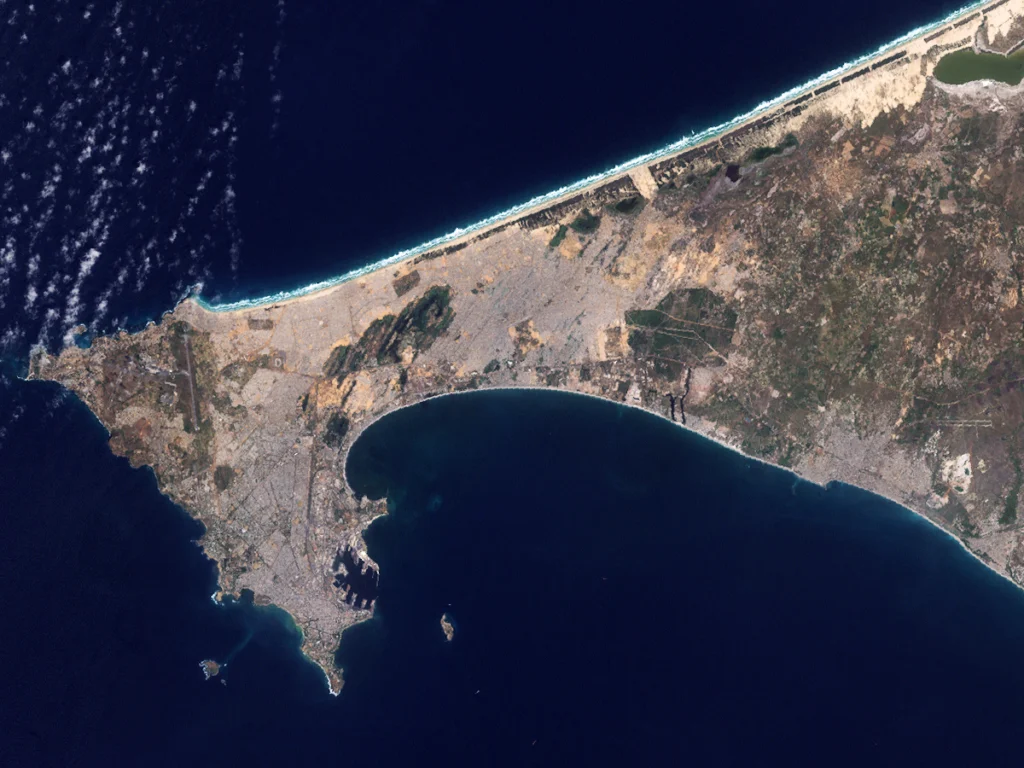
During the month of February, we are focusing on ‘Accessibility and Inclusivity’ here at the EGU. Although these topics are clearly relevant to the General Assembly, some people may wonder whether they also relate to scientific research. Clearly all geoscientists are people, so accessibility and inclusivity matter regardless of what scientific discipline they are in. But there can also be tangible ...[Read More]

Imaggeo on Mondays: Our QUEST for innovative tools to understand changing environments and climates

Imaggeo on Mondays: Our QUEST for innovative tools to understand changing environments and climates

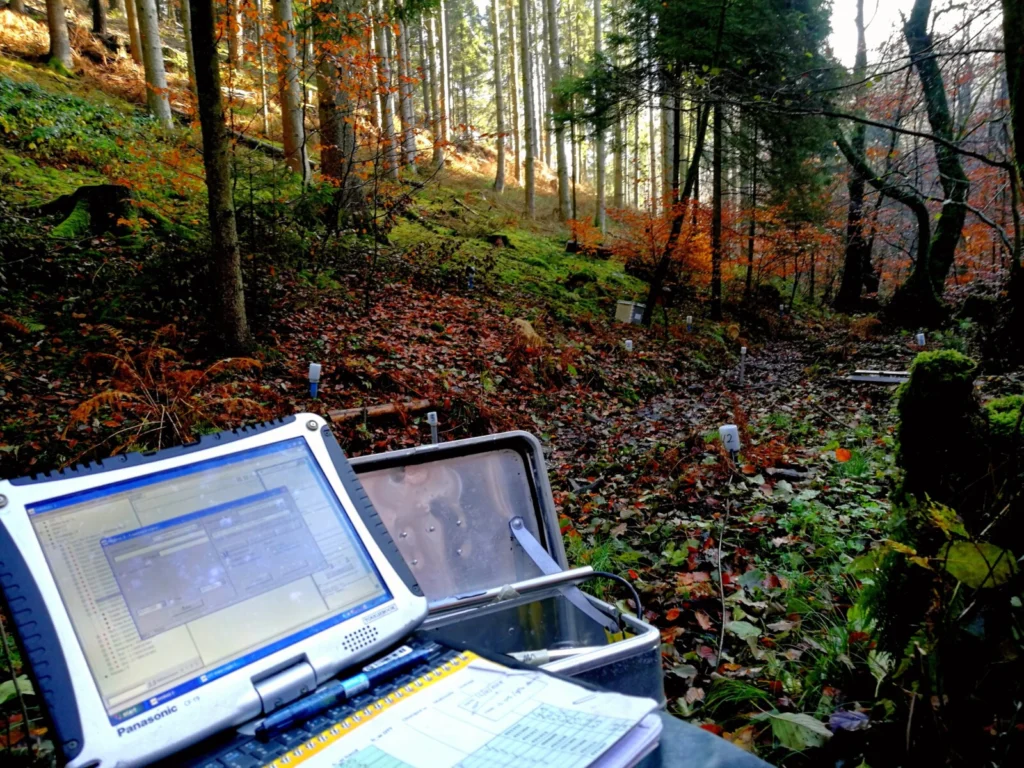
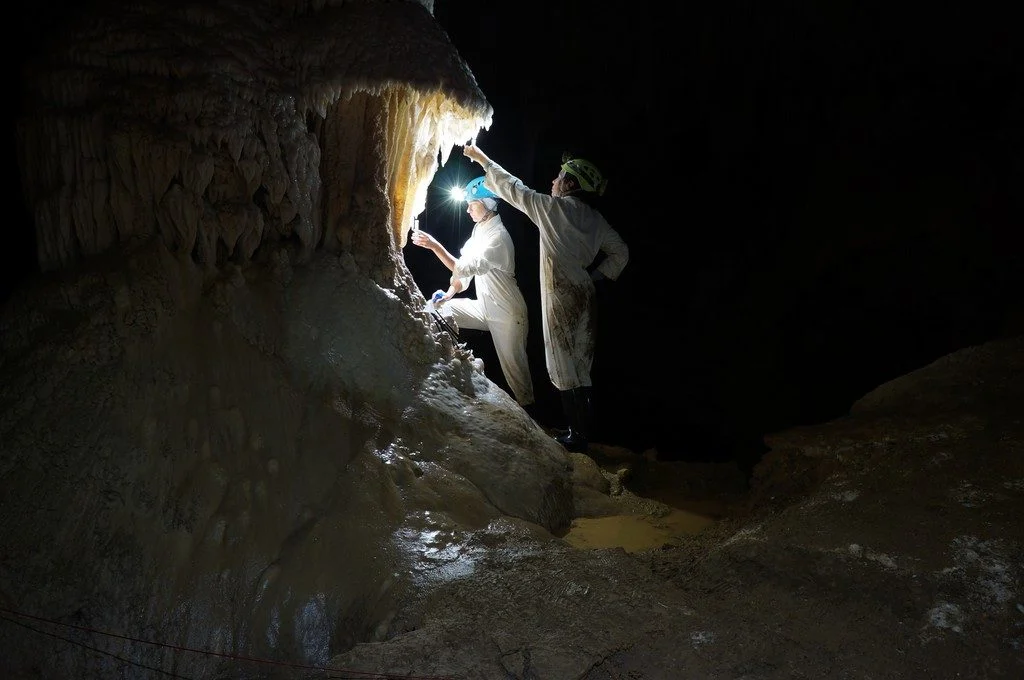
The photo shown here shows typical sampling work underground. You can see Ola Kwiecien and Cinthya Nava Fernandez, researchers at Ruhr University Bochum in Germany, collecting dripwater in New Zealand’s Waipuna Cave as part of a four-year EU-funded monitoring programme. Our research aims at developing innovative geochemical indicators that we can use to quantify changes in the hydrological system ...[Read More]

Imaggeo on Mondays: In-tents Icelandic sunset

Imaggeo on Mondays: In-tents Icelandic sunset

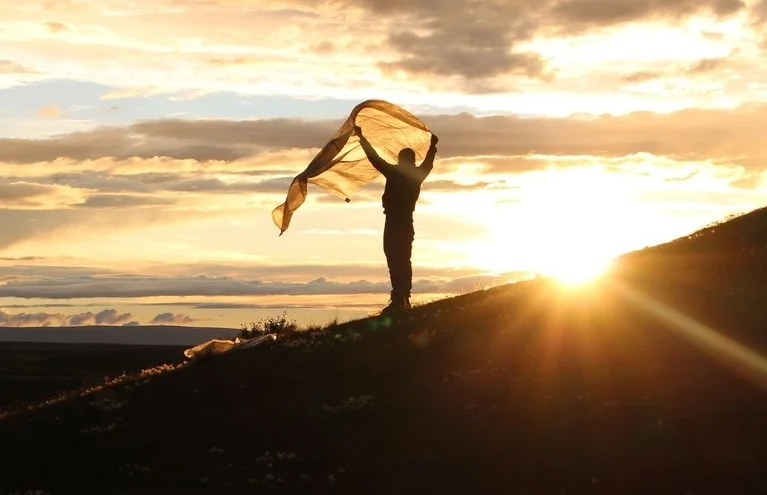
This photograph was taken at the campsite near lake Mỳvatn during a field trip to Iceland. Every year a group of students from Wageningen University travels from the Netherlands to Iceland for a weeklong excursion as part of a course on catchment hydrology. The aim of the trip is to provide students with real life examples of the processes they learned during their lectures. After a rainy morning ...[Read More]

Imaggeo On Mondays: Reservoir in the Italian Alps

Imaggeo On Mondays: Reservoir in the Italian Alps

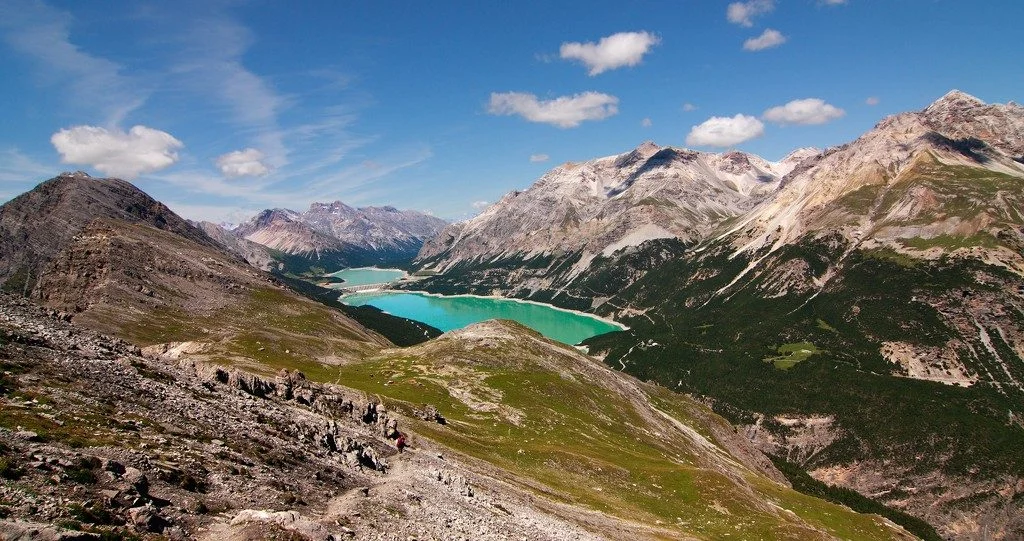
Mountain natural streams and reservoirs have a relevant hydrological and ecological importance since they represent reliable sources of freshwater supply to lowland regions and high-quality habitats for fish and cold-water communities. Moreover, streams in mountain environments are of significant importance for users in several socio-economic sectors, such as agriculture, tourism and hydropower. G ...[Read More]

GeoTalk: Fishing meets science with waders and smartphones

GeoTalk: Fishing meets science with waders and smartphones

Dutch and American researchers have developed waders equipped with temperature sensors that enable fly-fishers to find the best fishing locations while collecting data to help scientists study streams. The research is published today (29 February) in Geoscientific Instrumentation Methods and Data Systems (GI), an open access journal of the European Geosciences Union. In this GeoTalk interview we t ...[Read More]