GeoLog

hydrological sciences

GeoTalk: meet Christina Orieschnig, hydrologist and science communicator!

GeoTalk: meet Christina Orieschnig, hydrologist and science communicator!
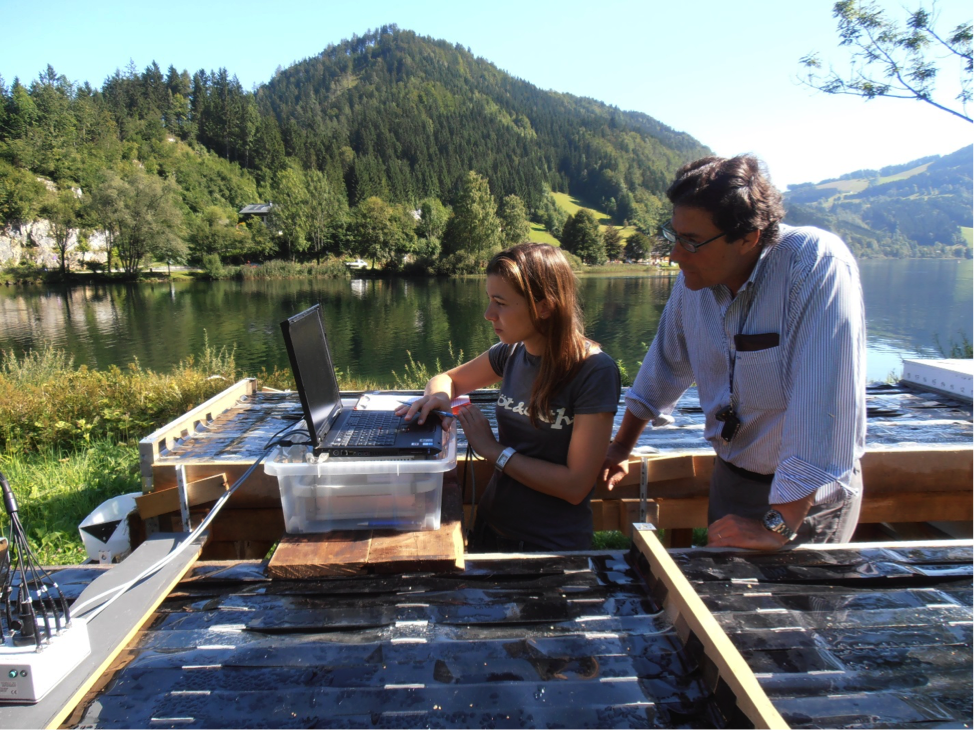
Hello Christina! Welcome to GeoTalk. Before we dive in, could you introduce yourself to our readers? Hey everyone! I’m a researcher at the Institut de Recherche pour le Développement (IRD) in Montpellier in the South of France. For my work, I specialise in remote sensing and hydrological modelling, with study areas in Cambodia, Tunisia, and France. At EGU, I’m also the outgoing Early Career Scient ...[Read More]

Which pixel represents my gauging station? Tackling an essential issue in gridded hydrology

Which pixel represents my gauging station? Tackling an essential issue in gridded hydrology

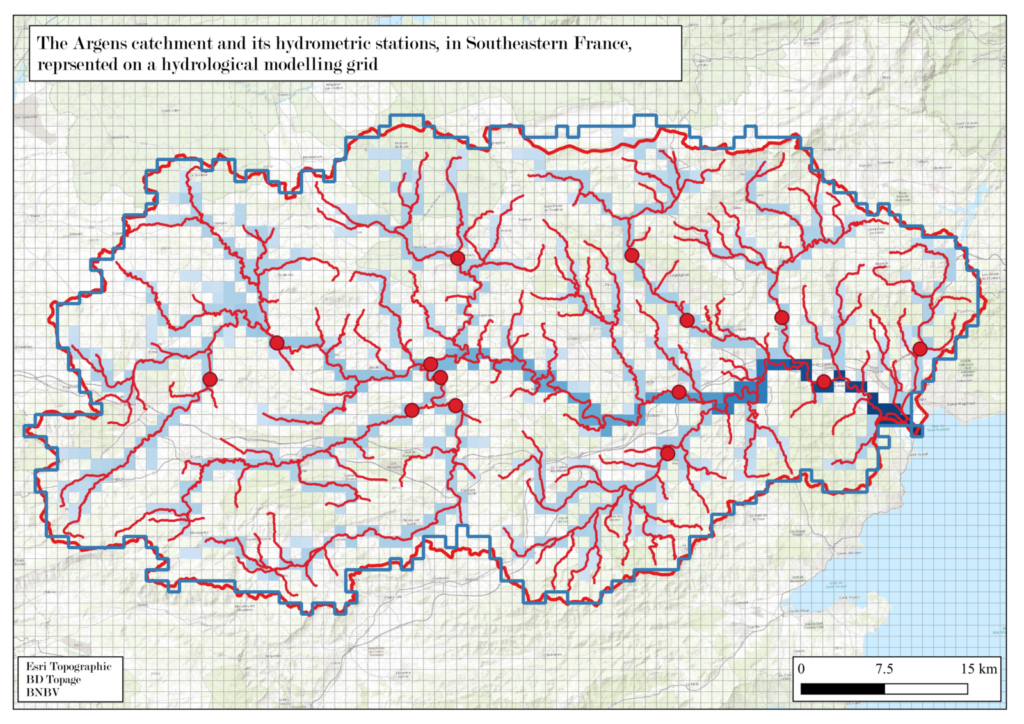
Do you know how scientists predict and analyse river flows using computer models? In this blog, Juliette Godet explores the tricky task of matching real-world river measurement points to grid cells in these models. Picture a giant digital map of a river basin, divided into grid squares, and a real-life gauge that measures river flow at a specific point. The job is to figure out which grid cell bes ...[Read More]

Imaggeo on Mondays: The polje between sky and Earth

Imaggeo on Mondays: The polje between sky and Earth

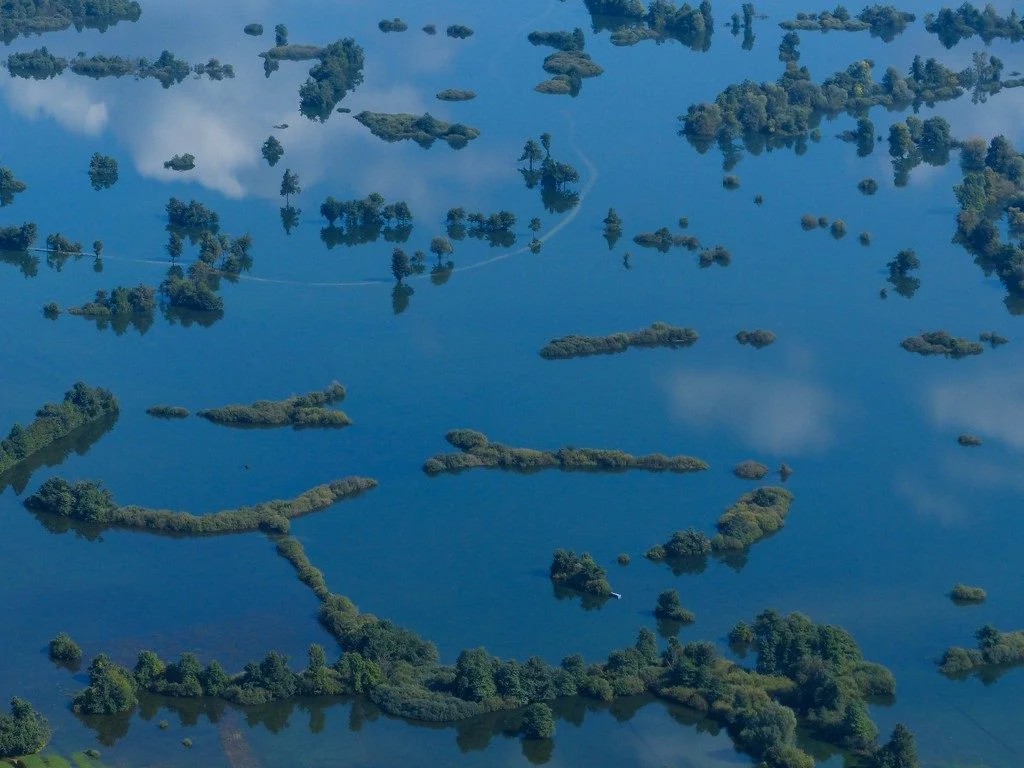
Poljes are one of the most impressive features existing in karst landscapes. These large flat closed depressions are prone to regular flooding that can form temporary lakes on their surface. Planinsko Polje [in Slovenia] is surely the most famous example of polje existing. The highest floods can reach up to 8 metres above the gauging station and last for more than two months. The lake is then more ...[Read More]

Groundwater springs harbour hidden viruses

Groundwater springs harbour hidden viruses

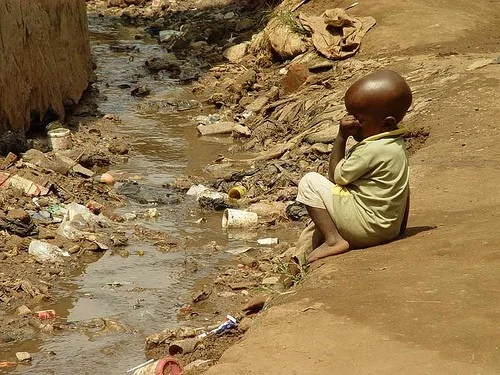
In many parts of Sub-Saharan Africa, groundwater springs are a vital, precious source of water. They are also a reservoir of disease. Research presented at the European Geosciences Union General Assembly in Vienna reveals that groundwater reservoirs in Ghana, Tanzania and Uganda contain diverse communities of viruses – including those that present a risk to human health. The work, carried out by I ...[Read More]

Geosciences Column: Flooded by jargon

Geosciences Column: Flooded by jargon

When hydrologists and people of the general public use simple water-related words, are they actually saying the same thing? While many don’t consider words like flood, river and groundwater to be very technical terms, also known as jargon, water scientists and the general public can actually have pretty different definitions. This is what a team of researchers have discovered in recent study, and ...[Read More]

GeoTalk: Making their mark: how humans and rivers impact each other

GeoTalk: Making their mark: how humans and rivers impact each other

Geotalk is a regular feature highlighting early career researchers and their work. In this interview we speak to Serena Ceola, a hydrologist and assistant professor at the University of Bologna, Italy, who studies interactions between humans and river systems. At the upcoming General Assembly she will be recognised for her research contributions as the recipient of the 2019 Hydrological Sciences D ...[Read More]

Imaggeo on Mondays: In-tents Icelandic sunset

Imaggeo on Mondays: In-tents Icelandic sunset

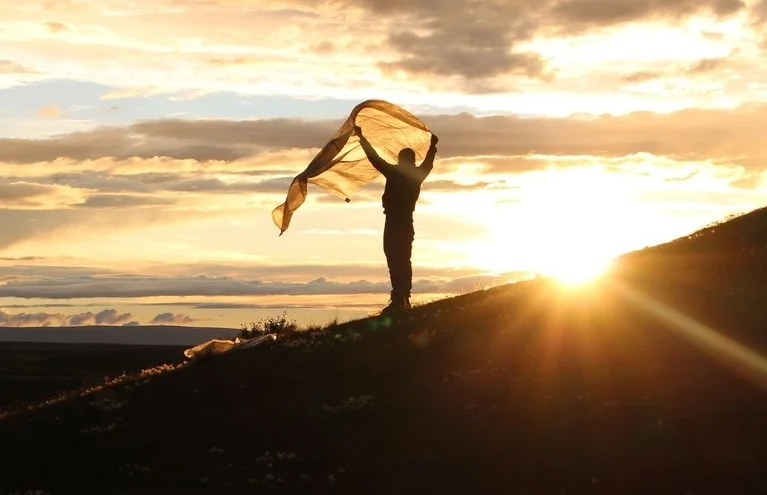
This photograph was taken at the campsite near lake Mỳvatn during a field trip to Iceland. Every year a group of students from Wageningen University travels from the Netherlands to Iceland for a weeklong excursion as part of a course on catchment hydrology. The aim of the trip is to provide students with real life examples of the processes they learned during their lectures. After a rainy morning ...[Read More]

Geosciences Column: How climate change put a damper on the Maya civilisation

Geosciences Column: How climate change put a damper on the Maya civilisation

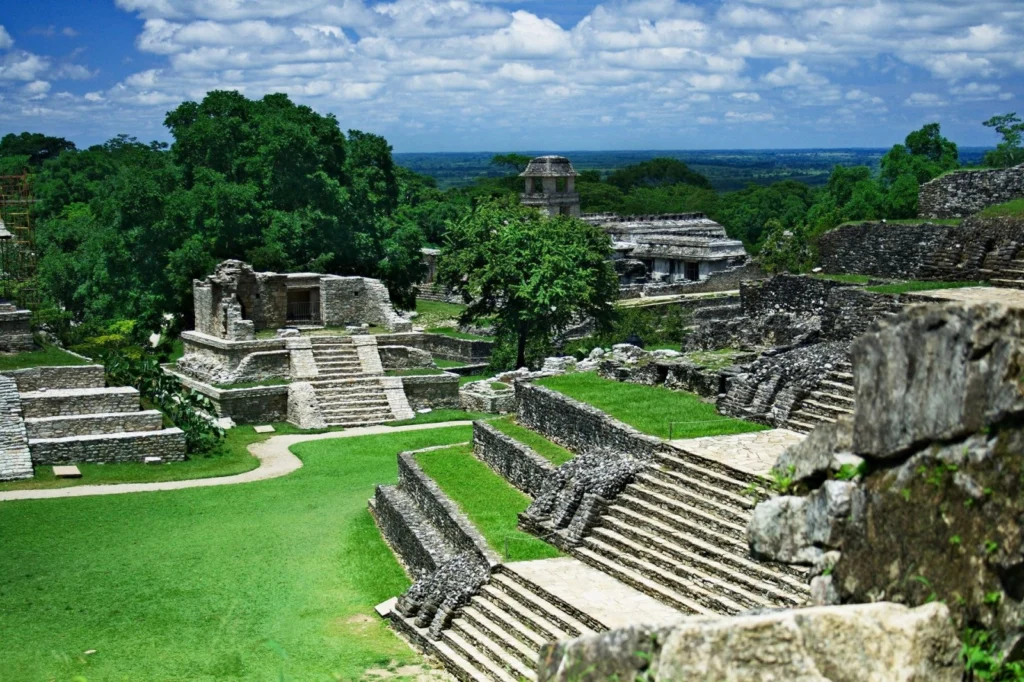
More than 4,000 years ago, when the Great Pyramid of Giza and Stonehenge were being built, the Maya civilisation emerged in Central America. The indigenous group prospered for thousands of years until its fall in the 13th century (potentially due to severe drought). However, thousands of years before this collapse, severely soggy conditions lasting for many centuries likely inhibited the civilisat ...[Read More]

GeoTalk: Nilay Dogulu, Early Career Scientist Representative

GeoTalk: Nilay Dogulu, Early Career Scientist Representative

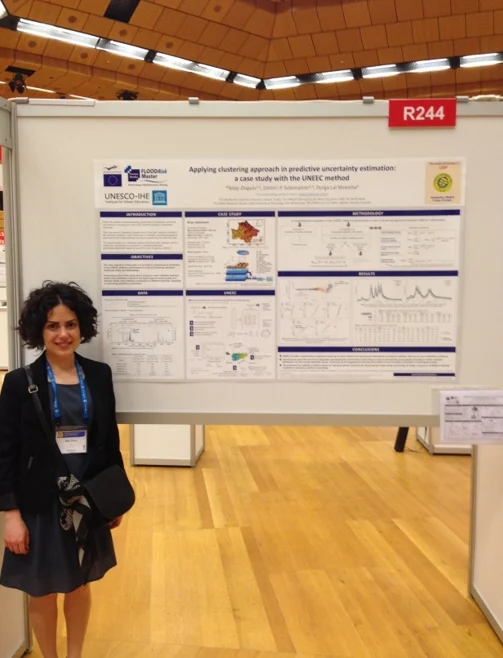
In addition to the usual GeoTalk interviews, where we highlight the work and achievements of early career researchers, this month we’ll also introduce one of the Division early career scientist representatives (ECS). They are responsible for ensuring that the voice of EGU ECS membership is heard. From organising short courses during the General Assembly, through to running and attending regular EC ...[Read More]

Imaggeo On Mondays: Reservoir in the Italian Alps

Imaggeo On Mondays: Reservoir in the Italian Alps

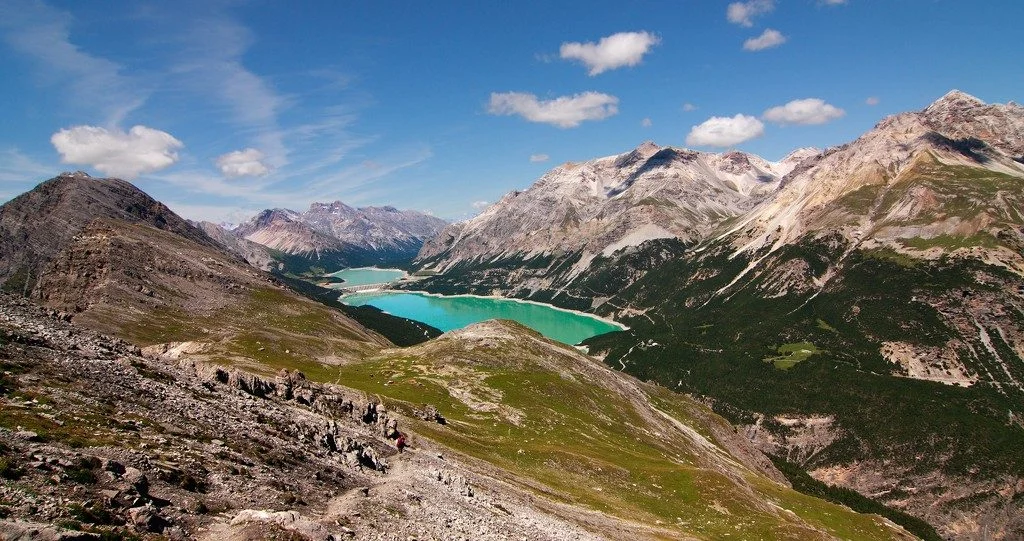
Mountain natural streams and reservoirs have a relevant hydrological and ecological importance since they represent reliable sources of freshwater supply to lowland regions and high-quality habitats for fish and cold-water communities. Moreover, streams in mountain environments are of significant importance for users in several socio-economic sectors, such as agriculture, tourism and hydropower. G ...[Read More]