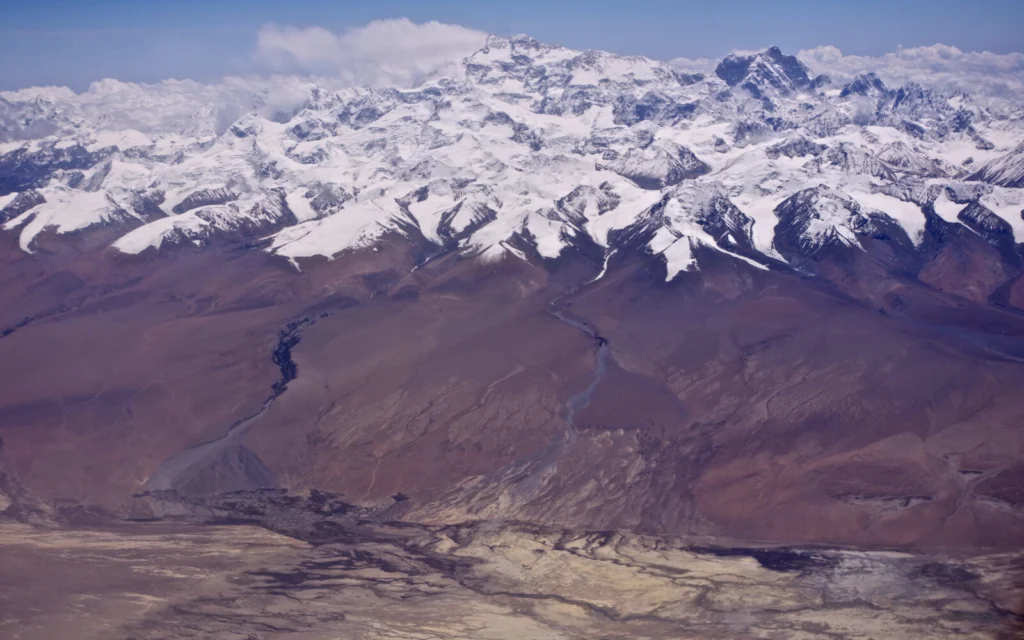
August 15, 1950, marked India’s fourth year of Independence. The young nation’s mood was optimistic. People all over India were celebrating the country’s newfound freedom. Known as the land of the rising Sun, the jubilant people of the northeastern part of the country were about to conclude the celebrations and retire for the day. In the northeast corner, surrounded by the Himalayan mountains, the ...[Read More]
Himalayas
GeoTalk: meet Nazimul Islam, Dendrochonrologist and Climate ECS Representative!
Hi Naz. Thanks for joining us for this edition of GeoTalk! How did you get into studying tree rings? Hello, thank you for inviting me! Well there is an interesting story behind this so let me share it with you. I was always fascinated by our natural environment, particularly mountains, glaciers, and rivers. That motivated me to study Geography for my Bachelor and Master Degrees. For my MSc dissert ...[Read More]
Geosciences Column: Extreme snowfall potentially worsened Nepal’s 2015 earthquake-triggered avalanche
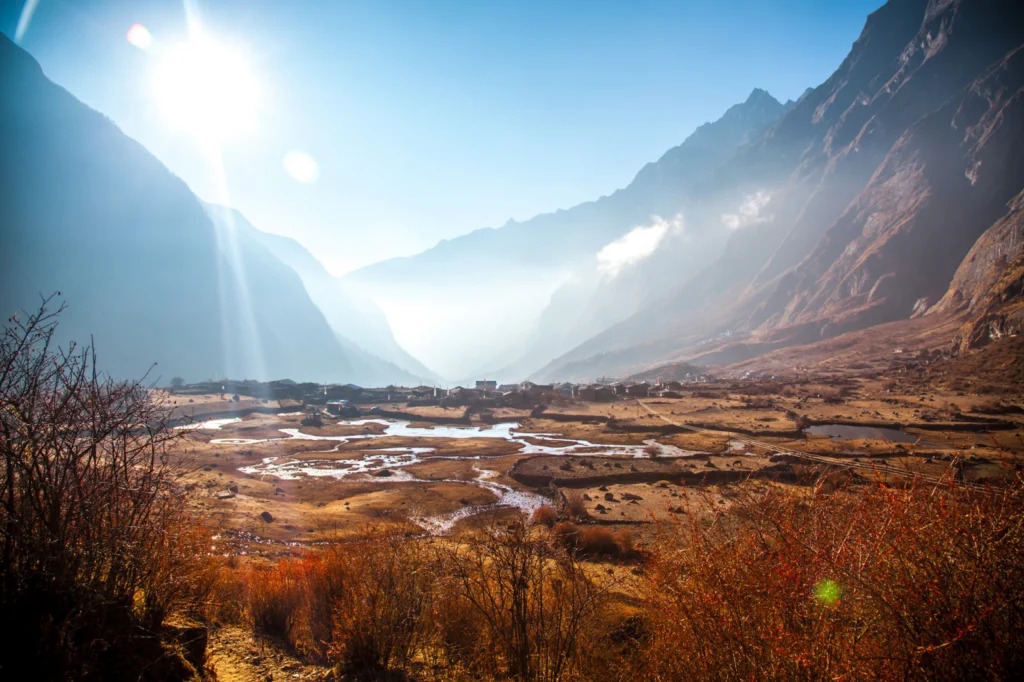
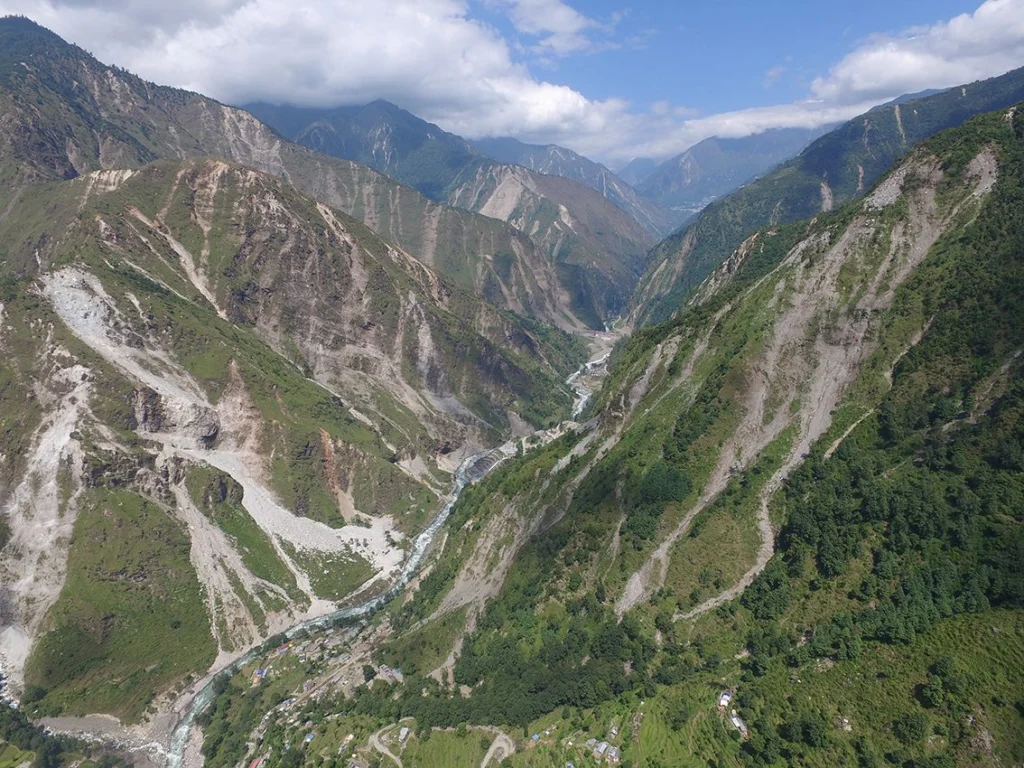
Three years ago, an earthquake-induced avalanche and rockfalls buried an entire Nepalese village in ice, stone, and snow. Researchers now think the region’s heavy snowfall from the preceding winter may have intensified the avalanche’s disastrous effect. The Langtang village, just 70 kilometres from Nepal’s capital Kathmandu, is nestled within a valley under the shadow of the Himalayas. The town wa ...[Read More]
Imaggeo on Mondays: A dramatic avalanche from Annapurna South
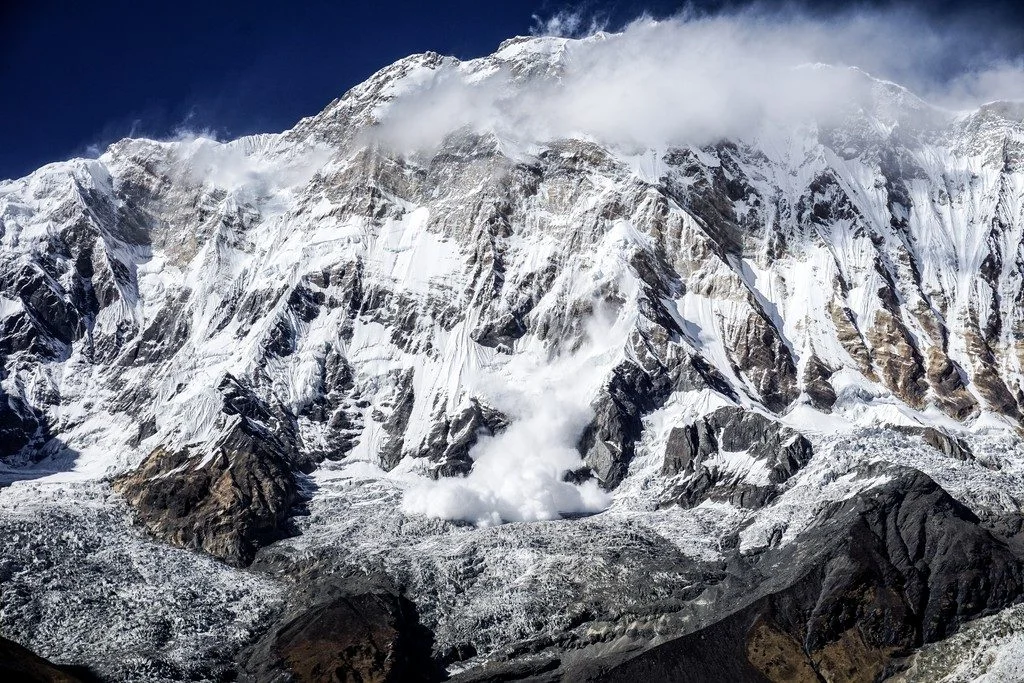
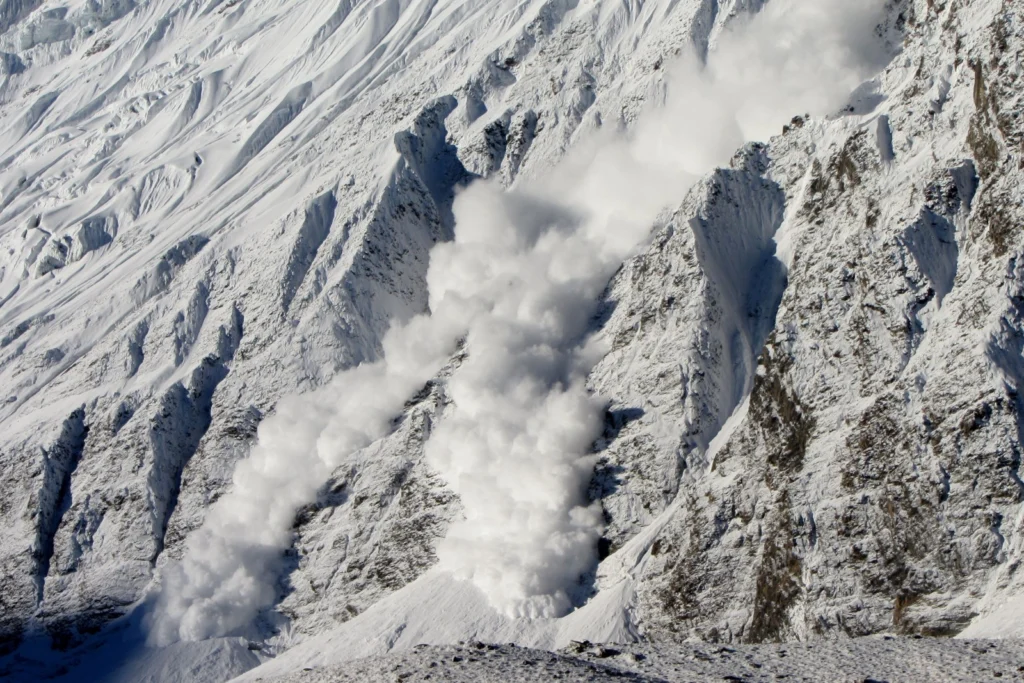
The Annapurna massif is located in an imposing 55 km long collection of peaks in the Himalayas, which behave as a single structural block. Composed of one peak (Annapurna I Main) in excess of 8000 m, a further thirteen peaks over 7000 m and sixteen more of over 6000 m, the massif forms a striking structure within the Himalayas. Annapurna South (pictured in today’s featured image), the 101st talles ...[Read More]
GeoTalk: How are clouds born?
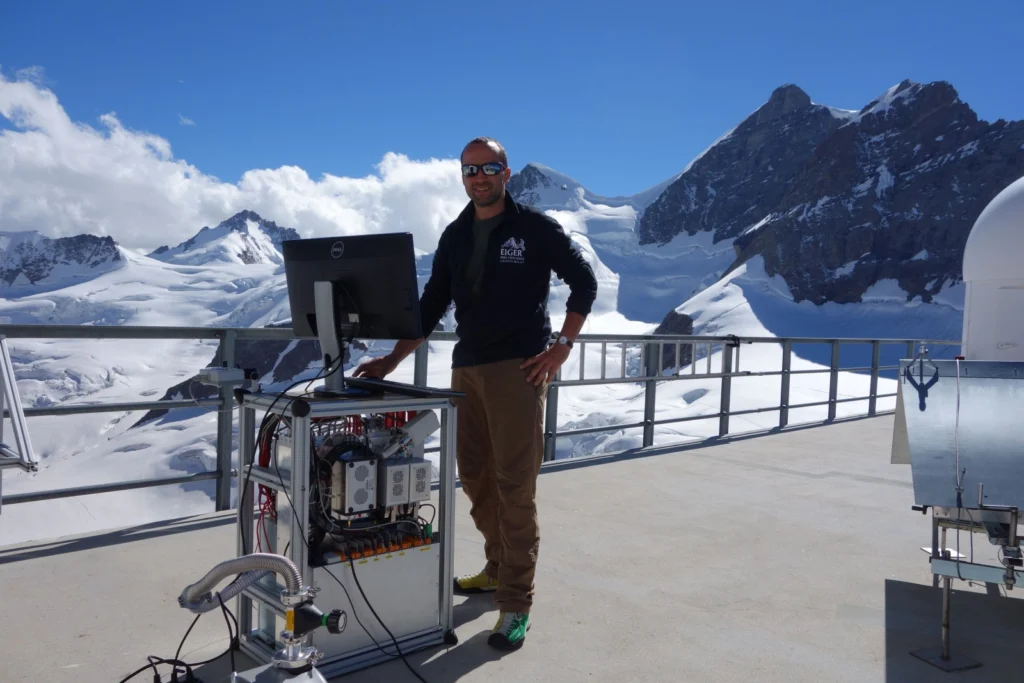
Geotalk is a regular feature highlighting early career researchers and their work. In this interview we speak to Federico Bianchi, a researcher based at University of Helsinki, working on understanding how clouds are born. Federico’s quest to find out has taken him from laboratory experiments at CERN, through to the high peaks of the Alps and to the clean air of the Himalayan mountains. His innova ...[Read More]
Imaggeo on Mondays: Deep in the Himalayas
The Himalayas: vast, formidable and home to the Earth’s highest peaks. The mountain range stretches inexorably through Indian, Bhutan, Nepal, China (Tibet) and Pakistan separating the Tibetan Plateau to the north from India’s alluvial plains to the south. India, as we know it today, started life much further south, as an island not far off the coast of Australia. It was separated from ...[Read More]
When mountains collapse…
Jane Qiu, a grantee of the Pulitzer Center on Crisis Reporting, took to quake-stricken Nepal last month — venturing into landslide-riddled terrains and shadowing scientists studying what makes slopes more susceptible to failure after an earthquake. The journey proved to be more perilous than she had expected. What would it be like to lose all your family overnight? And how would you cope? It’s wit ...[Read More]
Imaggeo on Mondays: Annapurna snow avalanche
The Annapurna massif is located in an imposing 55 km long collection of peaks in the Himalayas, which behave as a single structural block. Composed of one peak (Annapurna I Main) in excess of 8000 m, a further thirteen peaks over 7000 m and sixteen more of over 6000 m, the massif forms a striking structure within the Himalayas. Annapurna I Main, the tenth highest peak in the world, is towering at ...[Read More]
A sky-high view on pollution in the Himalayas: the science
Jane Qiu shares her experience of shadowing atmospheric scientists some 5000 metres above sea level after being awarded the EGU’s science journalism fellowship. To find out how she got there, see her last post, A sky-high view on pollution in the Himalayas: the journey. Lab with a view After six days of strenuous hike, the Pyramid was finally in sight. At the foot of the majestic Khumbu Glacier, ...[Read More]
A sky-high view on pollution in the Himalayas: the journey
After being awarded the EGU’s science journalism fellowship, Jane Qiu took to the Himalayas to shadow scientists studying air pollution at the Pyramid Observatory some 5000 metres above sea level. The journey to work is by no means an easy one… For Angela Marinoni and Paolo Bonasoni, climate scientists at the Institute of Atmospheric Sciences and Climate in Bologna, Italy, and Maxime Hervo, a Ph.D ...[Read More]