GeoLog

geothermal

GeoTalk: meet Thanushika Gunatilake, researcher of earthquake impacts on geothermal energy

GeoTalk: meet Thanushika Gunatilake, researcher of earthquake impacts on geothermal energy

Hello Thanushika – welcome to GeoTalk! Before we delve deeper, could you introduce yourself to our readers? Thank you for having me! I’m Thanushika Gunatilake, an Assistant Professor at Vrije Universiteit Amsterdam. My research connects natural and human-induced processes in the Earth’s crust; from earthquake nucleation in the central Apennines, subduction dynamics, and volcanic activity, to geoth ...[Read More]

GeoTalk: meet Megan Holdt, researcher of mantle dynamics & Geodynamics ECS Representative!

GeoTalk: meet Megan Holdt, researcher of mantle dynamics & Geodynamics ECS Representative!

Hello Megan! Welcome to GeoTalk. Could you tell our readers a little bit about yourself and your background? Hi Simon, thank you for inviting me to GeoTalk! I am originally from Australia and studied geology and geophysics at the University of Sydney. After I finished my undergraduate degree, I worked as an earth scientist for almost seven years. I really enjoyed my time in industry, but I felt th ...[Read More]

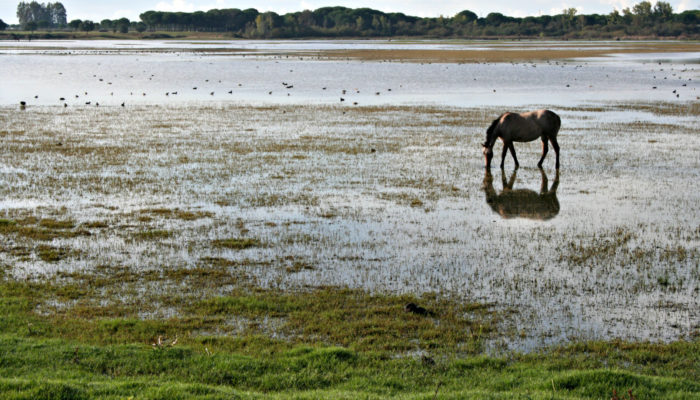
Imaggeo On Monday: Salt marsh in El Rocío (Huelva, SW Spain)

Imaggeo On Monday: Salt marsh in El Rocío (Huelva, SW Spain)

The coast line of Huelva is furrowed by wetlands and sprinkled with salt flats. These areas are a sanctuary for wildlife and are visited by migrating birds travelling between Europe and Africa. In these wetlands grow the salt cedar, the Phoenician juniper, the mastic tree, the Montpellier cistus, the rockrose, the kermes oak, rosemary, cordgrass, reeds and bulrushes. The picture shows part of the ...[Read More]

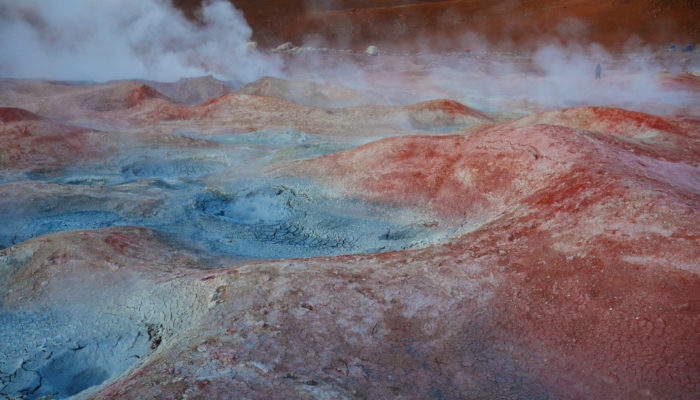
Imaggeo On Monday: Intriguing artwork by heat-loving microbes

Imaggeo On Monday: Intriguing artwork by heat-loving microbes

The geothermal area Sol de Mañana is part of the Altiplano–Puna volcanic complex shared between Bolivia and Chile. The area is characterized by volcanic activity and the sulphur springs host mud lakes and steam pools. The different colours stem from thermophilic, hyperthermophilic and acidophilic bacteria that colonize areas of varying temperatures.   Description by Julia Miloczki, after the ...[Read More]

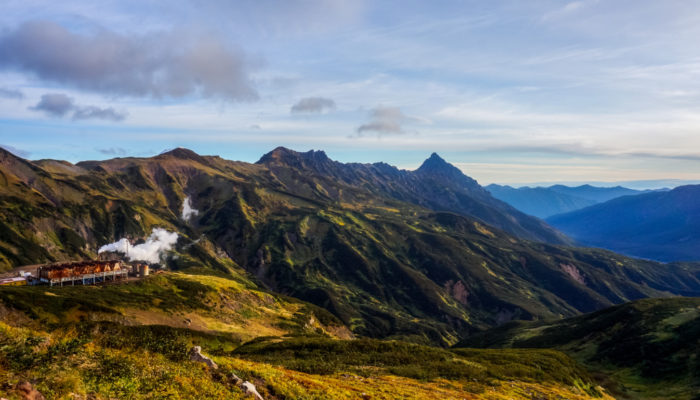
Imaggeo On Monday: Green Energy of Kamchatka

Imaggeo On Monday: Green Energy of Kamchatka

The Mutnovsky Geothermal Power Plant is the largest geothermal power plant in Russia (the time of writing). It is located near to volcanic mountain Mutnovsky at altitude of 800 m and has a capacity of 50 MW. The Mutnovsky Geothermal Power Plant has resolved the problem of raising the stability of the power supply for the Kamchatka region, at the expense of using the richest stocks of thermal heat ...[Read More]

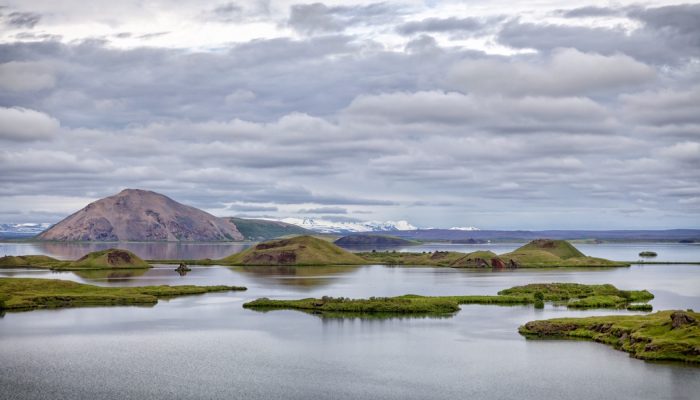
Iceland’s rootless volcanoes

Iceland’s rootless volcanoes

Picture a volcano, like the one you learned about in primary school. Can you see it? Is it a big rocky mountain, perhaps with a bubbling pool of lava at the top? Is it perched above a chasm of subterranean molten rock? I bet you didn’t picture this: You’d be forgiven for mistaking these small volcanoes for a scene from the Lord of the Rings, or maybe a grassy version of the surface of Mars (in fac ...[Read More]

Imaggeo on Mondays: The breath of our Earth

Imaggeo on Mondays: The breath of our Earth

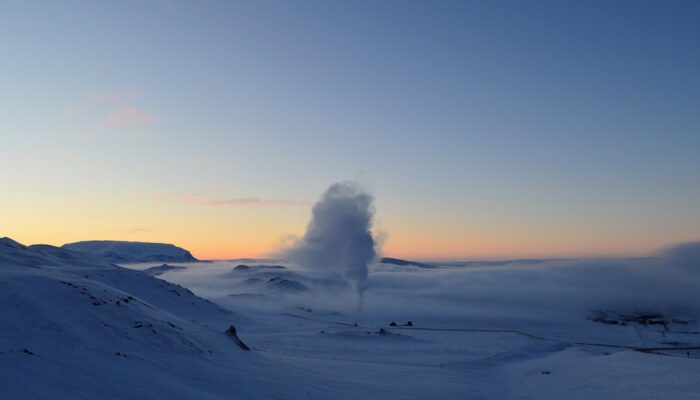
This picture was taken in the Myvatn geothermal area in southeast Iceland. Seeing the geothermal steam vent in this area while the temperature was -22 degrees Celsius is the best experience in Myvatn. The difference between Iceland’s cold ambient temperature and the released heat from inside the Earth is a really stunning event to see. Iceland is situated in the middle of two tectonic plates (the ...[Read More]

Imaggeo on Mondays: Breath from the underground

Imaggeo on Mondays: Breath from the underground

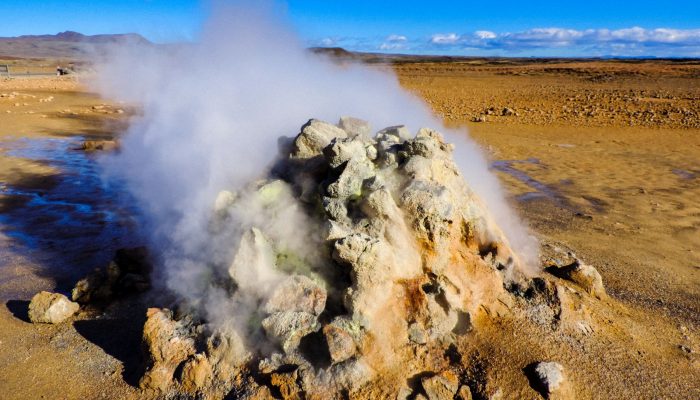
The heat seeping from the geothermal area which is part of the Krafla volcanic system in Iceland, ‘powers’ the steaming vent at Hverir (Hverarönd). The area is well known for its mud pots and sulphuric gas fumaroles, complete with pungent eggy smell. Some of the vents are in fact boreholes drilled in the 50’s for sulphur exploration which have been turned into fumaroles, the steam is a resul ...[Read More]

Imaggeo on Mondays: harnessing Earth’s inner heat

Imaggeo on Mondays: harnessing Earth’s inner heat

Iceland, the land of ice and fire, is well known for its volcanicity. Most famously, it is home to Eyjafjallajökull: the volcano which caused wide spread mayhem across European airspace when it erupted in 2010. But not all the local volcanic activity is unwelcome. High temperature geothermal areas are a byproduct of the volcanic setting and the energy released can be used to power homes and infras ...[Read More]

Imaggeo on Mondays: Volcanic Zones and Colourful Stones

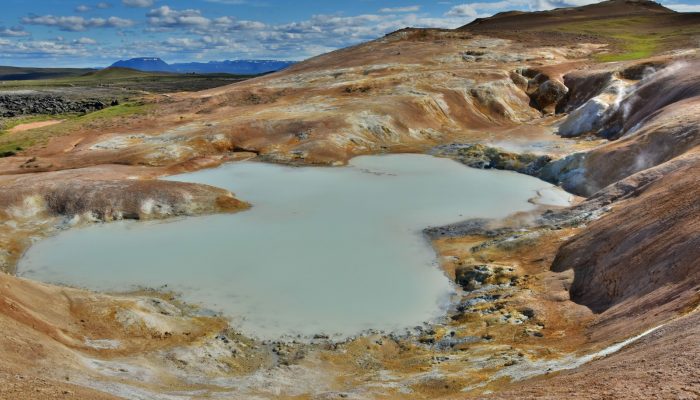
This week’s Imaggeo on Mondays is Written by Yiming Wang, a paleoceanographer and paleolimnologist and keen photographer from the University of Kiel, Germany… Námafjall is a high temperature geothermal area by Lake Myvatn in northeastern Iceland, which known for its sulphurous mud springs. My fascination of Iceland began during a fieldwork expedition in March 2004 as I began to collect data for my ...[Read More]