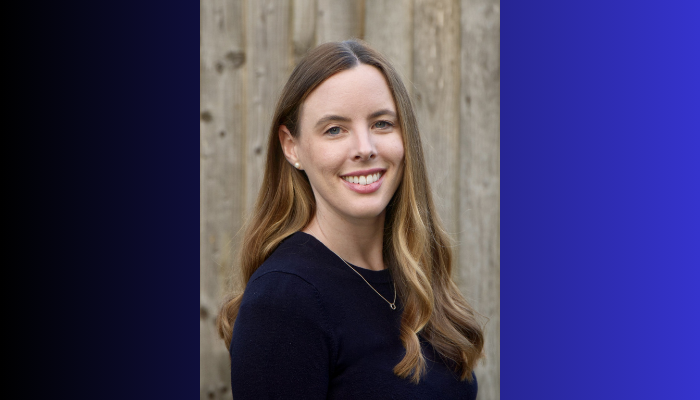
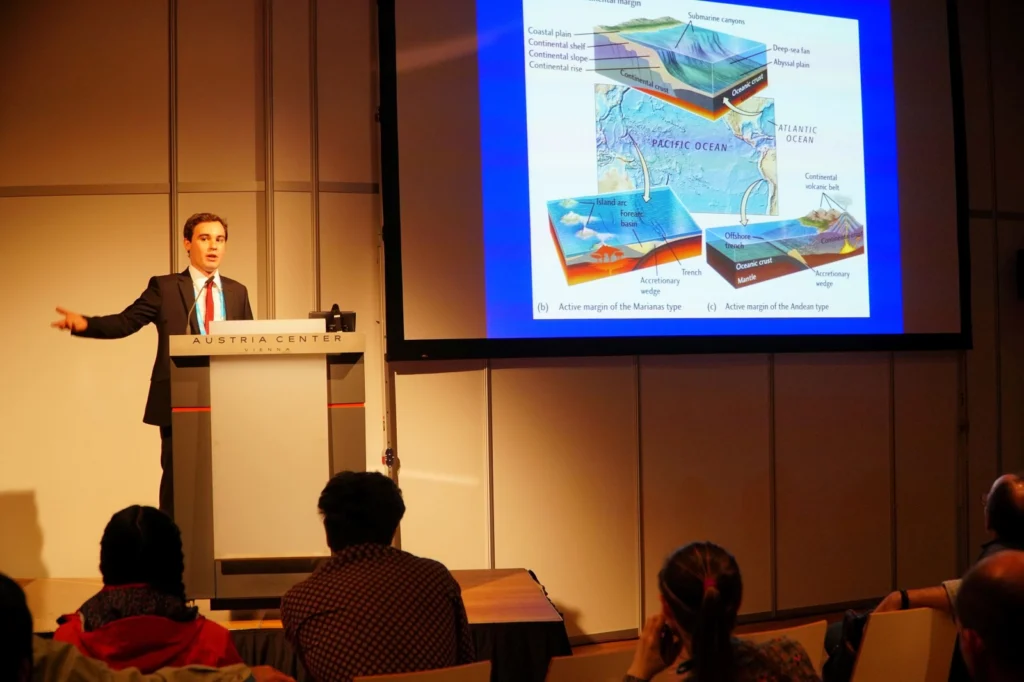
Hello Megan! Welcome to GeoTalk. Could you tell our readers a little bit about yourself and your background? Hi Simon, thank you for inviting me to GeoTalk! I am originally from Australia and studied geology and geophysics at the University of Sydney. After I finished my undergraduate degree, I worked as an earth scientist for almost seven years. I really enjoyed my time in industry, but I felt th ...[Read More]
geodynamics
The theory of continental drift and how it changed the geosciences forever
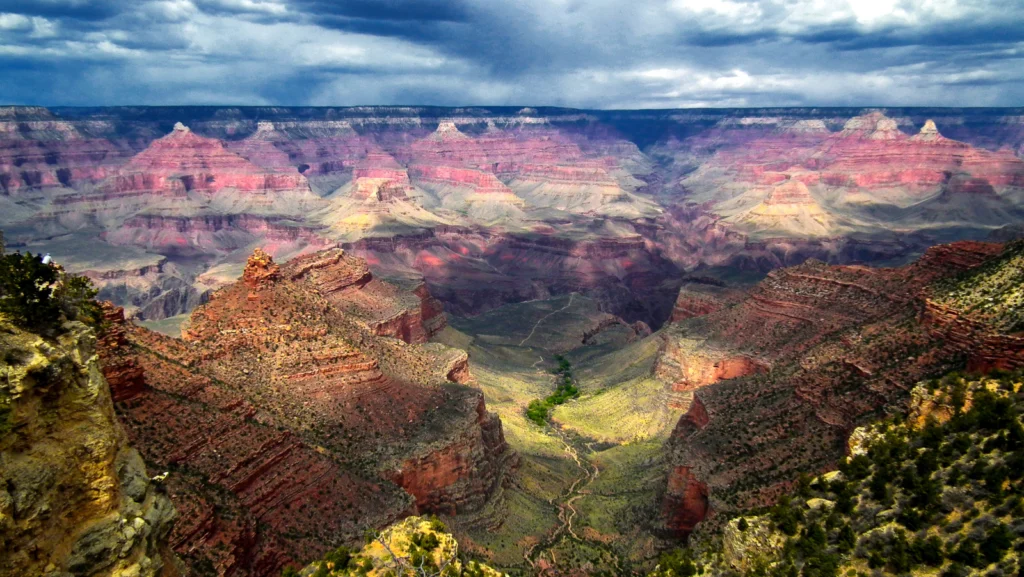
German scientist Alfred Wegener spent most of his life defending a shocking theory: that all the world’s continents were once part of the same land mass before they drifted away. For many years after he passed, his theory continued to be shunned, ridiculed, and labelled as pseudoscience. And then, several decades later, geologists began to find more and more proof to support his continental drift ...[Read More]
Imaggeo On Monday: Tides at Young Sound
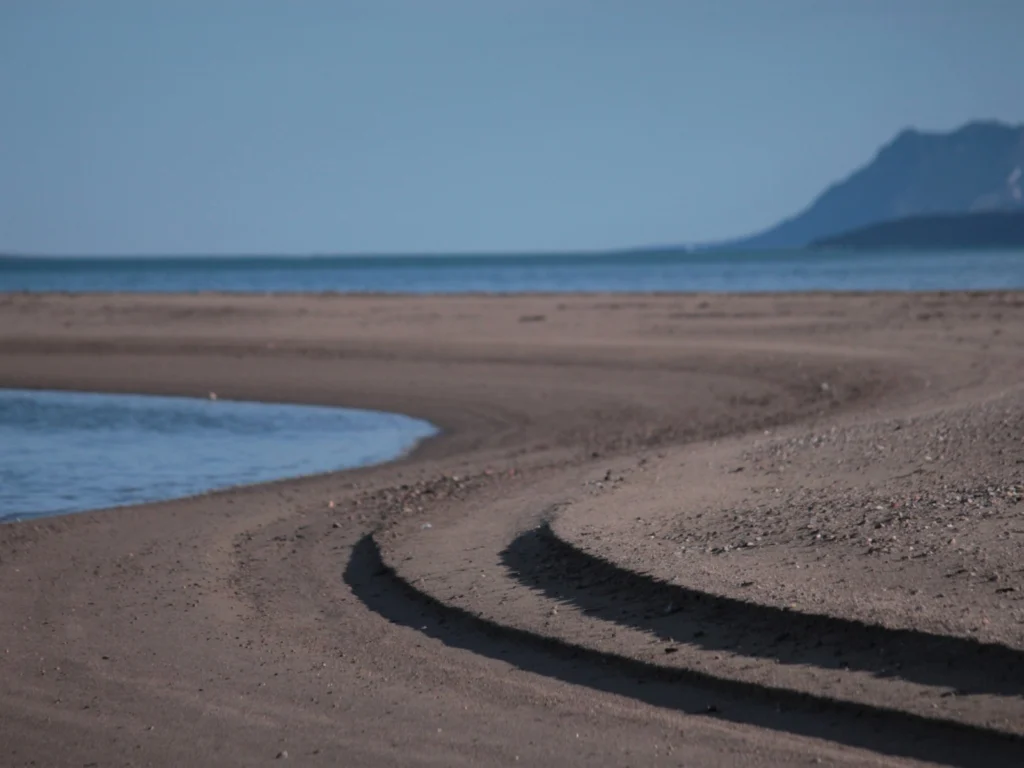
The work of the autumn tides at Young Sound, Northeast Greenland, created a fine sand artwork just before the freezing in of the fjord with the approaching winter. Due to the changing sediment of the nearby Zackenberg river, the local coastal erosion is an object of great recent investigations. Description by Maria Scheel, after the description on imaggeo.egu.eu. Imaggeo is the EGU’s ...[Read More]
Artist in Residence – Deep time, deep circulation, deep thinking
Concepts accepted in geology always have room for revision. In this case, time itself is revised! This one melted my brain a little. Deep time, deep circulation, deep thinking Plate tectonics, amongst the most evocative subjects in geology. The entire skin of the earth shifting and reorganising continuously, the most profound of motion. So deep and ancient, that humans struggle to understand it. E ...[Read More]
Weathering the storm from a research vessel
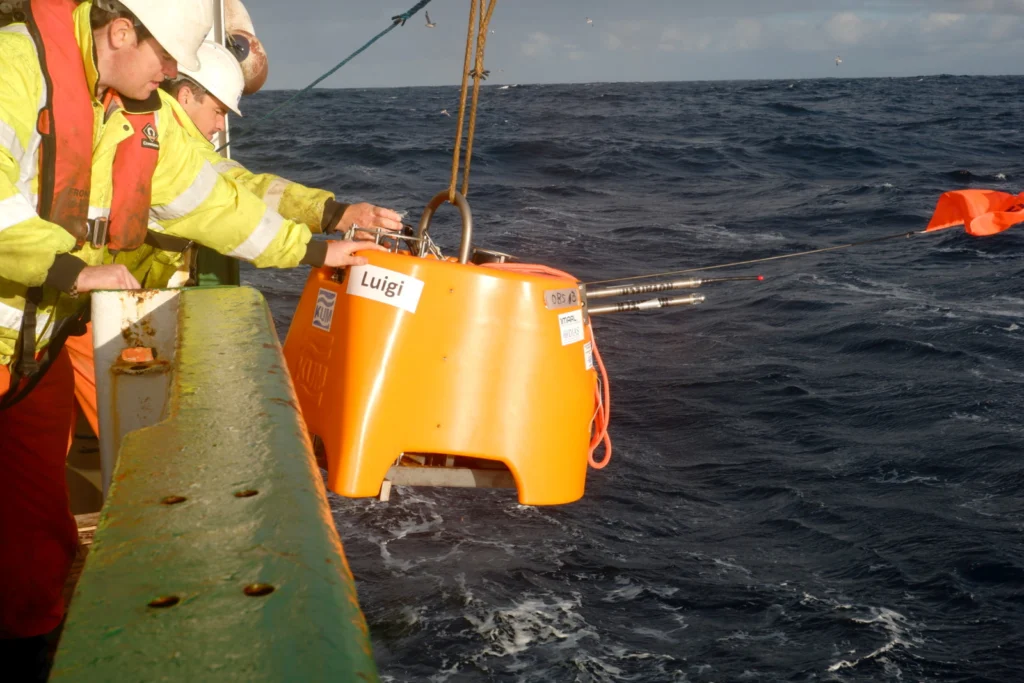
Fieldwork can take geoscientists to some of the most remote corners of the Earth in some of the harshest conditions imaginable, but stories from the field hardly make it into a published paper. In this blog post, Raffaele Bonadio, a PhD student in seismology at the Dublin Institute for Advanced Studies in Ireland, shares a particularly formidable experience in the field while aboard a research ves ...[Read More]
May GeoRoundUp: the best of the Earth sciences from around the web
Drawing inspiration from popular stories on our social media channels, major geoscience headlines, as well as unique and quirky research, this monthly column aims to bring you the latest Earth and planetary science news from around the web. Major story The impact that humans have left on the planet’s landscape is so profound, that up to one million plant and animal species are at risk of extinctio ...[Read More]
GeoTalk: The life and death of an ocean – is the Atlantic Ocean on its way to closing?
Geotalk is a regular feature highlighting early career researchers and their work. Following the EGU General Assembly, we spoke to João Duarte, the winner of a 2017 Arne Richter Award for Outstanding Early Career Scientists. João is a pioneer in his field. He has innovatively combined tectonic, marine geology and analogue modelling techniques to further our understanding of subduction initiation ...[Read More]
Imaggeo on Mondays: Lava highway in Kanaga Island
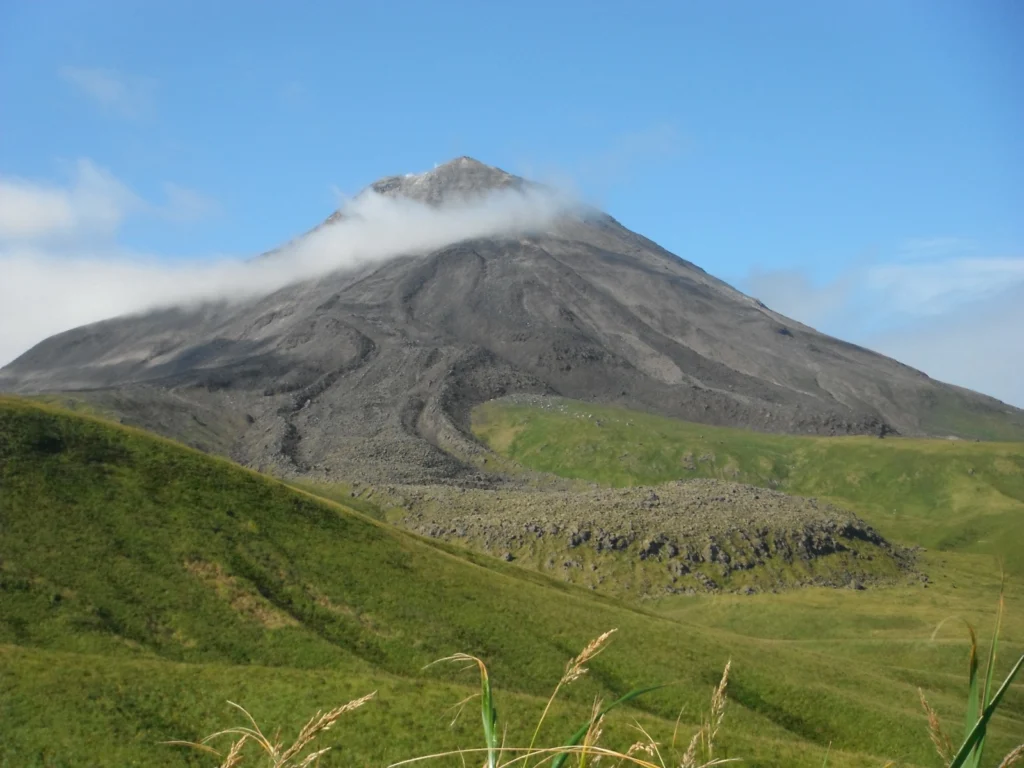
On a rare sunny day, Mattia Pistone (a researcher at the Smithsonian Institution in Washington DC) was able to capture this spectacular shot of Kanaga, a stratovolcano in the remote Western Aleutians, which is usually veiled by thick cloud. The Western Aleutians form a chain of 14 large and 55 small volcanic islands, belonging to one of the most extended volcanic archipelagos on Earth (1900 km), s ...[Read More]
Imaggeo on Mondays: Deep in the Himalayas
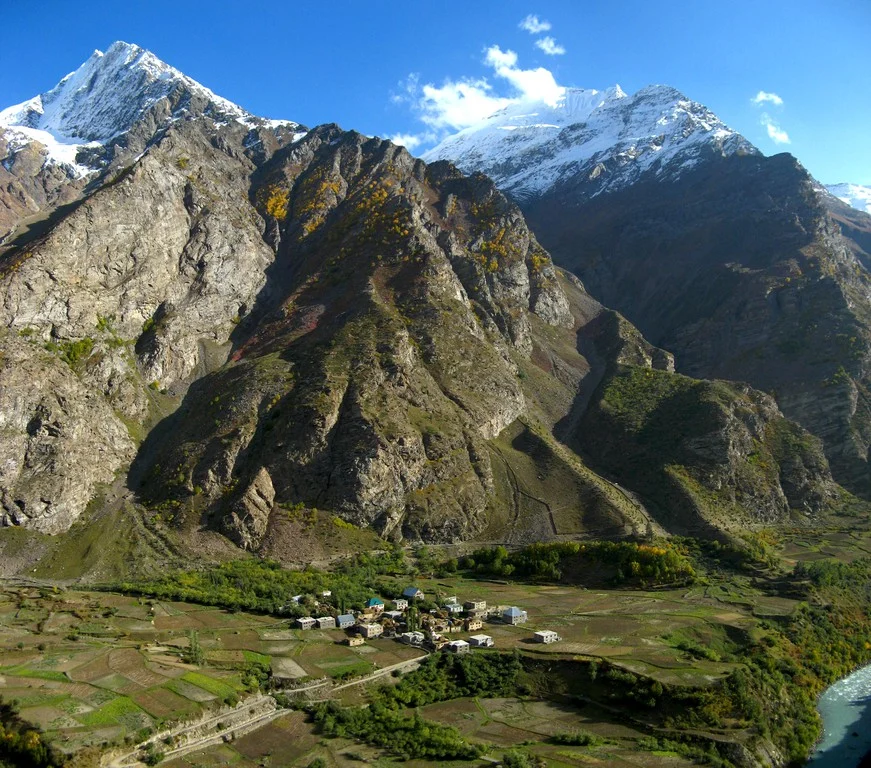
The Himalayas: vast, formidable and home to the Earth’s highest peaks. The mountain range stretches inexorably through Indian, Bhutan, Nepal, China (Tibet) and Pakistan separating the Tibetan Plateau to the north from India’s alluvial plains to the south. India, as we know it today, started life much further south, as an island not far off the coast of Australia. It was separated from ...[Read More]
Imaggeo on Mondays: recreating geological processes in the lab
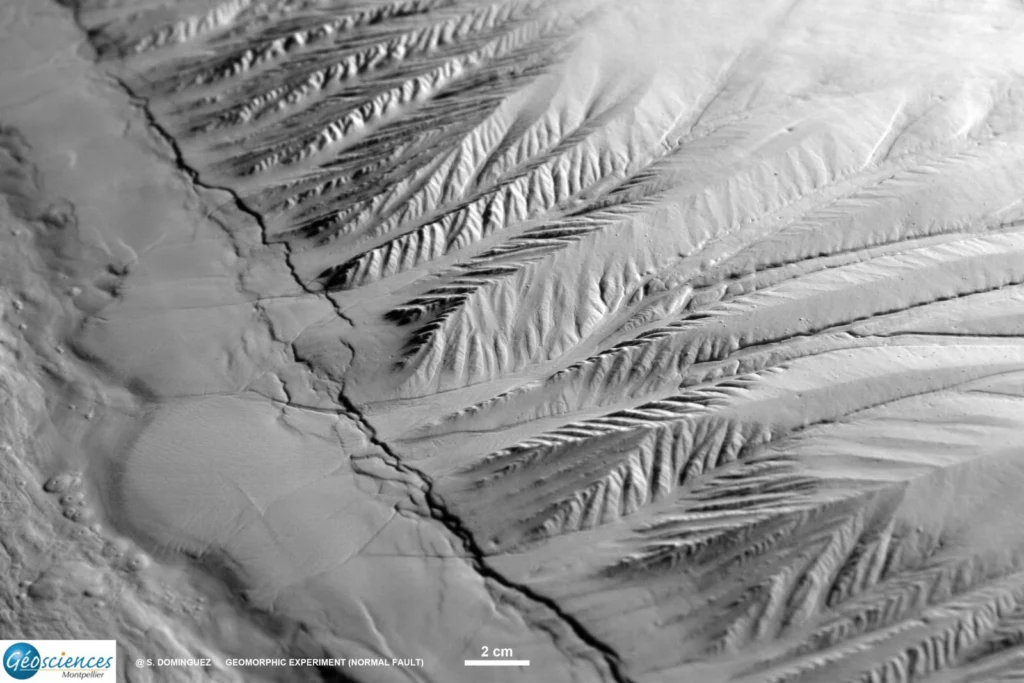
Many of the processes which take place on Earth happen over very long time scales, certainly when compared to the life span of a person. The same is true for geographical scale. Many of the processes which dominate how our planet behaves are difficult to visualise given the vast distances (and depths) over which they occur. To overcome this difficulty, scientists have developed and resorted to a n ...[Read More]