GeoLog

cryospheric sciences

GeoTalk: Meet Marie Cavitte, policy officer for the Cryosphere Division, member of the EGU Climate Hazards Task Force, former Blue Book trainee
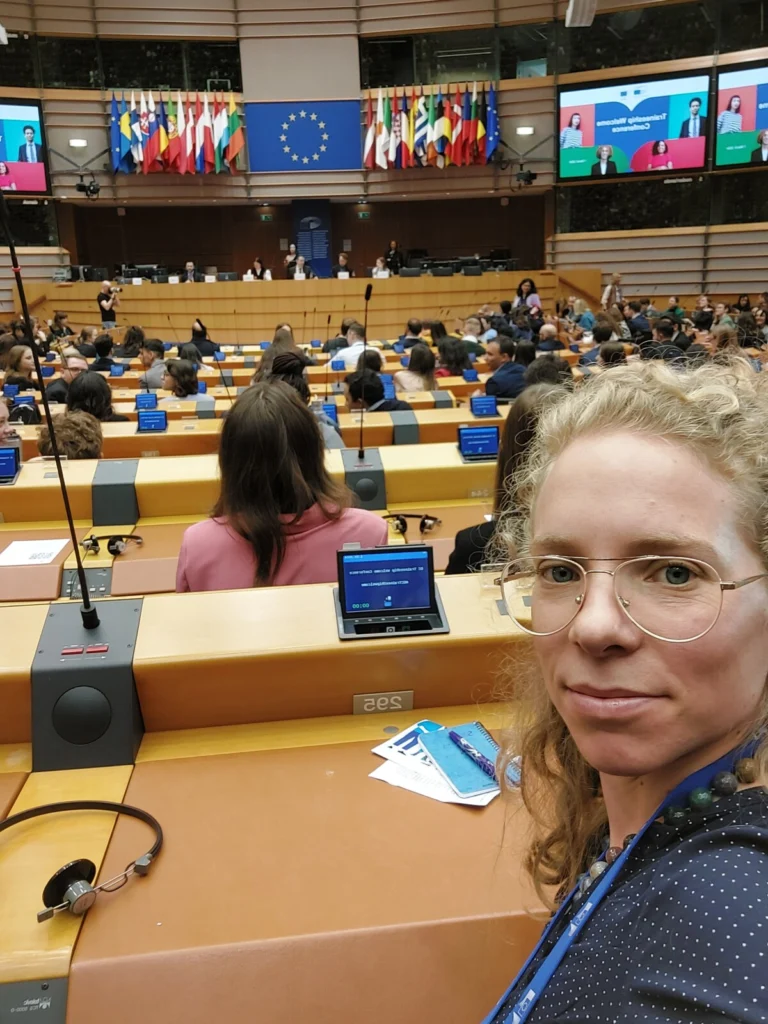
GeoTalk: Meet Marie Cavitte, policy officer for the Cryosphere Division, member of the EGU Climate Hazards Task Force, former Blue Book trainee
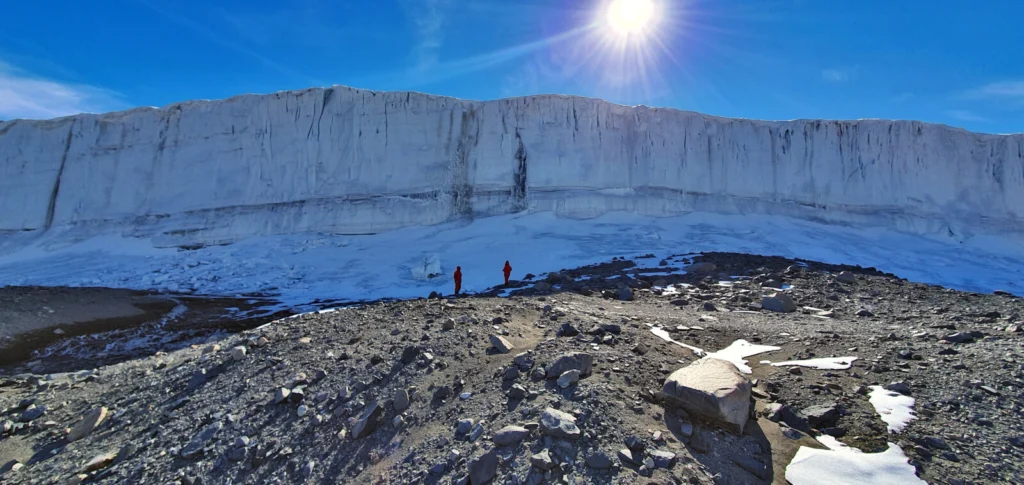
Welcome, Marie! Could you please introduce yourself to our readers? Hi, my name is Marie Cavitte. I’m a glaciologist and climatologist with a passion for the polar regions. I spent 10 years studying Antarctica. I started off during my Masters, then PhD, looking at the oldest ice on Earth, hunting for THE region of the ice sheet that might contain million-year-old ice. An ice core has been drilled ...[Read More]

GeoTalk: meet Alessandro Silvano, winner of the 2024 Ocean Sciences Division Outstanding ECS Award!

Alessandro Silvano

Hello Alessandro. Thank you for joining me for this edition GeoTalk! Could you tell our readers about your background before we dive in?  I am an oceanographer based at the University of Southampton (UK). I am interested in polar oceanography and ice-ocean interactions. The focus of my work is to understand the processes that control ocean heat transport toward rapidly-melting Antarctic glaciers. ...[Read More]

Researchers share insights from first-of-its-kind ice loss study of Antarctic Ice Sheet

Researchers share insights from first-of-its-kind ice loss study of Antarctic Ice Sheet

Hi Ronja and Emily, thank you for agreeing to doing this interview. Could you tell us briefly about your background and how you came to research your field? Emily: I have an environmental science/physical geography background and I have been working with an ice sheet model during and after my PhD to understand how glaciers and ice streams in Greenland and Antarctica may respond to climatic changes ...[Read More]

GeoTalk: Meet Larissa van der Laan, glaciologist and science-artist!

GeoTalk: Meet Larissa van der Laan, glaciologist and science-artist!

Hi Larissa, thankyou for spending time with us today! To break the ice, could you tell us a little about yourself and your research? Ha, I see what you did there. I’m Larissa, she/her, 29, and a PhD candidate at the Institute of Hydrology and Water Resources Management in Hannover, Germany. I’ve been fascinated by snow and ice since I was little, writing my first ever school report and ...[Read More]

Imaggeo on Mondays: The glacier surviving climate change

Imaggeo on Mondays: The glacier surviving climate change

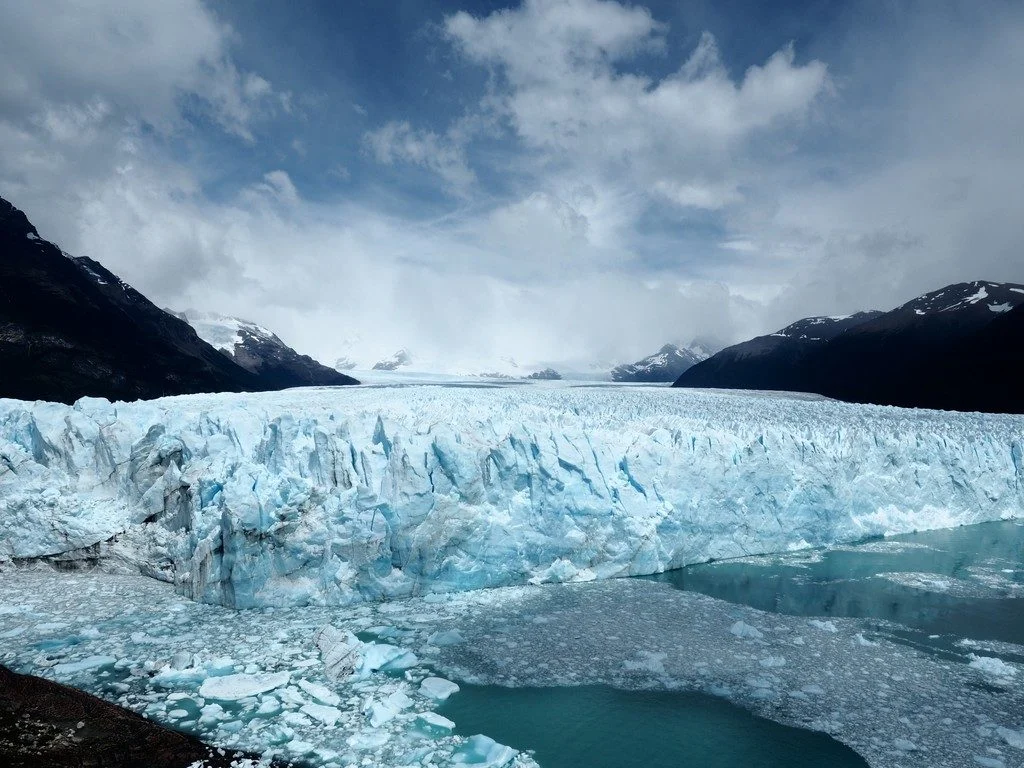
Human impacts on the climate are nowadays clearly discernible, and the changes to our climate that previously happened in geologic time scales are currently happening during the span of a human lifetime. Our planet is warming and temperature today is now more than 1°C higher than it was in the pre-industrial world and rises by about 0.15-0.2°C on average each decade. The dramatic effects of this r ...[Read More]

Imaggeo on Mondays: A walk at the glacier

Imaggeo on Mondays: A walk at the glacier

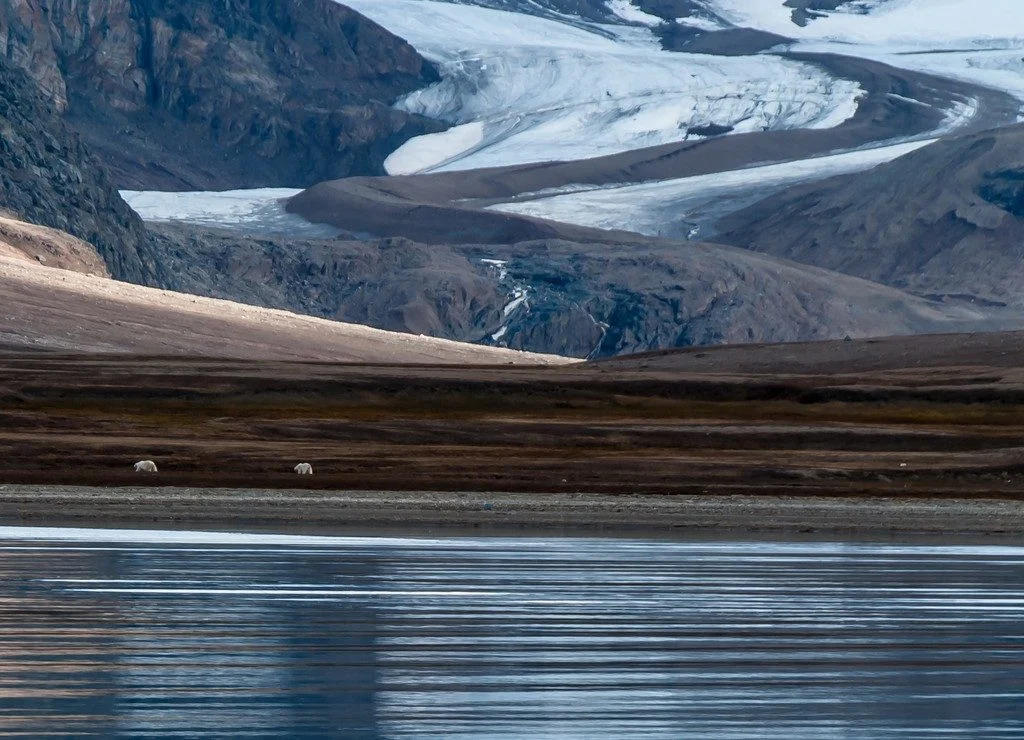
In 2012 I had the opportunity to help lead a teaching excursion to the Norwegian archipelago Svalbard. On this trip, geography students from the Ruhr-University of Bochum in Germany had the chance to learn more about the nature of this fascinating island. In addition to Svalbard’s climatology and the wildlife, the region’s glaciology and geomorphology were the main topics we focused on. For exampl ...[Read More]

Imaggeo on Mondays: Robotics at the service of the polar science

Imaggeo on Mondays: Robotics at the service of the polar science

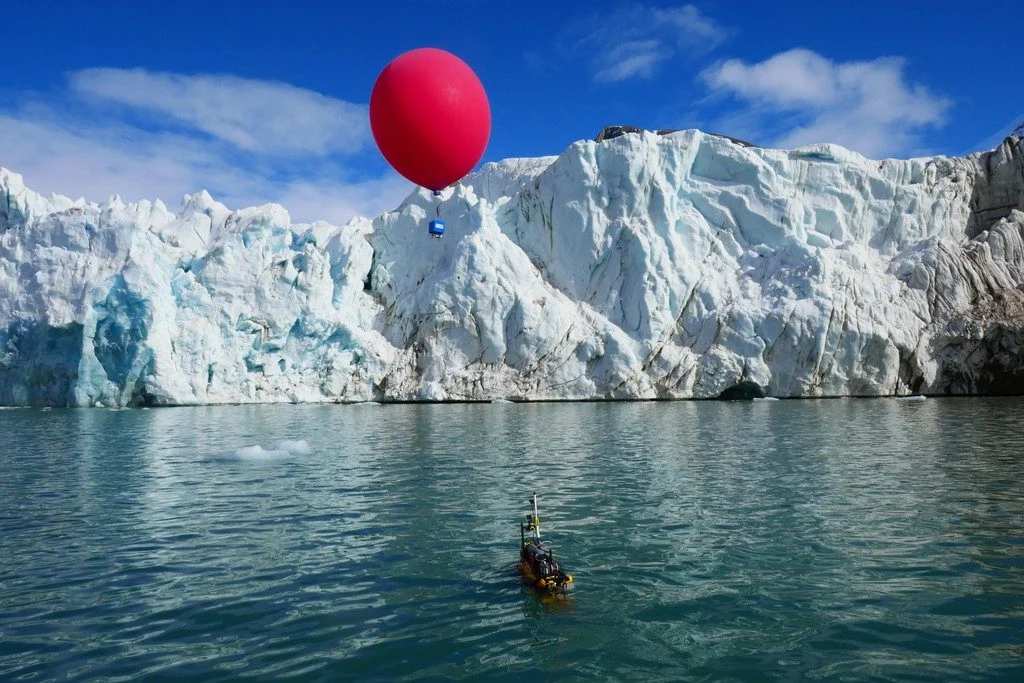
This picture was taken in the Arctic in May 2018. It shows the unmanned marine vehicle Proteus in front of the tidewater glacier Conwaybreen in the Kongsfjorden in Spitsbergen in the Svalbard Archipelago. The front of tidewater glaciers is an almost vertical wall of ice standing over the sea where direct measurements are very critical due to the possibility of sudden fall of enormous blocks of ice ...[Read More]

Imaggeo on Mondays: Sand and snow on the Tibetan Plateau

Imaggeo on Mondays: Sand and snow on the Tibetan Plateau

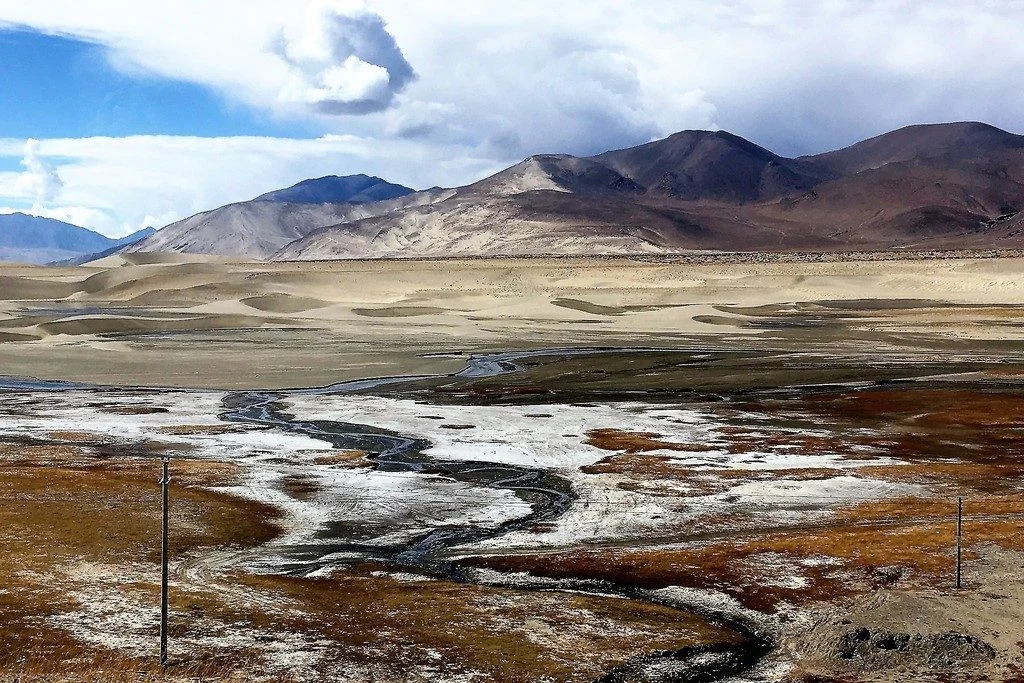
Roughly 50 million years ago, the Eurasian and Indian continental plates began to crash into each other, dramatically changing the landscape of modern-day Asia. The force of the collision caused the Earth to scrunch together at the zone of impact, subsequently forming the Himalayan mountain range. However, to the north of the crash, a stretch of the Earth uplifted without bunching up or wrinkling; ...[Read More]