As the world commemorates the 35th anniversary of the Montreal Protocol, it’s worth taking a moment to appreciate this landmark agreement’s monumental impact on our planet. Officially known as the “Montreal Protocol on Substances That Deplete the Ozone Layer,” this treaty stands as one of the most successful environmental accords in history, showcasing what humanity can achieve when it comes ...[Read More]
climate change adaptation
The Global South Climate Database: one thousand experts in one year!
Climate change is one of the most urgent problems facing humanity today. Every corner of the planet is already feeling the impacts of climate change, from devastating heatwaves to sweeping floods. The wealthy and powerful are responsible for the lion’s share of greenhouse gas emissions. Yet, the impacts of climate change are disproportionately felt by the poorest and most vulnerable members ...[Read More]
Why hydrogen – the ‘fuel of the future’ – may not be as clean as we think
Around the world, the shift to hydrogen is being considered a key strategy to decarbonize the environment, with experts even calling it the fuel of the future. Hydrogen now features in all eight of the European Commission’s net zero emissions scenarios for 2050, promising to end our dependence on fossil fuels and reduce CO2 emissions across industries. So it comes as no surprise that billions of e ...[Read More]
How a Spanish newspaper experiment is improving public understanding of climate change
Climate change is not a new phenomenon. Nor is global warming. So why do researchers report a poor public understanding of this subject around the world? According to a recently published study, 70% of the people surveyed said they were concerned about rising global temperatures but had little knowledge about the climate crisis. When asked how much they knew about the origin and effects of global ...[Read More]
Spring, Summer, Winter…Haze?
Around the world, societies have many different ways to define the seasons, but for most people a season is identified by a set of culturally specified events, such as the arrival of migratory birds, certain anticipated weather patterns, or a range of expected temperatures. Over recent years many studies have examined the various ways that anthropogenic climate change has affected the way that our ...[Read More]
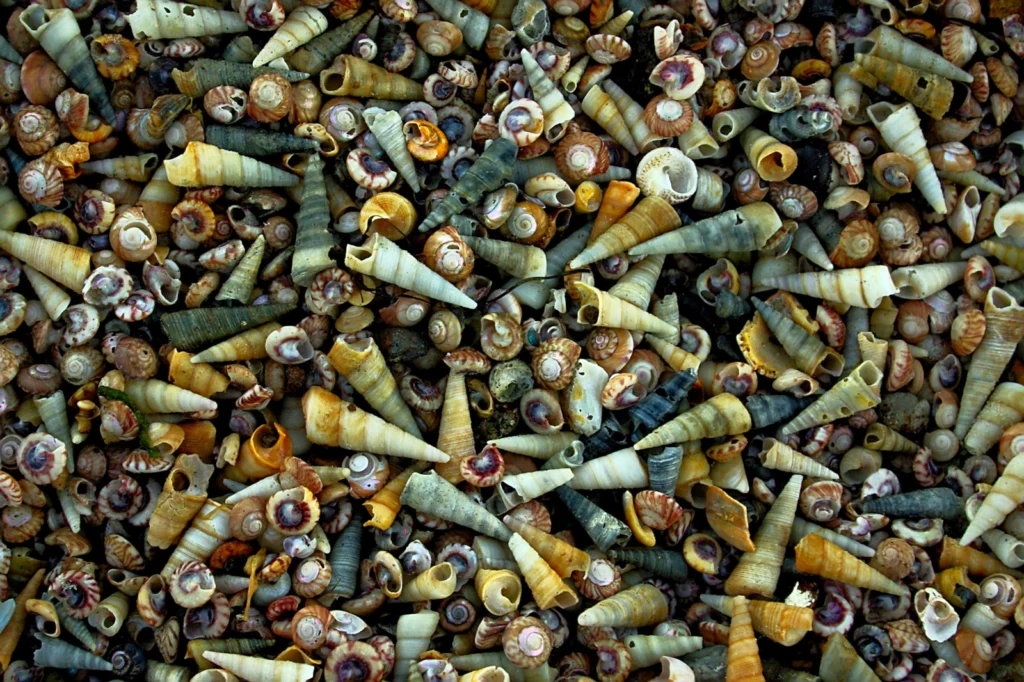
Imaggeo On Monday: A drift of sea-snail shells
A collection of washed-up shells on a beach on the south island of New Zealand. Shore transport processes have produced a well-sorted drift of similarly sized (approx. 1-2 cm) shells and shell fragments. The main species represented are the common turret shell (Maoricolpus roseus) and wheel shell (Zethalia zelandica), both sea snails endemic to New Zealand. Description by Pontus Lurcock, af ...[Read More]
Imaggeo On Monday: Studying shell morphodynamics to improve climate models
Profile of a specimen of Arctica islandica, one of the longest lived marine bivalves known, undergoing a 3D scan. Their longevity is exploited for reconstruction of climate patterns in the North Atlantic. However, mathematical models of their morphodynamics are necessary to account for bias induced by their asymmetric growth (“morphodynamics” is the study of how an organisms’ gro ...[Read More]
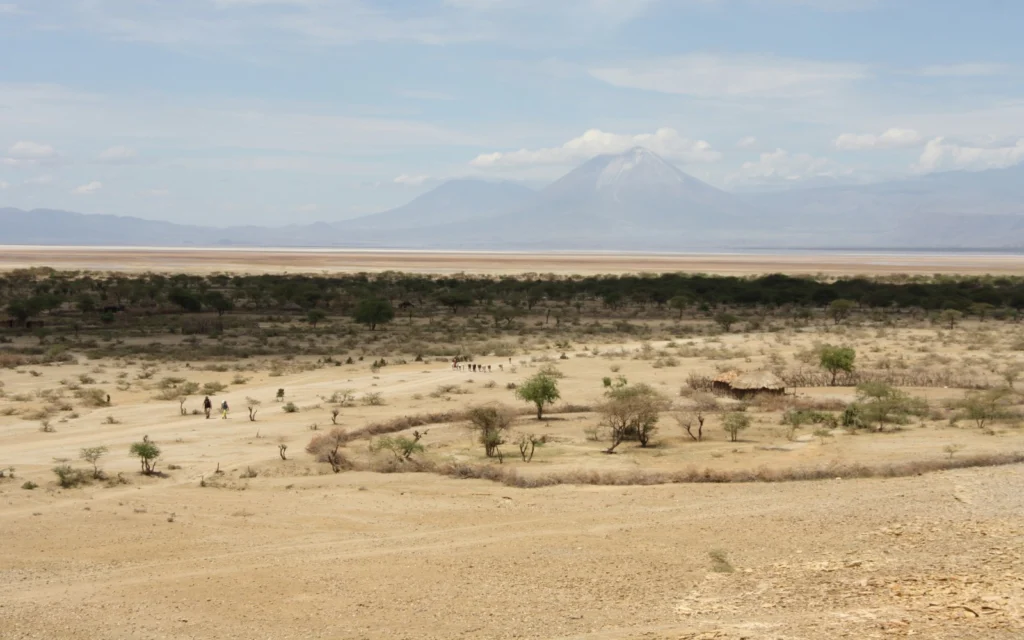
Geosciences Column: Africa’s vulnerability to climate change
Ravaged by armed conflicts, a deep struggle with poverty, poor governance and horizontal inequality, some parts of Africa and other Global South regions are arguably the most vulnerable to the impacts of climate change. Largely reliant on natural resources for sustenance, current and future changes in temperatures, precipitation and the intensity of some natural hazards threaten the food security, ...[Read More]