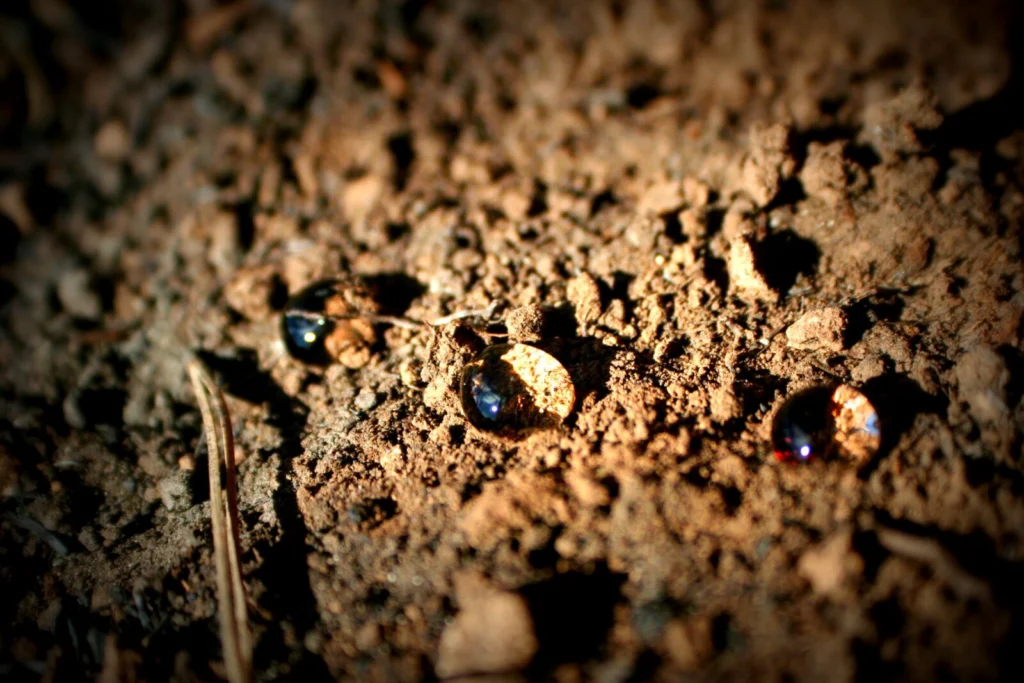
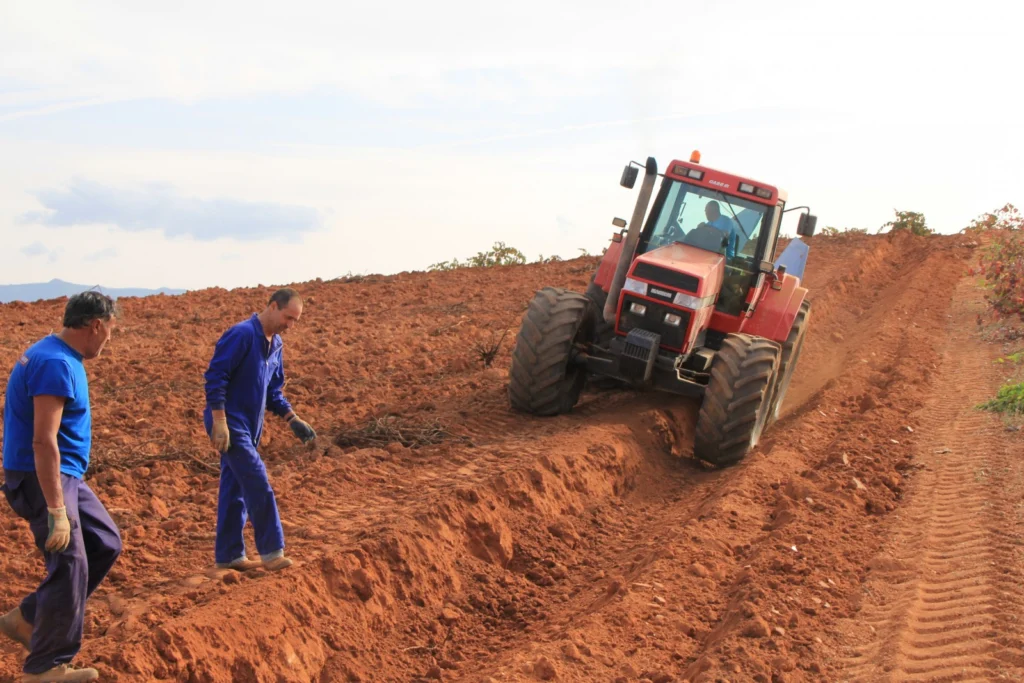
Next time you’re outdoors, in a park or anywhere where there is no pavement, look down at the patch of earth beneath your feet. To many people, it’s just mud, dirt, or maybe soil, something passive that things grow in. But to a soil scientist, that handful of soil represents a dynamic ecosystem that supports an incredible 95% of all the food we eat, filters every drop of our drinking water, ...[Read More]
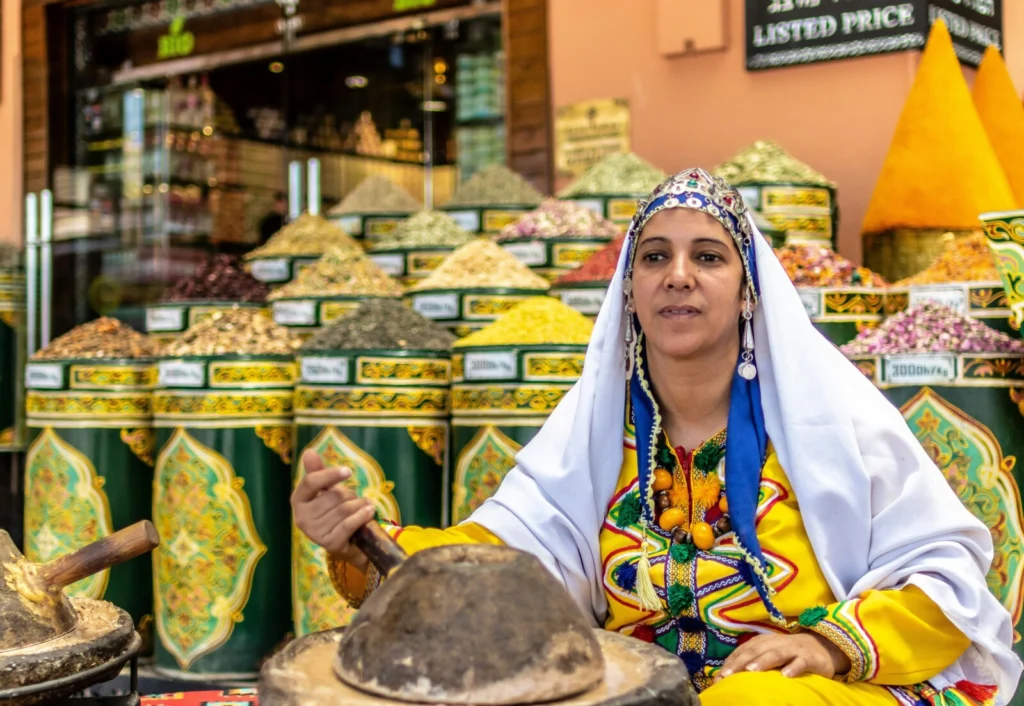
Meet the Amazighs: Morocco’s indigenous women and their pivotal role in leading climate resilience initiatives
The International Day of the World’s Indigenous Peoples, observed each year on August 9, seeks to raise awareness and protect the rights of indigenous communities around the globe. To honour this, I have invited a few guest authors to write a series of blog posts that celebrate indigenous knowledge and highlight the intersection of natural hazards and climate issues, and resilience, across v ...[Read More]
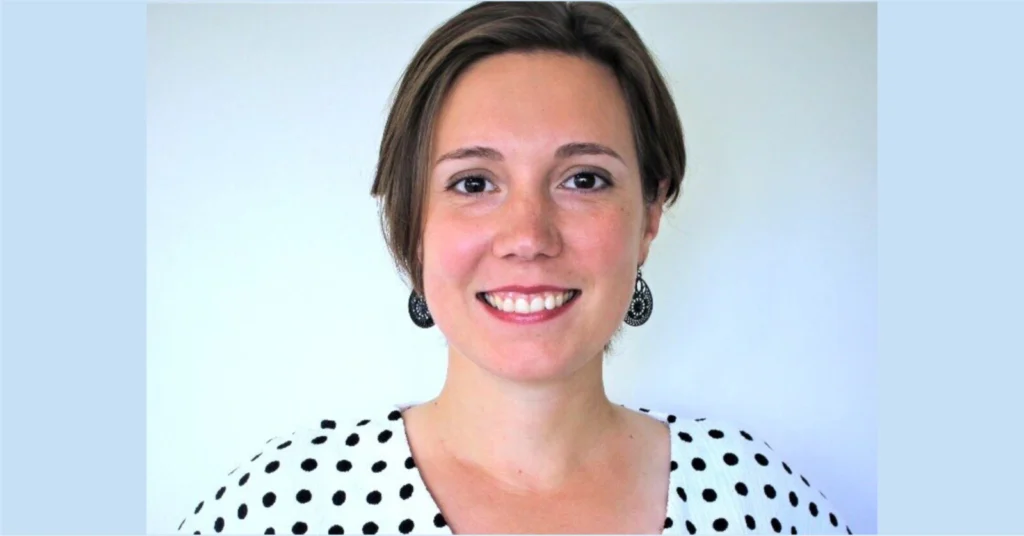
GeoTalk: meet Kara Müller, researcher of biodegradable plastic!
Hello Kara. Thank you for joining this edition of GeoTalk! Could you tell our readers a little bit about yourself and your background? Thank you, Simon. I am excited to join you for the interview. I grew up in the middle of Germany in Bad Homburg, close to Frankfurt. After school, I travelled through Australia with occasional jobs, and after one year, I decided to return to Germany to study chemis ...[Read More]
How Ancient Egyptian Decline Synced With Hydrological Change….And How They Survived
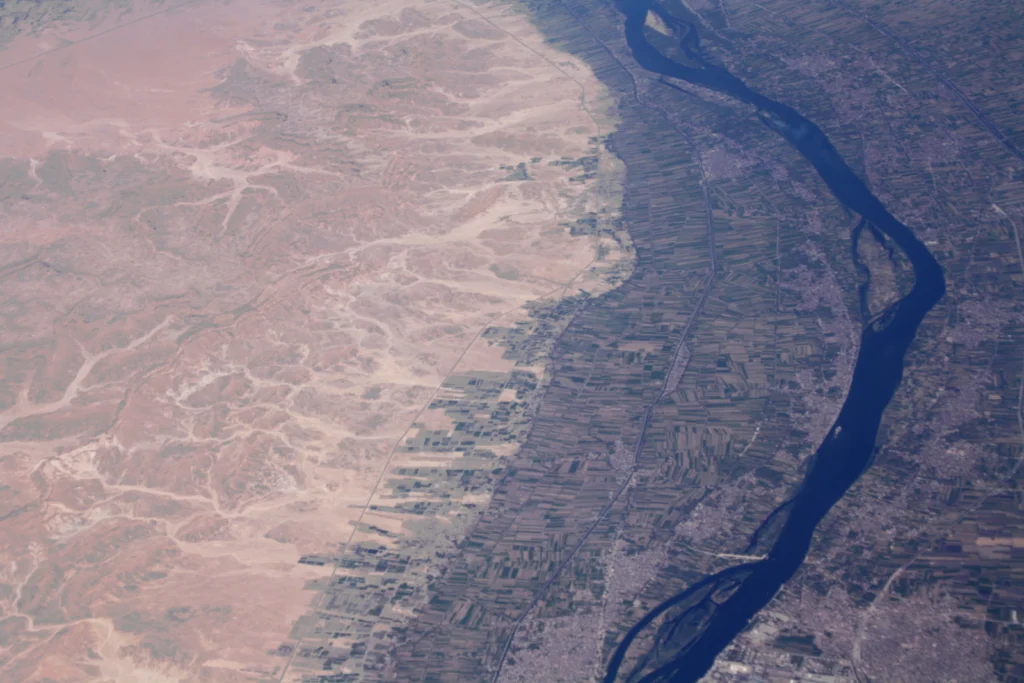
Cairo’s survival was, is, and will be dependent on the flow of the Nile. Since the city was founded in 10th century CE the Nile’s scouring waters have left behind untouched ground onto which the city has spilled and grown. Modern Cairo’s youngest districts are closest to the Nile, founded on earth which was underwater centuries before. It is the river’s changing nature that made the Nile Val ...[Read More]
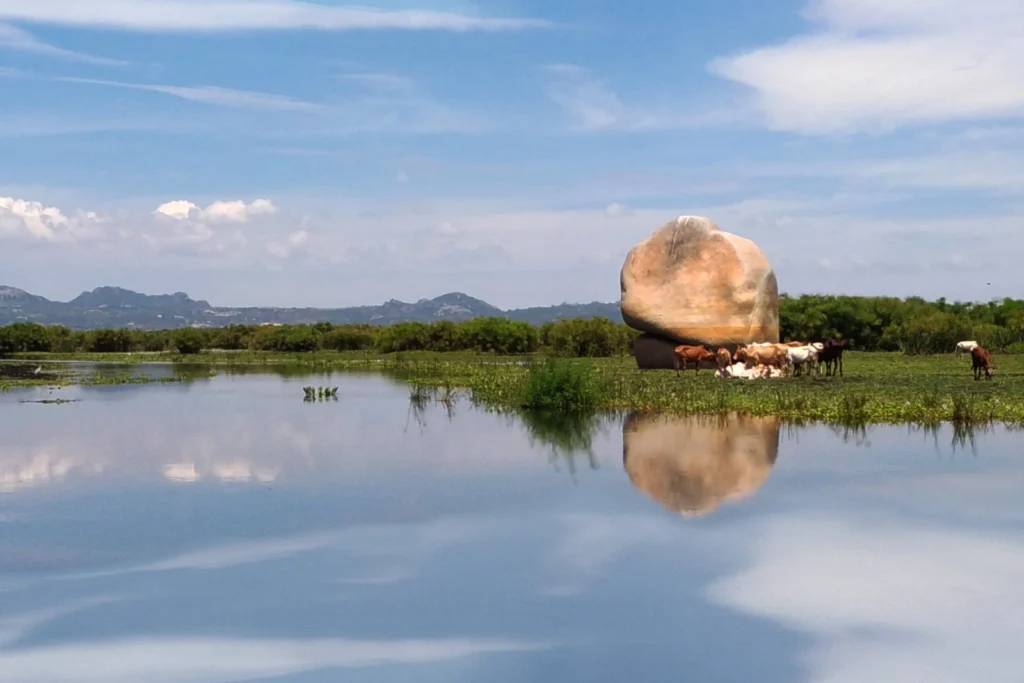
Imaggeo On Monday: A steady silent witness
I took this picture during a sunny field work day in the Mara Wetland, Tanzania. The granitic inselberg appeared to me as a huge silent witness not only of siltation and inundation of the wetland but also of the human actions. Slash-and-burn is widely used to deforest lands and riparian vegetation for new crops and grazing fields along the Mara River. The induced habitat degradation is jeopardizin ...[Read More]
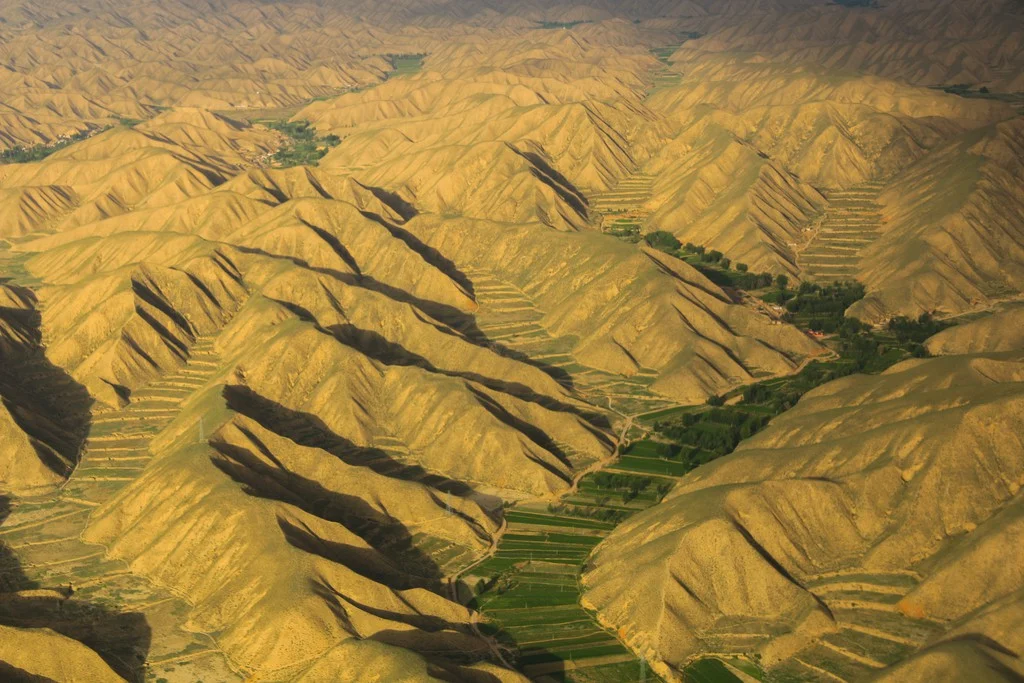
Imaggeo on Mondays: Life between the arid mountains of Gansu, China
Even within Earth’s more arid environments, you can find life! This featured photo was taken near the Lanzhou Zhongchuan Airport, about 50 km away from Lanzhou city, the capital of Gansu province in Western China. The area lies in a region between the Qinghai-Tibet Plateau and the Loess Plateau, with an elevation ranging from 1,500 m to 2,200 m. The landscape is dominated by a network of ridges an ...[Read More]
Geosciences Column: The World’s soils are under threat
An increasing global population means that we are more dependant than ever on soils. Soils are crucial to securing our future supplies of water, food, as well as aiding adaptation to climate change and sustaining the planet’s biosphere; yet with the decrease in human labour dedicated to working the land, never have we been more out of touch with the vital importance of this natural resource. Now, ...[Read More]
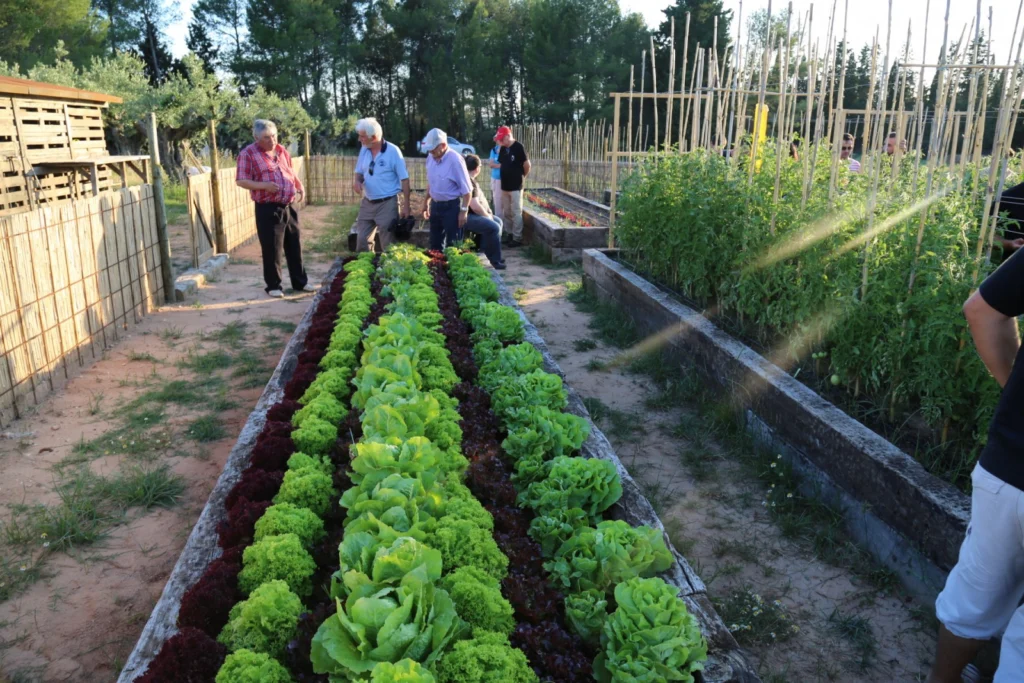
Imaggeo on Mondays: The soil in your veg patch
Do a search for images of dirt in Google and you might be surprised to find that the vast majority of returned images are of a substance that we ought to be protecting and treasuring, rather than dismissing as something unclean and without value: soil. It’s not the first time we’ve featured this precious resource on GeoLog recently, remember that post about soil in art? It’s not without reason eit ...[Read More]
Imaggeo on Mondays: Mountains, rivers and agriculture
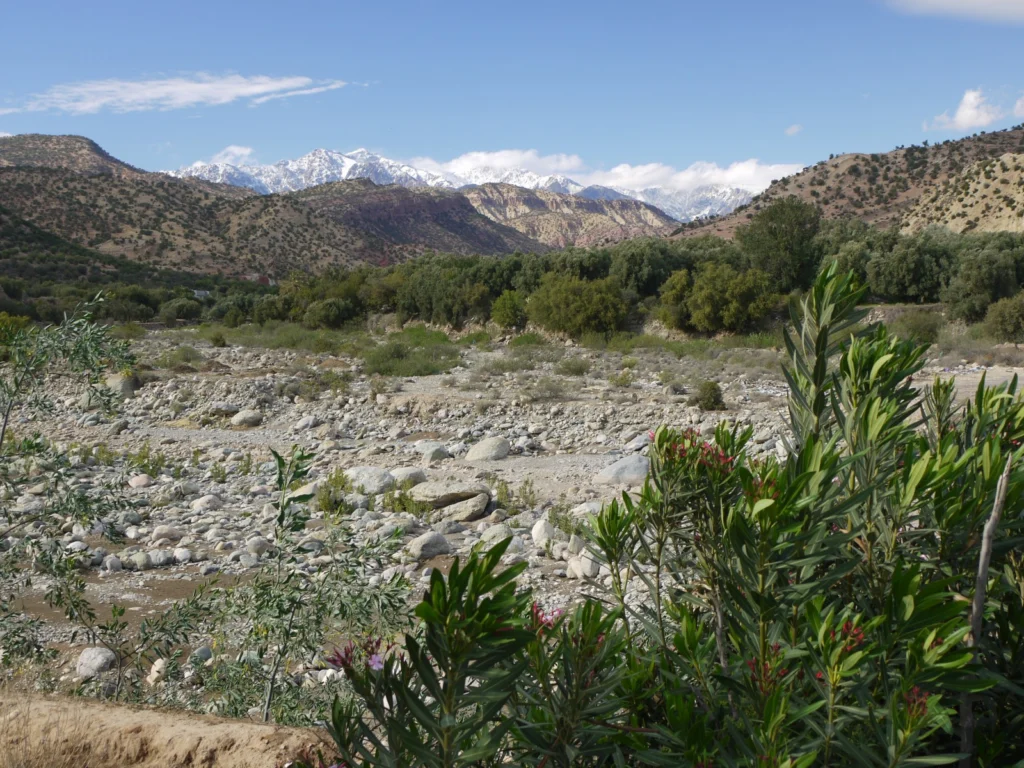
This week’s Imaggeo on Mondays image blends a range of geoscience disciplines. The post, by Irene Marzolff, a researcher at Johann Wolfgang Goethe-Universitaet, explores how the mountains, rivers and soils of the High Atlas in Morocco are intrinsically linked to the agriculture of the region. The image was taken in the southern slopes of the Western High Atlas, north of the city of Taroudann ...[Read More]
Geosciences Column: When water is scarce, understanding how we can save it is important
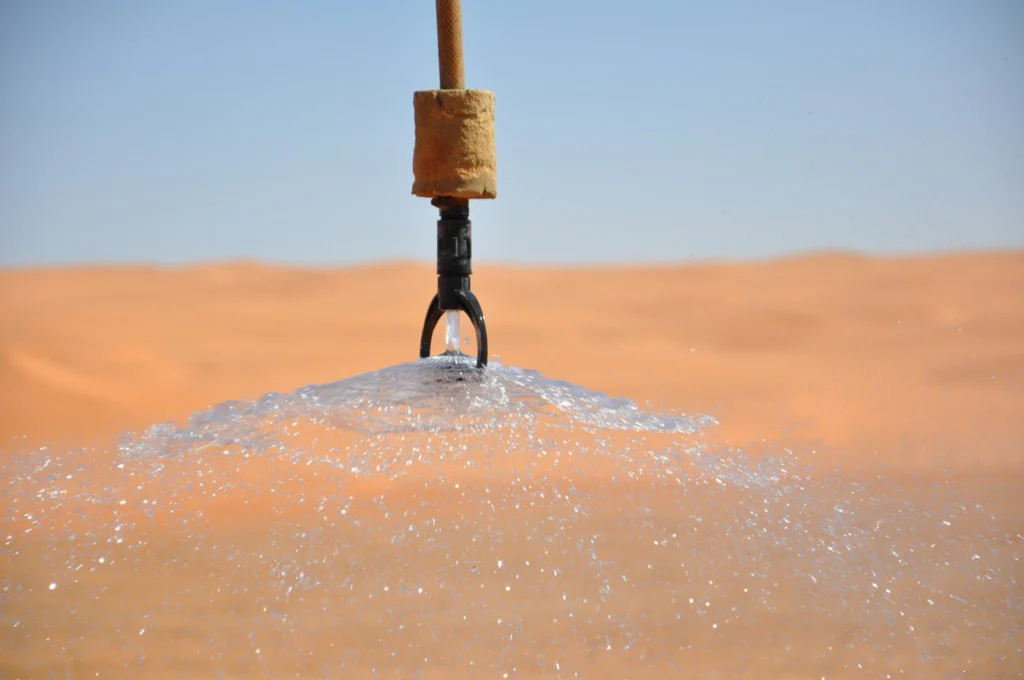
Supplies of water on Earth are running dry. The rate at which an ever growing population consumes this precious resource is not matched by our Planet’s ability to replenish it. Water scarcity is proving a problem globally, with regions such as California and Brazil facing some of the most severe water shortages on record. Used for drinking, agriculture and industrial processes, water forms an fund ...[Read More]