GeoLog

Africa

Imaggeo on Mondays: Rain on the Namib Desert
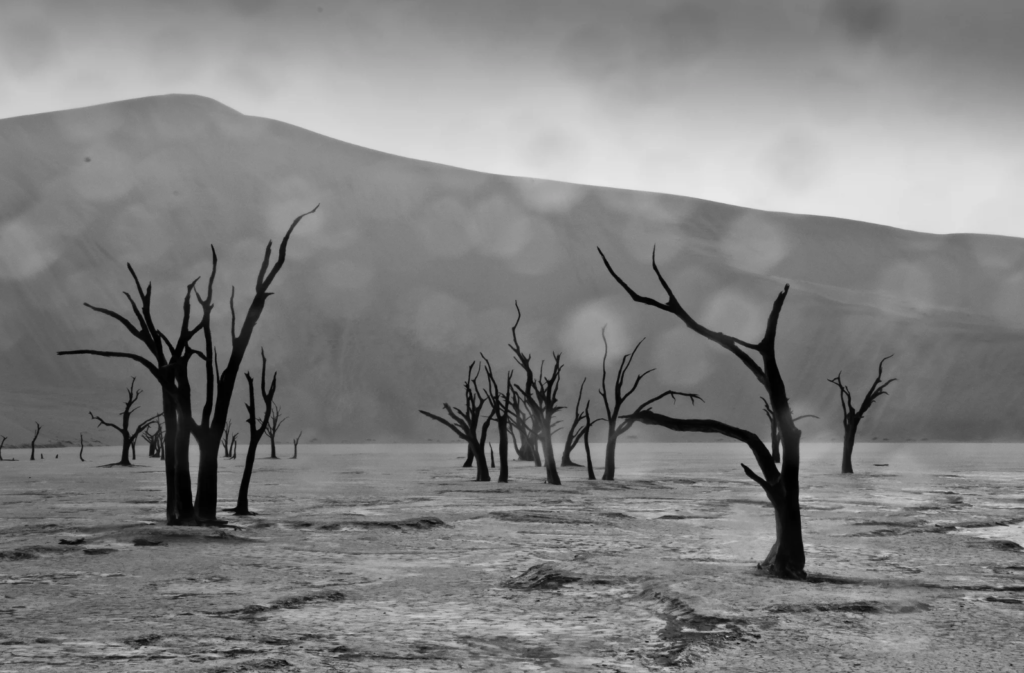
Imaggeo on Mondays: Rain on the Namib Desert
Pictured here is the arid Namib Desert on a not-so-arid day. The desert is known for its extremely dry conditions and abundance of sunshine, but this photo, taken by Christoph Schmidt, chair of geomorphology at the University of Bayreuth in Germany, gives us a rare glimpse of a rainy day. The Namib Desert spans about 81,000 square kilometres in southwest Africa, stretching throughout the entire co ...[Read More]

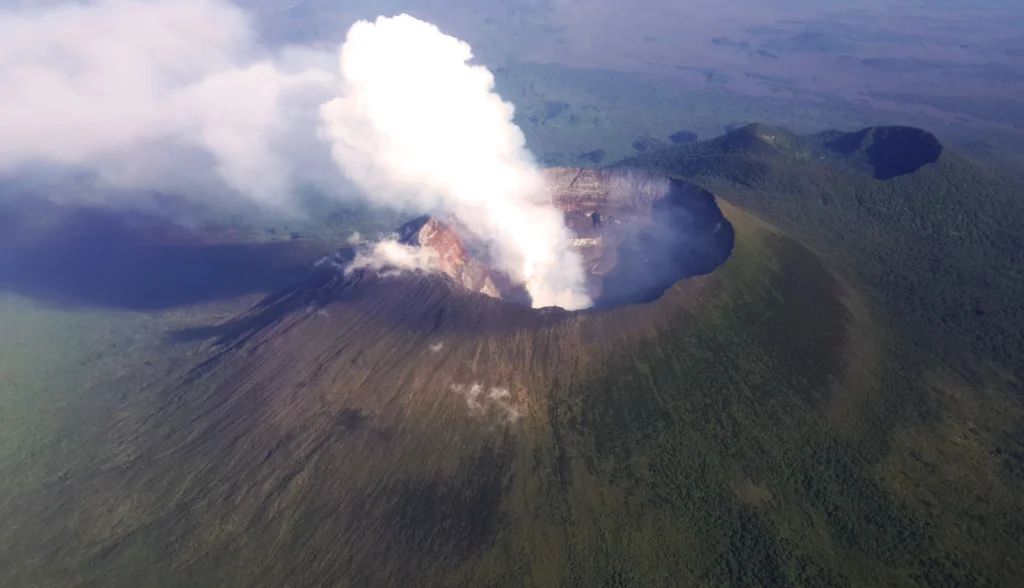
Geosciences Column: How erupting African volcanoes impact the Amazon’s atmosphere

Geosciences Column: How erupting African volcanoes impact the Amazon’s atmosphere

When volcanoes erupt, they can release into the atmosphere a number of different gases initially stored in their magma, such as carbon dioxide, hydrogen sulfide, and sulfur dioxide. These kinds of gases can have a big influence on Earth’s atmosphere, even at distances hundreds to thousands of kilometres away. A team of researchers have found evidence that sulfur emissions from volcanic eruptions i ...[Read More]

GeoTalk: Severe soil erosion events and how to predict them

GeoTalk: Severe soil erosion events and how to predict them

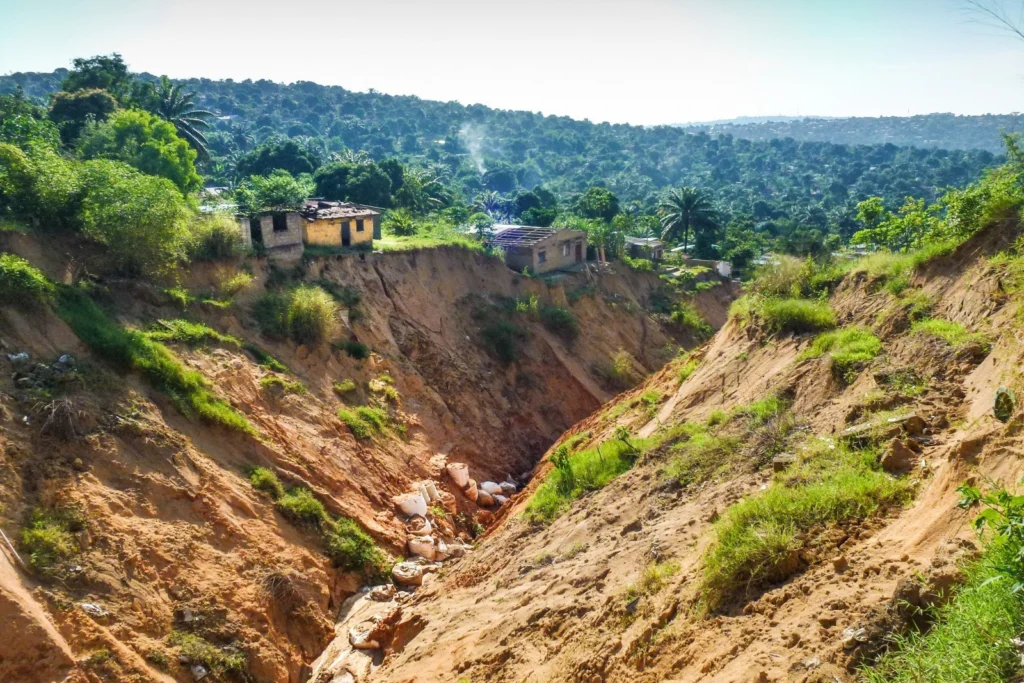
Geotalk is a regular feature highlighting early career researchers and their work. In this interview we speak to Matthias Vanmaercke, an associate professor at the University of Liège in Belgium who studies soil erosion and land degradation across Europe and Africa. At the EGU General Assembly he received the 2018 Soil System Sciences Division Outstanding Early Career Scientists Award. Thanks for ...[Read More]

Imaggeo on Mondays: Namibia’s mysterious fairy circles

Imaggeo on Mondays: Namibia’s mysterious fairy circles

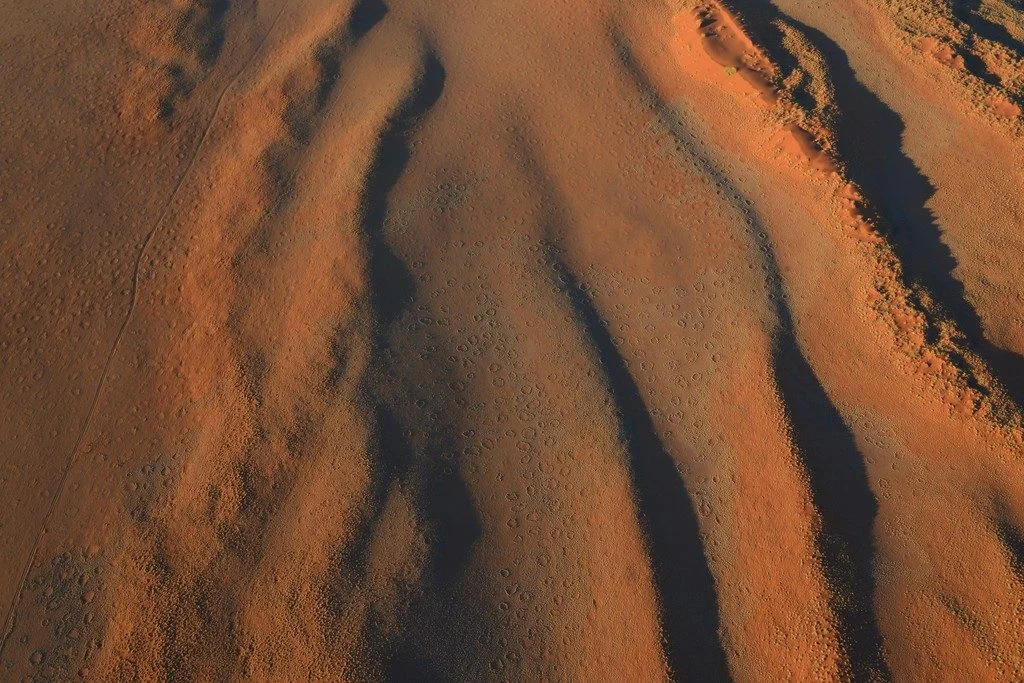
The grassy Namibian desert is pock-marked with millions of circular patches of bare earth just like these shown in the picture between linear dunes. Viewed from a balloon, they make the ground look like a moonscape. Commonly known as fairy circles, the patches range from two to 12 metres across and appear in a 2000 kilometre strip that stretches from Angola to South Africa. For many decades, the f ...[Read More]

Geosciences Column: Africa’s vulnerability to climate change

Climate change is set to hit the nations of the Global South the hardest.

Ravaged by armed conflicts, a deep struggle with poverty, poor governance and horizontal inequality, some parts of Africa and other Global South regions are arguably the most vulnerable to the impacts of climate change. Largely reliant on natural resources for sustenance, current and future changes in temperatures, precipitation and the intensity of some natural hazards threaten the food security, ...[Read More]

Imaggeo on Mondays: Soil and water conservation in the Dogon Plateau, Mali

Velio Coviello, a scientist from the Research Institute for Hydrogeological Protection, Italy, and one of the winners of the EGU 2014 Photo Contest, brings us this week’s Imaggeo on Mondays. He sheds light on his winning image and the problems associated with conserving soils and water in Western Africa…  This picture was taken on Mali’s Dogon plateau during the dry season, in the course of a late ...[Read More]

GeoEd: An African GIFT Experience

This year the EGU embarked on a new journey into Africa to deliver its renowned Geosciences Information for Teachers (GIFT) programme to teachers in South Africa and neighbouring countries in collaboration with UNESCO and the European Space Agency (ESA). The topic: Climate Change and Human Adaptation. Jane Robb reports on the week’s events… Set in ‘the windy city’ of Port Elizabeth (or ...[Read More]

Enhancing Earth science education in Africa

In 2008 UNESCO launched the Earth Science Education Initiative in Africa in response to a call from African governments to aid them in closing the ever widening gap between their need to further exploit the continent’s natural resources and their skills and research facilities. Reacting to this call, UNESCO first set up a series of scoping workshops across the continent to understand African capac ...[Read More]

Sending GIFT to Africa: A new collaboration between the EGU, UNESCO and ESA

For the past ten years, the EGU’s Geosciences Information for Teachers (GIFT) workshops – spreading first hand scientific research to teachers of primary and secondary schools – have been hugely successful in shortening the time that research takes to disseminate from scientist to textbook to teacher and offering usable practical activities for the classroom. GIFT workshops are usually held at the ...[Read More]