Detail of a photo: Maze of layered canyon walls and buttes in bands of red, cream and grey, receding into the distance in soft evening light.
GeoLog

GeoLog

Studying an active volcano – in pictures
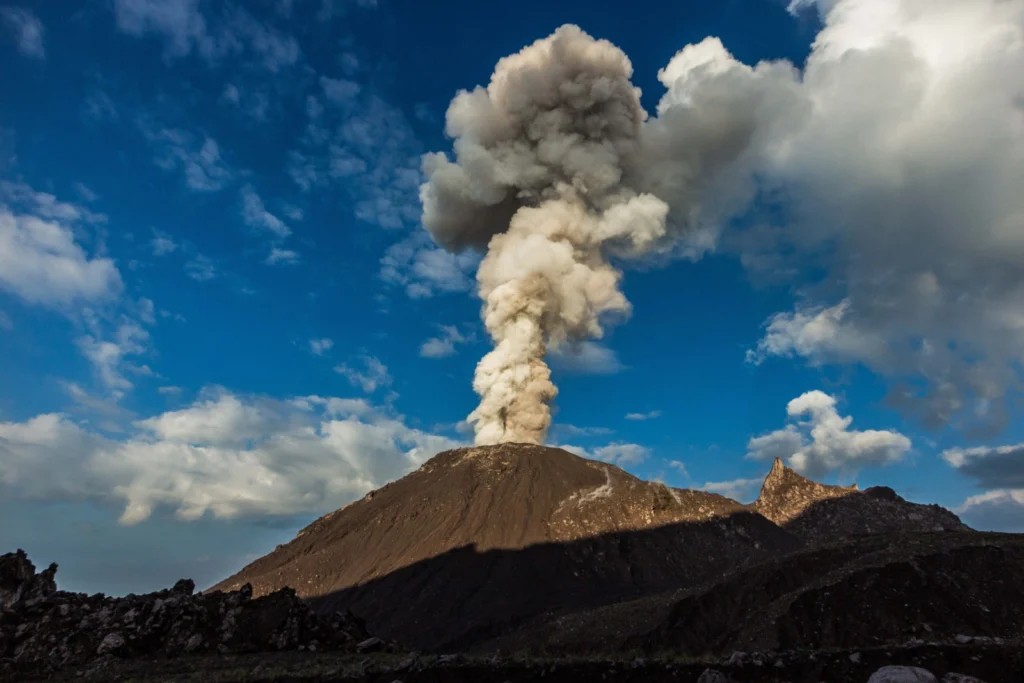
Studying an active volcano – in pictures
Santiaguito volcano in Guatemala is one of the most active volcanoes in Central America: currently erupting every 45-90 mintues, from its active lava dome Caliente, while at the same time sending a lava flow down its flanks. This makes it an ideal study object for volcanology. A group of volcanologists from the University of Liverpool, …[Read More]

Imaggeo on Mondays: Just Passing

Imaggeo on Mondays: Just Passing

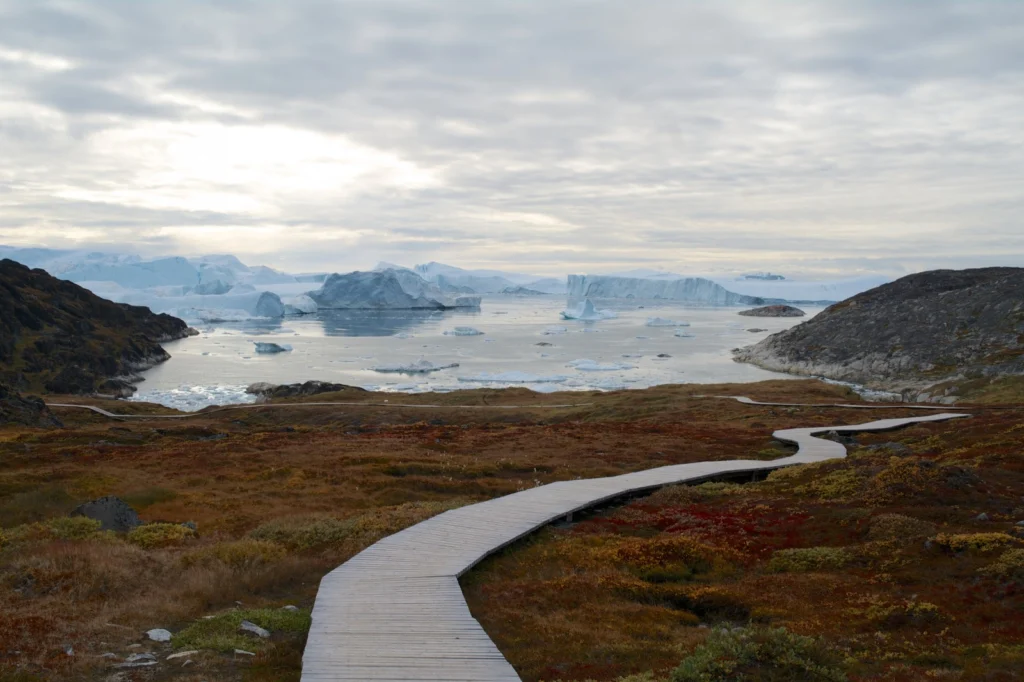
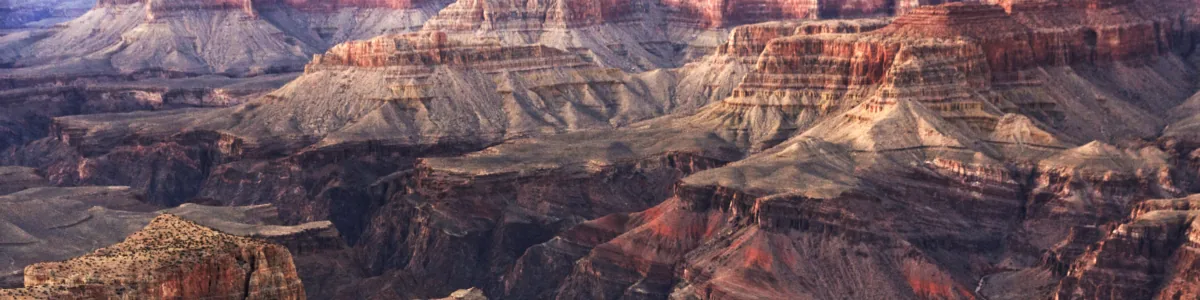
If lucky enough to visit Ilulissat Icefjord, you’d find yourself in a truly ancient landscape. From the up to 3.9 billion year old Precambrian rocks, to ice dating back to the Quaternary Ice Age (2.6 thousand years old) and archaeological remains which evidence the past settlement of this remote Greenlandic outpost, it’s no surprise this …[Read More]

Imaggeo on Mondays: Scales of fluvial dissection

Imaggeo on Mondays: Scales of fluvial dissection

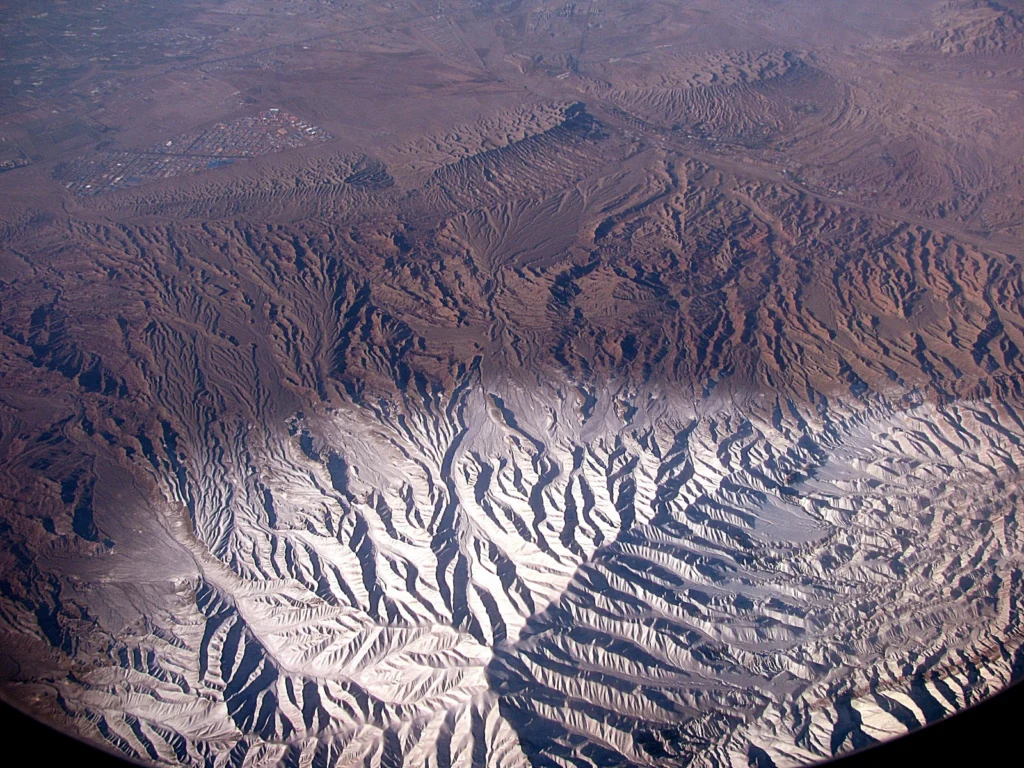
High peaks, winding river channels and a barren landscape all feature in today’s Imaggeo on Mondays image, brought to you by Katja Laute, a geomorphologist from Norway.  This photo was taken from an airplane flying over the Zagros Mountains in Iran. The Zagros Mountain range stretches south and west from the borders of Turkey and …[Read More]

GeoEd: I’m a Geoscientist 2015

GeoEd: I’m a Geoscientist 2015

Imagine a talent show where contestants get voted off depending on their skills in their area of choice. Then imagine that this talent show is populated by geoscientists with school students voting them off based on the scientist’s ability to communicate their research well. This is the basis of an educational initiative called I’m a …[Read More]

Imaggeo on Mondays: A fold belt within a grain

Imaggeo on Mondays: A fold belt within a grain

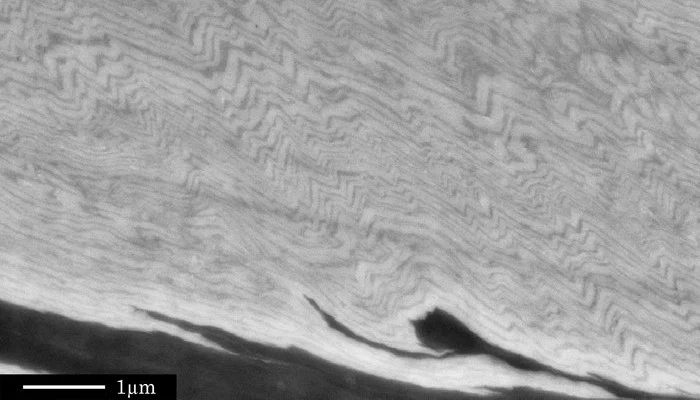
Tiny crinkly folds form the main basis of today’s Imaggeo on Mondays. Folding can occur on a number of scales; studying folds at all scales can reveal critical information about how rocks behave when they are squeeze and pinched, as described by Sina Marti, from the University of Basel. Although many geoscientists have seen such …[Read More]

GeoEd: Why So Serious?

GeoEd: Why So Serious?

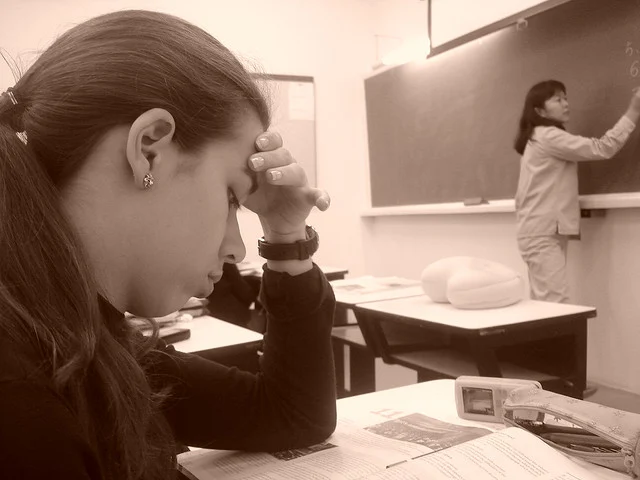
In this edition of GeoEd, Sam Illingworth, a lecturer in science communication at Manchester Metropolitan University, explores the benefits of a more informal teaching style and how the incorporation of play into everyday teaching can help to engage and enthuse students who oterhwise struggle to connect with the sciences. Despite the hard work, there are …[Read More]