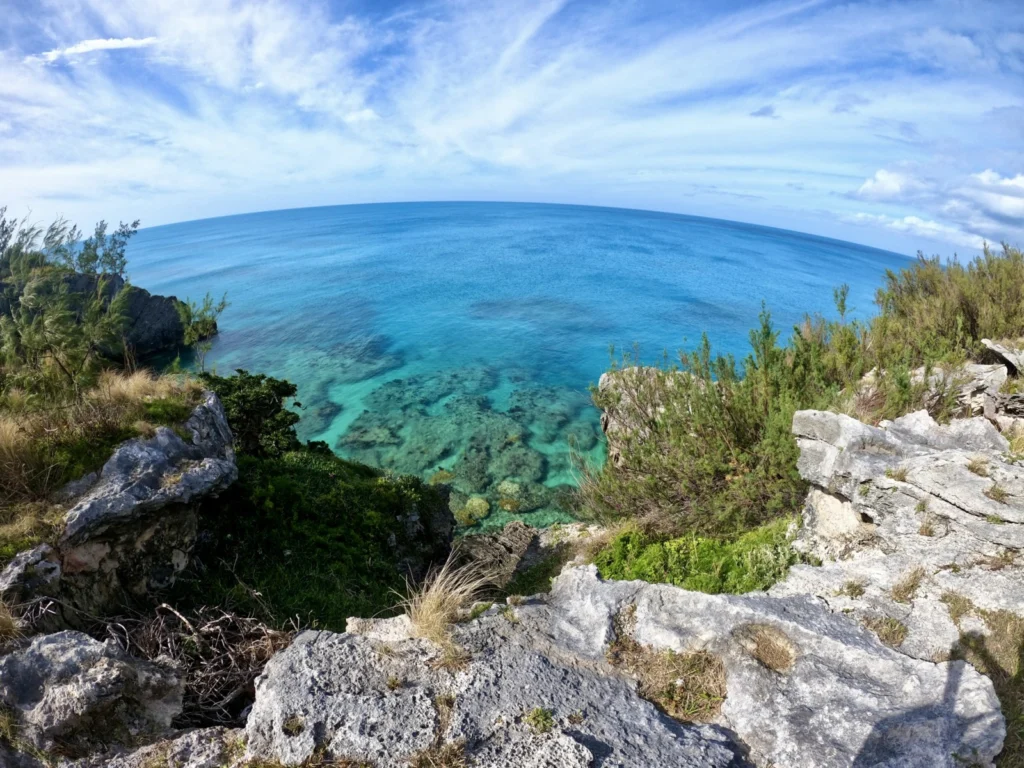
Some humans are racing to map the moon, Mars, and the stars, yet the very ground beneath our oceans remains largely unknown. What does it say about us, that we can chart the craters of distant planets before we bother to understand the seafloor that feeds us, cools us, and regulates our climate? In an age of climate breakdown, ecological collapse, and blue economy buzzwords, the seabed has become ...[Read More]
Surf’s up and so are marine heatwaves! How AI is forewarning the Mediterranean’s ocean sizzle
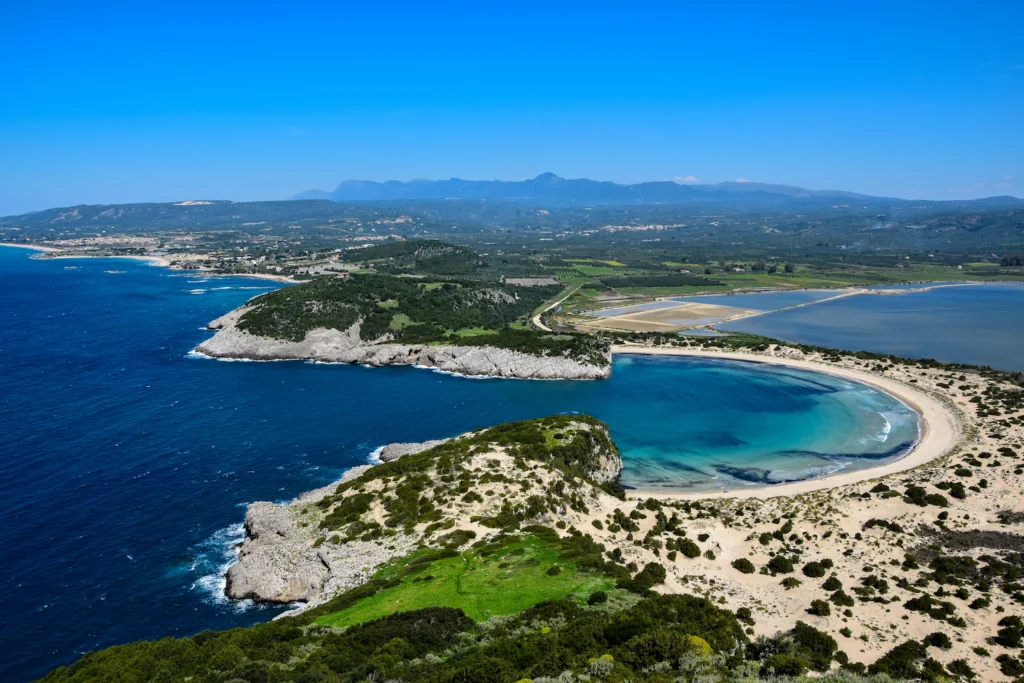
Imagine you’re standing on a rocky Mediterranean shore, early morning sun warming the air, the sea is calm and glassy. But away from sight and beneath that serene surface, there is a silent storm brewing. Marine heatwaves are sweeping across the basin, warming the water in ways that disrupt ecosystems, hit fisheries, and threaten everything from coral reefs to coastal livelihoods. That’s whe ...[Read More]
Ocean hypoxia: what does the increase of dead zones mean for marine life?
When runoff from farmland and urban areas enters our streams and rivers, it carries a heavy load of fertilizers and nutrients. These substances accumulate and flow into our coastal oceans, triggering a series of reactions that can create hypoxic ‘dead zones’. Dead zones are low-oxygen, or hypoxic, areas in the world’s oceans and lakes. Because most organisms need oxygen to live, very f ...[Read More]
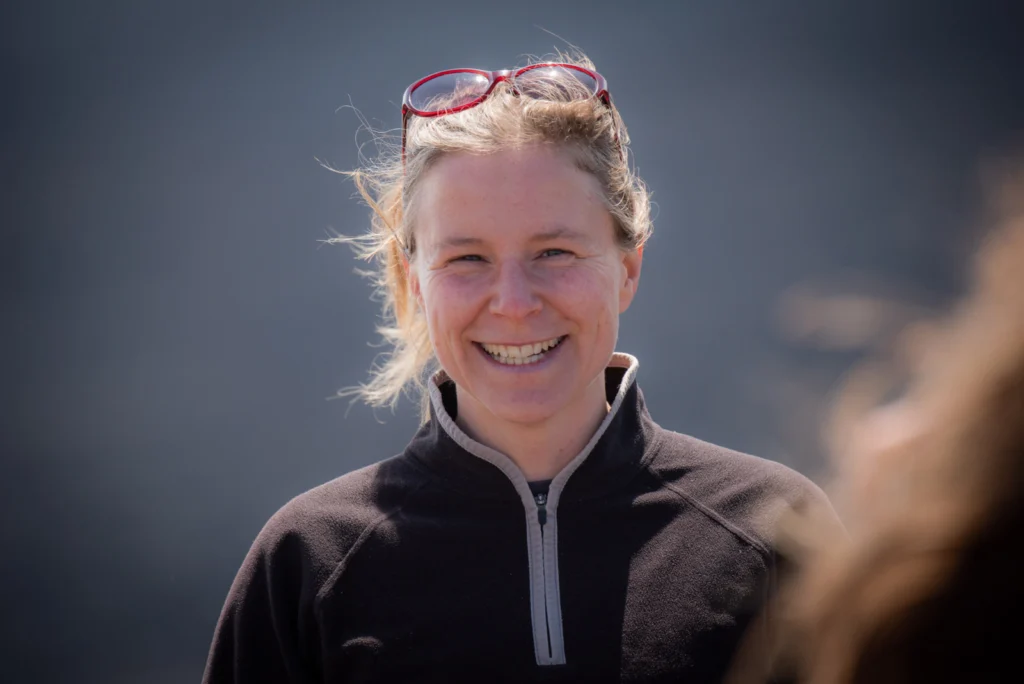
GeoTalk: meet Alessandro Silvano, winner of the 2024 Ocean Sciences Division Outstanding ECS Award!
Hello Alessandro. Thank you for joining me for this edition GeoTalk! Could you tell our readers about your background before we dive in? I am an oceanographer based at the University of Southampton (UK). I am interested in polar oceanography and ice-ocean interactions. The focus of my work is to understand the processes that control ocean heat transport toward rapidly-melting Antarctic glaciers. ...[Read More]