GeoLog

Geodynamics

Why do Earth’s hidden stress fields matter for our future? Let’s explore the latest insights from the World Stress Map database
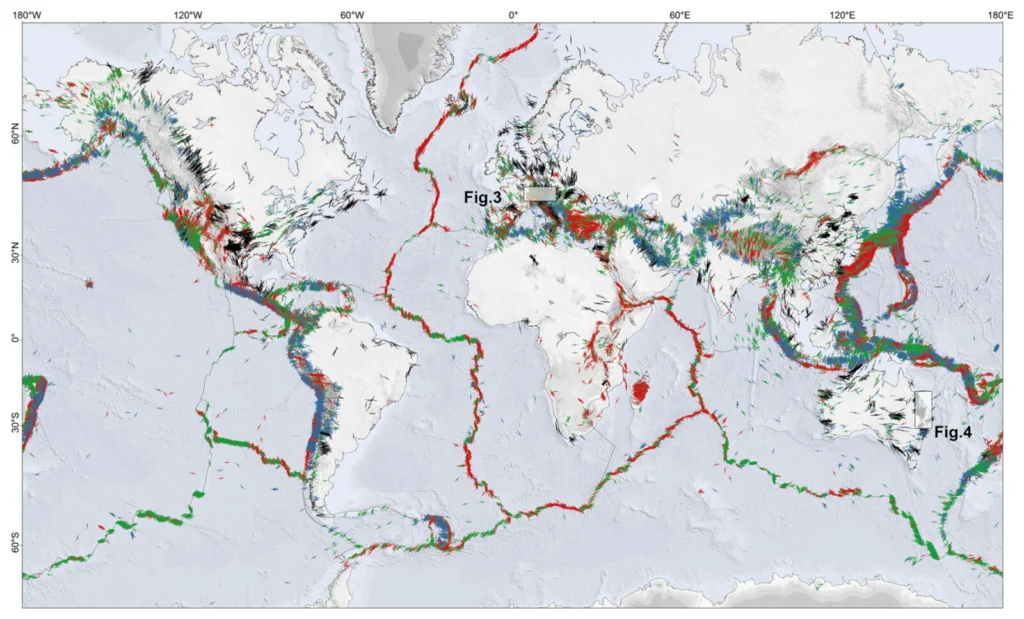

Why do Earth’s hidden stress fields matter for our future? Let’s explore the latest insights from the World Stress Map database

Beneath the serene landscapes we inhabit, the Earth’s crust is a battleground of constant, immense, and invisible tectonic forces. While humanity typically only notices this deep-seated stress when it violently releases in the form of an earthquake and volcanoes, these forces have always been shaping the structural bedrock of our planet. Understanding this hidden architecture is one of the most vi ...[Read More]

GeoTalk: meet Megan Holdt, researcher of mantle dynamics & Geodynamics ECS Representative!

GeoTalk: meet Megan Holdt, researcher of mantle dynamics & Geodynamics ECS Representative!

Hello Megan! Welcome to GeoTalk. Could you tell our readers a little bit about yourself and your background? Hi Simon, thank you for inviting me to GeoTalk! I am originally from Australia and studied geology and geophysics at the University of Sydney. After I finished my undergraduate degree, I worked as an earth scientist for almost seven years. I really enjoyed my time in industry, but I felt th ...[Read More]

Winners announced: Here are the best EGU Blog Posts of 2022!

Winners announced: Here are the best EGU Blog Posts of 2022!

As future-focused as we like to be at EGU, we sometimes pause to look back at the year gone by – just a brief glimpse to appreciate all the good work of 2022! As always, we had so many inspiring and thought-provoking blog posts published this year across the EGU’s official blog GeoLog and division blogs. Thank you to each of you for your writing contribution! To continue our annual appreciation fo ...[Read More]

The theory of continental drift and how it changed the geosciences forever

The theory of continental drift and how it changed the geosciences forever

German scientist Alfred Wegener spent most of his life defending a shocking theory: that all the world’s continents were once part of the same land mass before they drifted away. For many years after he passed, his theory continued to be shunned, ridiculed, and labelled as pseudoscience. And then, several decades later, geologists began to find more and more proof to support his continental drift ...[Read More]

Congratulations to the winners of the EGU Best Blog Posts of 2021

Congratulations to the winners of the EGU Best Blog Posts of 2021

At EGU, we like to believe that a new year is more meaningful when we pause to look back at the year gone by – just a brief glimpse to appreciate all our good work and progress! 2021 was certainly an excellent year for our blogging network at EGU. Across the EGU’s official blog, GeoLog and division blogs we had so many inspiring, thought-provoking and even entertaining posts this year. Thank you t ...[Read More]

Imaggeo On Monday: Alps highest peak meets folded sea floor

Imaggeo On Monday: Alps highest peak meets folded sea floor

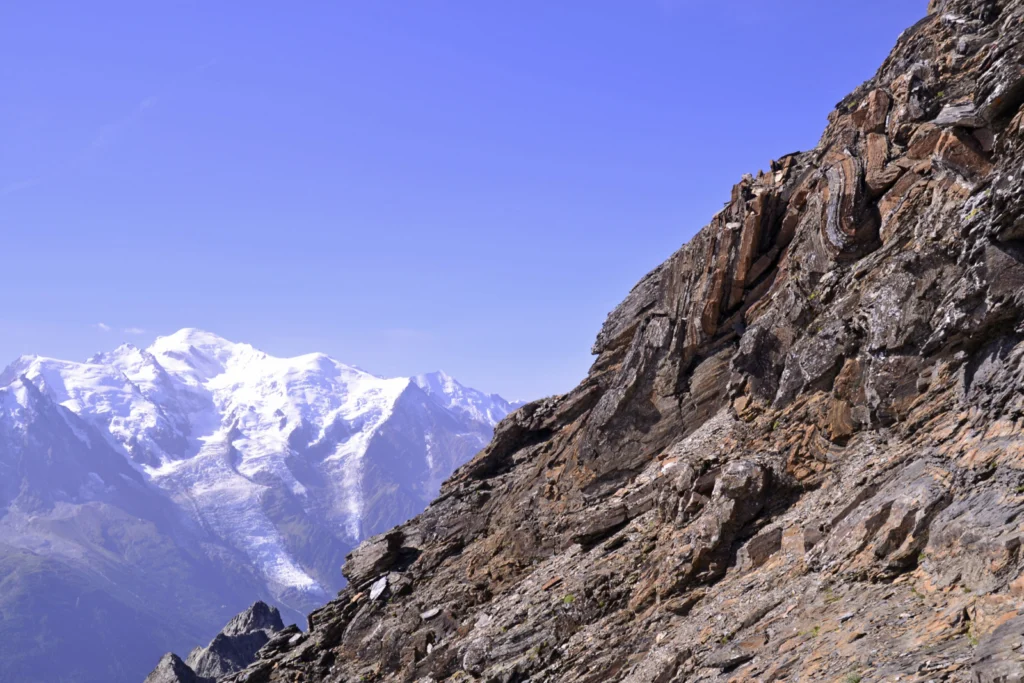
During the late Jurassic, this dolostone was formerly at the sea floor, but after millions years of tectonic movements and natural forces, these rocks now appear at 3000m! Mont Blanc, the highest peak of the Alps is less than 20km away, and is visible in the background. Thank to the Alpine collision, this former sea floor was thrusted over gneiss and granite to make both geologists and mountaineer ...[Read More]

Imaggeo On Monday: Water Force

Imaggeo On Monday: Water Force

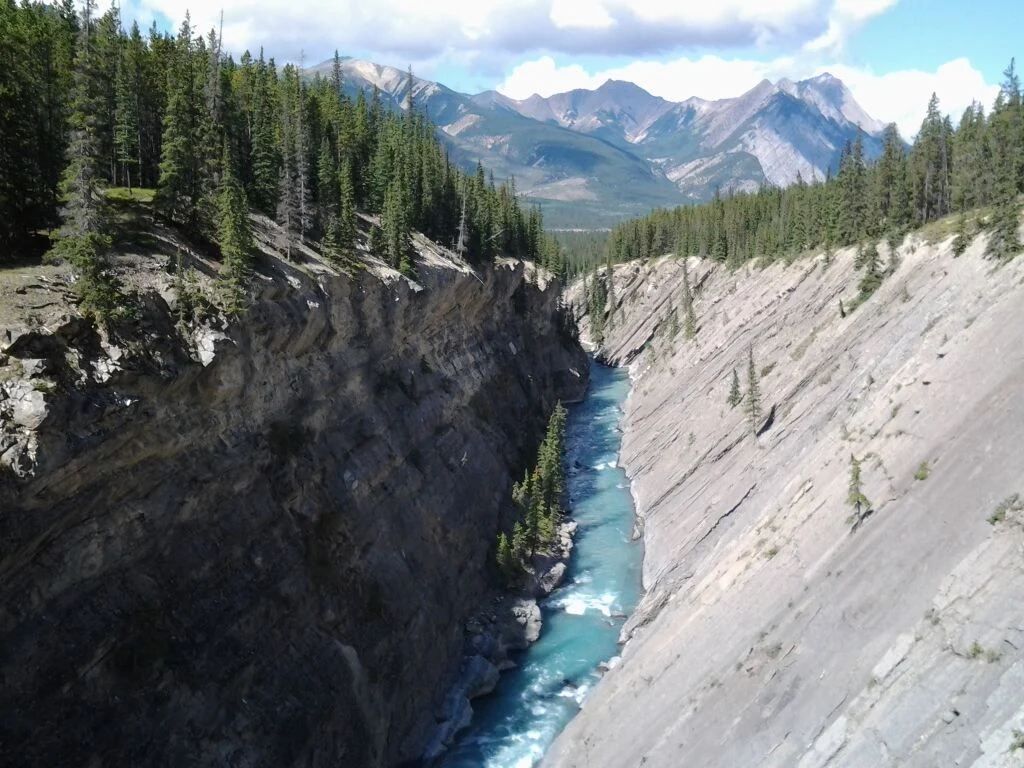
A force is a push or pull upon an object resulting from the object’s interaction with another object. This image shows the most magnificent force in nature; water, interacting with an inclined rock formation, with a backdrop of the magnificent landscapes of Canada.   Description by Daniela Lobianco, after the description on imaggeo.egu.eu.   Imaggeo is the EGU’s online open access ...[Read More]

Imaggeo On Monday: Yardangs in the Gobi desert

Imaggeo On Monday: Yardangs in the Gobi desert

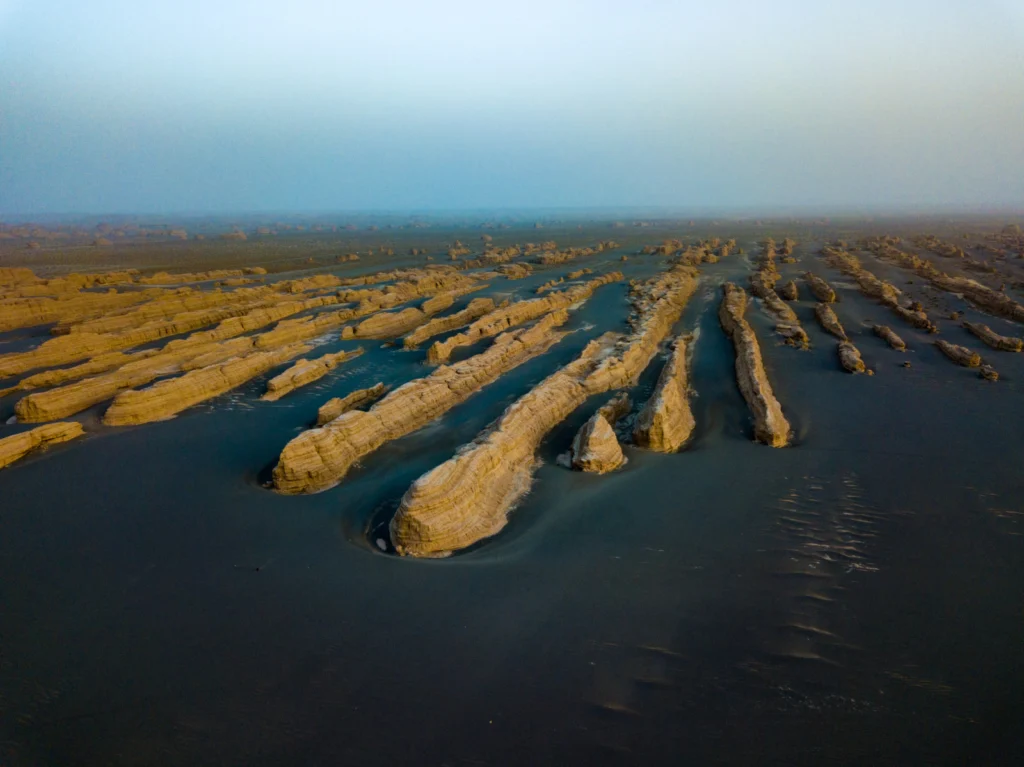
Seeing the Yardang rock formations during sunset was a surreal experience. While they seem to have be standing in a sea of water that formed them, the fluid dynamics that actually lead to their existence is the result of wind abrasion by dust and sand and the removal of loose material by wind turbulence. The air flow and resulting pattern of erosion and the distribution of rocks determines their s ...[Read More]

Imaggeo On Monday: Tides at Young Sound

Imaggeo On Monday: Tides at Young Sound

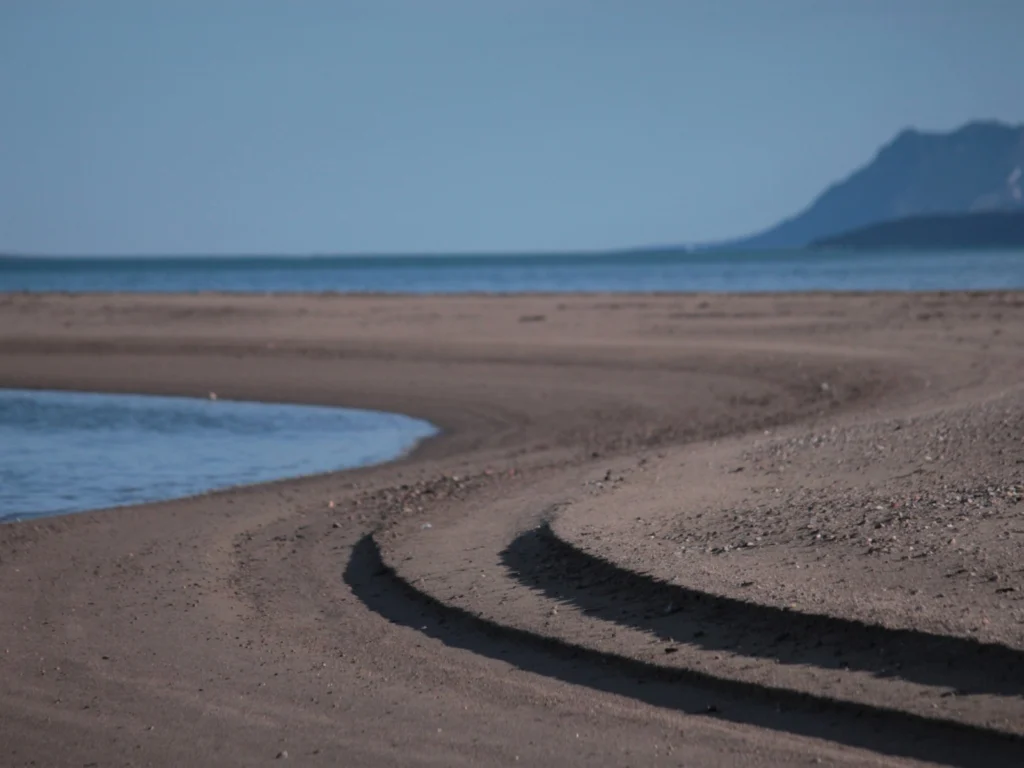
The work of the autumn tides at Young Sound, Northeast Greenland, created a fine sand artwork just before the freezing in of the fjord with the approaching winter. Due to the changing sediment of the nearby Zackenberg river, the local coastal erosion is an object of great recent investigations.   Description by Maria Scheel, after the description on imaggeo.egu.eu.   Imaggeo is the EGU’s ...[Read More]

Winners of the EGU Best Blog Posts of 2020 Competition

Winners of the EGU Best Blog Posts of 2020 Competition

2020 was a brilliant year for our blogging network here at EGU. Across the EGU’s official blog, GeoLog, as well as the network and division blogs there were so many interesting, educational and just downright entertaining posts this year it was hard to get the blog editors to choose their favourites! Nevertheless at the beginning of January, to celebrate the excellent display of science writing ac ...[Read More]