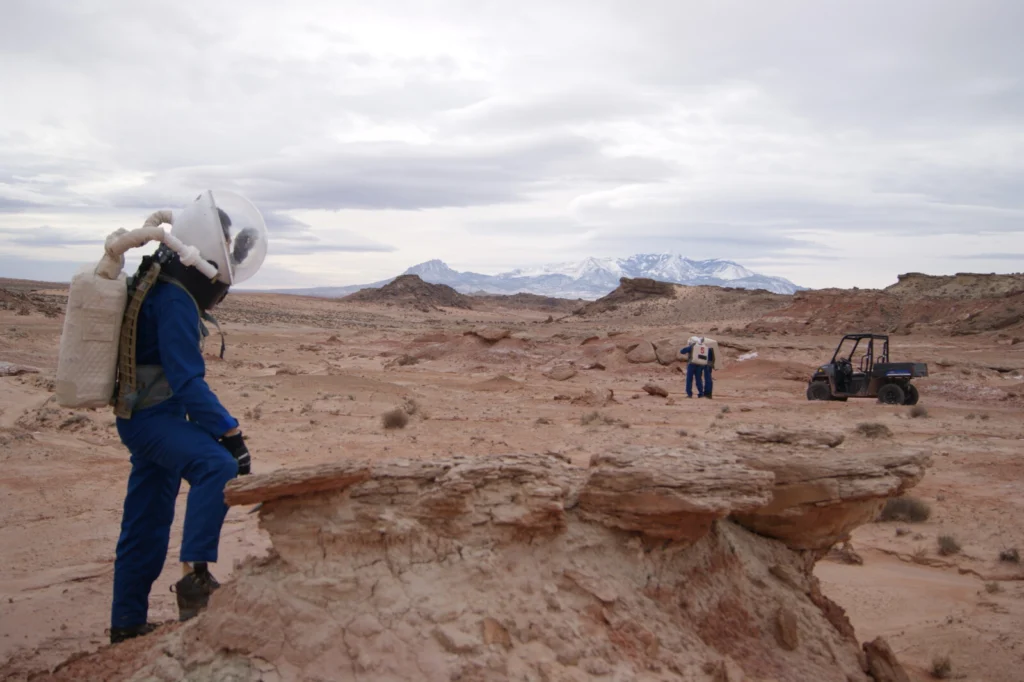
On July 20, 1976, a machine of steel and titanium dropped through a thin atmosphere and touched the dirt of Chryse Planitia. Scientists at NASA held their breath, since five years earlier, the Soviet Union’s Mars 3 probe had died less than two minutes after touchdown. To mitigate this nightmare, engineers programmed Viking 1 to scan its own footpad first. If the lander sank into oblivion, hu ...[Read More]
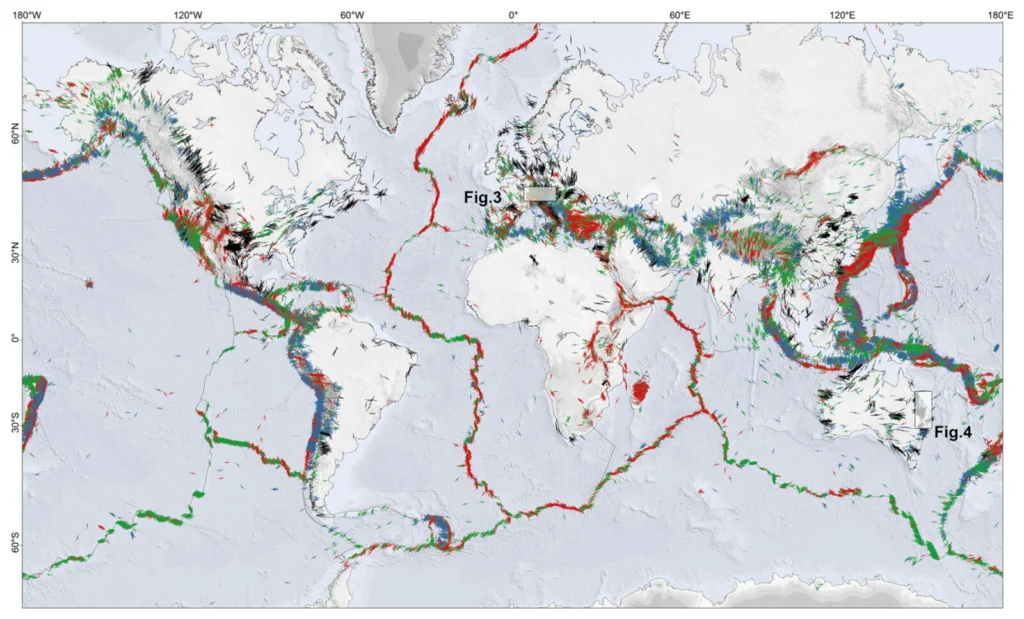
Why do Earth’s hidden stress fields matter for our future? Let’s explore the latest insights from the World Stress Map database
Beneath the serene landscapes we inhabit, the Earth’s crust is a battleground of constant, immense, and invisible tectonic forces. While humanity typically only notices this deep-seated stress when it violently releases in the form of an earthquake and volcanoes, these forces have always been shaping the structural bedrock of our planet. Understanding this hidden architecture is one of the most vi ...[Read More]
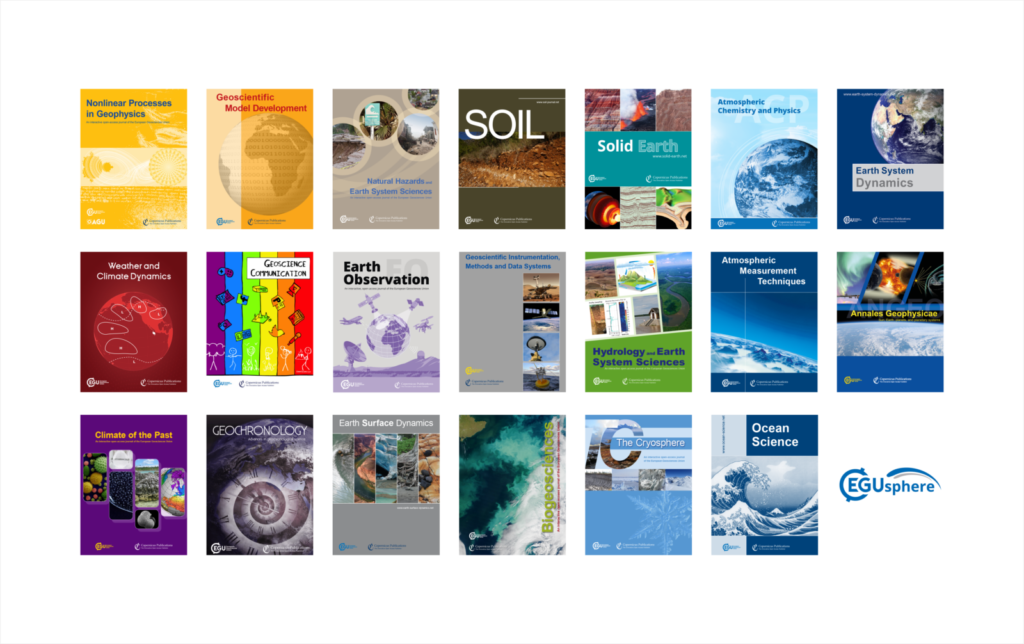
GeoRoundup: the highlights of EGU Journals published during June!
Each month we feature specific Divisions of EGU and during the monthly GeoRoundup we put the journals that publish science from those Divisions at the top of the Highlights section. For June, we are featuring the Ocean Science Division (OS). It is represented by the journal Ocean Science. Ocean Science Estuarine mixing – 22 June 2026 This review presents major aspects of estuarine mix ...[Read More]
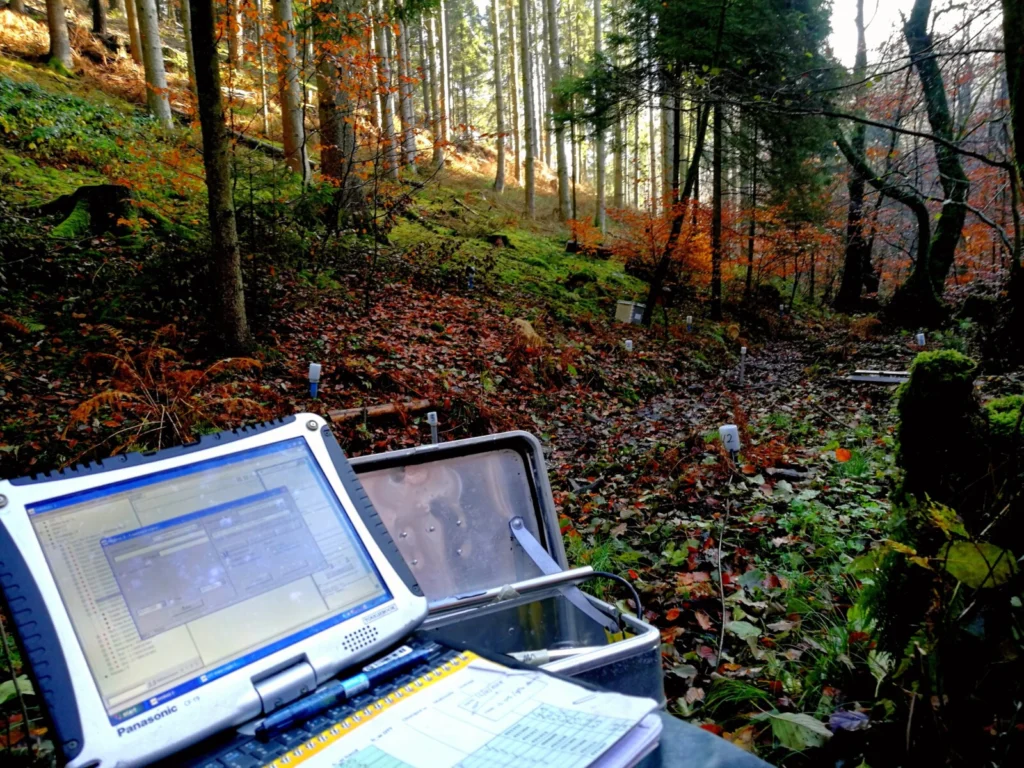
Climate vs. landscape? A new breakthrough in continental water modeling!
Every year on 21 June, the global scientific community celebrates World Hydrology Day to highlight the importance of water sciences play in sustainable resource management and natural hazard mitigation. Historically, human efforts to protect and manage freshwater have suffered from a blind spot. While we can easily measure a river’s flow at a specific gauging station, predicting how an untou ...[Read More]