‘What I wish someone told me early in my career’ is a new Geolog series that aims to provide valuable insights and guidance to early-career professionals within the European Geosciences Union (EGU) community. Each month, I will interview a staff member of EGU to share their personal career journey, experiences, challenges faced, and the tips they wish they had received earlier in their careers. Th ...[Read More]
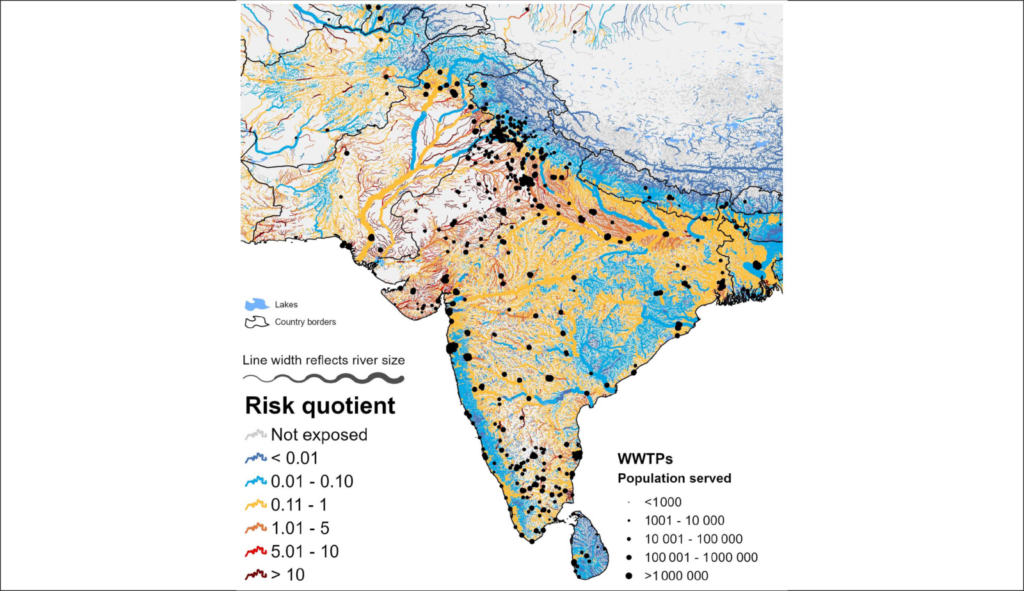
Here is how HydroFATE, a new high-resolution model, is predicting contaminant hotspots in global waterways
Ever wonder what happens to the chemicals and medications we use once they go down the drain? The fourth Sunday of September each year marks the World Rivers Day, and this post is dedicated to our global rivers and what humankind can do to preserve our waters. This is because pharmaceuticals and household products, even after being flushed or washed away, don’t just disappear. Many of these substa ...[Read More]
Ozone 101: What you need to know as the Montreal Protocol turns 35
As the world commemorates the 35th anniversary of the Montreal Protocol, it’s worth taking a moment to appreciate this landmark agreement’s monumental impact on our planet. Officially known as the “Montreal Protocol on Substances That Deplete the Ozone Layer,” this treaty stands as one of the most successful environmental accords in history, showcasing what humanity can achieve when it comes ...[Read More]
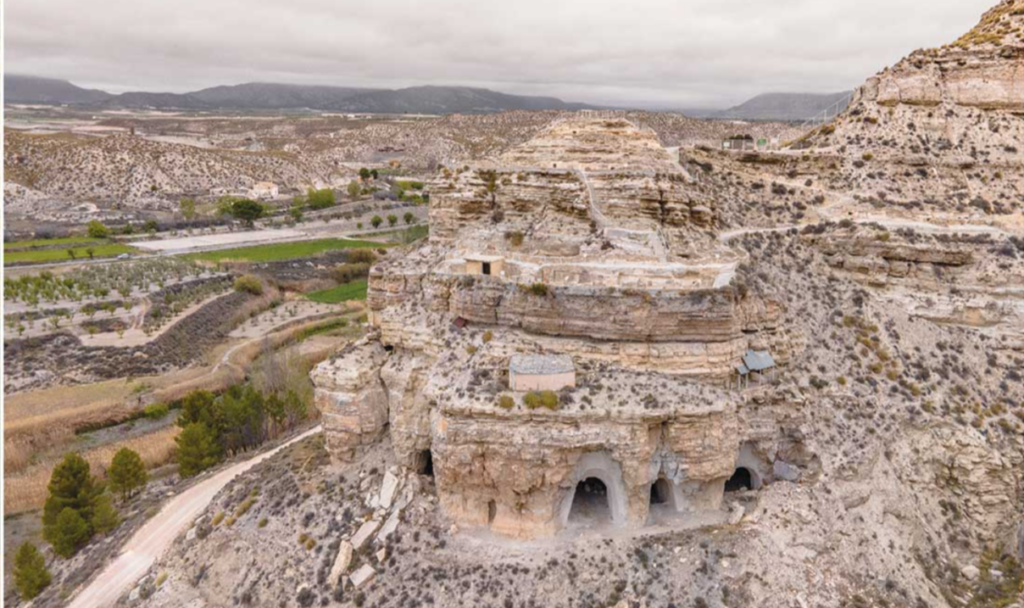
Palaeoseismic crisis in the Galera Fault (southern Spain): consequences in Bronze Age settlements?
Alright, buckle up folks for this blog post, because we’re about to explore the wild ride of plate tectonics between the Iberian Peninsula (Eurasia plate) and North Africa (Nubia plate). These two plates are moving slowly at a moderate pace of 5-7 mm per year, which might not seem like much, but it’s enough to shake things up—literally! In a recent paper, published by our journal Solid Earth ...[Read More]
GeoRoundup: the highlights of EGU Journals published during August!
Each month we feature specific Divisions of EGU and during the monthly GeoRoundup we put the journals that publish science from those Divisions at the top of the Highlights section. For August, the divisions we are featuring are Natural Hazards, Climate: Past, Present & Future, and Seismology. They are served by the journals: Climate of the Past (CP), Earth System Dynamics (ESD), Weather and C ...[Read More]
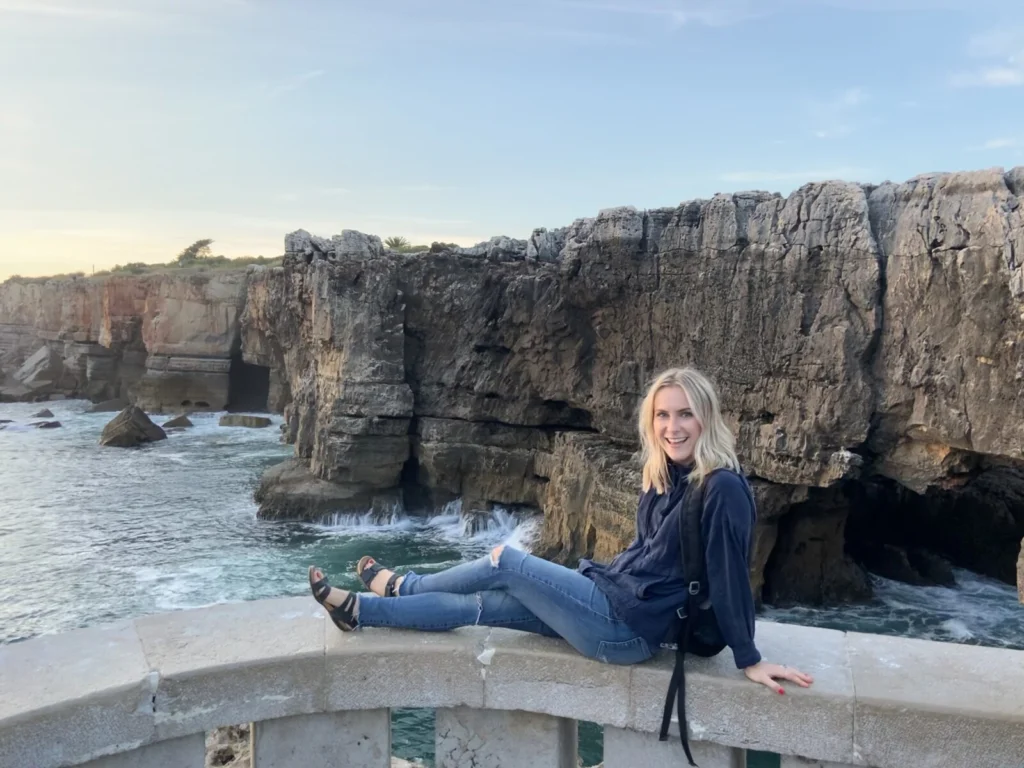
What I wish someone told me early in my career: meet Jane Roussak, our Events Manager
‘What I wish someone told me early in my career’ is a new Geolog series that aims to provide valuable insights and guidance to early-career professionals within the European Geosciences Union (EGU) community. Each month, I will interview a staff member of EGU to share their personal career journey, experiences, challenges faced, and the tips they wish they had received earlier in their careers. Th ...[Read More]
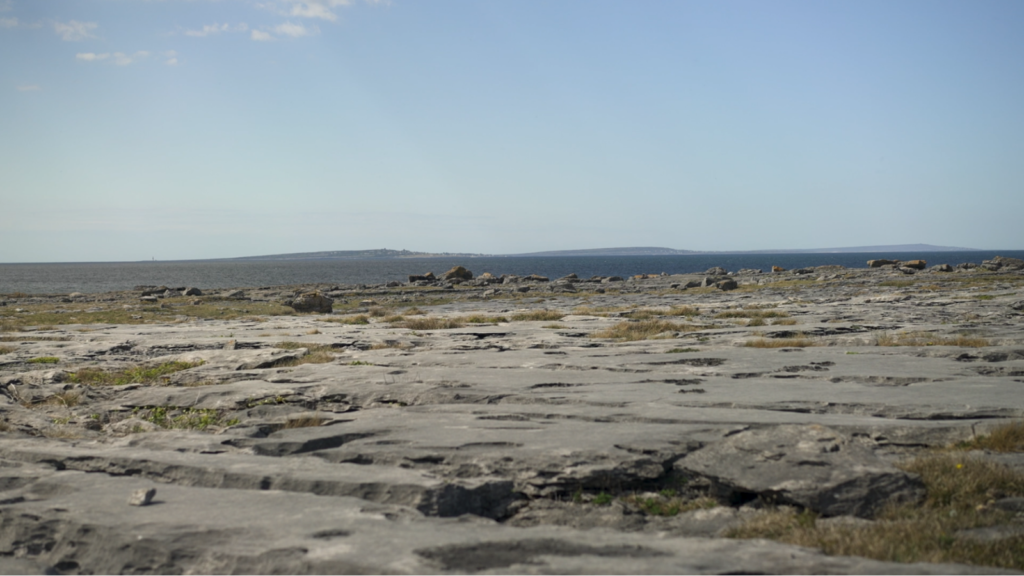
Marine Geoscience through art and storytelling: An interview with Fergus McAuliffe, winner of the EGU Geoscience Day Award
I had the pleasure of interviewing Fergus McAuliffe, the Communications and Public Engagement Manager at iCRAG, University College Dublin in Ireland, to discuss his award-winning project, “Marine Geoscience for All.” During our conversation, Fergus shed light on the innovative ways his project aims to connect the public with marine geoscience through art, dialogue, storytelling, and education. Rea ...[Read More]
What I wish someone told me early in my career: meet Hazel Gibson, our Head of Communications
‘What I wish someone told me early in my career’ is a new Geolog series that aims to provide valuable insights and guidance to early-career professionals within the European Geosciences Union (EGU) community. Each month, I will interview a staff member of EGU to share their personal career journey, experiences, challenges faced, and the tips they wish they had received earlier in their ...[Read More]
Tropical rainforest, the lungs of our planet, might be releasing more than just CO2!
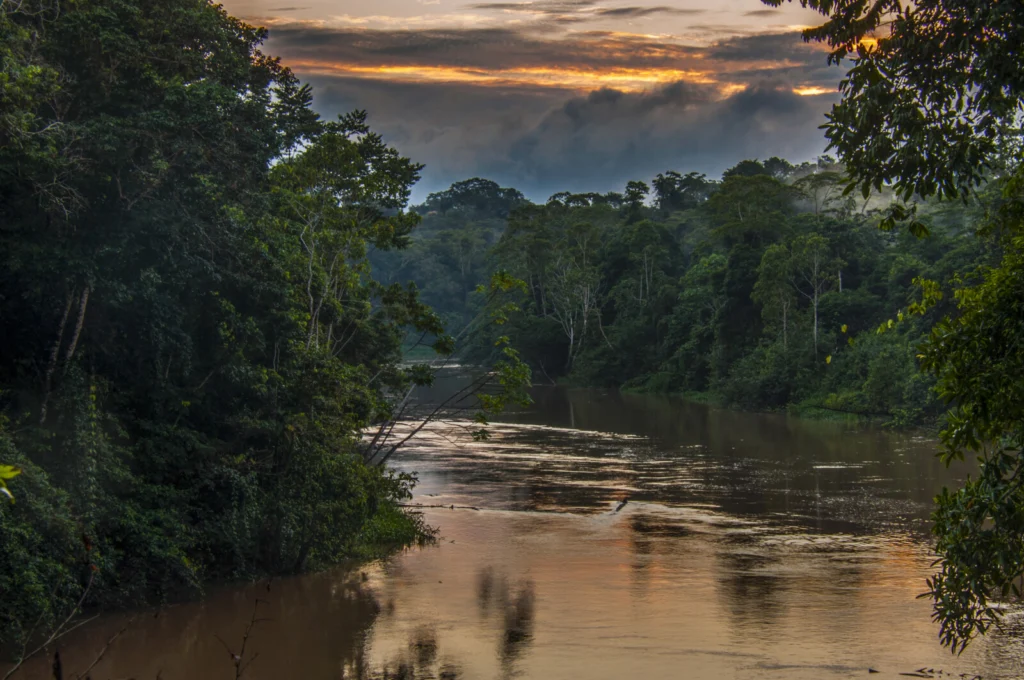
When I was thirteen years old, my family and I almost lost our lives due to a carbon monoxide (CO) leak. I never stopped thinking about that incident even though it happened over twenty years ago. Not only because it was a premature realisation of my own mortality, but also because of how sneaky it was: We did not smell it, see it, hear it, or feel it. It was a subtle and slow killer that could ha ...[Read More]
Ocean hypoxia: what does the increase of dead zones mean for marine life?
When runoff from farmland and urban areas enters our streams and rivers, it carries a heavy load of fertilizers and nutrients. These substances accumulate and flow into our coastal oceans, triggering a series of reactions that can create hypoxic ‘dead zones’. Dead zones are low-oxygen, or hypoxic, areas in the world’s oceans and lakes. Because most organisms need oxygen to live, very f ...[Read More]