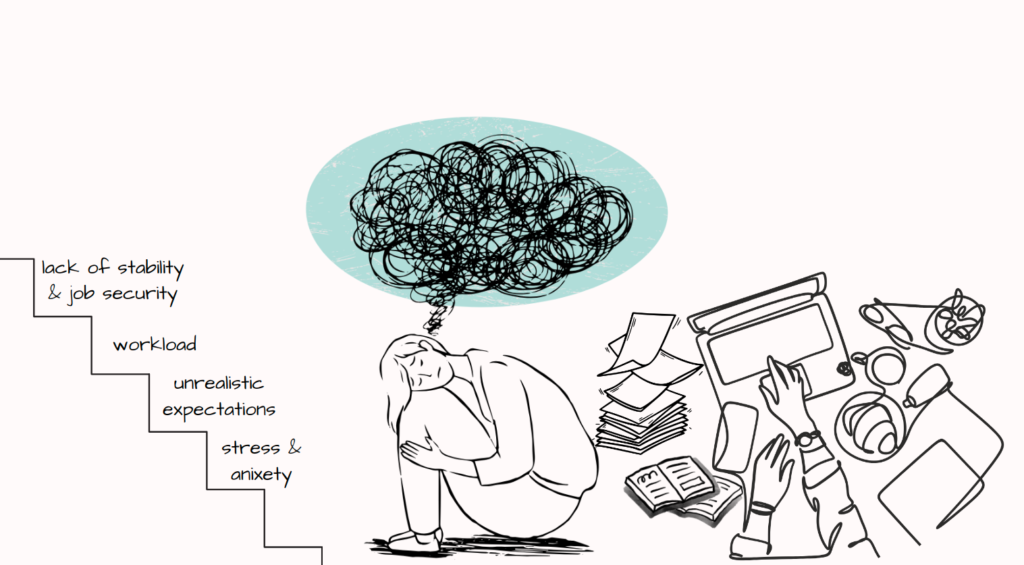
We’re excited to bring back “Postdoc Diaries,” a series where we engage with postdocs, discuss and learn about their challenges. In our last post, we delved into some of the most prevalent struggles they encounter. This time, we had a conversation with Yi-Wei Chen, a postdoc at the Technical University of Munich, to gain insight …[Read More]
Division blogs
Is the Caspian Sea Going to Experience Aral Sea Syndrome?
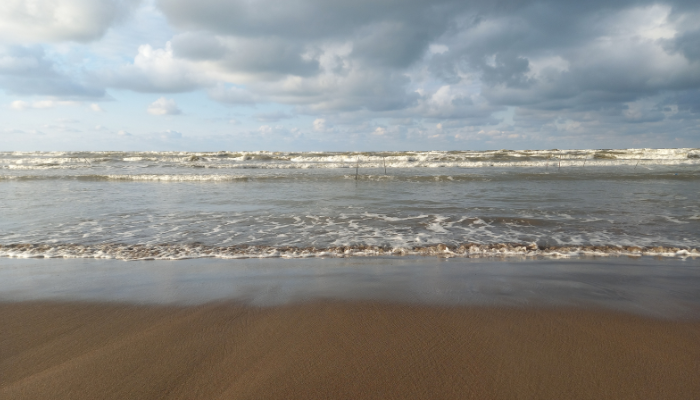
The peril of rising sea levels due to global climate change is evident, posing significant threats. Conversely, inland seas and lakes experience declining water levels, exacerbated by heightened evaporation and diminishing inflows, presenting alarming consequences. Between 1992 and 2020, 53% of global inland water bodies experienced significant declines Currently, several lakes worldwide, such as Lake …[Read More]
Fossilized Tree Trunks: Preservation in Continental and Marine Ancient Outcrops of Baja California
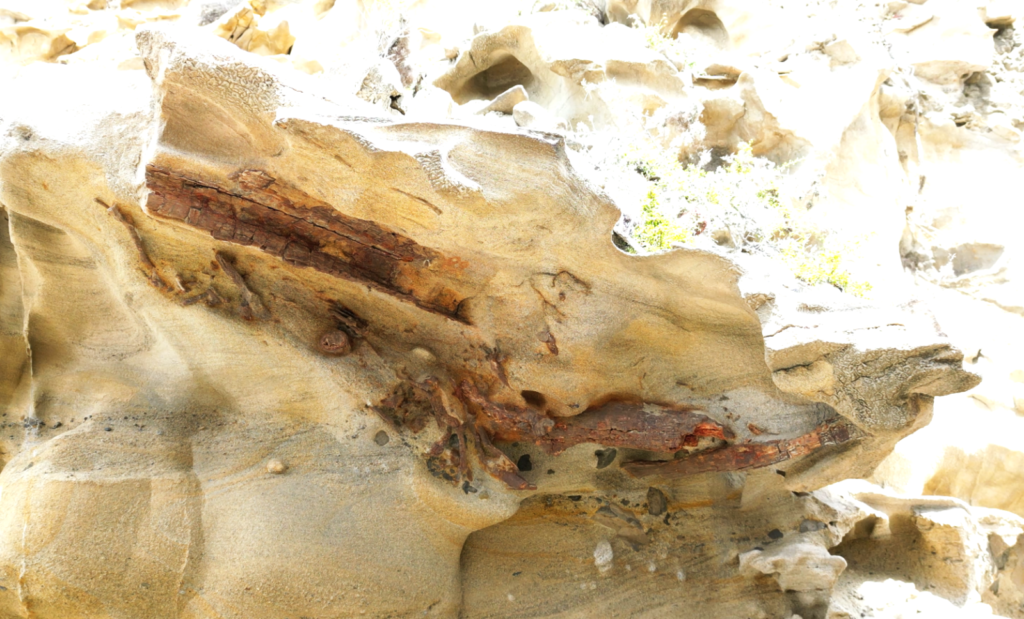
While working on the exceptional, but remote outcrops of Baja California, I have encountered an extraordinary quantity of fossilized tree fragments in Cretaceous deposits. These fossils were preserved in both subaerial, fluvial, and marine environments. Does this mean that preservation of tree trunks is easy? How can wood be preserved for more than 70 million …[Read More]
Modeling the Early Earth: Idealization and its Aims II
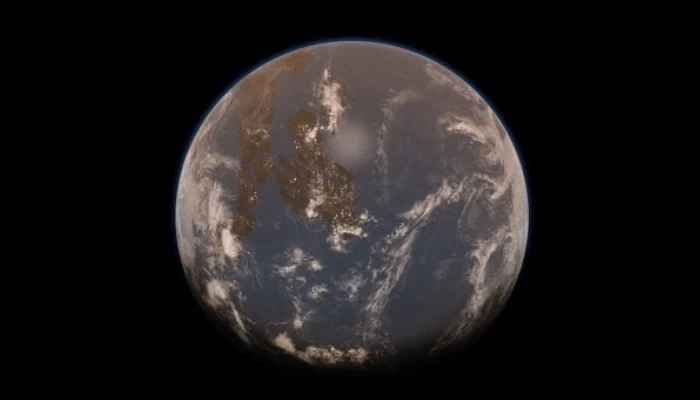
This week we have the second part of Junjie Dong’s insightful blog on modeling the early Earth. Following the discussion (“Modeling the Early Earth: Idealization and its Aims I”) about the major early Earth questions and challenges in modeling early Earth, Junjie now explores the imprtance of modeling as a scientific endeavor. He presents how …[Read More]
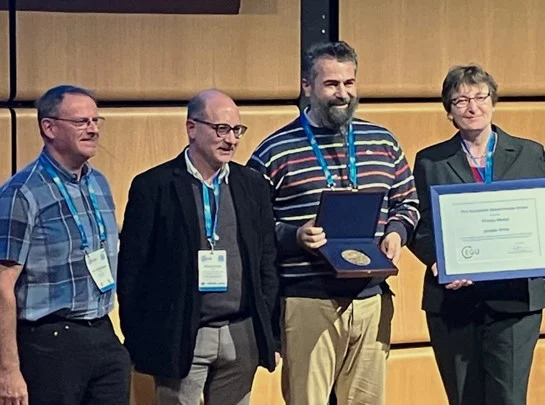
Modern Solutions for Ancient Hazards: Speaking with Jacopo Selva, the 2024 EGU Plinius Medalist
Jacopo Selva is an associate professor at the University of Naples Federico II, Italy, and a former researcher at the Istituto Nazionale di Geofisica e Vulcanologia (INGV), Italy. His research on seismic, volcanic, and tsunami hazards has been instrumental in advancing our understanding of these natural phenomena, particularly by developing probabilistic methods for hazard assessment …[Read More]
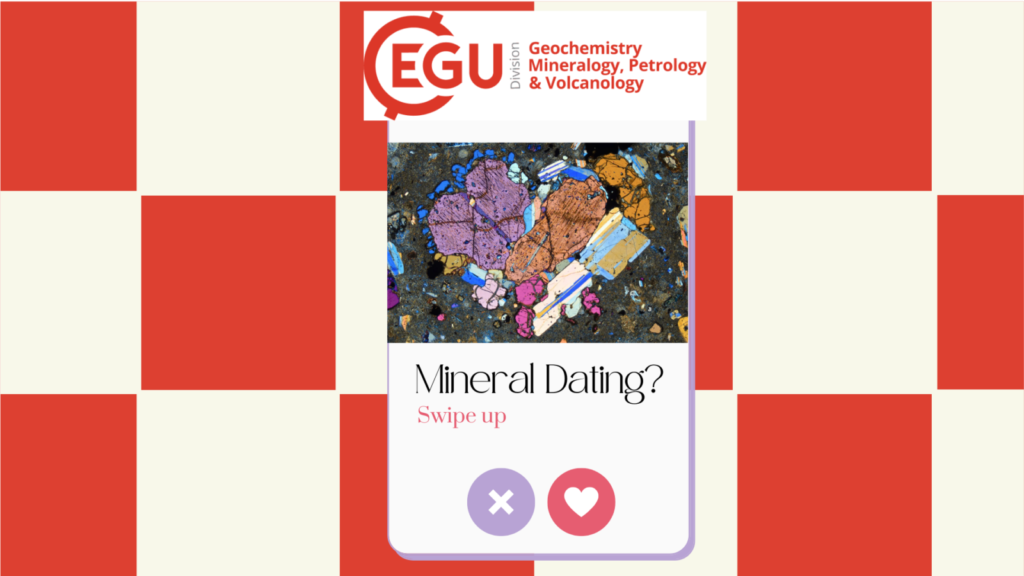
THE CHALLENGES OF DATING – GEOLOGISTS’ VERSION (part one)
When it comes to dating profiles, minerals can put up a really good face at first. But, as some of the users in dating apps out there, they might not be worthy of a second try, or maybe not even of a first depending on what your intentions are… To help out, we will tackle …[Read More]
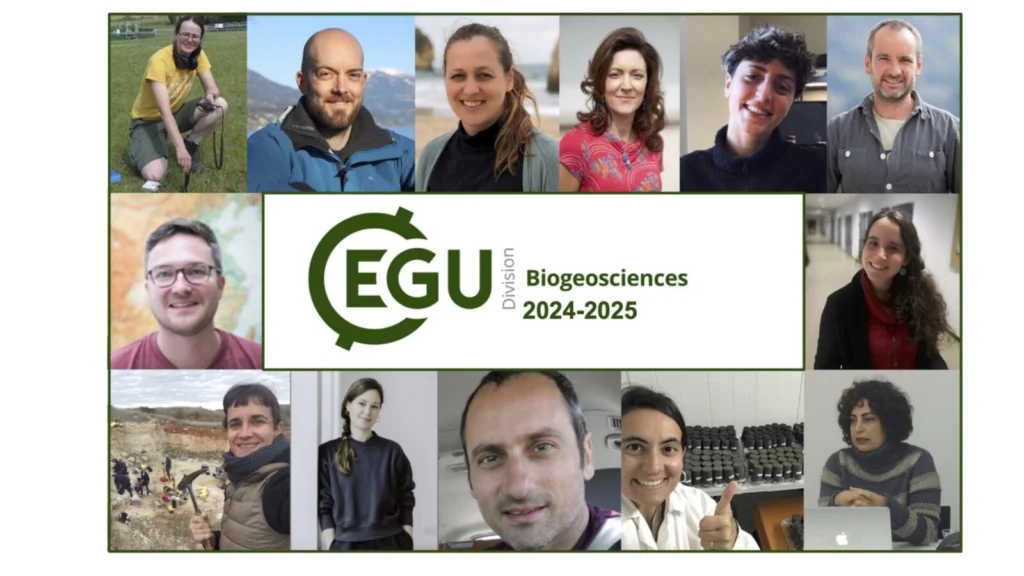
Meet your BG team 2024/2025
The Biogeoscience division team has changed over the last year, and in this blog post, we are delighted to introduce our new team of representatives and describe their roles and research interests so that you can get to know them better. Our division is led by a President and Deputy President, supported by two Early …[Read More]
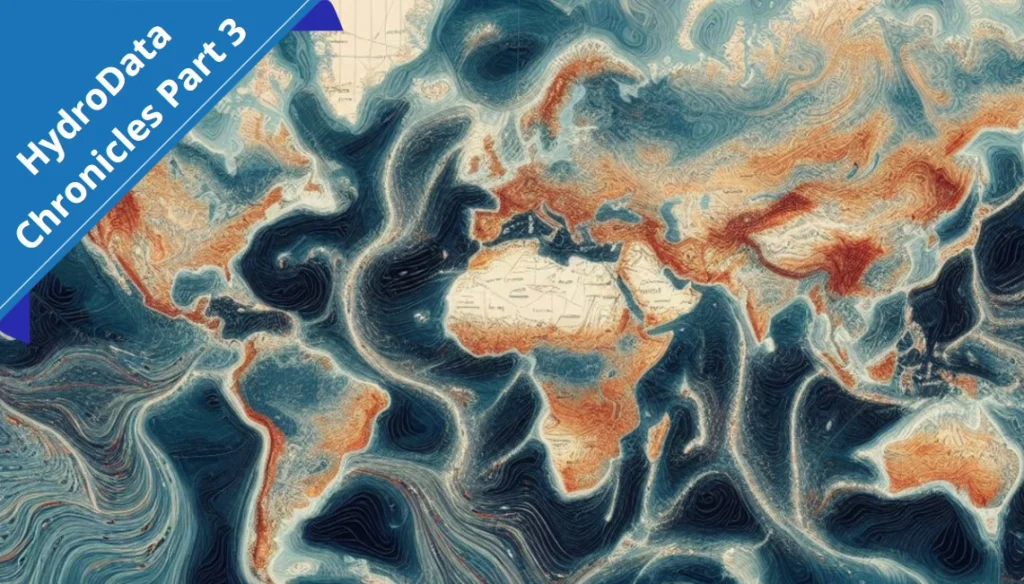
HydroData Chronicles: Piecing Together Italy’s Hydrological Puzzle with FOCA
Welcome back to the HydroData Chronicles! In our previous post, we explored the innovative pRecipe package developed by Mijael Rodrigo Vargas Godoy and Yannis Markonis in 2023 and its impact on precipitation research. Today, we shift our focus to Italy with the introduction of the Italian FlOod and Catchment Atlas (FOCA) database, introduced in 2023 …[Read More]
An Arctic enigma: Can a single plume explain a massive and long-lived ancient volcanic eruption?
Across the Arctic lies evidence for a massive past volcanic event, called the High Arctic Large Igneous Province (HALIP). This ancient volcanic event is particularly unusual in that it appears to have lasted for over 50 million years. Could a single deep-seated mantle plume cause such wide-spread and long-lived volcanism? In a recent study …[Read More]
Women of Cryo VII: Making Fieldwork More Inclusive
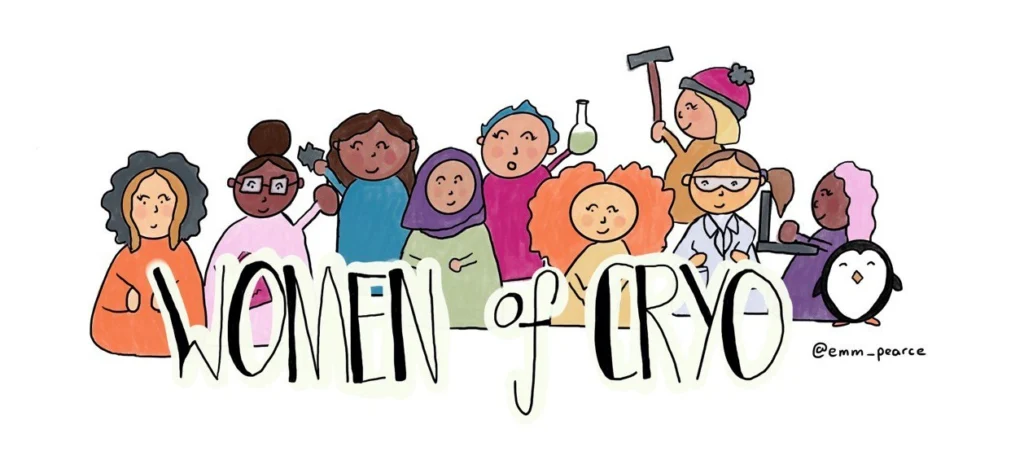
Women make up 50.8% of the world’s population, yet fewer than 30% of the world’s researchers are women. Of this percentage, women of colour comprise around 5%, with less than 1% represented in geoscience faculty positions. Women are published less, paid less, and do not progress as far in their careers as men. Even within our EGU community, women account …[Read More]