EGU Blogs

Division blogs

ST
Solar-Terrestrial Sciences

AGATA: Advancing Polar Science through Multi-Instrument Integration and Collaboration

AGATA: Advancing Polar Science through Multi-Instrument Integration and Collaboration

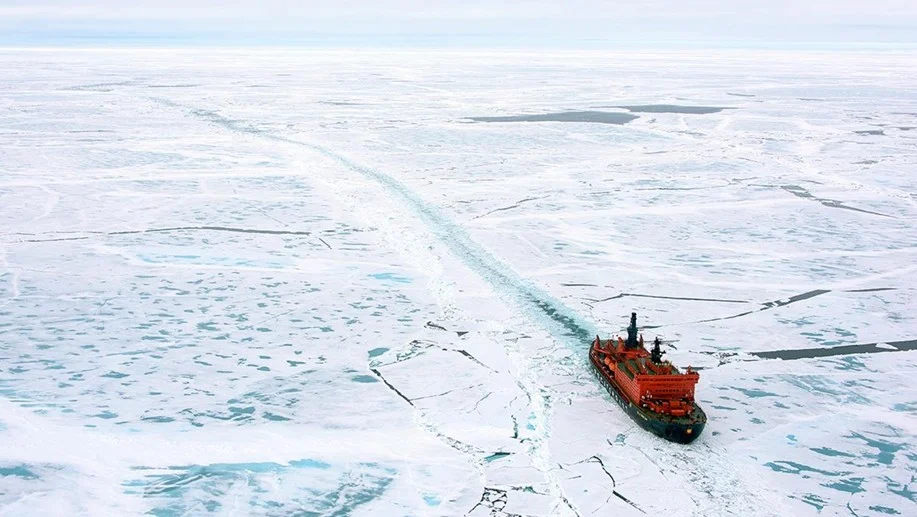
Scientific research has long recognized that solar-terrestrial interactions play a crucial role in shaping the polar atmosphere, impacting both climate dynamics and atmospheric coupling across different layers. Understanding these interactions is key to unraveling their far-reaching effects on Earth’s climate, space weather, and global atmospheric processes. The recognition of these critical processes has driven international …[Read More]

NH
Natural Hazards

The Geography of Multi-Hazards: Exploring Landscapes Prone to Hazard Cascades

The Geography of Multi-Hazards: Exploring Landscapes Prone to Hazard Cascades

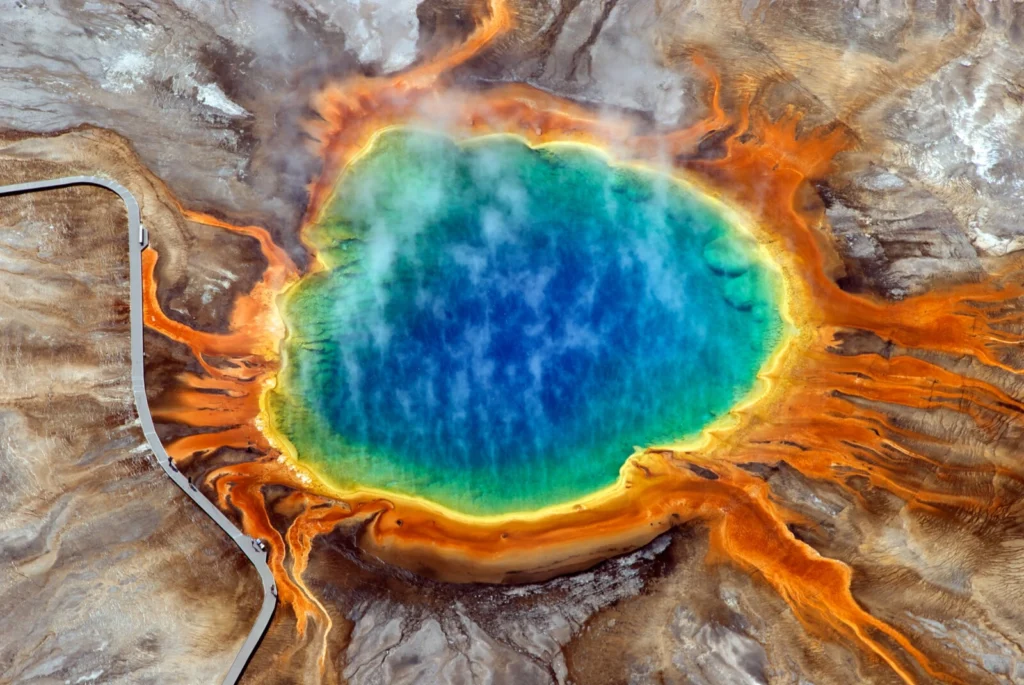
Multi-hazards are “a selection of major hazards that a country faces, and specific contexts where hazards occur simultaneously, cascadingly, and accumulatively considering the interrelationships among them”, based on the UNSDRR definition [7]. Yet, this definition raises two key questions: Where are these specific contexts located, and what characteristics make them susceptible to intersecting hazards? When …[Read More]

ST
Solar-Terrestrial Sciences

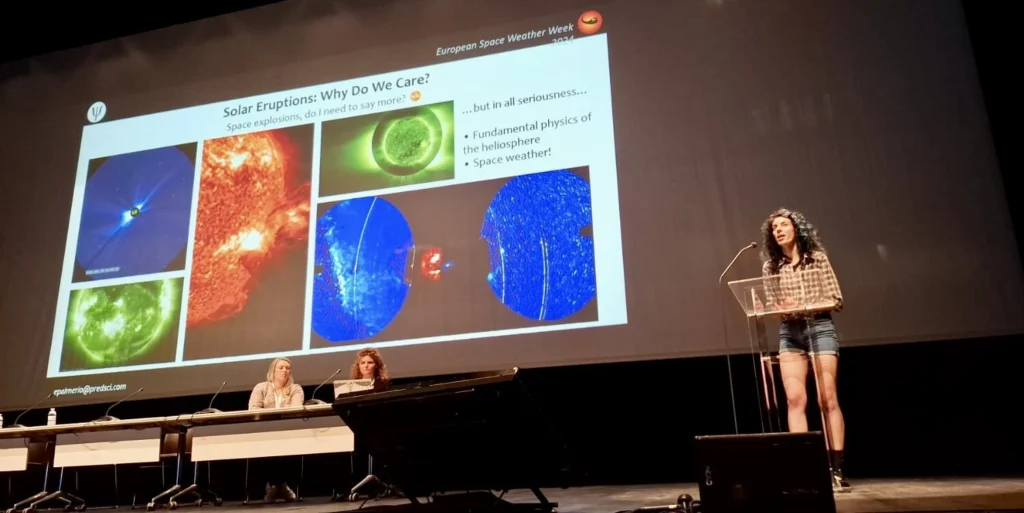
Meet Erika Palmerio, the 2024 Outstanding Early Career Scientist Awardee of the Solar-Terrestrial Division!

Meet Erika Palmerio, the 2024 Outstanding Early Career Scientist Awardee of the Solar-Terrestrial Division!

Congratulations on receiving the EGU 2024 ST Division Outstanding Early Career Scientist Award for your exceptional research in analyzing complex solar transients and their effects on space weather. What does this recognition mean to you personally, and how does it impact your work in this fascinating field? Thank you so much! Receiving an award from …[Read More]

ST
Solar-Terrestrial Sciences

ST-Early Career Scientist team 2024-2025

ST-Early Career Scientist team 2024-2025

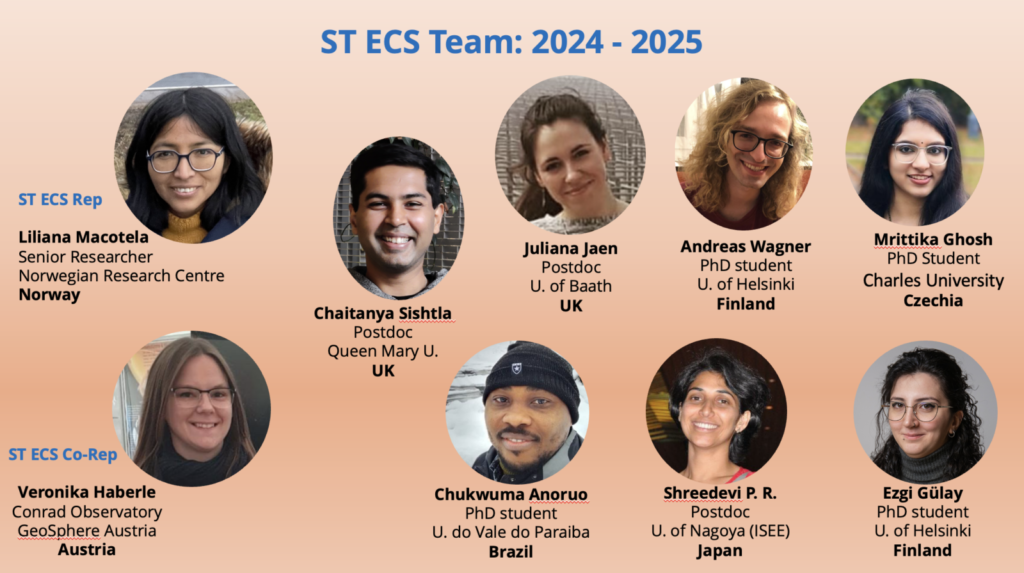
We are a group of Early Career Scientists (ECSs) from the Solar-Terrestrial (ST) division, dedicated to organizing events and activities for ST-ECSs both during the EGU General Assembly and throughout the year. Our goal is to enhance ECS visibility and create valuable networking opportunities. Currently the team is formed by:   Dr. Liliana Macotela, ECS …[Read More]

ST
Solar-Terrestrial Sciences

ST-ECS Networking Campfire: “How to Successfully Apply for Fellowships”

ST-ECS Networking Campfire: “How to Successfully Apply for Fellowships”

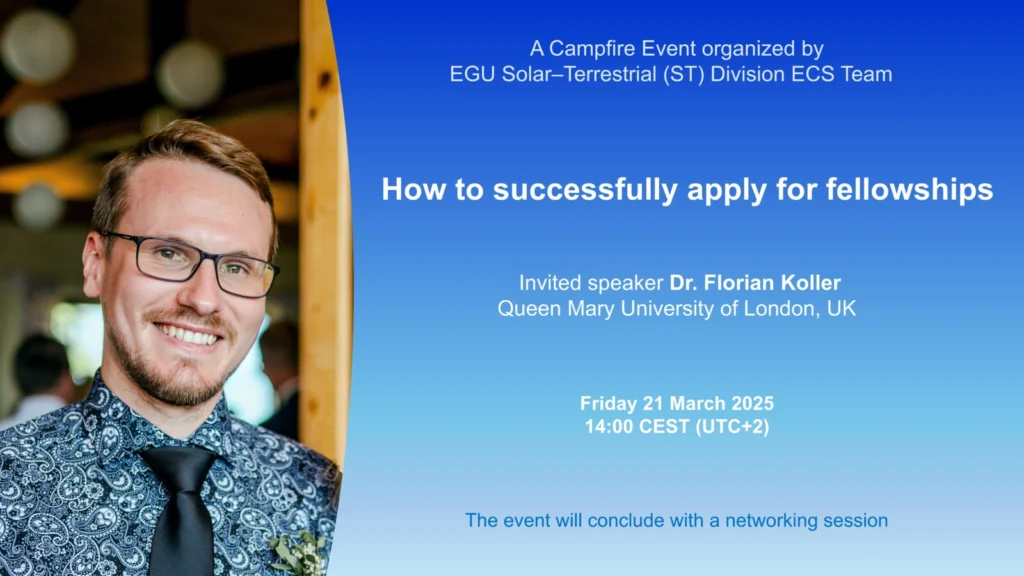
Securing a research fellowship is a major milestone for early-career scientists, providing not only financial support but also access to cutting-edge facilities, valuable collaborations, and opportunities for independent research. However, standing out in the competitive world of research funding requires mastering the art of grant writing and proposal crafting. To help young scientists navigate the …[Read More]

HS
Hydrological Sciences

HydroTalk Podcast: Dr. Stefan Krause on Water, Ecosystems and Pollution

HydroTalk Podcast: Dr. Stefan Krause on Water, Ecosystems and Pollution

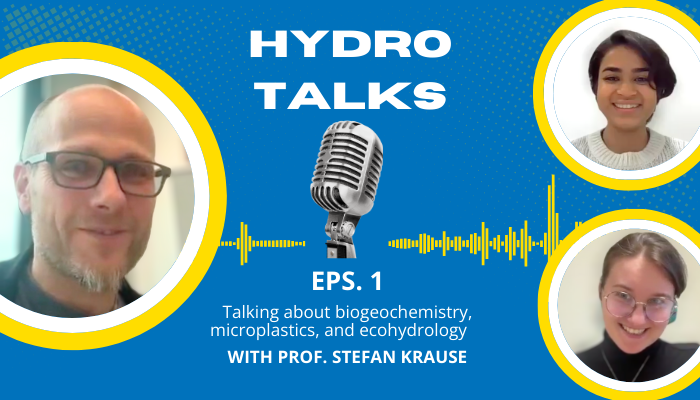
Welcome toHydroTalks, the new podcast series of the EGU HS division. Every month, we interview experts about the advancements, challenges, and opportunities in the field of hydrology.  As our first guest, we were pleased to interview Dr. Stefan Krause, a Professor of Ecohydrology and Biogeochemistry at the University of Birmingham. His research explores the interconnectedness …[Read More]

Geochemistry, Mineralogy, Petrology & Volcanology

EGU Webinar Alert! “Careers inside and outside of academia: Panel Discussion”

EGU Webinar Alert! “Careers inside and outside of academia: Panel Discussion”

We are delighted to invite you to the upcoming EGU webinar, “Careers Inside and Outside of Academia: Panel Discussion,” scheduled for Tuesday, 11 March 2025, at 16:00 CET. Secure your spot by registering through the following link: Registration Link. If you are struggling to navigate the choice between academic and non-academic jobs, you are not alone. While many …[Read More]