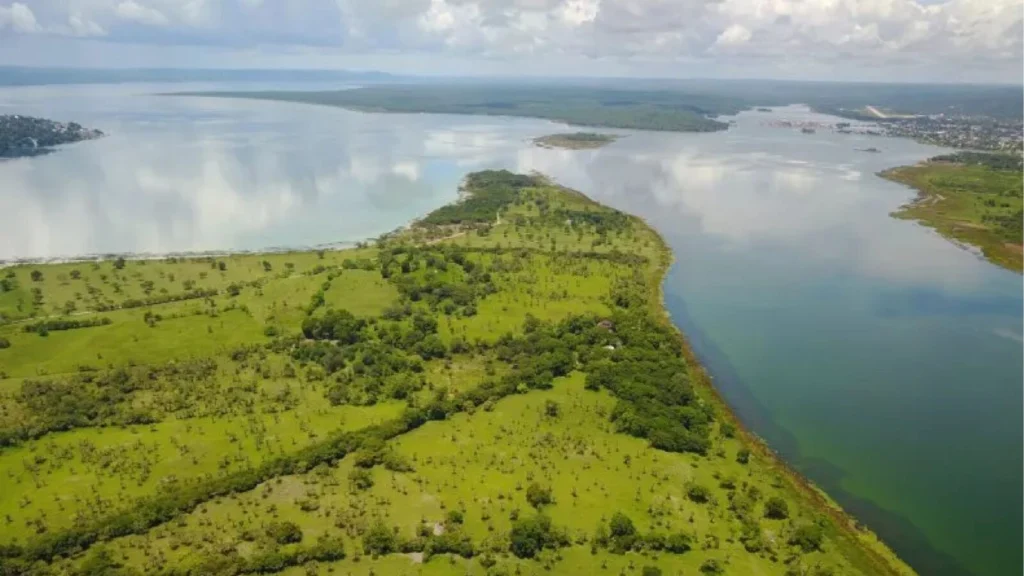
Past and present global warming: its effect on the tropics According to meteorological data and climate models, global temperatures have increased by up to 1.1 °C since 1960 because of rising atmospheric greenhouse gas concentrations, including an increase in CO₂ concentrations by up to 200 ppm. In some regions, such as the tropics, home to …[Read More]
Division blogs
Resisting self-guilt as a PhD student
Self-guilt is a common feeling among PhD students. It often leads us to devalue ourselves more harshly than is fair and to form unrealistic expectations. It is important to understand how it shows up in our daily work, what fuels it, and how we can resist it — because over time, it can quietly undermine …[Read More]
Highlights at IAG Scientific Assembly 2025 – What you need to know
It is almost time for the scientific assembly of the International Association of Geodesy (IAG), an association of the International Union of Geodesy and Geophysics (IUGG). The EGU Geodesy Division and the IAG have worked together for many years. For example, the IAG has been the main sponsor of the Geodesy Reception at past EGU …[Read More]
If a Resilient City Had a Face: It Might Look Like Kagoshima
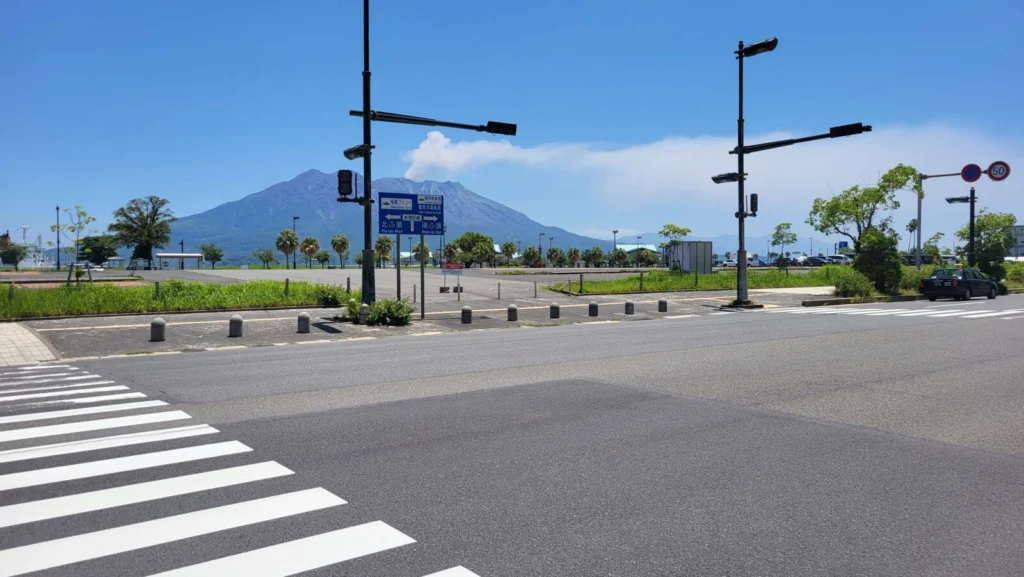
As natural hazard scientists, we often emphasise the concept of exposure – how much people, infrastructure, and ecosystems are in harm’s way when close to natural hazard sources (e.g., floodplains, volcanoes, or fault lines). The closer you are, the higher the risk. Therefore, one of the main goals in natural risk assessment is to reduce …[Read More]
On ice: algal blooms and the Greenland Ice Sheet
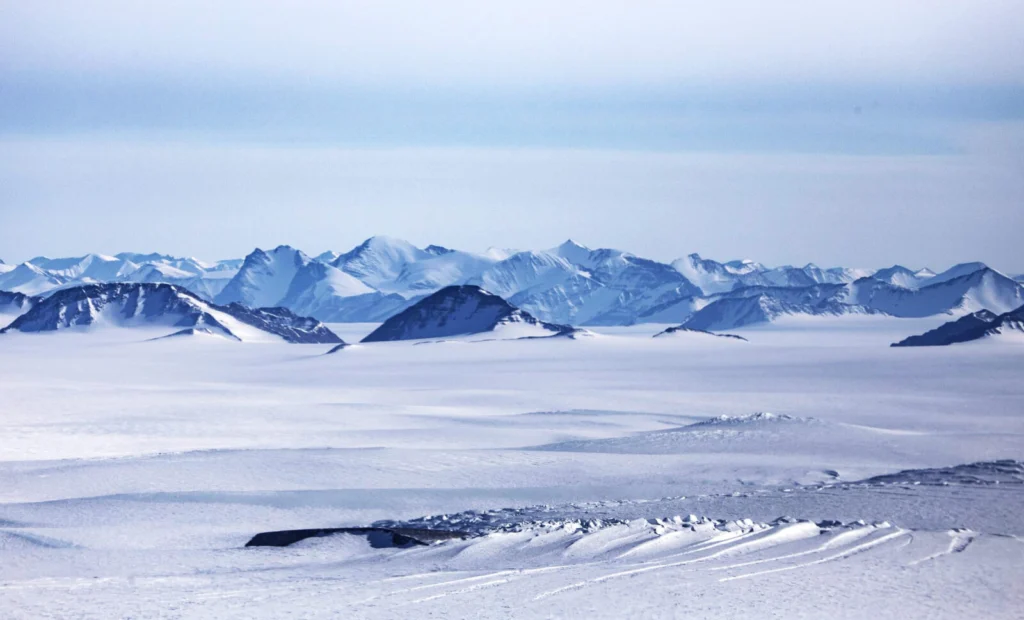
On the first episode of the EGU Biogeosciences Division’s podcast series, Bikem Ekberzade interviews Helen Feord on the algal blooms that contribute to the melting of the Greenland Ice Sheet. Together with Feord, a researcher for the 5-year long project DEEP PURPLE the two scientists talk about cryosphere research, climate change and what it means …[Read More]
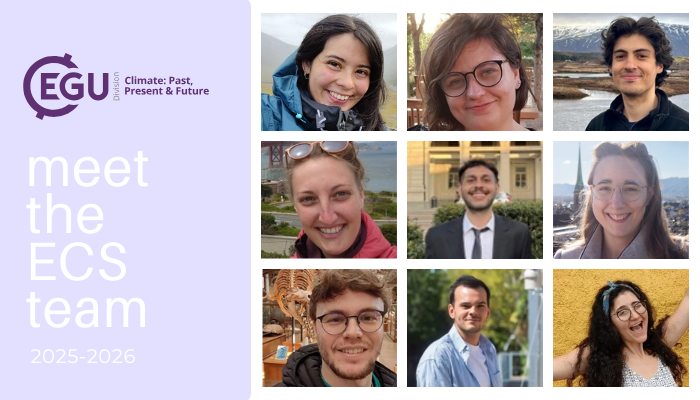
Meet the new ECS-Team of the Climate Division
Dear Climate ECS Community, Welcome to the Climate ECS community! We’re a team of early career scientists who love connecting with fellow researchers, organizing events, and building a strong and supportive network. Let’s grow, share, and create impact together! Early career scientists (ECSs) make up a significant part of the EGU membership. We are committed …[Read More]
Reflecting on the 2025 Gordon Research Seminar (GRS) – Interior of the Earth
This week in News & Views, Heidi Krauss, a PhD student at Michigan State University, shares her experience co-chairing the 2025 Interior of the Earth Gordon Research Seminar, held at Mount Holyoke College in South Hadley, Massachusetts. Earlier this year, I had the opportunity to help co-chair the Gordon Research Seminar (GRS) on the Interior …[Read More]
How to Become an EGU26 Convener
Have you ever thought about convening an EGU session instead of just attending them? Until September 16 you have the chance to do just that for the 2026 General Assembly, which will be taking place from May 3 to 8 2026 in Vienna, Austria. Convening a session can sound a bit intimidating, especially if you’ve never …[Read More]
Your contribution to the Hydrology Division programme of GA2026
The call-for-session-proposals for the General Assembly (GA) 2026 was launched on July 29. We take the opportunity to encourage all members of the hydrological community to participate in shaping the next year’s conference programme and in particular early career scientists. (Co-)convening a session is a great experience and the perfect networking opportunity. The Hydrology Division …[Read More]
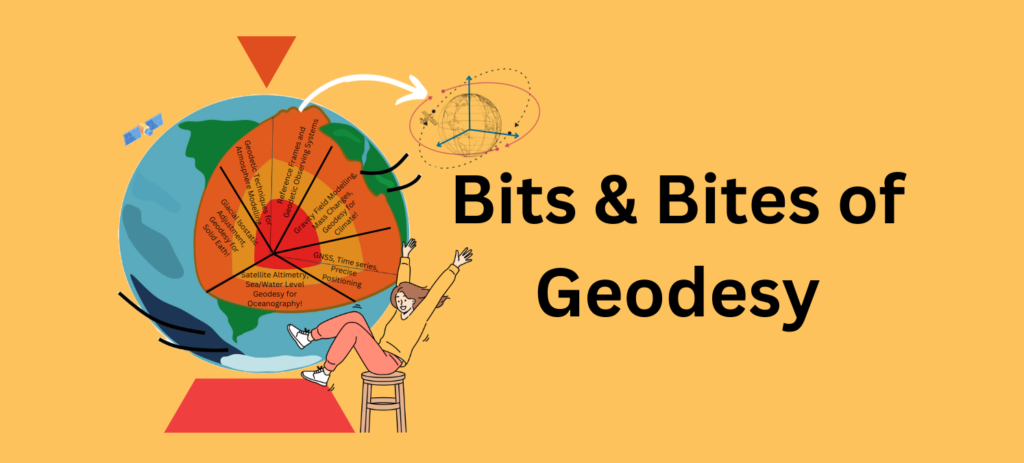
Bits and Bites of Geodesy – Trilateration on Vacation: How GNSS Locates You
Summer vacations are finally here! Like every year, many of us are ready to travel and explore new and exciting destinations. And of course, the GPS on our phones will be an indispensable travel companion! Did you know that GPS (or GNSS) positioning is one of the traditional geodetic techniques? Come along to discover how …[Read More]