EGU Blogs

Division blogs

GD
Geodynamics

Postcard from Tokyo: JpGU2018 conference

Postcard from Tokyo: JpGU2018 conference

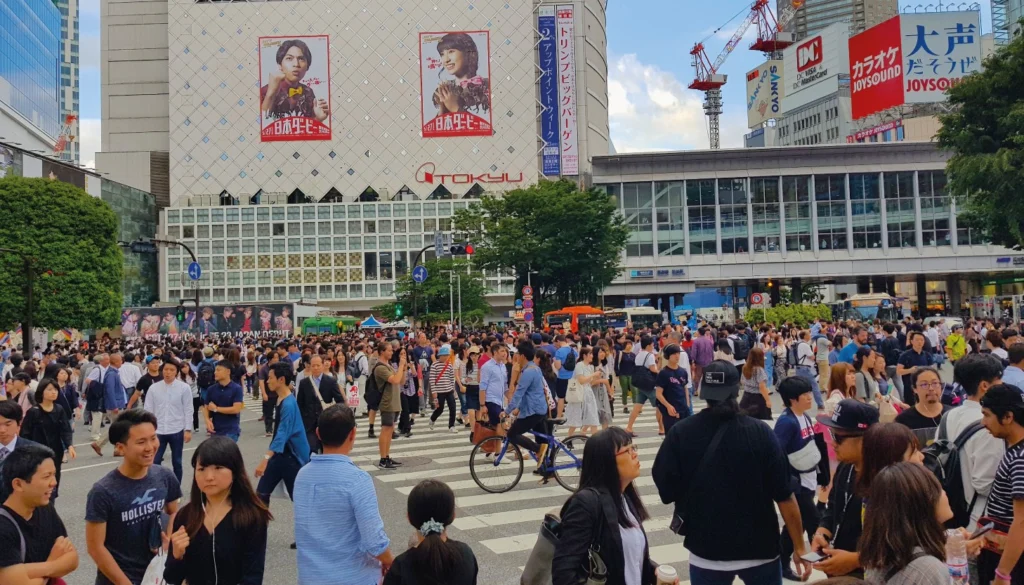
Konichiwa from Tokyo and JpGU2018! This week, 20-24 May, the Japanese Geoscience Union (JpGU) is holding its annual union meeting just outside of Tokyo, in Chiba (about 40 minutes by metro). I am fortunate enough to be on a research visit to the Earth-Life Science Institute (ELSI) at Tokyo Tech over on the other side of the …[Read More]

Geochemistry, Mineralogy, Petrology & Volcanology

Fire, Fog, Frost, Famine – French Revolution? The Lakagígar eruption in Iceland, 1783-1784 [Part 2]

Fire, Fog, Frost, Famine – French Revolution? The Lakagígar eruption in Iceland, 1783-1784 [Part 2]

PART II: Were the Haze Hardships caused by Men? Famine Before the Lakagígar eruption, the population of Iceland was 48810 people; four years later, it was down to 38518. Disregarding about 1500 deaths which were caused by a smallpox epidemic, the eruption may still have killed about 1/6 of the population [5]. These deaths were not …[Read More]

SM
Seismology

The new ECS-reps team of the Seismology Division!

At the EGU General Assembly 2018, a new team of Seismology Early Career Scientist representatives was introduced and installed. With more than half of the EGU membership consisting of Early Career Scientists, the team represent an important part of the community and want to be approachable for all. They will be responsible for the Seismology …[Read More]

Geochemistry, Mineralogy, Petrology & Volcanology

Fire, Fog, Frost, Famine – French Revolution? The Lakagígar eruption in Iceland, 1783-1784 [Part 1]

Fire, Fog, Frost, Famine – French Revolution? The Lakagígar eruption in Iceland, 1783-1784 [Part 1]

“On the 8th of June 1783, at Whitsun, there gushed forth from the mountains behind the summer pastures a fire which devastated land, cattle and humans with its effects, both nearby and far away”, wrote Reverend Jón Steingrímsson of Kirkjubæjarklaustur in his autobiography [2]. The “fire” which welled up from a volcanic fissure now known as Lakagígar …[Read More]