G
Geodesy

satellite data

Tidal pulse of rivers

Tidal pulse of rivers

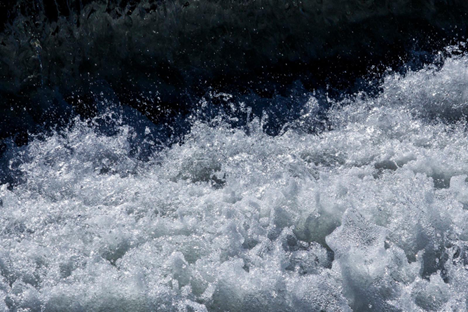
The research gap Ocean tides play a significant role on ocean circulation, coastal processes and mass variations. Tides are generated from the gravitational interaction between Earth, Moon and Sun, which typically results in two high and two low tides observed each day. Satellite observations have vastly expanded our understanding of ocean tides. In 2022, the Surface Water and Ocean Topography (SW ...[Read More]

Geodesists on Tour: Taking Greta Gravimeter to the North

Geodesists on Tour: Taking Greta Gravimeter to the North

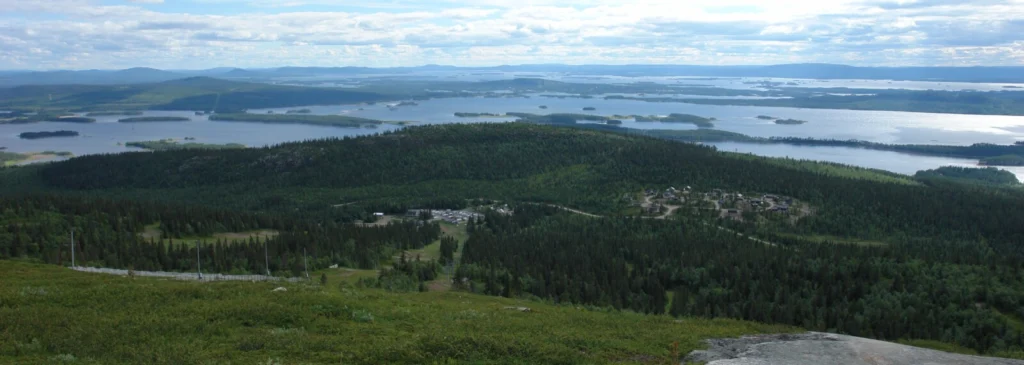
Summer is coming to an end in the northern hemisphere, and it usually signals the end of the field season – at least in northern Europe. During the field season, we mostly take our absolute gravimeter (we call her Greta) to measure gravity at various locations across Sweden. Occasionally, we even take Greta to other countries – but that’s a story for another time.   Who is G ...[Read More]

Dual use of gravity data

Dual use of gravity data

Today, we are going to talk a little bit about dual-use, particularly in the context of geodesy. If you’re unfamiliar with the term, dual-use refers to the application of knowledge, information, data, products, or technology in ways that may deviate from their original scientific intent, often leading to ethical challenges. These challenges arise from the lack of control over who uses the da ...[Read More]

Want to really understand sea-level rise? Bring in the geodesists!

Want to really understand sea-level rise? Bring in the geodesists!

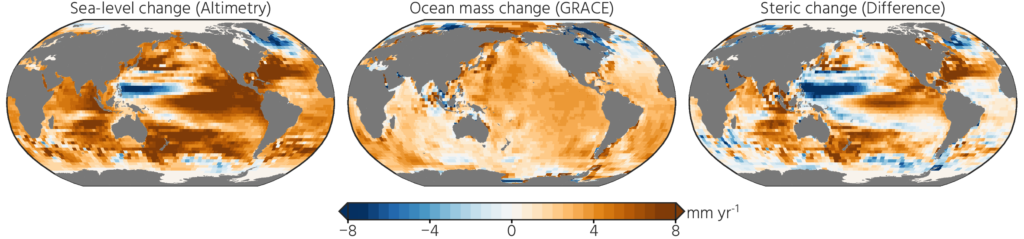
  A remarkably large number of papers and proposals have sentences like “this study is critical to better project future sea-level rise” in their introduction. Most times this is just marketing to trick reviewers and program managers into believing the work is important. On the other hand, geodetic papers and proposals have some compelling reasons to use this statement: a lot of geodetic tech ...[Read More]