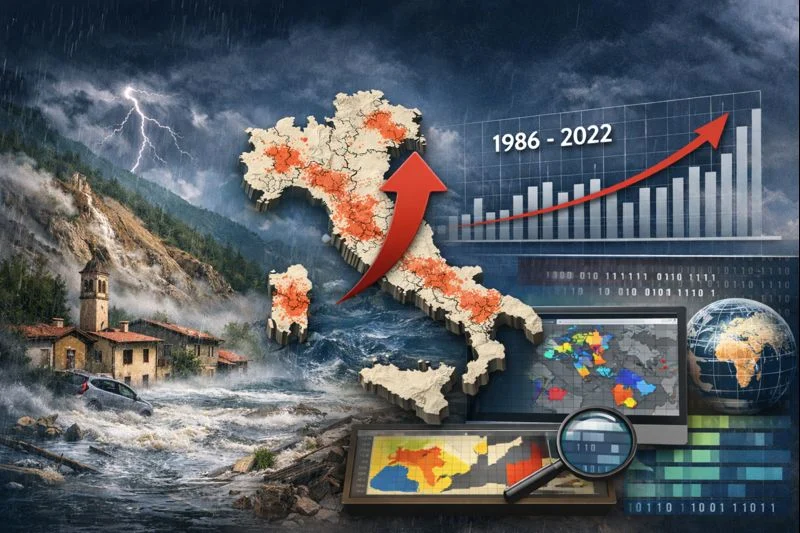
Intense rainfall lasting only a few hours is often enough to trigger natural hazards such as flash floods and landslides, leading to severe damage to infrastructure. These short-lived events are among the most dangerous natural hazards in the Mediterranean region, yet they are also among the hardest to study. Their small spatial scale and brief …[Read More]
1727 search results for "network"
If you didn't find what you were looking for, try searching again.
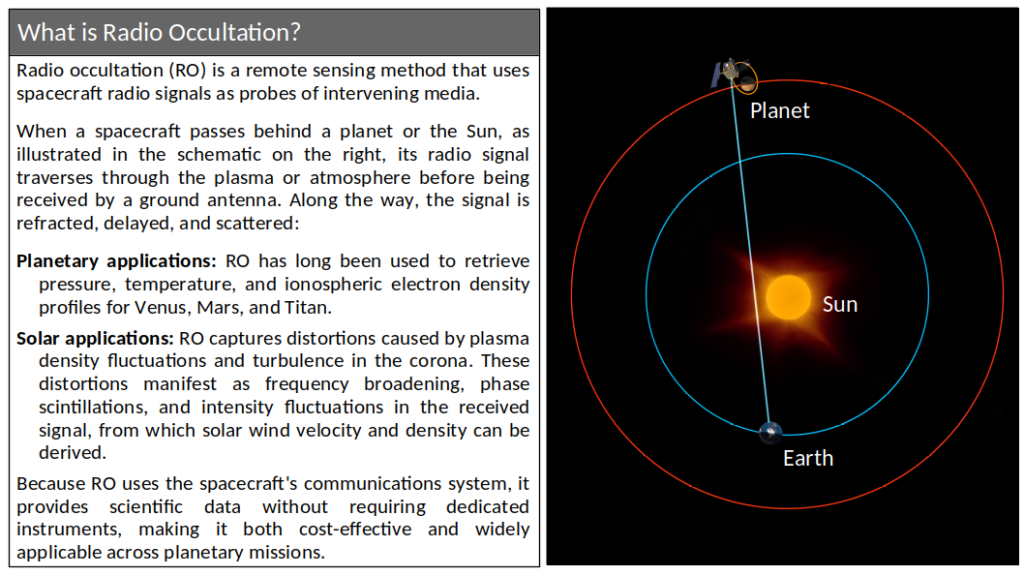
Probing the Solar Wind with Spacecraft Radio Occultation Signals: Chasing a Unified Method to Probe the Sun
Introduction The solar wind, a continuous outflow of charged particles from the solar corona, plays a fundamental role in shaping the heliosphere and driving space weather. Its interaction with planetary magnetospheres and atmospheres regulates magnetospheric dynamics, influences atmospheric escape, and governs space weather hazards that can affect both space- and ground-based technologies. Despite over six …[Read More]
How to make the most out of your experience at EGU26 (part 2)
Presenting can be a big topic on its own, so I am about to share some essentials. Let’s suppose you have a talk: have its content completely ready at least a day before, practice it at least three times in full length, and once before you are in front of a real audience. If you …[Read More]
How Citizen Scientists mapped Arctic Permafrost
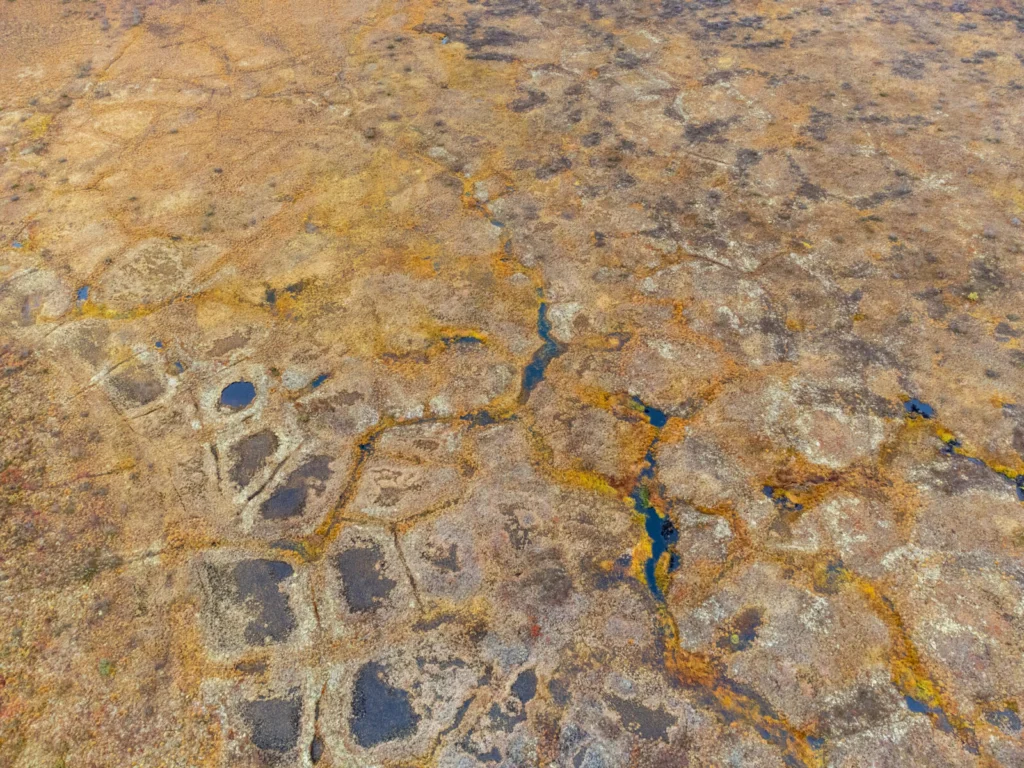
Cryosphere scientists know it well; the Arctic doesn’t give up its secrets easily. This is especially true when it comes to exploring permafrost -– frozen soils that store centuries of history underground. Keeping an eye on the state of permafrost is more important than ever, as widespread permafrost thaw is a direct result of rising …[Read More]
How to write a competitive MSCA Postdoctoral Fellowship
Demonstrating independence is a critical step when you pursue a career in academia: not only being excellent at executing research, but also showing you can shape ideas into a coherent project, choose the right environment, and lead work that matters. EU funding can be a strong catalyst for that transition, especially in the postdoc phase, …[Read More]
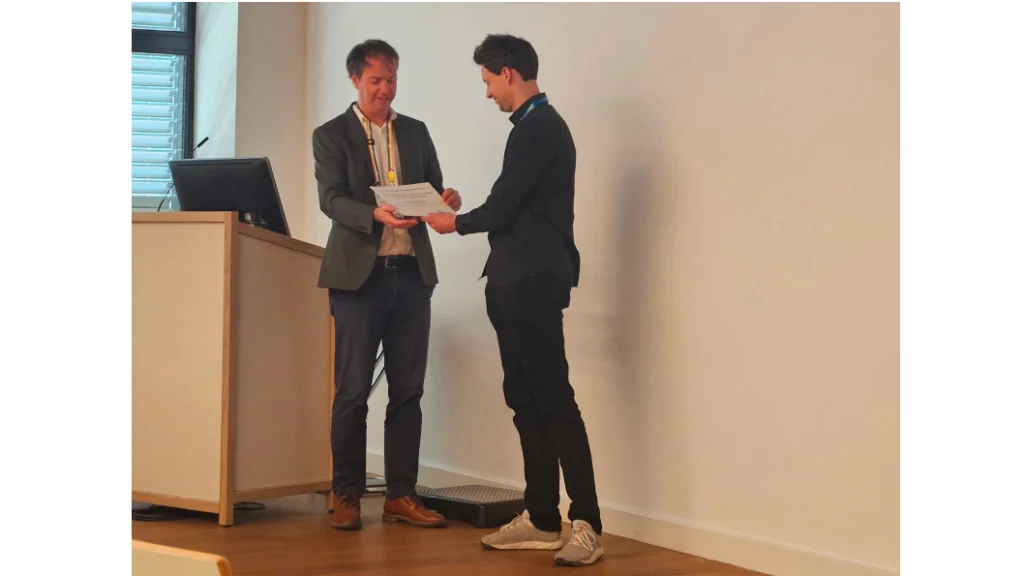
Behind the Poster: Extending the Wave Telescope – An Interview with EGU 2024 Outstanding Student Paper Presentation (OSPP) Award Winner Leonard Schulz
1. Congratulations on your OSPP Award 2024! What was your initial reaction to winning, and how has it helped your career as an early-career scientist? I was very delighted and also proud that my work is recognized in this way. I also understood in hindsight why I had little time to breathe during my poster …[Read More]
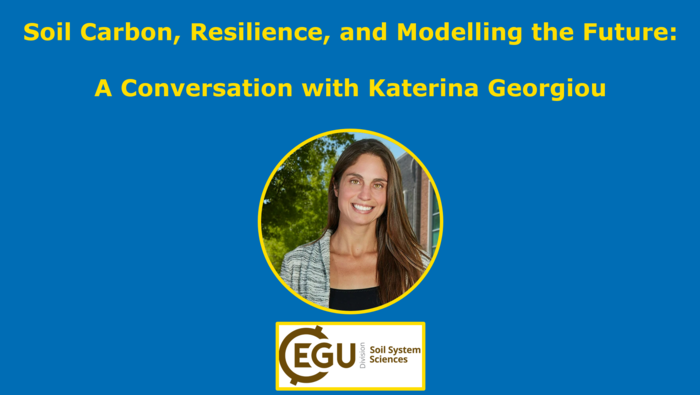
Soil Carbon, Resilience, and Modelling the Future: A Conversation with Katerina Georgiou
Soils play a central role in climate change mitigation and adaptation, with soil carbon management increasingly seen as a key pathway for enhancing ecosystem resilience—particularly in agricultural systems. At the same time, predicting how soil carbon responds to changing climate and management remains one of the major challenges in soil system science. In this interview, …[Read More]
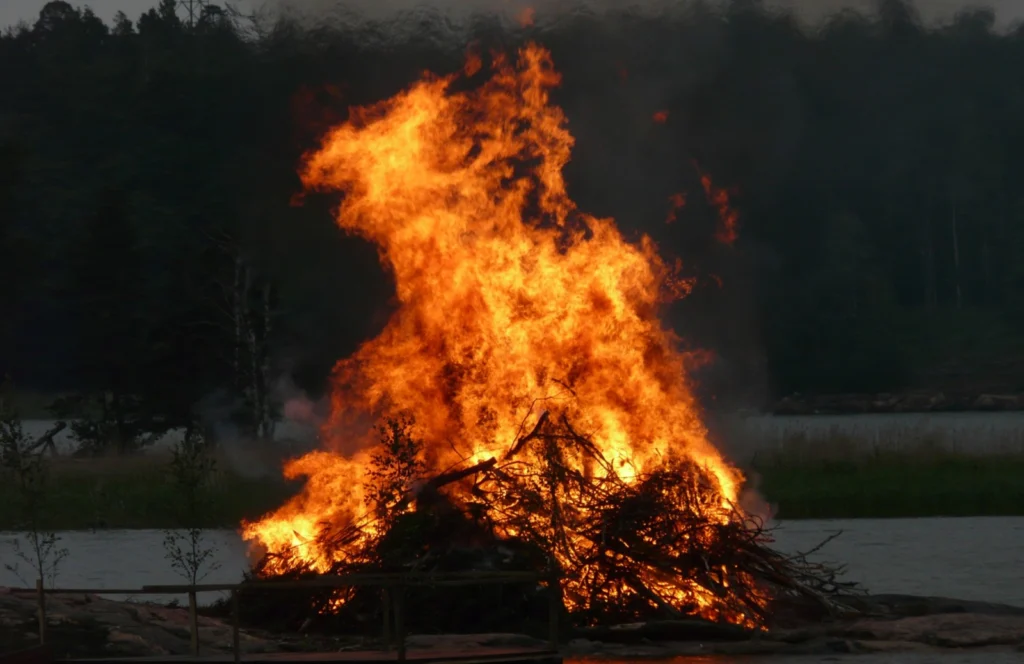
EGU Campfire Geodesy – Share Your Research – 16th Edition
We are excited to announce the 16th edition of Geodesy Campfire – Share Your Research in February. The Geodesy EGU Campfire Events “Share Your Research” give (early career) researchers the chance to talk about their work. We have two exciting talks by our guest speakers, Matthias Willen and Joshua Dreyer. Below, you can find the …[Read More]
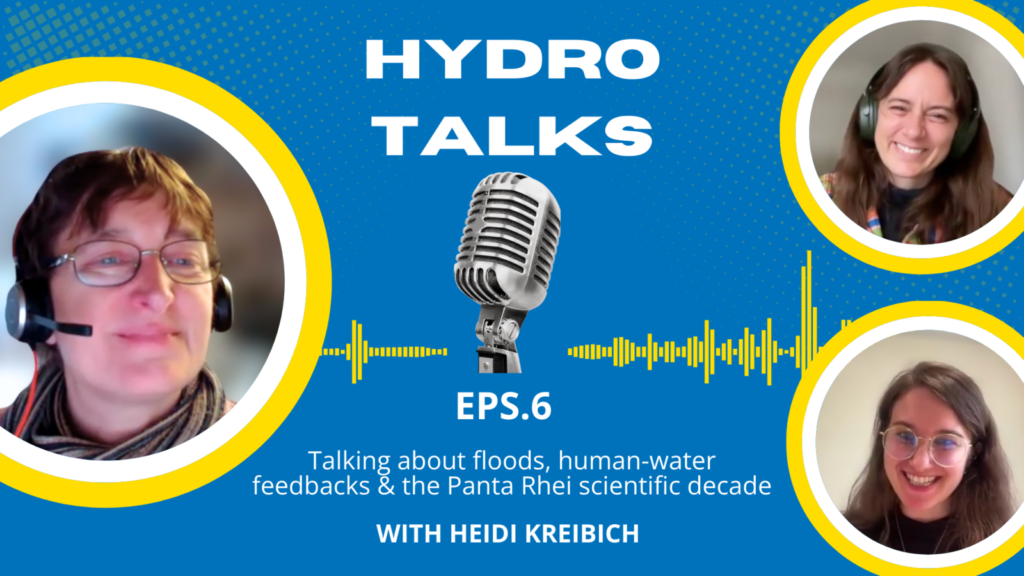
HydroTalks: Heidi Kreibich about Floods, Human-water Feedbacks, and the IAHS Scientific Decade Panta Rhei
For this month’s episode of HydroTalks, we’re thrilled to welcome Heidi Kreibich. She is head of the Section Hydrology at GFZ Helmholtz Centre for Geosciences and senior lecturer at the Geography Department of Humboldt-Universitat zu Berlin. Heidi is also president of the Natural Hazards division of the EGU and president of the International Commission on …[Read More]
GI and PS Joint Campfire. Investigation of Planetary Bodies: Analog Studies And Mission Concepts
The Geoscience Instrumentation and Data Systems (GI) and Planetary and Solar System Sciences (PS) Divisions of the EGU are excited to host the first joint campfire event, shifting our gaze upward and outward. On Monday, 26 January at 4 pm CET, we invite the geoscience community to a session dedicated to the frontiers of space …[Read More]