
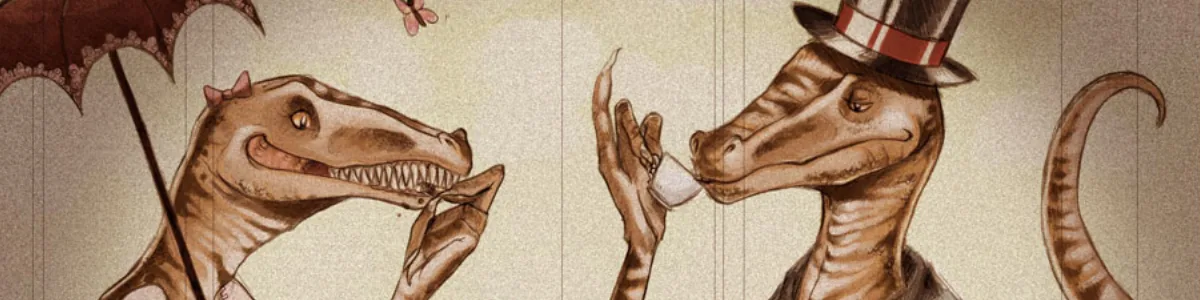
In palaeontology, there are so many things more important than dinosaurs. For example, the study of large-scale patterns in the history of life on Earth, commonly known as macroevolution, is all about uncovering patterns of speciation and extinction. We are currently about to enter the sixth mass extinction within the last 542 million years of …[Read More]
Media
A new feathered dinosaur – worth getting ruffled for?
Two new feathered dinosaur articles appeared in the latest edition of Nature Communications; one on gender identification in a well-known theropod (the meat noshing ones), and the subject of a forthcoming blog post, and another on a new feathered fiend from, surprise surprise, China. I normally really don’t like writing about theropods, especially of the feathered …[Read More]
The crux of the matter – language, context, and narrative
Throughout this series, I have highlighted the pitfalls and issues associated with effective communication of scientific knowledge to and with the public. This has largely been fueled by a recent paper highlighting these points as stepping stones and hurdles which scientists face and can develop upon to create strategies for becoming better at public communication. However, I’ve …[Read More]
The role of TV in geoscience communication
This is now the fifth part in a series exploring the public communication of geoscience, this time focusing on the role that television can play as a communication medium. It is based on, and a development of the ideas conveyed within a paper by Iain Stewart, no stranger to TV himself, and Ted Nield, a …[Read More]
Geoscience in the news
This is the fourth part of a series looking at how we should effectively communicate geoscience, based largely on a recent paper by Iain Stewart and Ted Nield. The previous post attempted to address the insanely impossible question of ‘who are the public?’, when it comes to public engagement’. It seems that this is very …[Read More]