New research on crocodiles shows that a combination of changing sea levels and temperatures were responsible for driving their biodiversity over millions of years. Living crocodiles are threatened by climate change, with 10 out of 23 species at a high risk of extinction. As ectotherms, animals which require external sources of heat to function, they are sensitive to changes in temperature. With 2- ...[Read More]
Nessie dwarfed by new Scottish crocodile
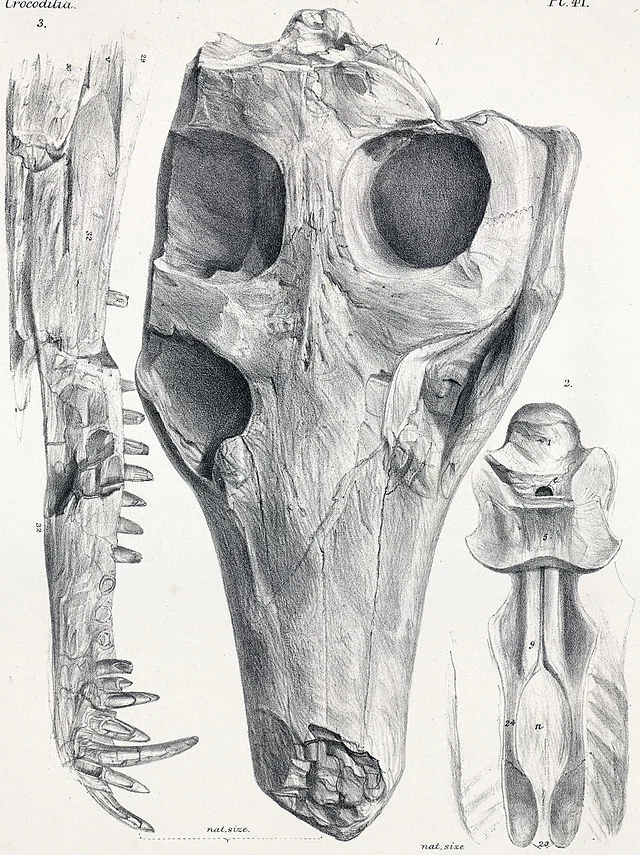
Yes, Nessie had to be in the title. Am I sorry? A little. But not enough to not use it. Colleagues from the University of Edinburgh and myself have described the first Scottish crocodile fossil! It’s from the Isle of Skye, from a time known as the Middle Jurassic, and dates back around 160 million years ago. Based on a partial bit of a jawbone (the dentary), it’s hardly the most specta ...[Read More]
The origin of a second wave of supreme-swimming crocodiles
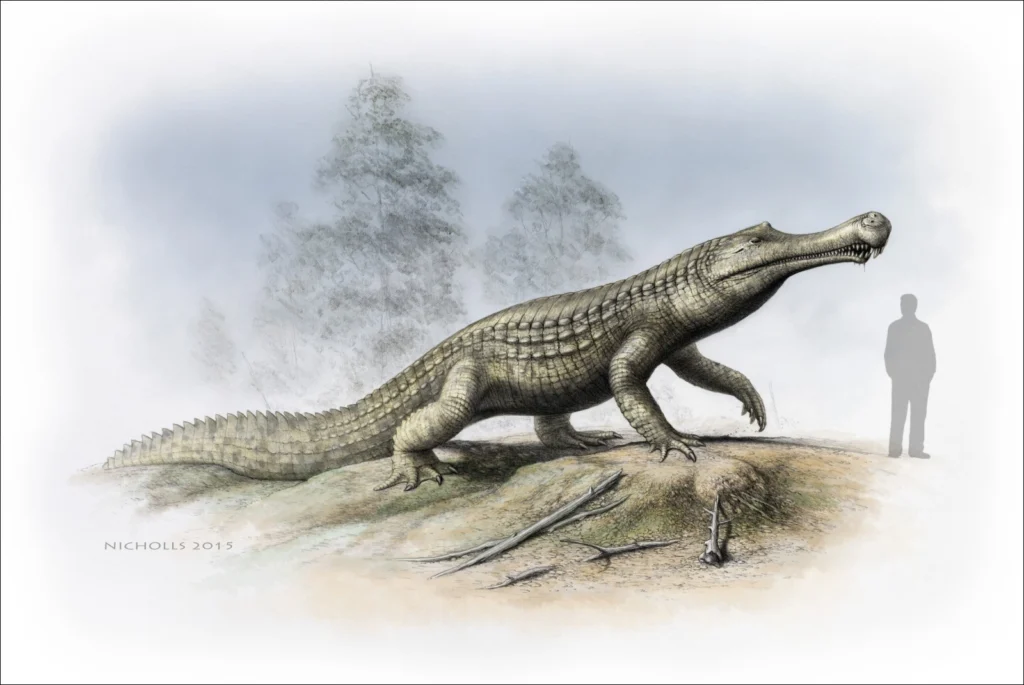
Millions of years ago, crocodiles were far more diverse (and weird) than the ones we still have around today. They ranged from armoured, tank-like forms living on land and feeding on plants, to 9 metre long fully-fledged swimmers out in the open oceans. In the Jurassic period, most of the crocs we know of were of this second kind, the whole marine forms. These comprised a group known as thalattosu ...[Read More]
Dwarf crocodiles are the cutest, even if they’ve been dead for 150 million years..
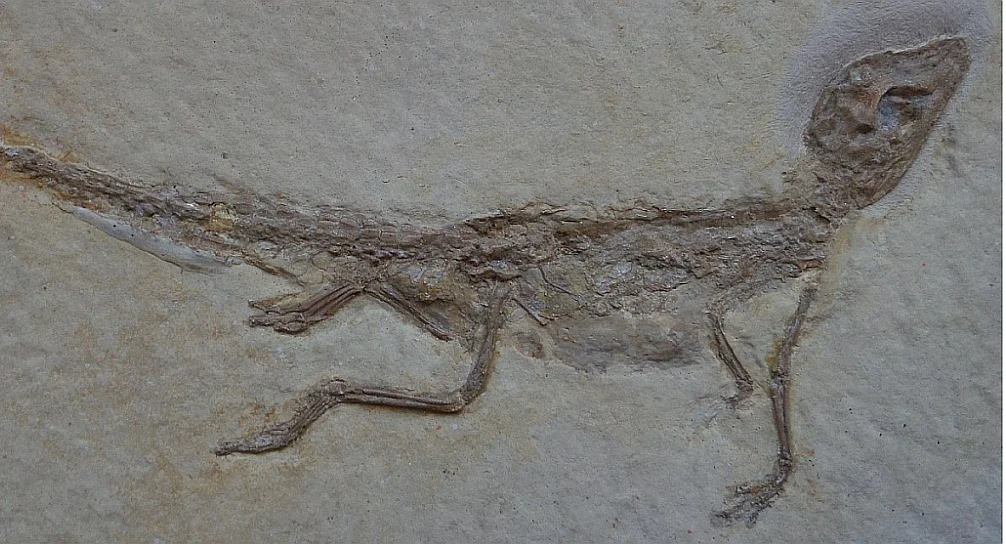
Europe 150 million years ago must have been a brilliant place to go on holiday. Tropical islands, warm lagoons to bathe, a warm climate, and nine metre long crocodiles noshing on anything that couldn’t swim fast enough. Ok, so maybe not that great for humans, but if you were an ancient archosaur, living alongside dinosaurs and other now extinct animals, life must have been pretty sweet. Thes ...[Read More]