
This was originally posted here. Mass extinctions are insanely catastrophic, but important, events that punctuate the history of life on Earth. The Jurassic/Cretaceous boundary, around 145 million years ago, was originally thought of to represent a mass extinction, but has subsequently been ‘down-graded’ to a minor extinction event based on new discoveries. However, compared to …[Read More]
Crocodiles
New fossil croc on the block
This was originally posted on the PLOS Paleo blog Crocodiles are freakin’ amazing animals. They’ve been around for about 250 million years, and throughout this time have survived two mass extinctions, and at least twice decided to hitch up and take to the seas. Their historical diversity, and general weirdness, was vast compared to what …[Read More]
Crocodiles feeling the heat of extinction
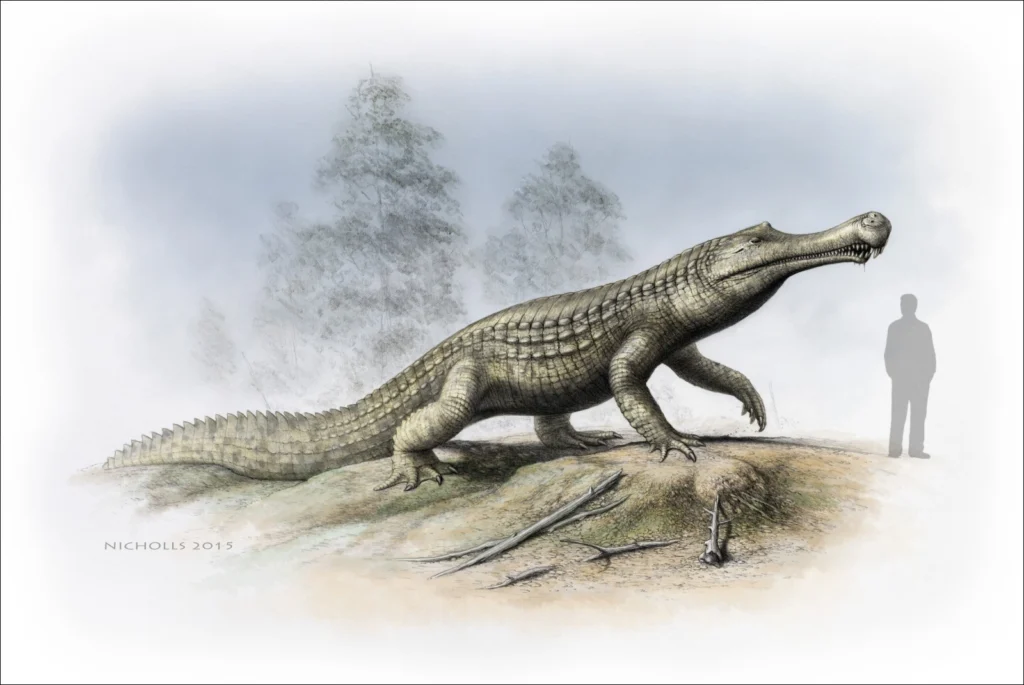
New research on crocodiles shows that a combination of changing sea levels and temperatures were responsible for driving their biodiversity over millions of years. Living crocodiles are threatened by climate change, with 10 out of 23 species at a high risk of extinction. As ectotherms, animals which require external sources of heat to function, they …[Read More]
Nessie dwarfed by new Scottish crocodile
Yes, Nessie had to be in the title. Am I sorry? A little. But not enough to not use it. Colleagues from the University of Edinburgh and myself have described the first Scottish crocodile fossil! It’s from the Isle of Skye, from a time known as the Middle Jurassic, and dates back around 160 million …[Read More]
The origin of a second wave of supreme-swimming crocodiles
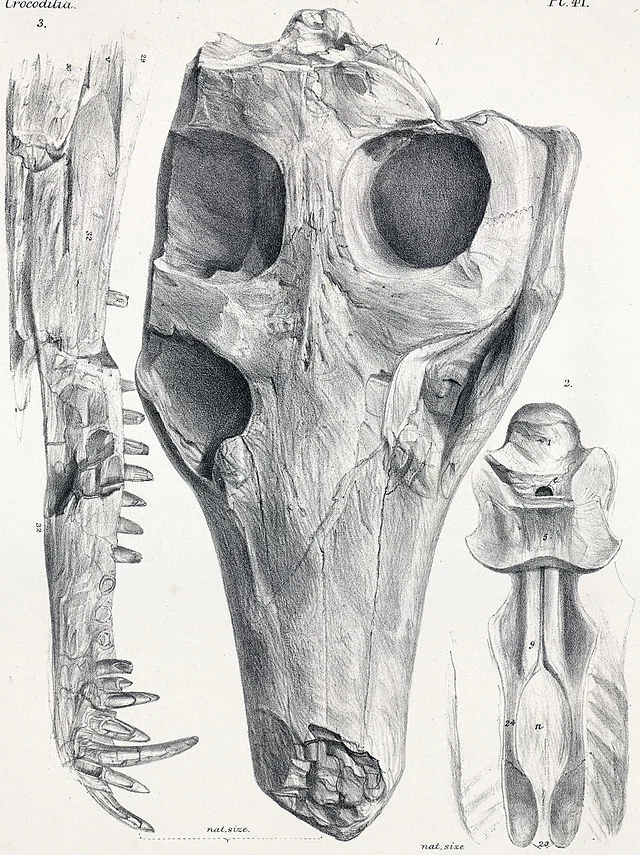
Millions of years ago, crocodiles were far more diverse (and weird) than the ones we still have around today. They ranged from armoured, tank-like forms living on land and feeding on plants, to 9 metre long fully-fledged swimmers out in the open oceans. In the Jurassic period, most of the crocs we know of were …[Read More]
Dwarf crocodiles are the cutest, even if they’ve been dead for 150 million years..
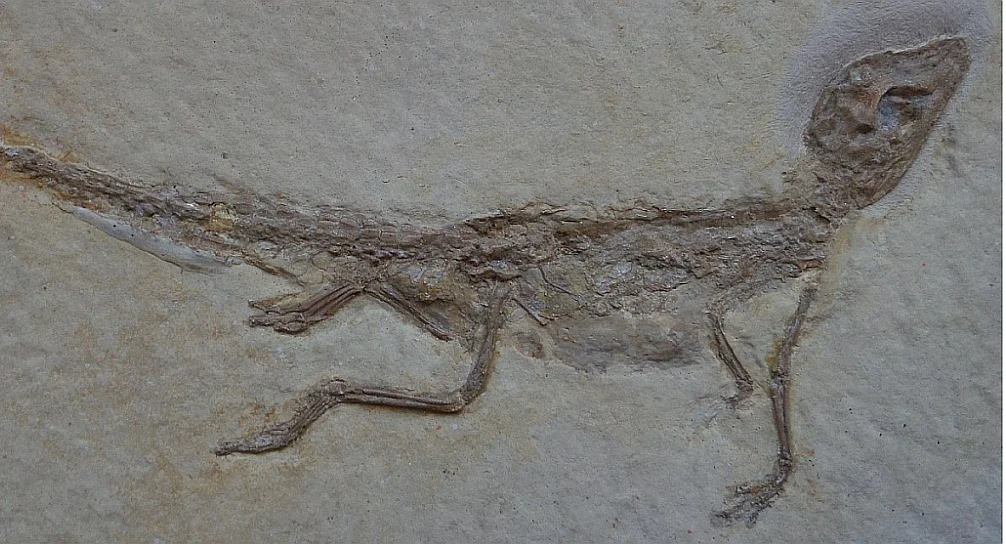
Europe 150 million years ago must have been a brilliant place to go on holiday. Tropical islands, warm lagoons to bathe, a warm climate, and nine metre long crocodiles noshing on anything that couldn’t swim fast enough. Ok, so maybe not that great for humans, but if you were an ancient archosaur, living alongside dinosaurs …[Read More]
Your bite or mine?
It rises from the dark waters like some behemoth from the deep, and lets out a blood-curdling roar. It’s feeding time. One of the most iconic scenes from Jurassic Park III is where the long-snouted, sail-backed giant theropod dinosaur Spinosaurus emerges from underwater to try, yet again, to eat our beleaguered rabble of misfortunates. It’s …[Read More]
It’s been a while..!
In a post two months ago, I promised that I’d keep you updated with how my research is progressing. Needless to say, I’ve done a pretty poor job of that, unless you follow me on Twitter! I must apologise – the workload while travelling was severely under-estimated, and I’ve barely had time to catch a …[Read More]
SVP Day 1
So after definitely not losing my passport, I managed to make it into one of the sessions for the first day at SVP, the Society for Vertebrate Palaeontology’s annual meeting over in Los Angeles. The session was on the impacts of ontogeny, or growth and development on our understanding of dinosaur relationships and biology. The …[Read More]
Crocodiles are so hard, they even eat fruit
Seed dispersal by animals is incredibly important for plants to help them occupy new areas of land and reproduce. Usually, this happens using bugs, birds, or intrepid kittens, but probably the last animal on this planet you’d expect to disperse seeds is crocodiles – you know, those big beasties that take down bison for a …[Read More]