Geology for Global Development

climate change

How can we emerge into a better world? How Geology can ease your mind. That and more in Jesse Zondervan’s start-of-2020 #GfGDpicks #SciComm

How can we emerge into a better world? How Geology can ease your mind. That and more in Jesse Zondervan’s start-of-2020 #GfGDpicks #SciComm
Each month, Jesse Zondervan picks his favourite posts from geoscience and development blogs/news which cover the geology for global development interest. Here’s a round-up of Jesse’s favourite selections for the first three months of 2020: [Editor’s note: This post reflects Jesse’s personal opinions. These opinions may not reflect official policy positions of Geology for Global …[Read More]

Changing patterns of respiratory infection outbreaks under a changing climate. How is the La Nina Climate Cycle linked to Increased Diarrhea in Botswana? Positive climate change stories. Jesse Zondervan’s end-of-2019 #GfGDpicks #SciComm

Changing patterns of respiratory infection outbreaks under a changing climate. How is the La Nina Climate Cycle linked to Increased Diarrhea in Botswana? Positive climate change stories. Jesse Zondervan’s end-of-2019 #GfGDpicks #SciComm

Each month, Jesse Zondervan picks his favourite posts from geoscience and development blogs/news which cover the geology for global development interest. Here’s a round-up of Jesse’s favourite selections for the last three months of 2019: As the world is gripped by the 2019 Novel Coronavirus, research published in Nature Communications finds respiratory infection outbreaks could …[Read More]

The importance of wetlands

The importance of wetlands

World Wetlands day is celebrated on 2nd February, marking the adoption of the Convention on Wetlands, also known as Ramsar Convention, in the Iranian city of Ramsar on 2nd February 1971. It “provides the framework for national action and international cooperation for the conservation and wise use of wetlands and their resources.” Today 170 countries …[Read More]

Jesse Zondervan’s January 2019 #GfGDpicks: which climate adaptation methods are on the rise in 2019?

Jesse Zondervan’s January 2019 #GfGDpicks: which climate adaptation methods are on the rise in 2019?

Each month, Jesse Zondervan picks his favourite posts from geoscience and development blogs/news which cover the geology for global development interest. This past month’s picks include:  Why it’s so hard to predict tsunamis, which climate adaptation methods are on the rise in 2019 & opportunities for scientists to solve local challenges with Thriving Earth Exchange.   …[Read More]

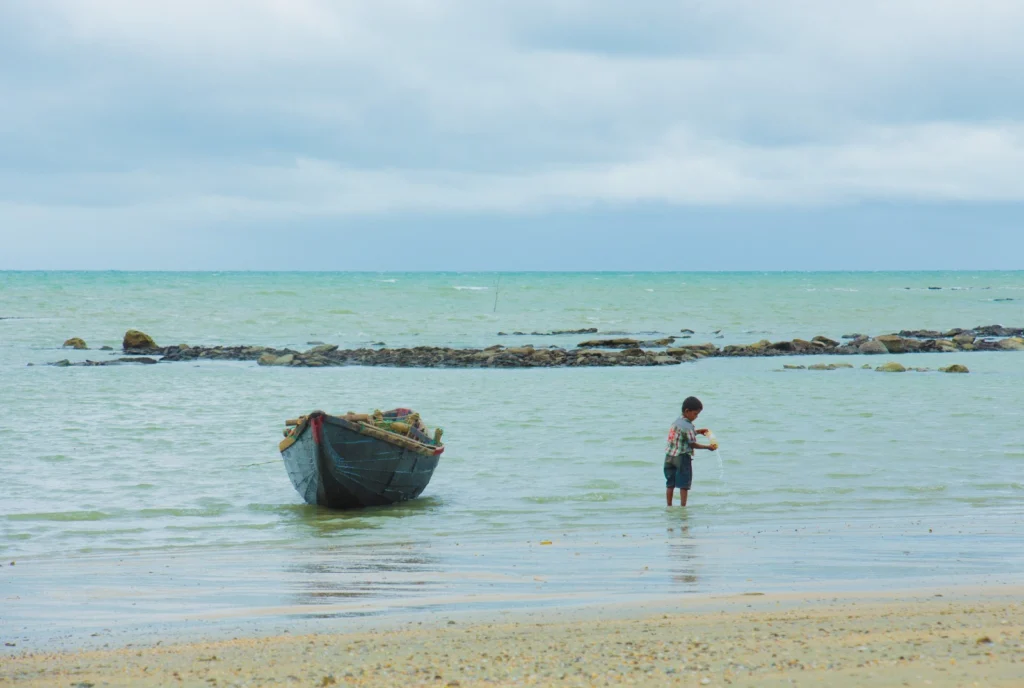
What is happening after the Fuego eruption in Guatemala? Is climate migration a bad thing? This and more in Jesse Zondervan’s June 2018 #GfGDpicks #SciComm

What is happening after the Fuego eruption in Guatemala? Is climate migration a bad thing? This and more in Jesse Zondervan’s June 2018 #GfGDpicks #SciComm

Each month, Jesse Zondervan picks his favourite posts from geoscience and development blogs/news which cover the geology for global development interest. Here’s a round-up of Jesse’s selections for the last month: Everything about the Fuego eruption At the start of this month, Guatemala’s Fuego volcano erupted explosively, costing many lives and destroying properties and infrastructure. …[Read More]

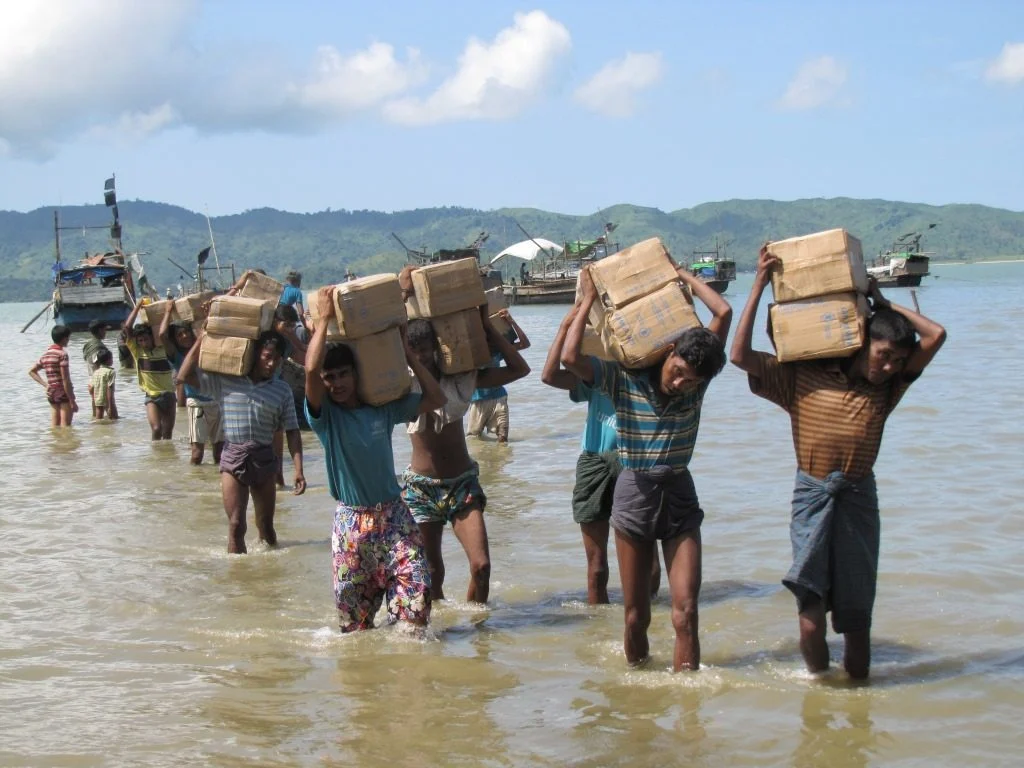
Climate migration needs to be predicted and planned now. Geoengineering can slow down sea level rise but could also lead to international conflicts. CO2 as a natural resource. All in Jesse Zondervan’s Mar 8 – Apr 4 2018

Climate migration needs to be predicted and planned now. Geoengineering can slow down sea level rise but could also lead to international conflicts. CO2 as a natural resource. All in Jesse Zondervan’s Mar 8  – Apr 4 2018

Each month, Jesse Zondervan picks his favourite posts from geoscience and development blogs/news which cover the geology for global development interest. Here’s a round-up of Jesse’s selections for the last month: Imagine 140 million people across sub-Saharan Africa, south Asia and Latin America migrating in response to climate change effect, by 2050. This is what …[Read More]

Weighing up the pros and cons of artificial coral reefs

Weighing up the pros and cons of artificial coral reefs

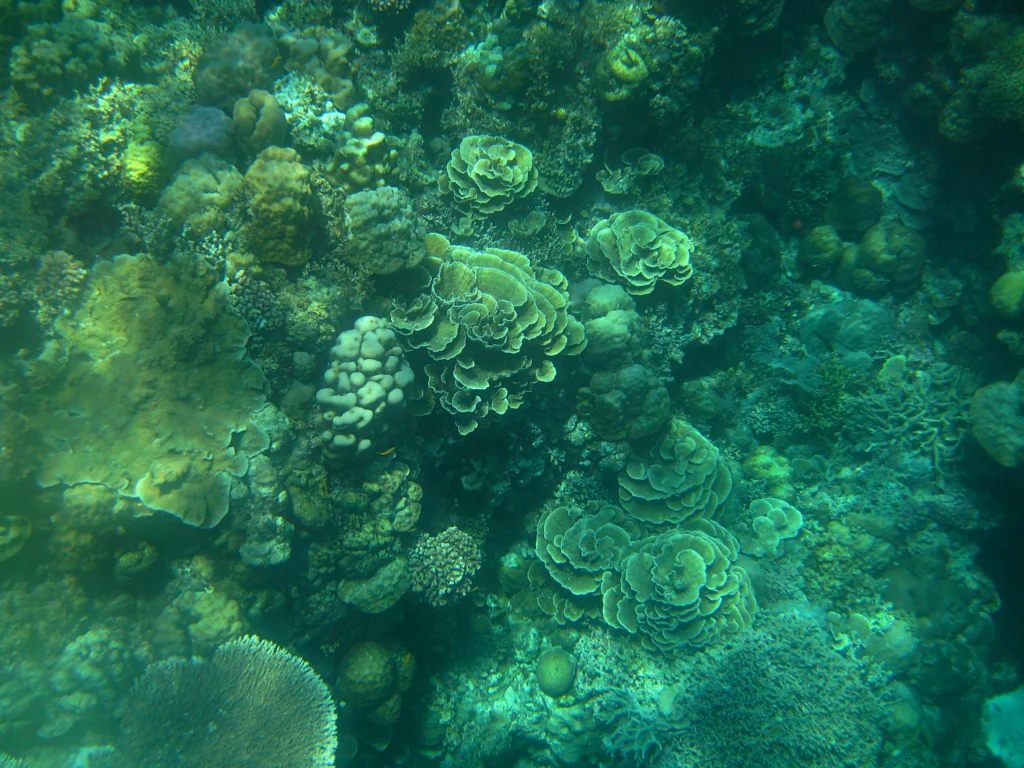
The world’s oceans cover 71% of the Earth’s surface and contain 97% of Earth’s water. They play a key role in the climate cycle and, though perhaps not always visibly, are suffering significantly under our changing climate. An place where we can see the alarming effects of rising temperatures and increasingly acidic waters is coral …[Read More]