
Governments need scientists, and Heather Britton is telling you what to expect if you decide to join the Civil Service Fast Stream. For the past year, I have been on the Science and Engineering Fast Stream scheme. As the graduate recruitment season is in full flow, I thought there would be an interest in describing …[Read More]
Heather Britton
Flooding in some of the world’s most at-risk cities

What are cities doing to mitigate rising sea-levels? What are the numbers behind the related challenges? In our August ‘Coast’ month, Heather Britton focuses on sea-level rise in the coastal cities of Jakarta, Lagos and London, where barriers and new islands are likely proposed solutions, even if they seem inadequate. [Editor’s note: This post reflects Heather’s …[Read More]
The link between development and resource use

This month the GfGD blog revolved around the theme of Resources. Blog author Heather Britton explores the link between the use of natural resources and development. How feasible are the various options available to us, to reach a use of resources aligned with sustainable development? From the ideology of a circular economy, a switch to …[Read More]
‘Pompeii’ by Robert Harris – A book review

The GfGD blog theme this month is science communication, and so regular blog contributor Heather Britton reviews a book which she believes contains some useful geological and human experience, in the form of a gripping novel. The Geology for Global Development blog is not a site renowned for book reviews, but when a fiction book …[Read More]
Anthropocene: Are we in the recent age of man?
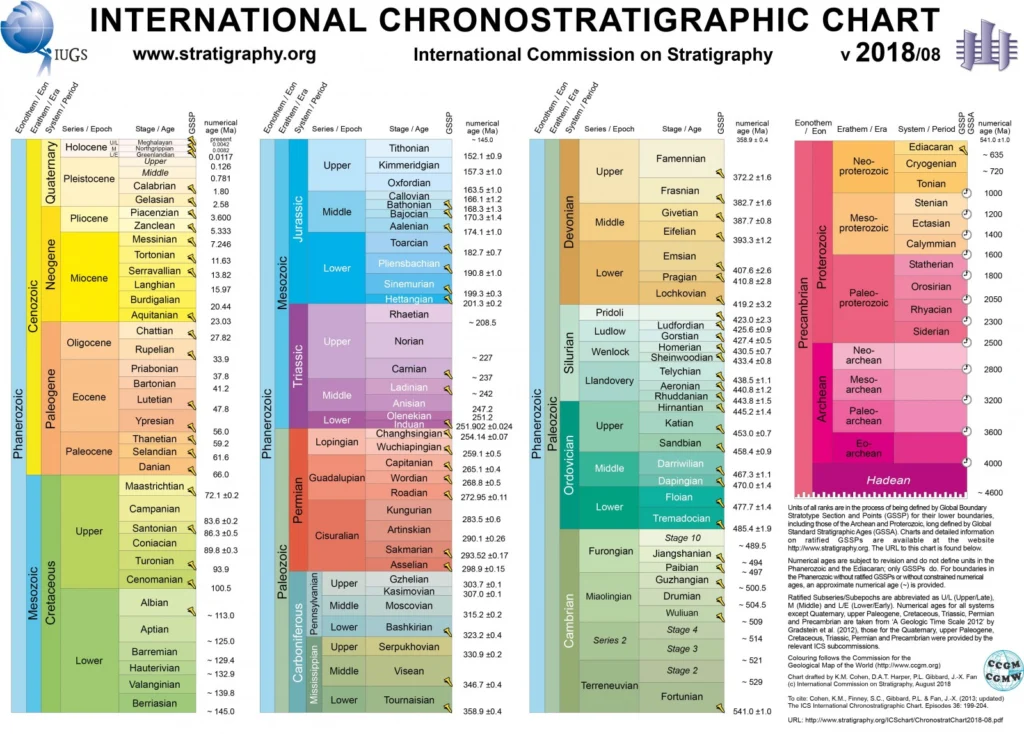
Regular GfGD Blog contributor Heather Britton pen’s this weeks post, where she discusses the heated topic of whether we are, or not, living in the Anthropocene. [Editor’s note: This post reflects Heather’s personal opinion. This opinions may not reflect official policy positions of Geology for Global Development.] Naming a geological epoch the Anthropocene, literally meaning …[Read More]
Is geological mapping becoming obsolete?
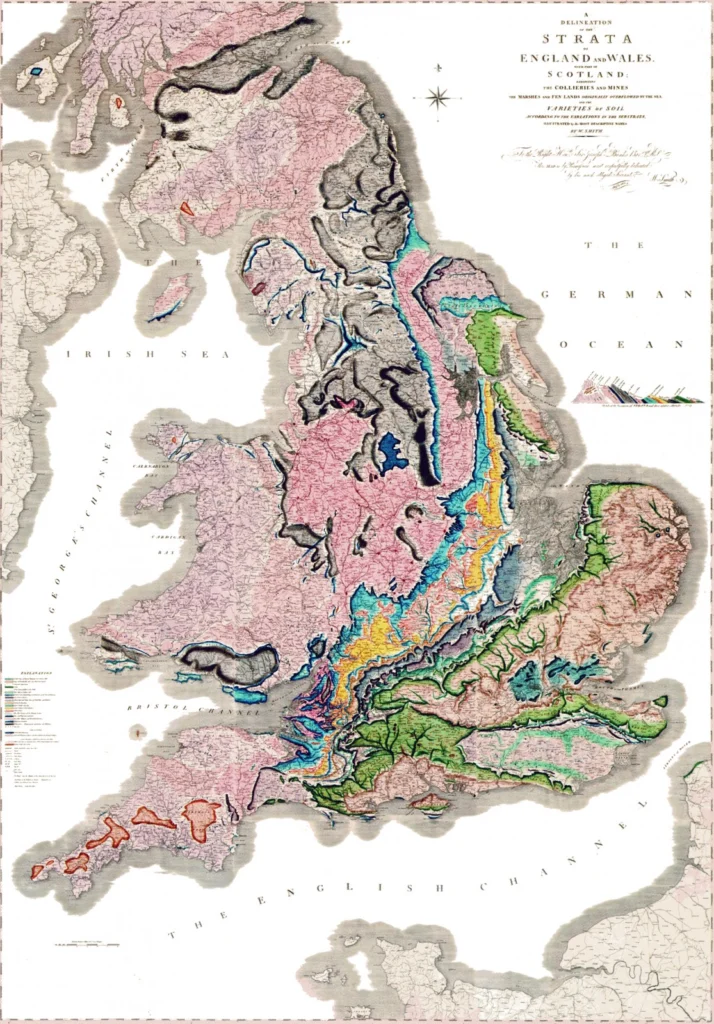
Geology students typically experience some form of mapping education as part of their course and attitudes towards this baptism into the geosciences vary from adoration to utter hatred. Whatever the opinions of the students, however, it is widely recognised that performing mapping exercises is an excellent way to learn the basics of structural geology which …[Read More]
Heather Britton: China’s Water Diversion Project
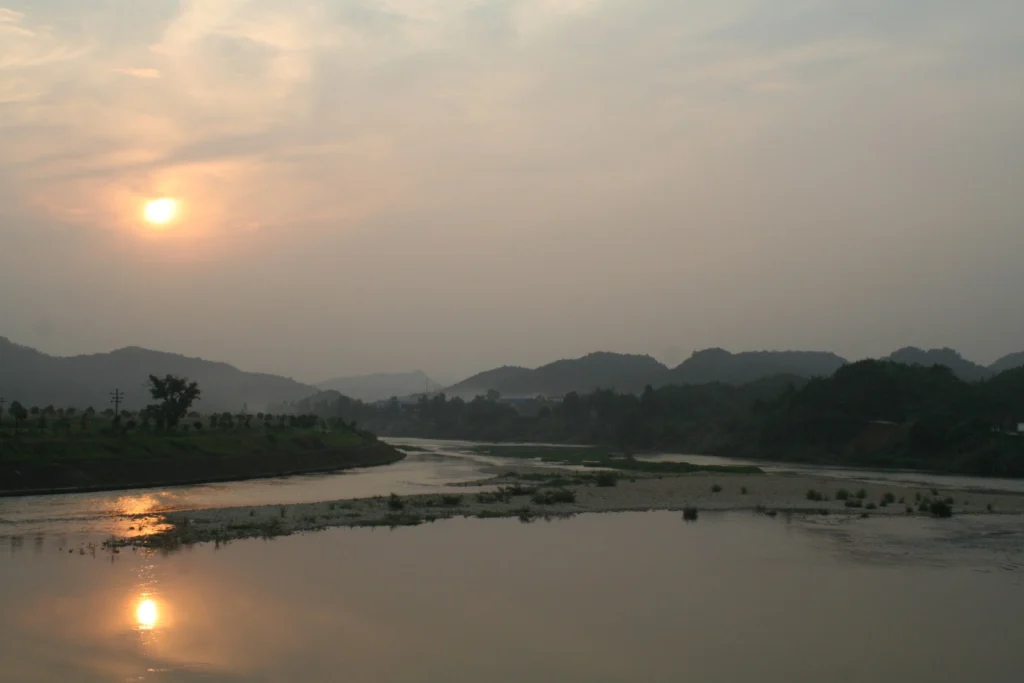
China has enjoyed economic growth over the past decades, bringing undoubted prosperity to the country. But exponential industrialisation and rapid growth comes at a significant environmental cost. The nation is heavily dependent on coal-fired power, making it one of the world’s largest emitters of greenhouse gases and it’s thirst for development is a drain on …[Read More]
Peat in the Tropics
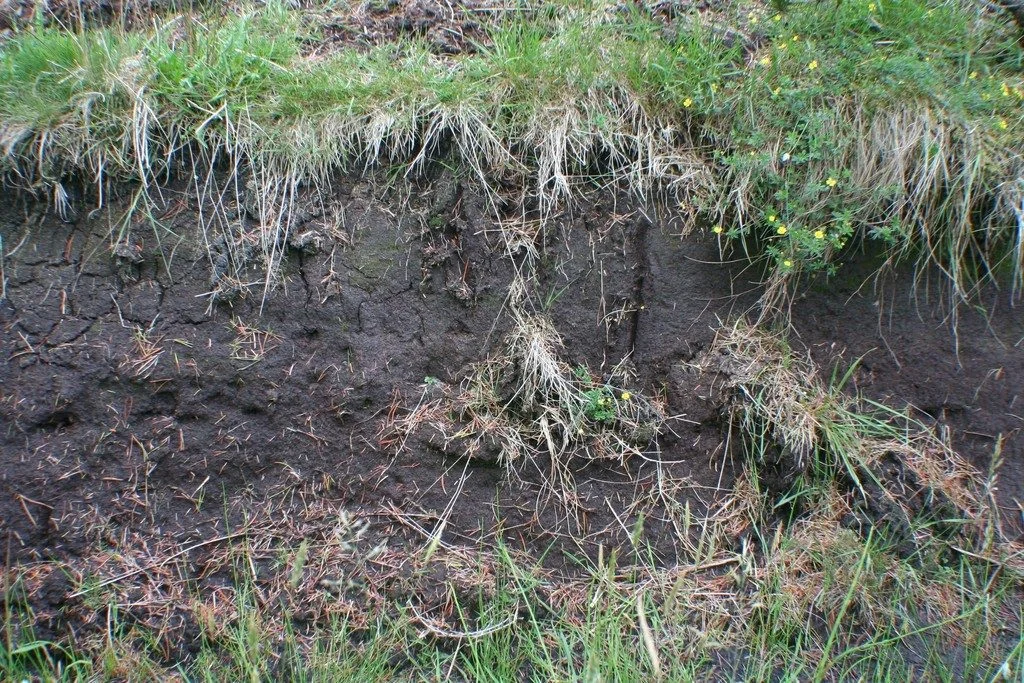
As has been previously discussed in Robert’s blog, fertile soil is an incredibly important resource that is fast running out in many regions of the world. It is true that soil’s importance for agriculture (and sustainable development) cannot be understated, but I wish to focus on another aspect of soil in this week’s blog– its …[Read More]
Heather Britton: Can Animals be Used to Predict Earthquakes?

One of the most common questions faced by the disaster risk reduction community relates to earthquake prediction (see this Geological Society briefing on prediction vs. forecasting). The disaster risk reduction community, however, would perhaps argue that improved buildings, reduction in poverty, and improved governance are a greater priority than predicting earthquakes. Even so, there are …[Read More]
Heather Britton: Sinkhole Occurrence and Mitigation
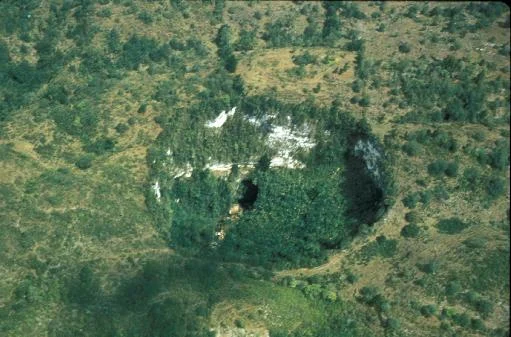
Sinkholes are often overlooked geohazards which, although far less destructive in the short-term than earthquakes and landslides, can be catastrophic to life and severely impact the built environment. This post will explore how these features form and the strategies that have been adopted to predict their appearance. It will also consider how urbanisation in karstic …[Read More]